
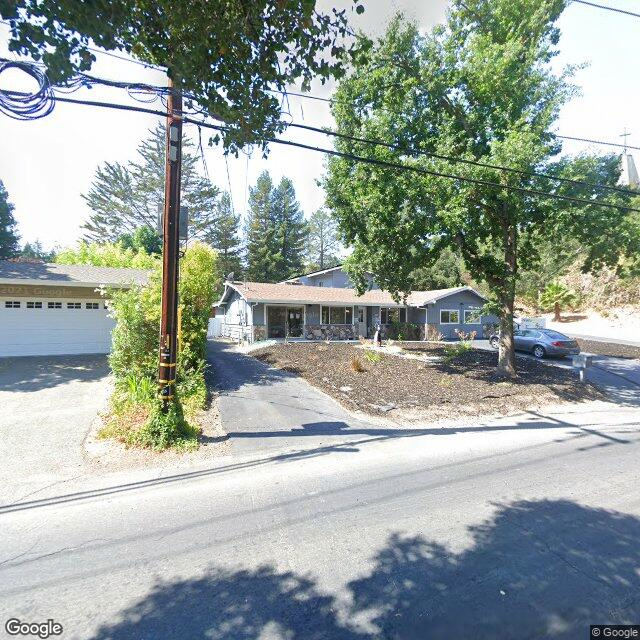
33 Hidden Valley Road, Lafayette, CA 94549
For more information about senior living options: (866) 208-4318
Hidden Valley Care Home Costs & Pricing
At Hidden Valley Care Home, the monthly costs for accommodations are competitively positioned within the broader context of Contra Costa County and the state of California. For a private room, residents can expect to pay $3,500 per month, which is notably lower than the county average of $4,088 and slightly below the state average of $3,939. Similarly, the cost for a studio at Hidden Valley stands at $4,000 - again more affordable than both the county's average of $4,358 and California's average of $4,145. This pricing strategy not only ensures that residents receive quality care but also provides an appealing option for those seeking value without compromising on comfort and services.
| Floor plans | Hidden Valley Care Home | Contra Costa County | California |
|---|---|---|---|
| Private | $3,500 | $4,088 | $3,939 |
| Studio | $4,000 | $4,358 | $4,145 |
Memory care communities with a similar price nearby
-
from -$500 / mo
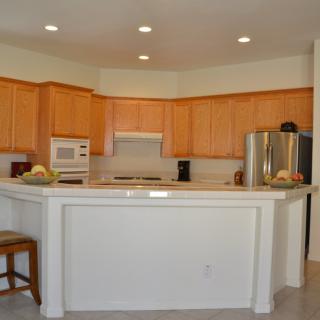
Laylor Care Home For The Elderly
$3,000 to $4,000 / month19.4 miles away -
from -$305 / mo
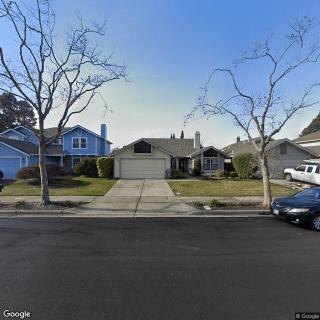
Harbor Bay Assisted Living
$3,195 to $5,000 / month11.0 miles away -
from +$500 / mo
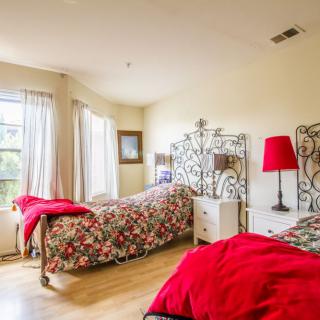
Golden Age Of Channing Way
$4,000 to $5,000 / month11.1 miles away -
About the same
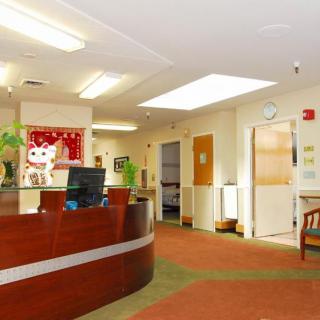
East Bay Assisted Living
$3,500 to $5,000 / month7.4 miles away -
from +$475 / mo
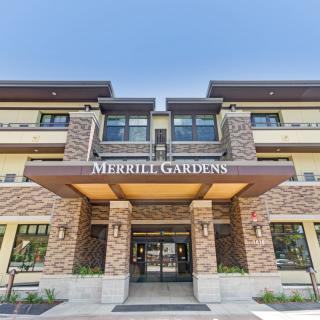
Merrill Gardens at Lafayette
$3,975 to $8,995 / month2.4 miles away
Overall Review of Hidden Valley Care Home
Pros
 The caregivers were compassionate when caring for mom.
- The hospice company offered condolences with a card and a phone call.
- Hidden Valley Care Home was the best fit for his needs.
- The small facility with seven beds and three nurses suggested attentive, personal care.
- The facility was wheelchair accessible and offered a deck and backyard for family visits.
- The meals were amazing and delicious.
- The staff treated residents as people, speaking to them with respect.
Cons
 The management of Hidden Valley provided absolutely no support.
- They waited almost three months and made several phone calls to receive a check owed by the facility.
- All of these residences are expensive.
- Some of the food was not up to the standard.
- There were only seven beds and three nurses, indicating limited staff.
Review
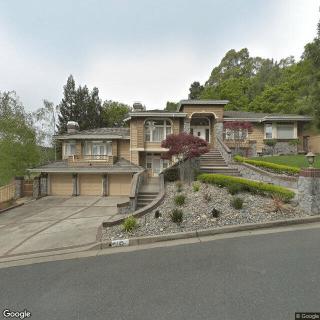
Hidden Valley Care Home in Lafayette is best suited for families seeking a small, home-like setting where attentive, individualized care can still be delivered in a compact footprint. It works best for residents who benefit from a intimate staff-to-resident relationship, where seven beds and a hands-on approach allow caregivers to know the person, not just the condition. The environment supports ease of visitation and daily life that feels personal: wheelchair-accessible spaces, a deck and backyard for family time, and rooms sized to accommodate mobility aids. The tone from frontline staff is consistently humane, residents are spoken to and treated as people first, which matters deeply for anyone prioritizing dignity and personal connection.
Those who may want to consider alternatives include families seeking rock-solid administrative reliability, predictable programming, or a consistently high-standard meal plan every single day. Several reviews highlight a disconnect between care staff and management, with almost no visible leadership engagement and a lengthy delay in a owed reimbursement. For households where timely billing, prompt issue resolution, and a structured activities calendar are non-negotiables, Hidden Valley may fall short. Likewise, for residents with higher acuity needs or for families that prize a robust activity or therapy schedule, a larger community with dedicated program directors could be a better fit.
The strongest pros, compassionate caregivers, a small, intimate setting, and a care philosophy that centers the resident as a person, often offset key drawbacks. In practice, the care staff’s attentiveness shines through in daily interactions and in moments of gratitude after a loved one’s passing. The small scale, coupled with a nurse presence (three nurses for seven beds in one account), supports meaningful monitoring and quick responses when needs change. The physical setup reinforces this: a roomy, wheelchair-friendly layout, floor-to-ceiling windows with greenery, and outdoor access that makes visits and family time feel natural rather than clinical. When meals are good, as reported in several accounts, the home-cooked quality adds a comforting, “home-cooked-for-you” dimension that matters to families evaluating ongoing daily living.
Yet the main cons cannot be dismissed as minor. Management’s limited visibility and the friction around billing create a friction point that can erode trust, especially during emotionally charged transitions. The inconsistency in meals, some days excellent and others not up to the standard described, also tests the perception of value and reliability. Activity programming, though present, is not uniformly evident, and several families report limited engagement beyond essential therapy sessions. Taken together, these gaps can dull the otherwise strong relational advantages and raise questions for any family trying to balance warmth with predictable, comprehensive support.
For decision-making, Hidden Valley serves well when the priority is a person-centered, small-community atmosphere with ready access to caregivers who know the resident’s story. It is less ideal for households where administrative oversight, consistent daily programming, or uniform culinary quality are non-negotiables. Prospective residents should weigh the cost against the value of intimate attention and the ability to keep loved ones in a setting that feels like a home, not a facility. The price signal appears mixed in the reviews, with some noting affordability relative to the setting, and others labeling it expensive for a small residence; clarifying the exact rate and what it covers will be essential before committing.
Practical next steps include arranging direct conversations with staff and, crucially, with a facility manager to gauge whether leadership presence has improved since the accounts reviewed. Request an in-person meal sample, a tour of typical day programs, and a demonstration of the care planning process, how goals are set, tracked, and adjusted. Check references from families with residents at similar care levels and ask pointed questions about billing, problem resolution, and how emergencies are escalated. Assess the outdoor spaces and room layouts in person to confirm accessibility and personal comfort. If the fit is strong on the human side but concerns linger about administration or programming, it may be prudent to explore a backup option that offers the same warmth with a more robust operational framework.
 6 resident community capacity
 Assisted Living
 Board and Care Home
 Memory Care
 Respite Care
 Cable or satellite TV
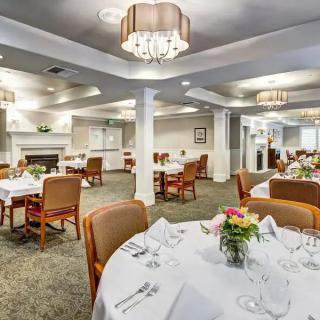
 Dining room
 Fully furnished
 Garden
 Housekeeping services
 Move-in coordination
 Outdoor space
 Private
 Telephone
 Wi-Fi/high-speed internet available
 Metropolitan Oakland International (12 miles away)
 24-hour supervision
 Activities of daily living assistance
 Assistance with bathing
 Assistance with dressing
 Assistance with transfers
 Diabetes diet
 Meal preparation and service
 Medication management
 Special dietary restrictions
 Transportation arrangement (medical)
 Transportation to doctors appointments


 Comprehending Evening Confusion in Dementia: Causes, Manifestations, and Support
 Delirium and Dementia: Unraveling the Key Differences
 Are Dementia and Alzheimer's Disease Lethal? A Comprehensive Exploration