
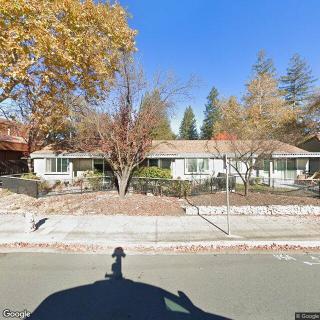
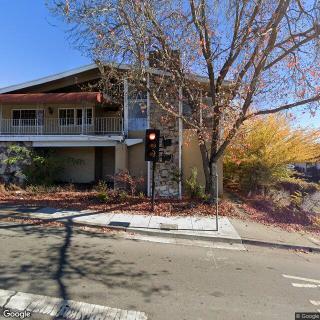
3640 Baker Lane, Lafayette, CA 94549
For more information about senior living options: (866) 208-4318
Overall Review of Lafayette Care Home
Pros
 Linda Kurihara and her staff provide highly personalized care.
- Families cannot imagine their loved ones spending the end of life anywhere else.
- The care is attentive and consistently provided around the clock, ensuring residents are well cared for at all times.
- The home features beautiful landscaping and flowers, fresh home-grown organic vegetables, and a focus on healthy eating.
- Personalized attention to detail makes this home an absolute hidden gem.
Review
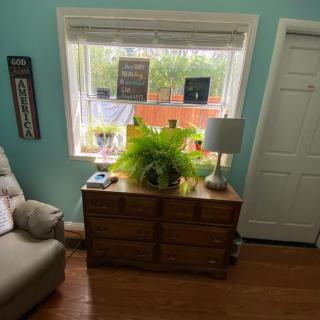
Lafayette Care Home is best suited for families seeking a small, intimate, home-like environment where an elderly loved one can receive exceptionally personalized care. The setting emphasizes warmth, consistency, and close relationships with caregivers who know residents well and adjust daily routines to individual needs. The standout strength is the hands-on leadership of Linda Kurihara and a tight-knit staff who deliver attentive, around-the-clock care in a way that feels more like a cared-for relative than a resident of a larger institution. For families prioritizing dignity, comfort, and nutrition, this facility offers a level of personalized attention that is rare in many traditional assisted living settings.
Those who should consider alternatives are families whose priorities extend beyond personal attention to include a broader array of clinical services or a busier social calendar. If a resident requires frequent on-site medical oversight, regular rehabilitation therapies, or a robust activities program with structured outings, a larger community with dedicated medical staff and more formal programming may be a better match. Additionally, families seeking extensive on-site specialists, regular transportation scheduling, or a more visible, busy community life might find the intimate size of this home limiting. In short, Lafayette Care Home excels in relational care but may fall short for those with high demands for clinical depth and social breadth.
The core strengths, unmatched personalization, constant visibility of caregivers, and meticulous attention to detail, are what elevate this home above many peers. Care feels continuous and seamless because staff stay close at hand, observing nuanced changes in mood, appetite, or comfort and adjusting care plans promptly. Nutrition stands out as well, with a philosophy centered on fresh ingredients and healthy eating that resonates in meals and daily menus. The landscape, with its flowers and tended spaces, contributes to a tranquil atmosphere that supports calm daily living and reduces stress for residents who value a serene, homelike setting. In practice, these factors translate into fewer missteps, quicker reassurance during difficult moments, and a stronger sense of security for families.
Those advantages, while compelling, do not fully negate the potential gaps inherent in a smaller home. The intimate scale can translate into limited on-site medical resources, fewer formal rehabilitation options, and a quieter social calendar than larger facilities offer. Prospective residents should verify the availability of a physician or nurse on site, access to therapy services, and the ease with which external providers can be coordinated. Families should also consider how the home handles emergencies, medication management, and transportation to appointments. When alignment exists between the resident’s temperament and the home’s quiet, relationship-driven model, these trade-offs become a manageable, acceptable balance.
Prospective residents and their families will want to probe practical details before committing. Clarify how individualized care plans are developed, updated, and communicated to family members; confirm dietary accommodations for any restrictions; and assess the flexibility of daily routines around medical appointments or personal preferences. Tour the outdoor spaces and meal preparation areas to gauge whether the environment truly supports ongoing wellness and comfort. Ask about staff-to-resident ratios during day and night shifts, and seek examples of how staff respond to common end-of-life or chronic-care scenarios. These checks help ensure the profile of care matches expectations and needs.
In summary, Lafayette Care Home delivers a rare, high-touch, home-based care experience that shines in companionship, attention to nutrition, and a peaceful living environment. It is an excellent fit for families prioritizing trust, connected caregiving, and a dignified, personalized approach to daily living and end-of-life comfort. Those seeking a more medically intensive or socially expansive setting should consider alternatives with larger staffs and broader programming. For the right resident, a visit will reveal a genuine “hidden gem” quality, a place where care feels deeply personal and consistently reliable, with a staff culture that treats every resident as family.
 6 resident community capacity
 Assisted Living
 Board and Care Home
 Respite Care
 Cable or satellite TV
 Dining room
 Fully furnished
 Garden
 Housekeeping services
 Move-in coordination
 Outdoor space
 Telephone
 Wi-Fi/high-speed internet available
 Metropolitan Oakland International (13 miles away)
 24-hour supervision
 Activities of daily living assistance
 Assistance with bathing
 Assistance with dressing
 Assistance with transfers
 Diabetes diet
 Meal preparation and service
 Medication management
 Special dietary restrictions
 Transportation arrangement (medical)
 Transportation to doctors appointments


 Medicare Coverage for Assisted Living: An In-Depth Exploration
 Choosing the Right Senior Care: A Detailed Exploration of Assisted Living and Nursing Homes
 Understanding the True Cost of Assisted Living in 2025: A Comprehensive Guide