
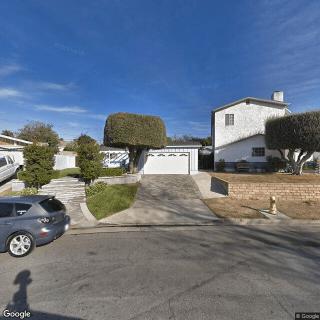
14812 La Fonda Drive, La Mirada, CA 90638
For more information about senior living options: (866) 208-4318
Overall Review of Good Shepherd Home
Pros
 The Good Shepherd team delivered phenomenal service for homecare.
- The family truly appreciated every effort to provide their loved one with peace of mind and comfortable care.
- They highly recommend the Good Shepherd team to work with.
- The management and team earned the highest praise, feeling like having friends in the medical field.
- The personal service and care were outstanding, with staff consistently going above and beyond for clients.
Cons
 The ring was gone.
- Lara did not call after the visit.
- Lara was the only one in the unit that day, suggesting she may be responsible for the missing ring.
- May Lara live with her conscience.
- The reviewer implies Lara’s family must be proud of her.
Review
Good Shepherd Home in La Mirada is best suited for families seeking highly personalized, at-home-style care where staff are highly accessible, genuinely attentive, and willing to go the extra mile to keep a loved one comfortable and at ease. The strongest value lies in a hands-on approach: caregivers who feel like trusted partners, not faceless vendors, and a management team that appears consistently responsive and involved. This environment works well for seniors who prefer intimate, relationship-driven support, frequent check-ins, and a sense of companionship woven into daily routines. For families wanting a small, close-knit care experience with strong personal chemistry, this provider delivers with notable warmth and reliability in day-to-day interactions.
However, potential clients should consider alternatives if a more formal, facility-based setting is needed. The model here hinges on a smaller footprint and direct caregiver-family relationships, which may not suit those requiring rigid, campus-style supervision, on-site medical oversight, or highly standardized operations. For families prioritizing a clearly defined chain of command, extensive credentialing documentation, or a larger infrastructure with more scalable staffing, exploring larger assisted living communities or skilled nursing facilities could provide greater structure and assurance. In other words, the fit hinges on whether intimate, responsive care outweighs the pull toward a more traditional, facility-centric model.
The upside is substantial. Notable strengths include personal service that feels almost like extended family involvement, easy access to caregivers, and a reputation for going “out of their way” to support a loved one. When care plans are in place and lines of communication are open, families report a reassuring level of attentiveness and consistency, with management and frontline staff presenting as genuinely invested in the well-being of clients. This translates into tangible peace of mind: quick responses to needs, a sense that someone is always looking out for the person in care, and a relationship that can make daily routines smoother and less stressful for families.
The clear downside is a real tension between intimacy and accountability. One review highlights a contentious incident involving a valuable personal item and questions the reliability of a specific staff member's actions. That kind of allegation cannot be dismissed lightly, and it underscores the need for rigorous safeguarding, transparent incident reporting, and robust internal controls. In practical terms, this means prospective families should demand concrete policies on valuables handling, secure storage, caregiver screening and supervision, a clear chain of command for issues, and a documented process for addressing complaints. The strongest offset to this risk comes from a track record of consistent, high-quality care and proactive communication, which appears present but must be verified for every prospective placement.
For anyone weighing the choice, concrete steps matter. Ask for a detailed care plan with defined responsibilities, daily schedules, and expected response times. Request current caregiver qualifications, a back-up staffing plan, and a policy on substitutions so coverage remains steady during vacations or illness. Insist on a written incident-report protocol, a process for addressing concerns, and a transparent fee structure with plain language terms. If possible, arrange a trial period to observe how staff interact with the loved one, how concerns are handled, and whether the promised level of attentiveness translates into everyday practice. Family members should also meet with management to gauge accessibility and responsiveness beyond episodic visits.
In the end, Good Shepherd Home presents a compelling option for families prioritizing warmth, accessibility, and strong personal ties in care. It delivers what many seek: a reassuring, neighborly atmosphere where caregivers feel like trusted companions, and management appears highly engaged in daily operations. Yet the boundary between intimate, homey care and formal accountability must be navigated with diligence. If the expectations align, clear policies, vigilant safeguarding, and a proven, responsive team, this community can offer indispensable support for maintaining comfort and dignity at home. For those who need more formal oversight or broader facility-level resources, it is prudent to compare against alternatives before committing.
 6 resident community capacity
 Assisted Living
 Board and Care Home
 Cable or satellite TV
 Dining room
 Fully furnished
 Garden
 Housekeeping services
 Move-in coordination
 Outdoor space
 Telephone
 Wi-Fi/high-speed internet available
 Long Beach (Daugherty) (10 miles away)
 24-hour supervision
 Activities of daily living assistance
 Assistance with bathing
 Assistance with dressing
 Assistance with transfers
 Diabetes diet
 Meal preparation and service
 Medication management
 Special dietary restrictions
 Transportation arrangement (medical)
 Transportation to doctors appointments




 Comprehensive Supportive Living Arrangements for Adults with Disabilities
 Funding and Affording Assisted Living: A Thorough Overview
 Assisted Living Expenses and Long-Term Care Insurance: A Comprehensive Exploration