
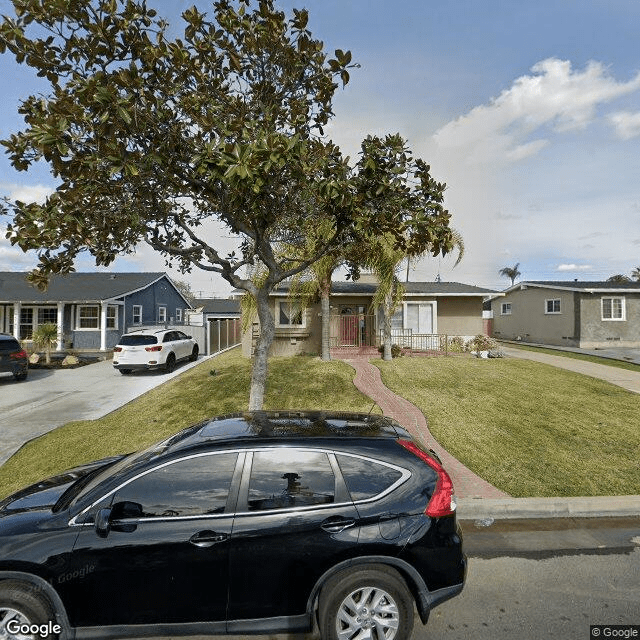
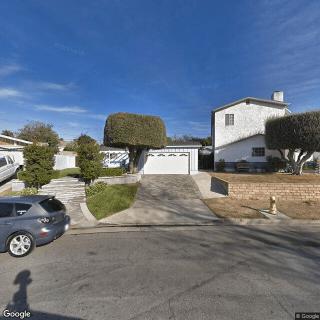
15203 Alondra Boulevard, La Mirada, CA 90638
For more information about senior living options: (866) 208-4318
Alondra Manor Home Costs & Pricing
Alondra Manor Home offers competitive pricing for its services compared to both Orange County and the broader state of California. For those seeking semi-private accommodations, Alondra Manor charges $3,000 per month, which is notably lower than the county average of $3,431 and the state average of $3,333. Additionally, for private rooms and studio options, Alondra Manor's rates of $3,800 align closely with or fall below regional averages; the county's typical charge is $4,104 for private rooms and $4,313 for studios while California's averages are slightly higher at $3,939 and $4,145 respectively. Overall, Alondra Manor Home presents an appealing financial option for families considering care resources in a cost-sensitive environment.
| Floor plans | Alondra Manor Home | Orange County | California |
|---|---|---|---|
| Semi-Private | $3,000 | $3,431 | $3,333 |
| Private | $3,800 | $4,104 | $3,939 |
| Studio | $3,800 | $4,313 | $4,145 |
Memory care communities with a similar price nearby
-
from +$500 / mo
Kind Heart Home Care VI
$3,500 to $5,000 / month17.8 miles away -
from -$200 / mo
Candlewood Care Home III
$2,800 to $3,400 / month15.5 miles away -
from -$200 / mo
Leah Loving Elderly Care
$2,800 to $3,000 / month12.7 miles away -
from -$300 / mo
Loving Care Senior Home
$2,700 to $3,500 / month13.6 miles away -
from +$500 / mo
Comfort Keepers Home Care
$3,500 to $6,500 / month7.0 miles away
Overall Review of Alondra Manor Home
Pros
 The home is very clean and the staff are attentive.
- John and Diana are awesome.
- They sat and talked with the dad, sang with him, and showed genuine concern for him.
- Their hospice nurse is awesome and shows up quickly when needed.
- It is a fantastic place offering great, friendly, consistent, honest, loving care for elderly people.
- Diana and John are the caregivers at La Mirada Villa.
Cons
 The staff's response was delivered with attitude.
- If they talk to people they don't know like that, one could imagine how they talk to patients and others.
- The owner needs to work on her customer service skills.
Review
Alondra Manor Home in La Mirada is best suited for families seeking an intimate, hands-on care environment where a few dedicated caregivers can form genuine connections with a resident and where cleanliness and a home-like atmosphere are evident. It serves best for those who value personal interactions, consistent daily attention, and a quick, responsive approach to ancillary support such as hospice visits. This community is less ideal for families that insist on a uniformly polished administrative front and a consistently upbeat, highly professional intake experience from the first phone call. If a flawless initial impression from the office is non-negotiable, alternative options with stronger front-desk protocol may be a better fit.
On the positive side, the core appeal rests with a clean, well-kept setting and a caregiving staff that appears attentive and genuinely invested. Reviewers highlight caregivers who sit with residents, engage in conversation, sing, and demonstrate a real concern for the resident’s well-being. The staff members named, John and Diana, are singled out for their warmth and reliability, delivering a level of consistency that can translate into meaningful day-to-day quality of life for an elderly person. The presence of a hospice nurse who responds promptly further strengthens the care framework, signaling a coordination of medical and personal support that can ease families’ worries when end-of-life or comfort-focused services are involved.
However, a significant caution comes from the administrative side. One account describes an initial contact with a sharp, dismissive tone, an attitude that, if representative, raises red flags about how inquiries are handled and how information is conveyed at the outset. This is not a minor annoyance; it touches the trust families place in a potential partner at a rocky, emotional time. In addition, another reviewer notes that the owner’s customer-service skills need work even though the caregivers themselves are not at fault. Taken together, these points suggest a potential friction between the care team’s warmth and the administrative experience a family may encounter during planning and onboarding.
Despite the administrative blemish, the caregiving strengths can significantly offset the downsides for families who prioritize personal contact and daily attentiveness. The ability to connect with residents on a social level, sharing conversation, music, and visible concern, can be the deciding factor for a resident who thrives on companionship and human interaction. When a hospice nurse is readily available and responsive, it adds a practical layer of reassurance that medical needs will be addressed in coordination with daily care. For families who can work through a less polished intake process, the lived experience of care appears to deliver substantial value.
For families evaluating options, a clear way forward is to observe how the community functions in real time. Schedule a visit and engage directly with caregivers to assess whether the warmth you hear about from current residents and families translates into daily routines and incident handling. Probe for specifics on how communications are managed after intake, who the direct point of contact is for questions, and how emergencies or hospitalizations are coordinated. Ask about daily schedules, social activities, and how individual care plans are tailored. Such diligence helps determine whether the undeniable caregiver strengths align with the practical needs of the resident and the family’s expectations for administrative coordination.
Bottom line: Alondra Manor Home is a compelling choice for families seeking intimate, engaging daily care delivered by committed caregivers, plus reliable hospice integration when needed. It is a strong option for residents who benefit from personal attention, steady staff interactions, and a clean, homelike environment. It is less ideal for those who require a consistently smooth administrative experience, especially at initial contact, or for families who cannot tolerate even a hint of blunt communication from leadership. In the right match, the strengths outweigh the shortcomings, but a frank, in-person assessment of both the care team and the front office will determine whether this community is the best continued home for a loved one.
 6 resident community capacity
 Assisted Living
 Board and Care Home
 Memory Care
 Respite Care
 Cable or satellite TV
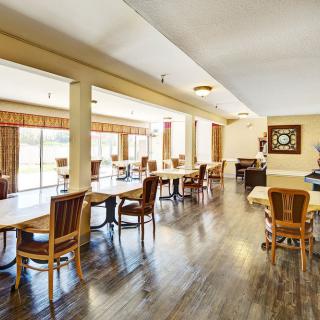
 Dining room
 Fully furnished
 Garden
 Housekeeping services
 Move-in coordination
 Outdoor space
 Private
 Telephone
 Wi-Fi/high-speed internet available
 Long Beach (Daugherty) (10 miles away)
 24-hour supervision
 Activities of daily living assistance
 Assistance with bathing
 Assistance with dressing
 Assistance with transfers
 Diabetes diet
 Diabetic care
 Incontinence care
 Meal preparation and service
 Medication management
 Special dietary restrictions
 Transportation arrangement (medical)
 Transportation to doctors appointments



 Memory Care Pathways: A Holistic Guide to Dementia Support
 Comprehending Evening Confusion in Dementia: Causes, Manifestations, and Support
 Delirium and Dementia: Unraveling the Key Differences