
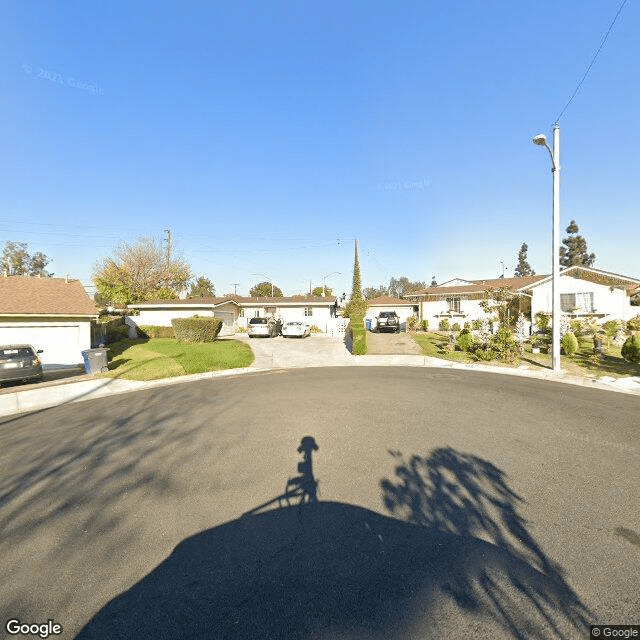
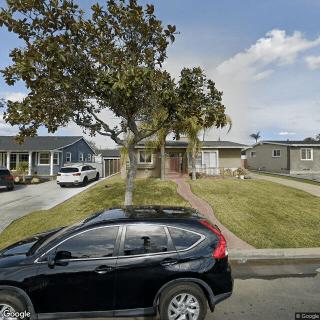
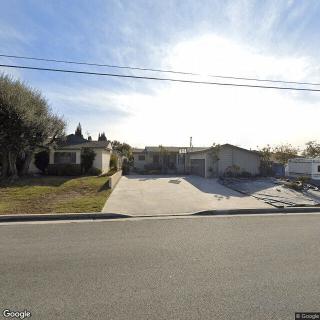
15007 Gara Drive, La Mirada, CA 90638
To contact a resident: (714) 739-5436
For more information about senior living options: (866) 208-4318
La Mirada Villa, Inc Costs & Pricing
La Mirada Villa, Inc. offers competitive pricing for its accommodations compared to the broader market in Orange County and California as a whole. For semi-private rooms, La Mirada Villa charges $2,000 per month, significantly lower than the Orange County average of $3,431 and the state average of $3,333. Similarly, their private rooms are priced at $2,500, which is more affordable than both the local standard of $4,104 and California's average of $3,939. This cost structure positions La Mirada Villa as an appealing choice for those seeking quality care without the prohibitive expenses often associated with similar facilities in the region.
| Floor plans | La Mirada Villa, Inc | Orange County | California |
|---|---|---|---|
| Semi-Private | $2,000 | $3,431 | $3,333 |
| Private | $2,500 | $4,104 | $3,939 |
Memory care communities with a similar price nearby
-
About the same
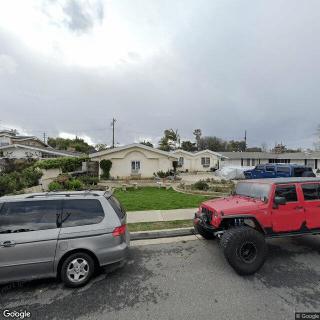
John Villa's Home Care
$2,000 to $3,000 / month17.0 miles away -
from +$300 / mo
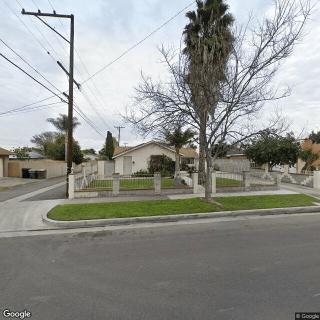
Bronwyn Residential Care
$2,300 to $3,500 / month5.3 miles away -
About the same

House Of Grace
$2,000 to $4,200 / month21.8 miles away -
About the same
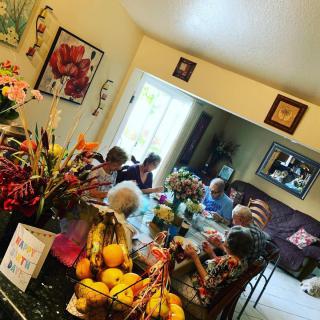
Select Senior Care, LLC
$1,950 to $6,200 / month13.4 miles away -
from -$200 / mo
Gracie's Residential Care
$1,800 to $2,500 / month24.1 miles away
Overall Review of La Mirada Villa, Inc
Pros
 The staff are very clean and attentive.
- John and Diana are awesome.
- The caregivers sit with the dad, talk with him, and sing with him, showing genuine concern.
- The hospice nurse is awesome and shows up quickly when needed.
- It is a fantastic place for elderly care.
- Diana and John provide great, friendly, consistent, honest, and loving care for elderly residents.
Cons
 The staff's response to the call was delivered with attitude.
- The reviewer considered not placing their patient there due to concerns about how staff talk to people they don’t know.
- The owner needs to work on her customer service skills.
Review
La Mirada Villa, Inc. in La Mirada, CA is best suited for families seeking a caregiver-first environment where staff consistently demonstrate warmth, attentiveness, and genuine concern for residents, with hospice coordination that feels integrated rather than tacked on. This community tends to appeal to families who want a homelike setting and who value relationships built with specific caregivers. It is not the right fit for those who require flawless, uniformly friendly front-d desk engagement from the moment of first contact, or for families that place a premium on administrative polish before ever meeting a resident. In short, the core strength lies in hands-on care and personal warmth; the entry experience may not be as consistently smooth.
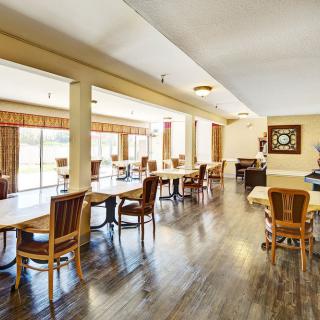
On the strength side, impressions of the facility point to a clean, well-maintained environment where the care staff are perceived as attentive. The caregivers identified as standouts, John and Diana, are repeatedly cited for their connection with residents, willingness to engage in conversations, and genuine concern for well-being. One reviewer described sitting with their loved one, singing together, and feeling that the caregivers treated the elder with real kindness. Such personal engagement, along with a sense that staff are consistently present and involved, creates a caregiving atmosphere that can make a meaningful difference in daily quality of life.
Another clear pro is the quick, responsive hospice involvement noted by families. When medical or palliative needs arise, having a hospice nurse who shows up promptly can alleviate stress for families and ensure that symptom control and comfort are addressed without delay. That level of integration between the home environment and external clinical support is a tangible asset for residents who require coordinated comfort-focused care. In environments where daily reassurance and predictable routines matter, these practical strengths translate into measurable peace of mind for both residents and their loved ones.
Yet, there are tangible cons reflected in the available feedback. The most visible concern centers on the intake experience, where one caller described an attitude-laden response that felt disrespectful and off-putting. That single interaction matters because the first impression often colors perceptions of the entire operation, especially for families already anxious about placement. Another reviewer notes that the owner could improve customer-service skills, even if the comment acknowledges that the owner is not the hands-on caregiver. Taken together, these points suggest potential inconsistencies in how administrative conversations are handled, which could create friction for families starting the placement process.
Those concerns do not erase the advantages, but they do frame a practical balance. The proven strengths, cleanliness, attentive caregiving, authentic staff–resident connections, and rapid hospice involvement, offset the negatives for families who prioritize day-to-day relational care and reliable clinical support over flawless front-desk diplomacy. For families comfortable navigating occasional rough edges in intake conversations, the core experience remains strong: residents who are known, welcomed, and cared for with warmth, and a care team that demonstrates continuity and genuine interest in well-being.
Decision-minded families should approach with a clear plan. If the choice hinges on deeply personal interactions and the reassurance of compassionate caregivers, La Mirada Villa has compelling promise, anchored by Diana and John’s demonstrated strengths. However, if administrative consistency and a uniformly polished first impression are non-negotiable, it is prudent to explore alternatives or to verify during an initial visit how the front office handles inquiries, tours, and ongoing communications. Prospective residents should insist on meeting the caregiving duo, observe how staff engage with residents in real-time, and inquire about caregiver-to-resident ratios, turnover, and the exact processes for coordinating with hospice services. A trial visit can illuminate whether the emotional warmth translates into predictable daily life and whether the administrative tone aligns with family expectations.
 Board and Care Home
 Memory Care
 Private
 Private bathrooms
 Long Beach (Daugherty) (10 miles away)
 Diabetic care



 8 Key Indicators That Suggest It May Be Time to Transition from Assisted Living to Skilled Nursing Care
 Nourishing the Mind: Essential Dietary Approaches for Dementia
 Understanding Dementia Behaviors: Practical Insights and Strategies for Caregivers