
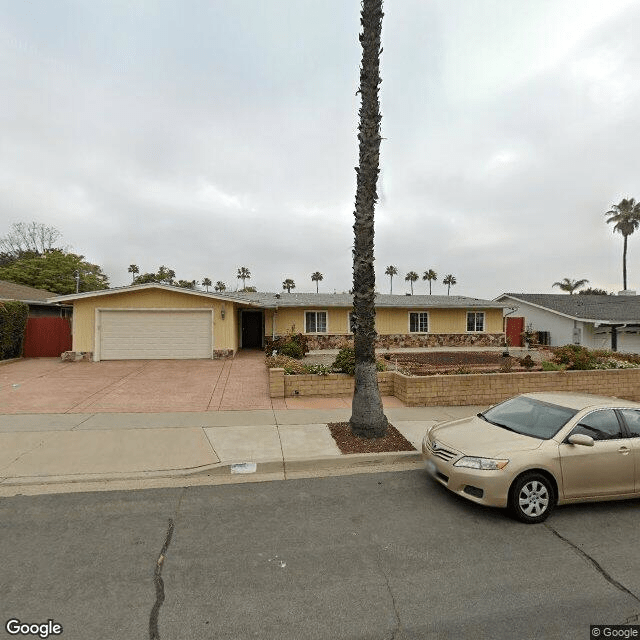
9412 Hilmer Drive, La Mesa, CA 91942
For more information about senior living options: (866) 208-4318
Anshin Home Care Costs & Pricing
Anshin Home Care offers competitive pricing for its services compared to the broader market in San Diego County and across California. For a semi-private room, Anshin charges $3,000 per month, which is notably lower than both the county average of $3,518 and the statewide average of $3,333. This positions Anshin as an appealing option for those seeking quality care without excessive costs. Similarly, for private rooms, Anshin's rate of $4,000 aligns with the county's average but remains higher than the state's overall price point of $3,939. Overall, Anshin Home Care provides valuable services at rates that reflect both affordability and quality within the competitive landscape of senior care facilities.
| Floor plans | Anshin Home Care | San Diego County | California |
|---|---|---|---|
| Semi-Private | $3,000 | $3,518 | $3,333 |
| Private | $4,000 | $3,939 | $3,939 |
Assisted Living communities with a similar price nearby
-
from -$150 / mo
Alpine View Lodge
$2,850 to $3,550 / month12.2 miles away -
from +$200 / mo

Wellspring Assisted Living
$3,200 to $4,000 / month1.6 miles away -
from +$500 / mo

Ramona Senior Lodge Assisted Living
$3,500 to $5,500 / month16.0 miles away -
About the same
White Orchid Guest Home
$3,000 to $3,500 / month23.7 miles away -
from +$500 / mo
Serra Mesa Guests Home III
$3,500 to $4,000 / month7.8 miles away
Overall Review of Anshin Home Care
Pros
 Anshin Home Care has been a great solution for families.
- The facility is open and airy, and the staff are very friendly.
- The facility is always very clean, and there are no odors.
- The staff are accommodating and helpful, and they seem to be doing an excellent job at taking care of residents.
- The home is small, allowing for personalized care and attention for residents.
- Residents look happy and healthy in the facility.
Cons
 Residents are not kept clean.
- Clothing changes for residents are infrequent.
- There is a limited food supply and limited nutritional variety for residents.
- There are only two caretakers.
- One caregiver wears earbuds and cannot hear if a resident has a problem.
- Caregivers pretend there is a language barrier to avoid communicating with family concerns.
- There is no interaction with residents.
- Residents are simply parked in front of a TV.
- The facility is inexpensive relative to others, but it is not recommended to place a loved one there.
- One of the caretakers is rude and difficult to work with.
- Two barking dogs greet visitors at the door, and the place does not smell good.
Review
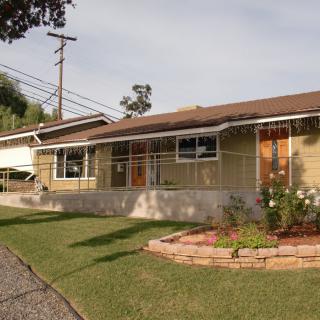
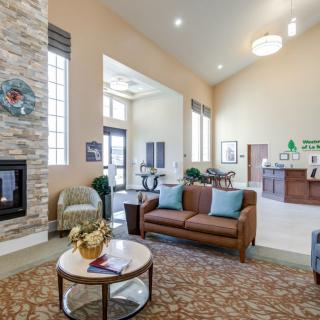
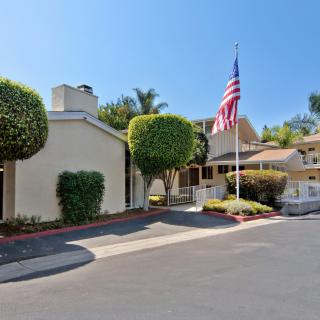
Anshin Home Care in La Mesa is best suited for families seeking a small, home-like setting where care feels personal, attentive, and culturally accessible. Residents who enjoy a simple routine, watching television, sharing a dining table, or stepping outdoors for fresh air, tend to do well here, especially when companionship comes from a close-knit staff rather than a large activity calendar. The open, airy layout and generally clean interiors contribute to a calm environment that can feel safer for seniors who resist institutional vibes. A clear strength is the facility’s capacity to accommodate language preferences, which can be a lifeline for families trying to maintain comfort and continuity in daily care.
However, options here may not fit every senior’s needs. Those requiring intensive daily assistance, frequent mobility support, or reliable transportation to appointments may find the staffing model lean. Reports of limited meals and nutrition variety, and occasional gaps in routine tasks like clothing changes, signal that this is not a place to expect a robust nutrition program or a bustling activity schedule. The small team, sometimes two caregivers per shift, can stretch thin during busy periods, potentially reducing interaction and oversight. Prospective families should also weigh concerns about odor or cleanliness indicators and, in some reviews, communication barriers that appear to be used to dodge questions.
On the positives, the small footprint translates into genuine attentiveness. The staff and owners are described as friendly, accommodating, and respectful, with residents able to stay indoors or enjoy outdoor time as desired. Cleanliness is repeatedly noted, with kitchens stocked with fresh fruit and a general sense of a tidy home. For families with a resident who speaks a language other than English, the ability to find staff who communicate in that language is a meaningful improvement over more impersonal settings. The home atmosphere, coupled with the residents’ ability to engage in light activities, often translates into a sense of well-being that families value.
Yet several threads run counter to those strengths. The same intimate size that enables close attention can also lead to limited social interaction and fewer enrichment options beyond TV time. Some residents are described as spending long stretches in bed, which raises questions about activity levels and engagement. Mixed impressions also extend to practical factors: occasional odor concerns for some visits, and at least one report of a challenging encounter with staff communication. Room configurations vary, with private rooms available but some layouts lacking a private bathroom, and accents among staff can pose understandable barriers for families seeking seamless clarity and reassurance.
To navigate these nuances, families should anchor decisions in a few practical questions. If independence with light oversight is the goal and the resident values a calm, home-like setting, arrange a visit to observe daily rhythms, cleanliness, and the staff’s responsiveness to calls. If transportation or a structured activity plan is essential, discuss options for outings or third-party arrangements and verify what is feasible within the facility’s model. Directly inquire about staffing ratios, language capabilities, and the availability of a private bathroom in the preferred room. It also makes sense to review meals for variety and alignment with dietary needs, and to observe how mealtimes and routine care are actually carried out on a typical day.
Bottom line: Anshin Home Care offers a warm, intimate alternative to larger facilities, with clean spaces, friendly staff, and language accessibility that can make a real difference for families navigating care decisions. For residents who thrive in a compact, home-like setting and do not require heavy daily care or a full slate of structured activities, the advantages can outweigh the drawbacks when paired with diligent due diligence during a visit. For those needing robust daily assistance, dependable transportation, or a more expansive menu of engaging options, consider alternatives, larger communities with deeper staffing and activity programs may better meet those expectations. The deciding factor lies in aligning the resident’s day-to-day needs with the realities of staffing, programming, and privacy during a trial visit and set of conversations with the owners.
 6 resident community capacity
 Assisted Living
 Board and Care Home
 Respite Care
 Cable or satellite TV
 Dining room
 Fully furnished
 Garden
 Housekeeping services
 Move-in coordination
 Outdoor space
 Private
 Telephone
 Wi-Fi/high-speed internet available
 San Diego International-Lindbergh (12 miles away)
 24-hour supervision
 Activities of daily living assistance
 Ambulatory care
 Assistance with bathing
 Assistance with dressing
 Assistance with transfers
 Diabetes diet
 Diabetic care
 Incontinence care
 Meal preparation and service
 Medication management
 Special dietary restrictions
 Transportation arrangement (medical)
 Transportation to doctors appointments

 Understanding Medicaid Coverage for Assisted Living: A Comprehensive Guide
 How and When Medicaid May Cover Assisted Living Costs
 A Detailed Exploration of Assisted Living Medicaid Waivers Across the United States