
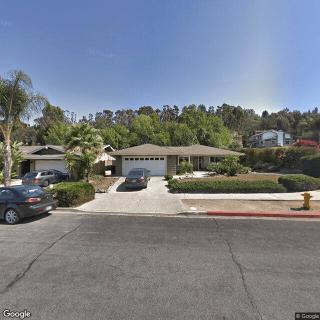
9112 Wakarusa Street, La Mesa, CA 91942
For more information about senior living options: (866) 208-4318
Overall Review of Renaissance Living
Pros
 The facility's proximity to the reviewers' location was a positive factor in choosing it.
- Cleanliness is good.
- The meals are all homemade.
- The number of residents there was a positive factor in their decision.
Cons
 The care aspect is only adequate.
- It is really hard to find a place that will provide extra care.
Review
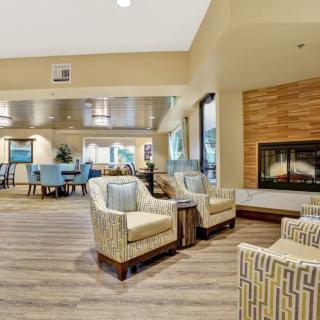
Renaissance Living in La Mesa is best suited for seniors who want a compact, home-like residential care setting and place a premium on location and daily familiarity. This community works well for families seeking proximity to their own homes and for residents who prefer a smaller, less institutional atmosphere where staff and neighbors form steady routines. The environment supports a predictable daily life with reliable cleanliness and home-style meals. For those who are comfortable with a basic level of care rather than intensive medical support, Renaissance Living offers a manageable option that keeps everyday life smooth without the feel of a large campus.
Those considering this option should explicitly note who may want alternatives. If the priority is highly customized care, aggressive dementia programming, or access to a broad activity calendar, this may not satisfy. Families hoping for extensive therapies, frequent personal care beyond routine tasks, or a wide array of on-site amenities could find the scope too limited. For residents who require more robust transportation options, stronger rehab services, or specialized medical management, exploring larger or more specialized communities could deliver better alignment with evolving needs.
The strongest positives are practical and tangible. Proximity to family establishments lower logistical friction and makes regular visits easier, a meaningful factor in ongoing care planning. The community appears to maintain a modest, workable resident count that supports social interaction without the overwhelm of a large facility. Cleanliness is described as solid, and meals are homemade, lending a comforting, homestyle vibe that many families value as part of daily quality of life. Taken together, these elements create a stable, easy-to-manage backdrop for seniors who thrive on routine and familiar surroundings.
The principal drawback centers on care intensity and flexibility. Care is described as adequate rather than exceptional, with limited capacity for “extras” or personalized accommodations beyond standard tasks. That difference matters for families needing tailored reminders, flexible staffing to fit uncommon routines, or on-demand assistance for evolving needs. On the other hand, the dependable structure, familiar routines, and home-like dining can offset some expectations of high-touch care, particularly for residents who are reasonably independent but still require steady oversight and companionship. In short, it delivers steady daily life, not a premium, high-activity care model.
For families evaluating Renaissance Living, practical due diligence is essential. Key questions should cover staffing levels on evenings and weekends, how personal care plans are tracked and updated, and whether dietary preferences and restrictions can be accommodated within the menu. Clarify the process for adding or modifying tasks beyond the standard care package, and probe the range and frequency of on-site activities and outings. Understand transportation arrangements, and examine fee structures for any additional services or care surcharges. Request a sample menu, and if possible, arrange a short trial period to observe routines, meals, and staff responsiveness firsthand.
Overall, Renaissance Living represents a solid, sensible option for seniors who prize proximity, a homelike atmosphere, and dependable daily care delivered in a clean, comfortable setting. It is a practical fit when the goal is reliable routine, amicable social contact, and meals that feel like home. Yet for families facing growing care demands, mobility challenges, or the need for highly personalized programming, alternatives with deeper intensity, broader amenities, and more flexible care models should be actively compared. The right decision rests on aligning care expectations with the facility’s steady strengths and acknowledging where that balance inevitably shifts toward other communities.
 6 resident community capacity
 Assisted Living
 Board and Care Home
 Cable or satellite TV
 Dining room
 Fully furnished
 Garden
 Housekeeping services
 Move-in coordination
 Outdoor space
 Telephone
 Wi-Fi/high-speed internet available
 San Diego International-Lindbergh (11 miles away)
 24-hour supervision
 Activities of daily living assistance
 Assistance with bathing
 Assistance with dressing
 Assistance with transfers
 Diabetes diet
 Meal preparation and service
 Medication management
 Special dietary restrictions
 Transportation arrangement (medical)
 Transportation to doctors appointments



 Understanding Medicaid Coverage for Assisted Living: A Comprehensive Guide
 How and When Medicaid May Cover Assisted Living Costs
 A Detailed Exploration of Assisted Living Medicaid Waivers Across the United States