
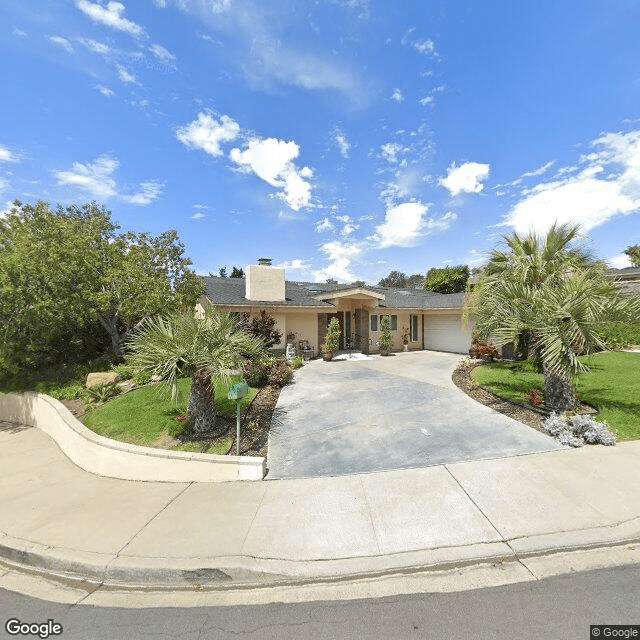
5426 Avenida Fiesta, La Jolla, CA 92037
For more information about senior living options: (866) 208-4318
La Jolla Casa Fiesta Costs & Pricing
La Jolla Casa Fiesta offers a range of accommodations that reflect its premium positioning within the San Diego region. For a semi-private room, residents can expect to pay $5,200 per month, which is significantly higher than the average cost of $3,518 in San Diego County and $3,333 across California. Similarly, the monthly fee for a studio room at La Jolla Casa Fiesta stands at $6,100, compared to $4,217 countywide and $4,145 statewide. The private rooms also carry this elevated price point at $6,100 each month - equaling the studio rate but notably surpassing the county and state averages of $3,939. Overall, these figures suggest that La Jolla Casa Fiesta caters to those seeking specialized care or amenities typically associated with higher-end facilities.
| Floor plans | La Jolla Casa Fiesta | San Diego County | California |
|---|---|---|---|
| Semi-Private | $5,200 | $3,518 | $3,333 |
| Studio | $6,100 | $4,217 | $4,145 |
| Private | $6,100 | $3,939 | $3,939 |
Memory care communities with a similar price nearby
-
from +$300 / mo
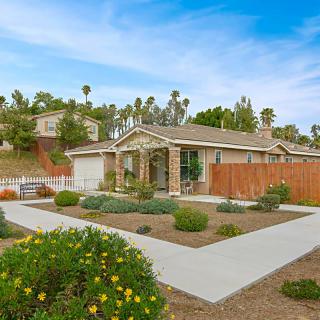
Splendor Valley
$5,500 / month21.0 miles away -
from -$650 / mo

Champine Manor
$4,550 / month23.7 miles away -
from -$700 / mo

La Costa Elder Care
$4,500 to $5,000 / month20.0 miles away -
from -$905 / mo
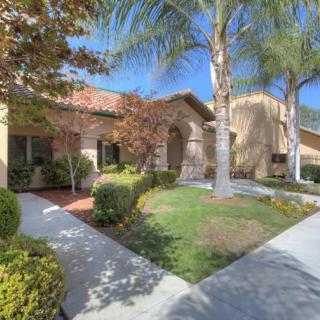
Summerfield of Encinitas Memory Care
$4,295 to $4,895 / month14.6 miles away -
from -$250 / mo

Stellar Care
$4,950 / month9.8 miles away
Overall Review of La Jolla Casa Fiesta
Pros
 The caregivers are compassionate, attentive, and consistently go above and beyond to ensure residents feel valued and supported.
- Gus and Jennifer are kind, knowledgeable, professional, and deeply dedicated to high-quality care.
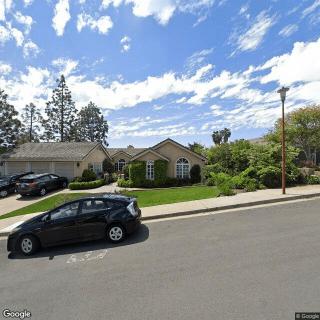
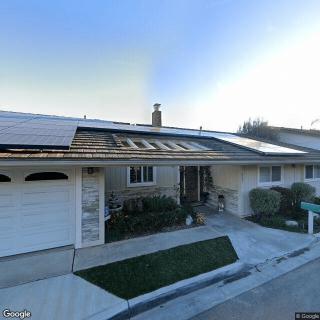
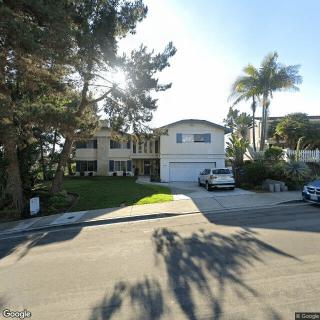
- The facilities are spotless, well-maintained, and located in a warm, welcoming neighborhood with beautiful views.
- The staff maintain excellent communication, making transitions smooth and reassuring for families.
- Residents enjoy a home-like environment with nutritious home-cooked meals and engaging activities.
- Families report that the care homes provide dignified, personalized care in a nurturing atmosphere.
Cons
 An assigned caretaker abandoned the patient, who could not be left alone, in the middle of the night.
- They refused to send a new caretaker until the next shift seven hours later.
- They claimed they had no responsibility to the patient.
- Calls were ignored unless made from a phone number they did not recognize.
- There was no accountability for their behavior.
- They left the patient in a dangerous situation.
Review
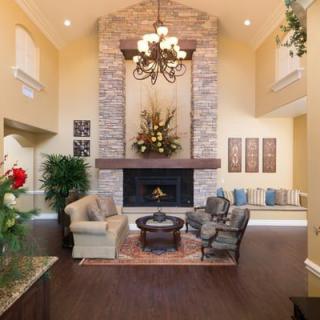
La Jolla Casa Fiesta, operating as La Jolla Senior Care Homes, is best suited for families seeking a small, home-like environment where residents receive highly personalized attention, warmth, and dignity. The community is led by owners Gus and Jennifer, whose healthcare backgrounds shape a hands-on, hands-on approach that feels intimate rather than institutional. It appeals to seniors who value a nurturing, family-style atmosphere, where staff know residents well, routines stay predictable, and social interaction is encouraged in a setting with open sightlines, natural light, and lovely views. In short, this configuration works for those who want quality, consistent care within a gracefully designed, residential home.
Those who may want to consider alternatives include families needing relentless, 24/7 nursing oversight or specialized memory-care programming for advanced dementia. The most demanding safety or monitoring needs, where every hour requires immediate, formal clinical intervention, are better served by larger facilities with dedicated memory wings or hospital-affiliated networks. Additionally, if accountability mechanisms and standardized incident response are non-negotiable, a family that prioritizes a more formal corporate structure or a facility with greater scale might find a more comfortable fit elsewhere. The key is clear expectations about staffing coverage, emergency escalation, and measurable service guarantees.
The strongest positives here are the living environment and the caregiving culture. The homes are described as pristine, thoughtfully maintained, and located in a neighborhood with welcoming views and a warm ambiance. Caregivers are repeatedly praised as compassionate, attentive, and genuinely invested in residents' well-being, with many reviewers emphasizing that staff feel like part of a “house family.” The owners’ direct involvement, healthcare background, and proactive communication earn consistent trust from hospice professionals and families alike, reinforcing a sense that residents are understood and valued. Additional strengths include practical supports such as a pharmacy plan coordinated by the team, opportunities for socialization through on-site activities, and home-cooked meals that honor individual needs and preferences. The setting itself, light-filled common areas, accessible outdoor spaces, and an easygoing, homey rhythm, supports self-direction and meaningful connection.
The most serious red flag in the gathered experiences is a single report describing an assigned caretaker abandoning a vulnerable resident during the night and a delayed replacement, coupled with reported communication gaps and questions about accountability. That incident cannot be dismissed, and it underscores the need for robust oversight, clear escalation paths, and strict staffing coverage policies. Prospective families should probe into how the home manages caregiver backup, incident reporting, background checks, and continuous supervision of shifts. Asking for concrete examples of how emergencies are handled, how quickly a family is notified, and how staff are trained to maintain safety can help determine whether the operation’s safeguards meet personal comfort levels.
When weighing pros against the notable con, the balance tips toward an exceptionally supportive care culture and a highly livable setting. The owner-operated model, consistent staffing over extended periods in some cases, and a demonstrated commitment to dignity and social engagement create a compelling case for families who prioritize intimate attention, reliability, and easy communication. The setting’s beauty and the caregivers’ warmth help offset the natural risks of a smaller, non-nursing environment, provided that families conduct due diligence on staffing policies and accountability measures ahead of move-in. Those who accept a bit of risk in return for personalization will likely find La Jolla Casa Fiesta a standout option among intimate residential care homes.
For families ready to pursue this path, practical next steps are essential. Schedule time to meet Gus, Jennifer, and the caregiving team, and observe a typical day to gauge interactions, responsiveness, and how residents are encouraged to participate in daily life. Inquire specifically about shift coverage, backup staffing, incident escalation, and how care plans are updated and communicated. Request recent references from families with residents at similar care levels, and ask to see examples of a resident’s weekly schedule, meal plans, and activity calendar. If outcomes that blend warmth with accountability align with expectations, La Jolla Casa Fiesta becomes a well-calibrated choice for a loved one who wants to thrive in a home setting that treats every resident like family.
 6 resident community capacity
 Assisted Living
 Board and Care Home
 Memory Care
 Activities off-site
 Cable or satellite TV
 Dining room
 Fully furnished
 Garden
 Housekeeping services
 Indoor common areas
 Move-in coordination
 Outdoor common areas
 Private
 Telephone
 Wheelchair accessible showers
 Wi-Fi/high-speed internet available
 San Diego International-Lindbergh (6 miles away)
 24-hour supervision
 Ambulatory care
 Assistance with bathing
 Assistance with dressing
 Assistance with transfers
 Diabetes diet
 Diabetic care
 Incontinence care
 Meal preparation and service
 Medication management
 Special dietary restrictions
 Transportation arrangement (medical)
 Transportation to doctors appointments

 Delving into the Inner World of Dementia: Insights into Thoughts and Awareness
 Five Subtle Dementia Indicators to Observe: An In-Depth Guide to Understanding “Does My Mom Have Dementia?”
 Dementia, Paranoia, and Caregiver Guidance: Understanding the Connection