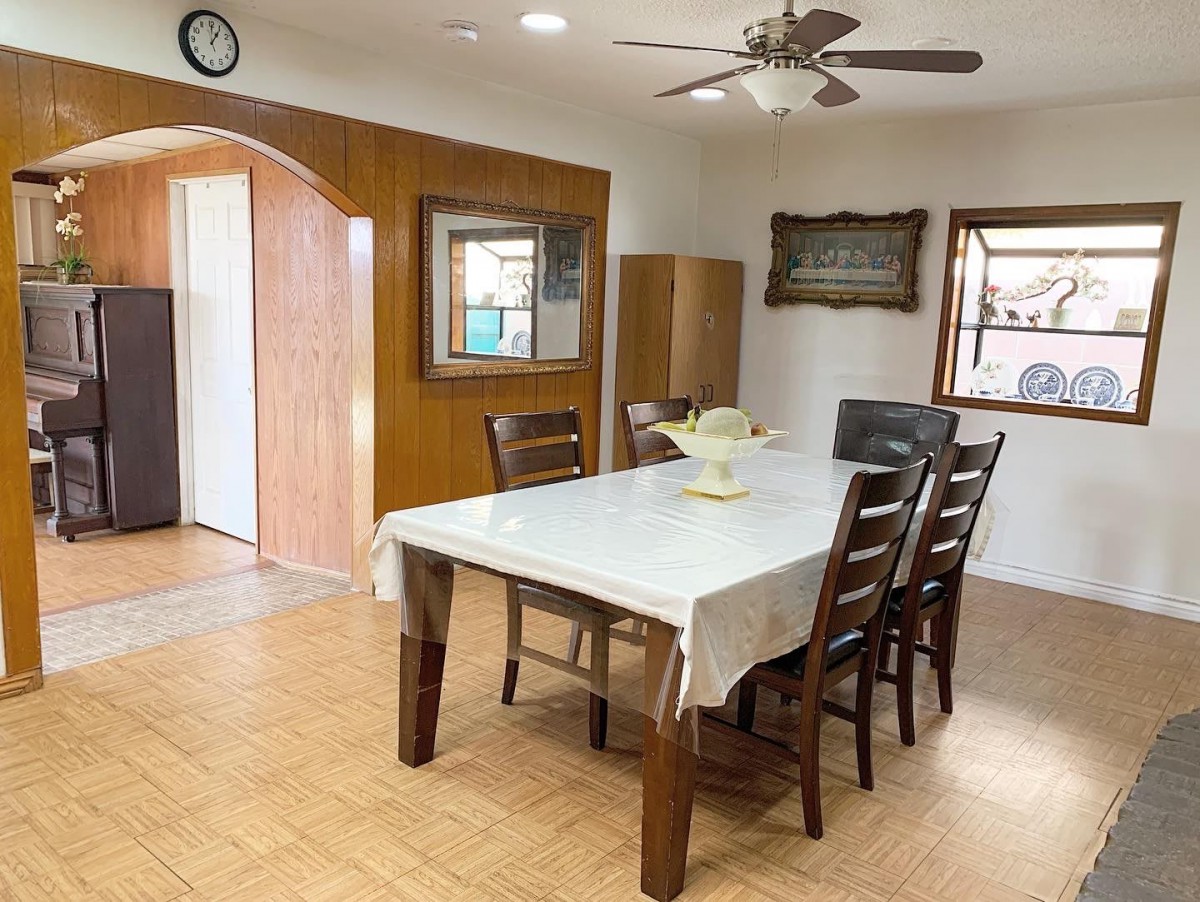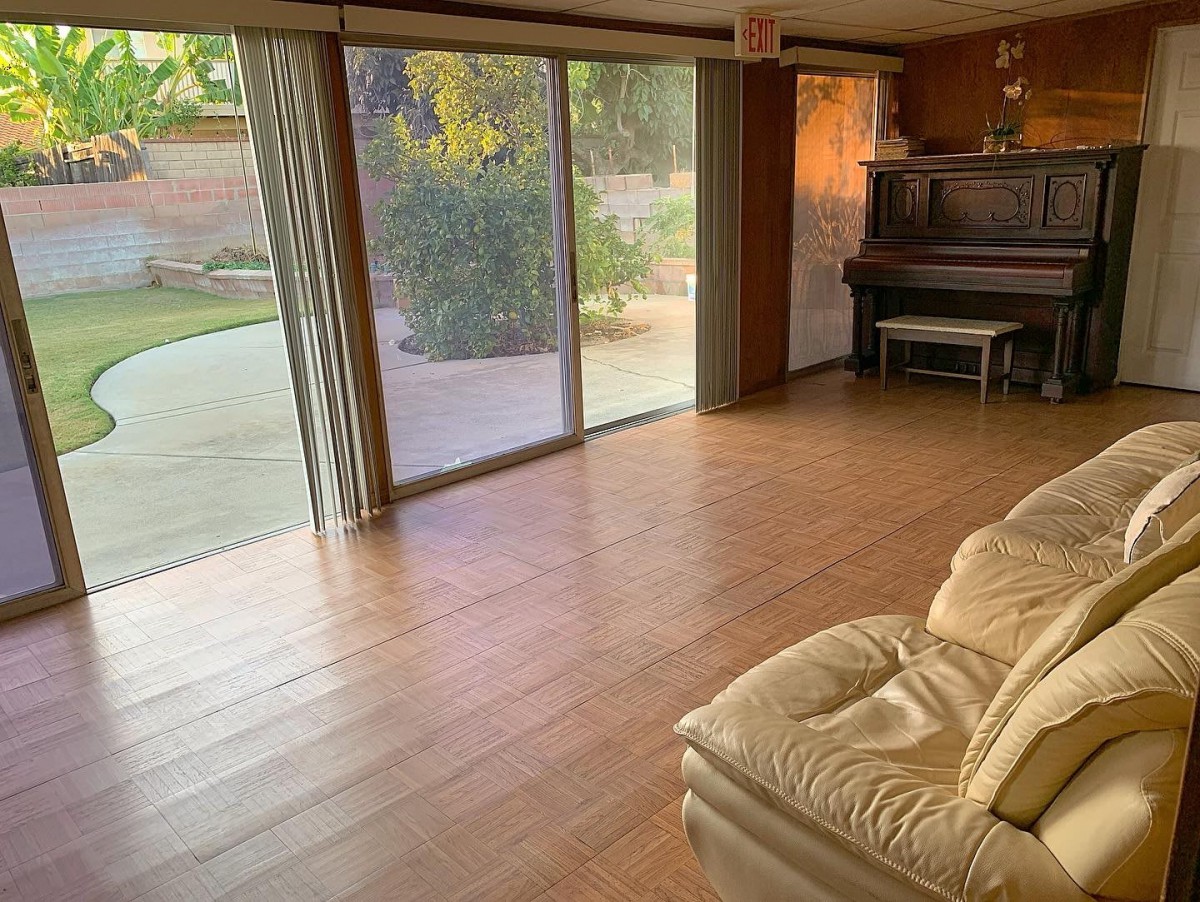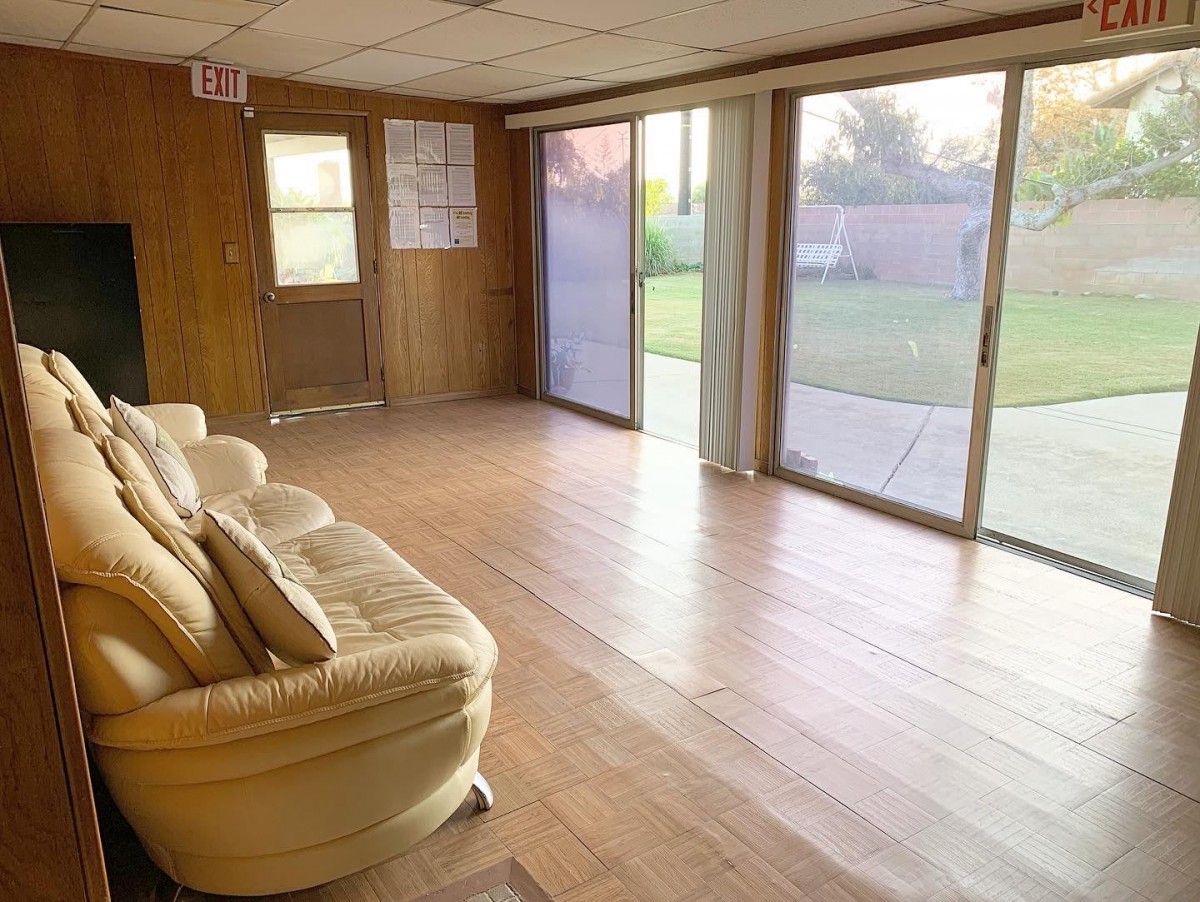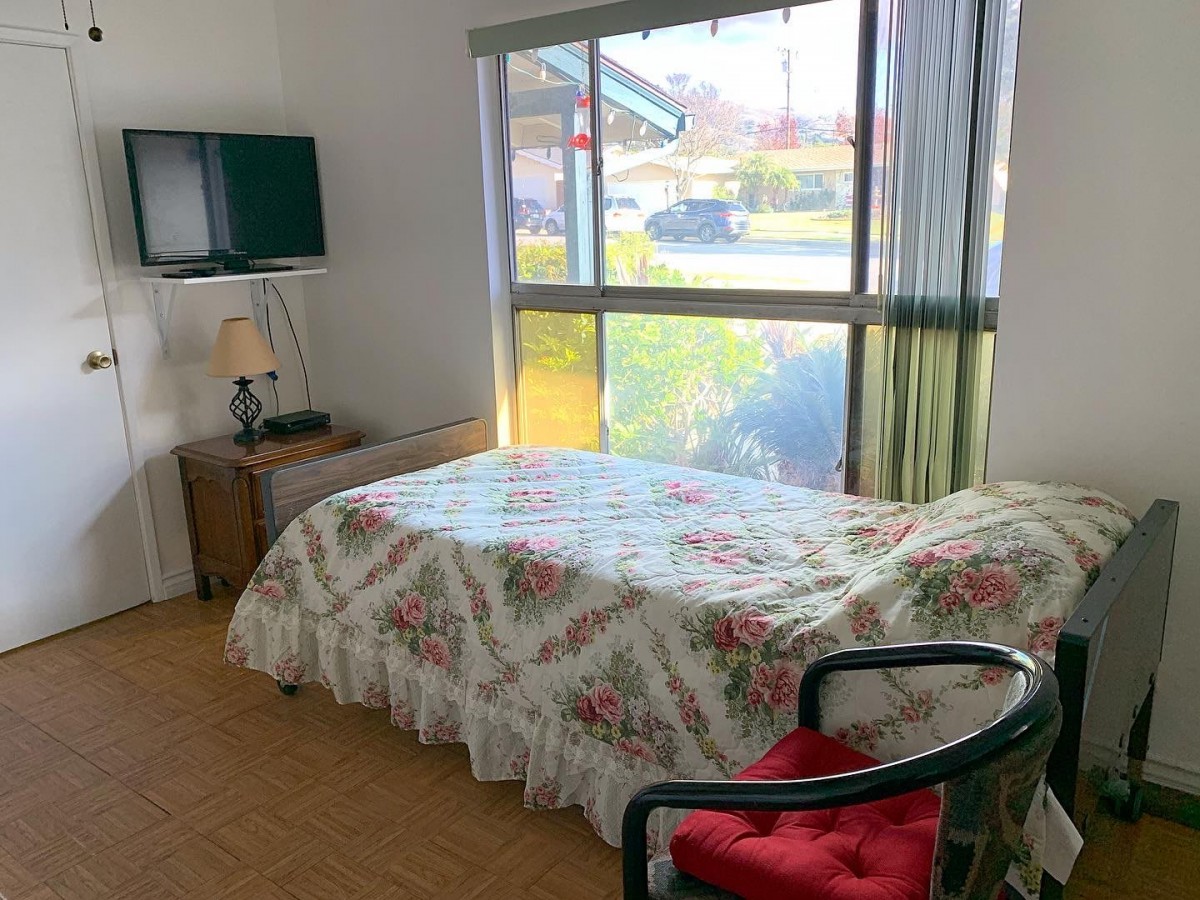
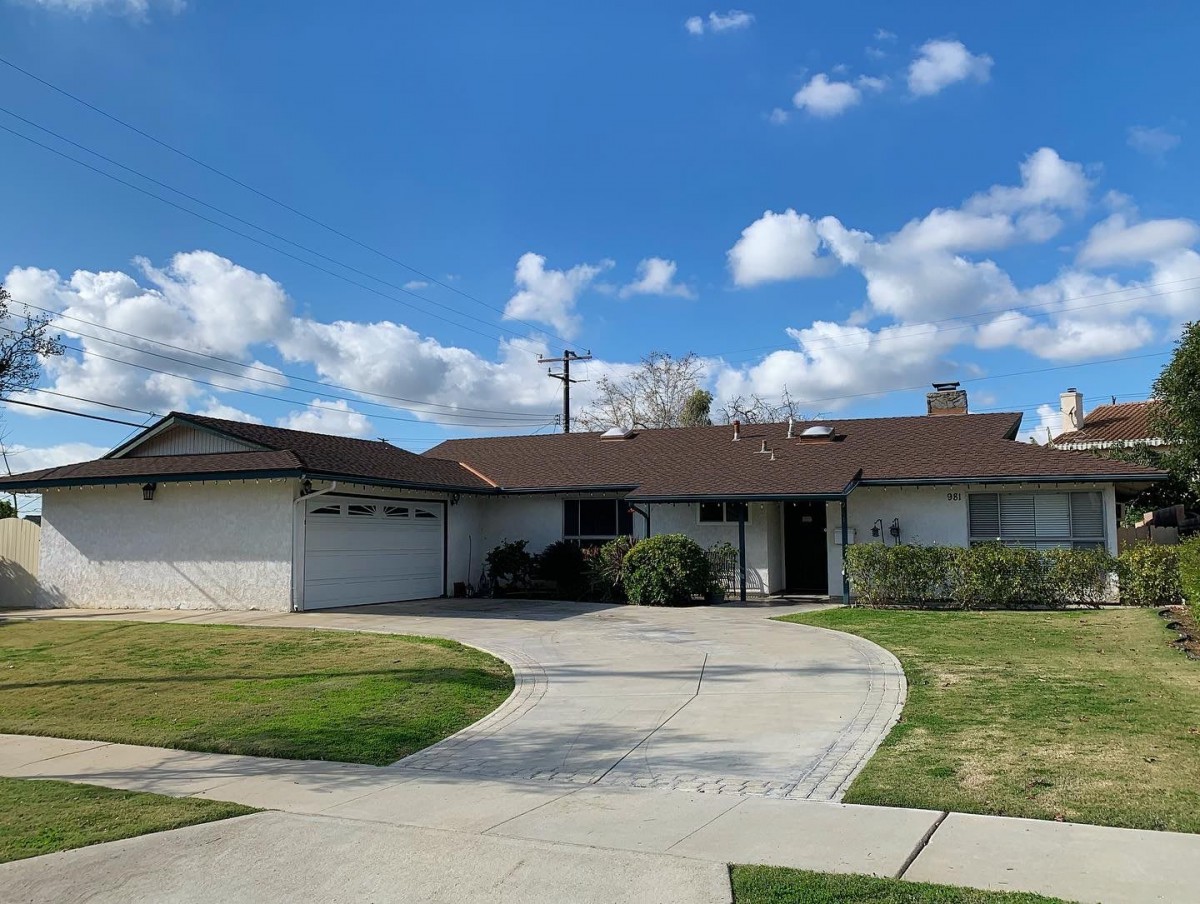
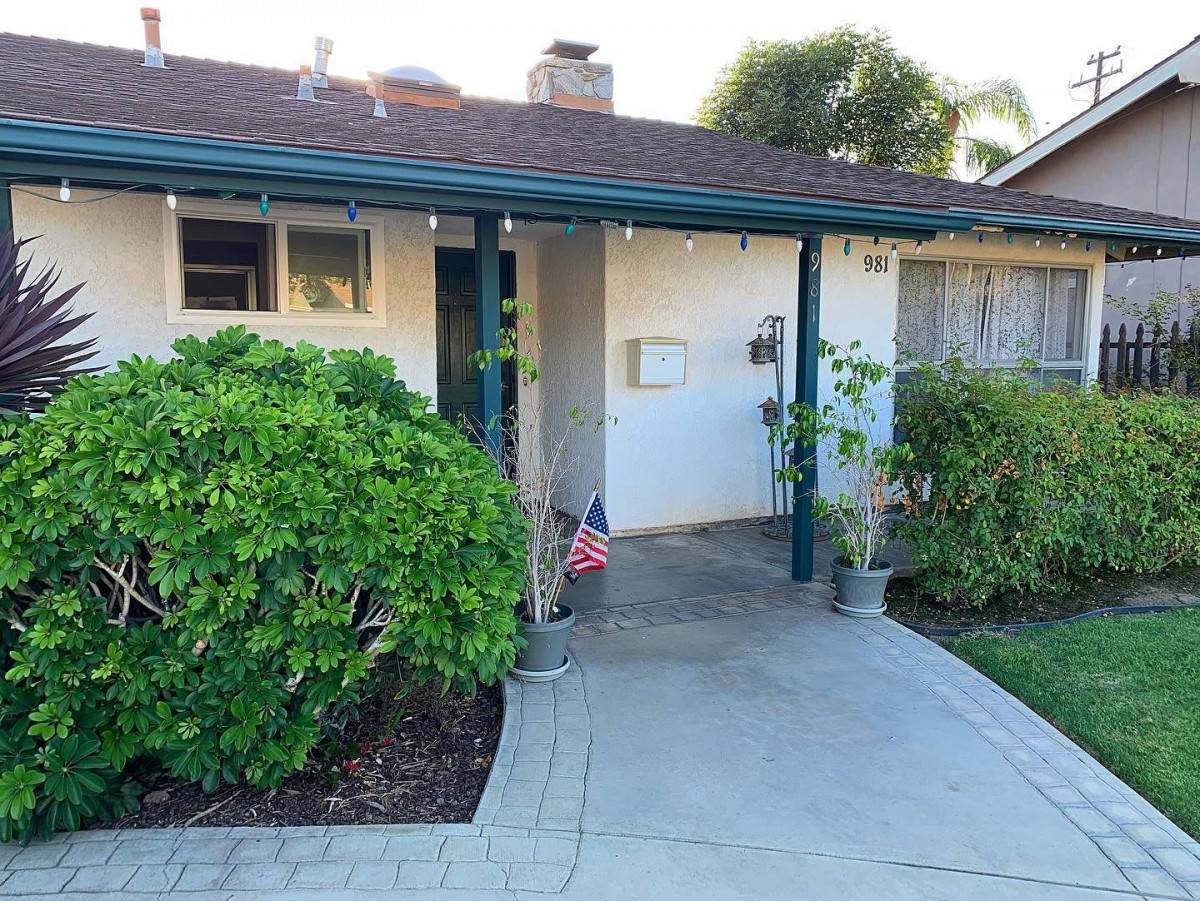
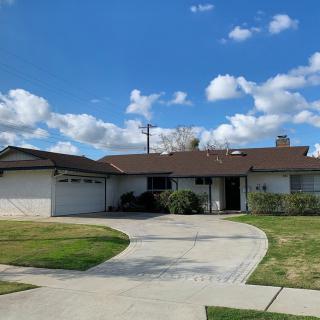
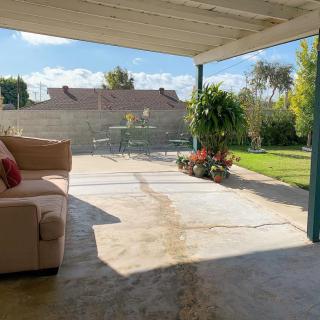
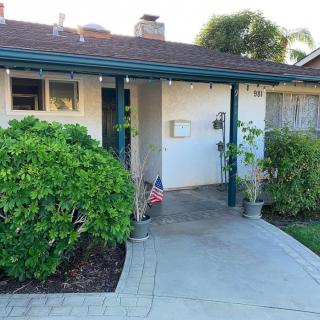
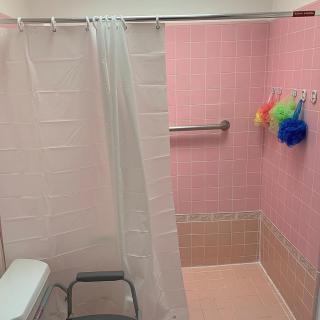
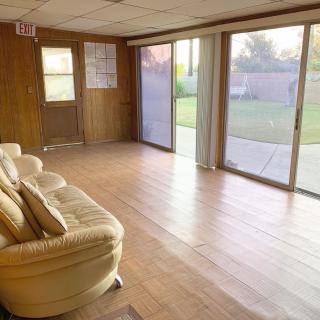
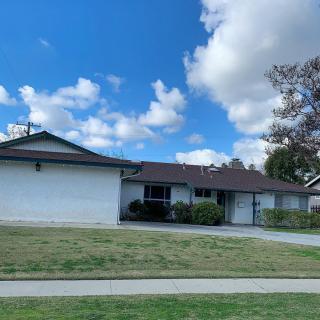
981 Flamingo Way, La Habra, CA 90631
To contact a resident: (562) 690-6366
For more information about senior living options: (866) 208-4318
Golden Eden II Costs & Pricing
Golden Eden II offers competitive pricing for its room types when compared to both Orange County and the broader California market. For a semi-private room, residents can expect to pay $3,000 per month, which is notably lower than the average cost of $3,431 in Orange County and the statewide average of $3,333. Similarly, the private room rate at Golden Eden II is set at $3,500, presenting a more attractive option than the higher rates of $4,104 in Orange County and $3,939 statewide. This pricing strategy positions Golden Eden II as an appealing choice for those seeking quality care without compromising their budget.
| Floor plans | Golden Eden II | Orange County | California |
|---|---|---|---|
| Semi-Private | $3,000 | $3,431 | $3,333 |
| Private | $3,500 | $4,104 | $3,939 |
Senior living communities with a similar price nearby
-
from -$375 / mo

Berryman Health Inc
$2,625 to $3,050 / month8.6 miles away -
from +$500 / mo
Kind Heart Home Care VI
$3,500 to $5,000 / month23.5 miles away -
from +$500 / mo
Loving Home Care
$3,500 to $4,500 / month12.7 miles away -
from +$300 / mo
Bella Manor II
$3,300 to $4,290 / month12.3 miles away -
from -$200 / mo
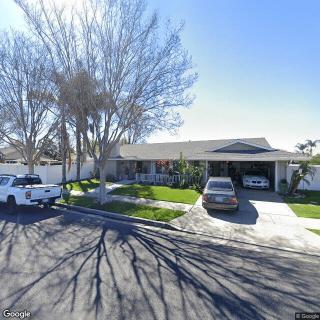
Candlewood Care Home III
$2,800 to $3,400 / month15.4 miles away
Overall Review of Golden Eden II
Pros
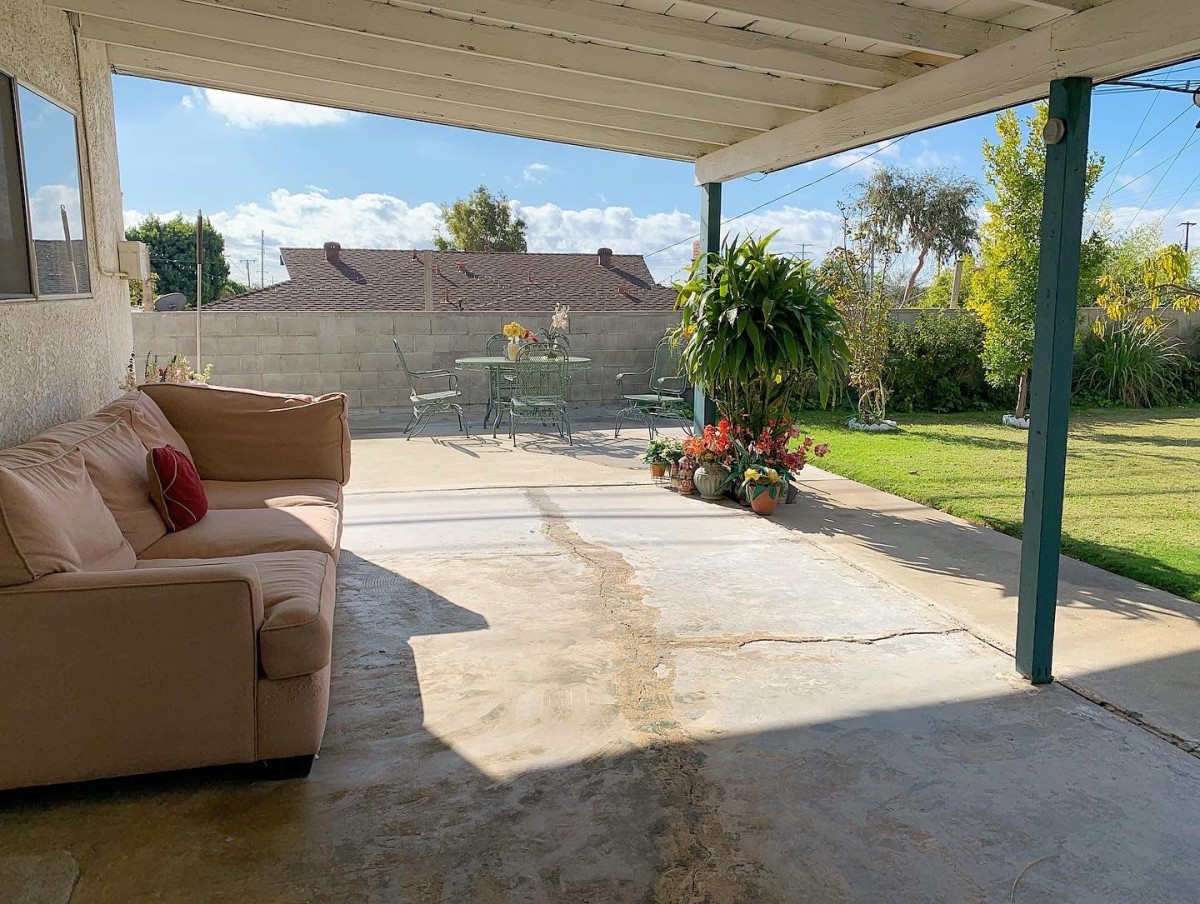
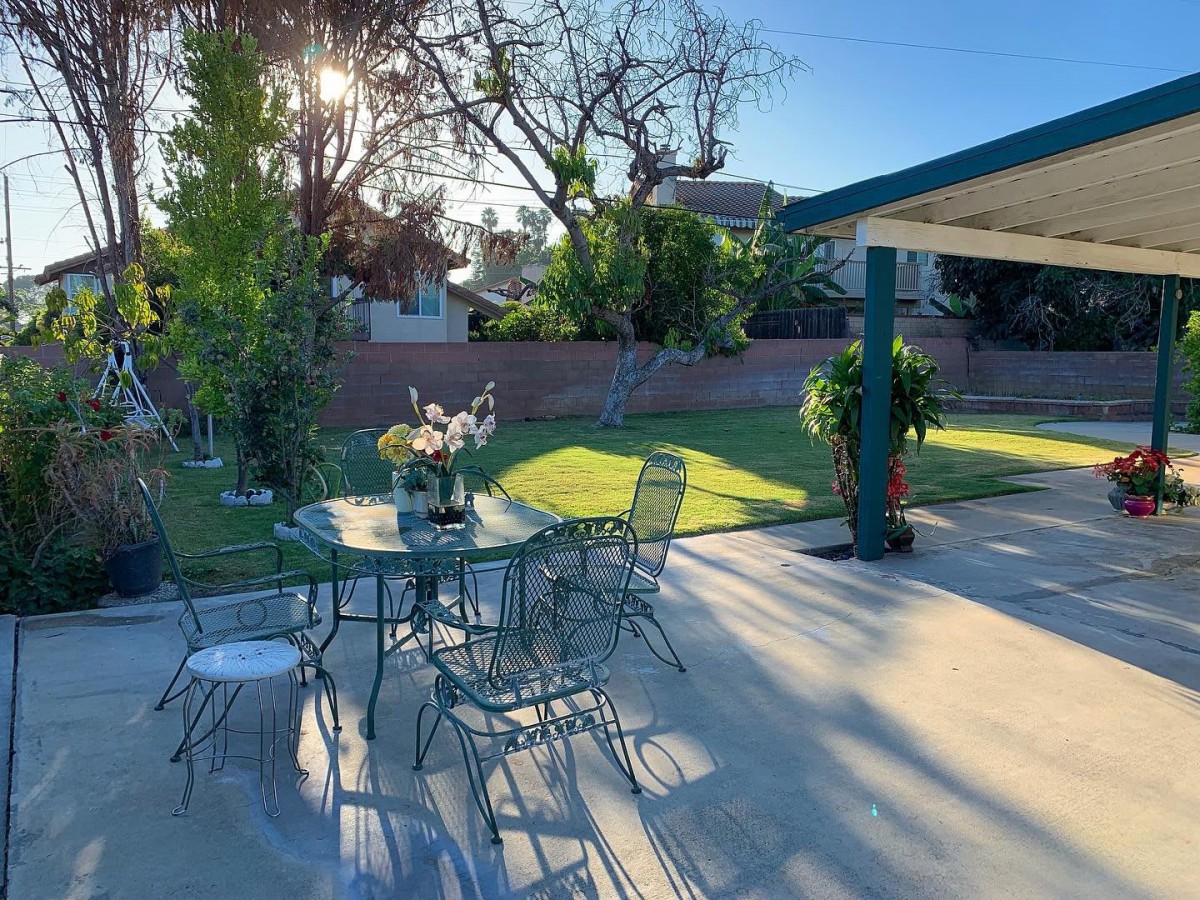
 The facility is very good, clean and well maintained, with staff who cater to residents' needs and requests.
- A family member staying there is doing very well, and the place is described as very nice.
- The facility offers good value compared with other places, and meals are well received.
- The care provided was satisfactory, and the staff did their best to accommodate needs.
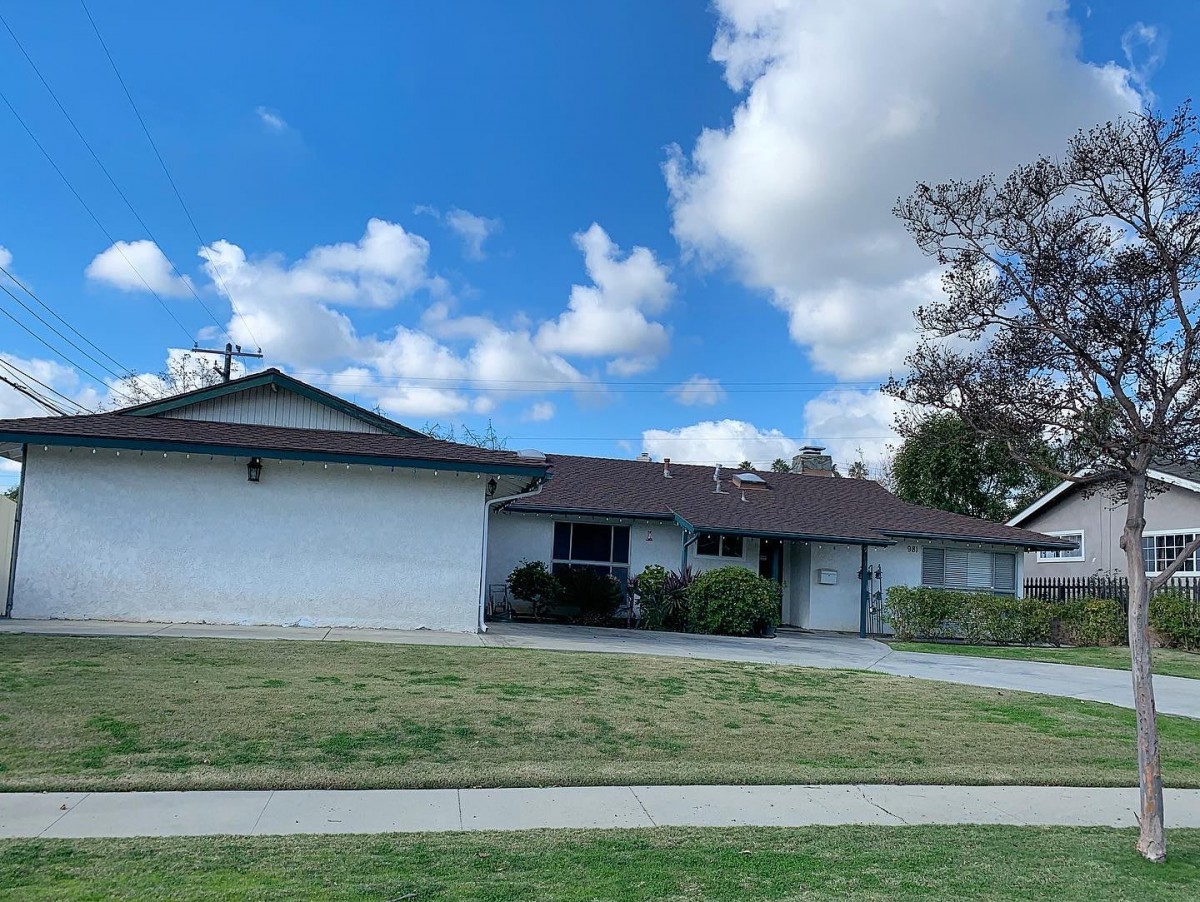
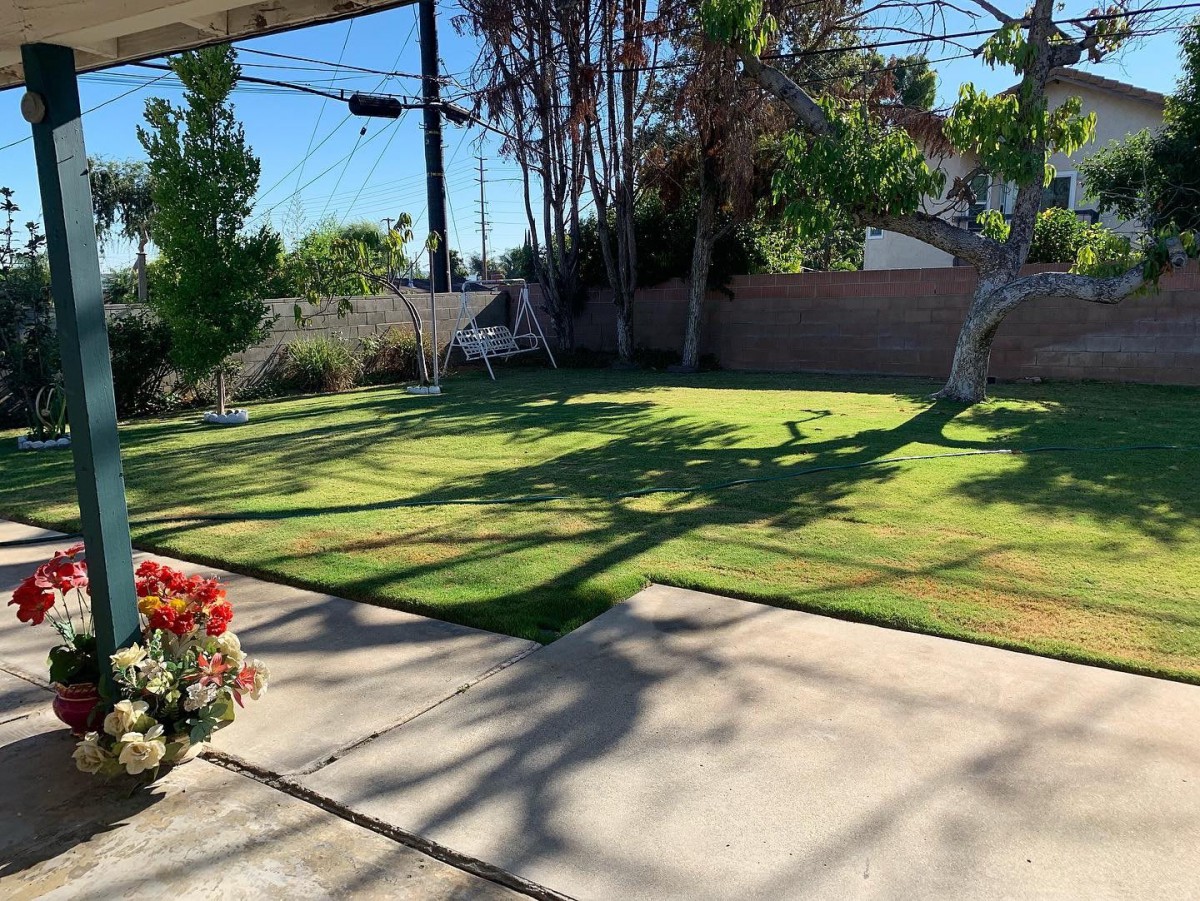
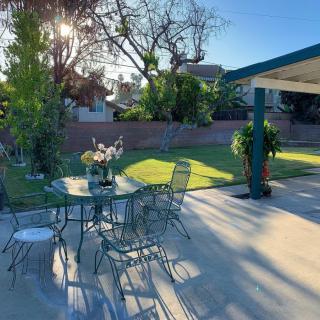
- The neighborhood around the facility is nice and clean with well-kept houses, contributing to a welcoming impression.
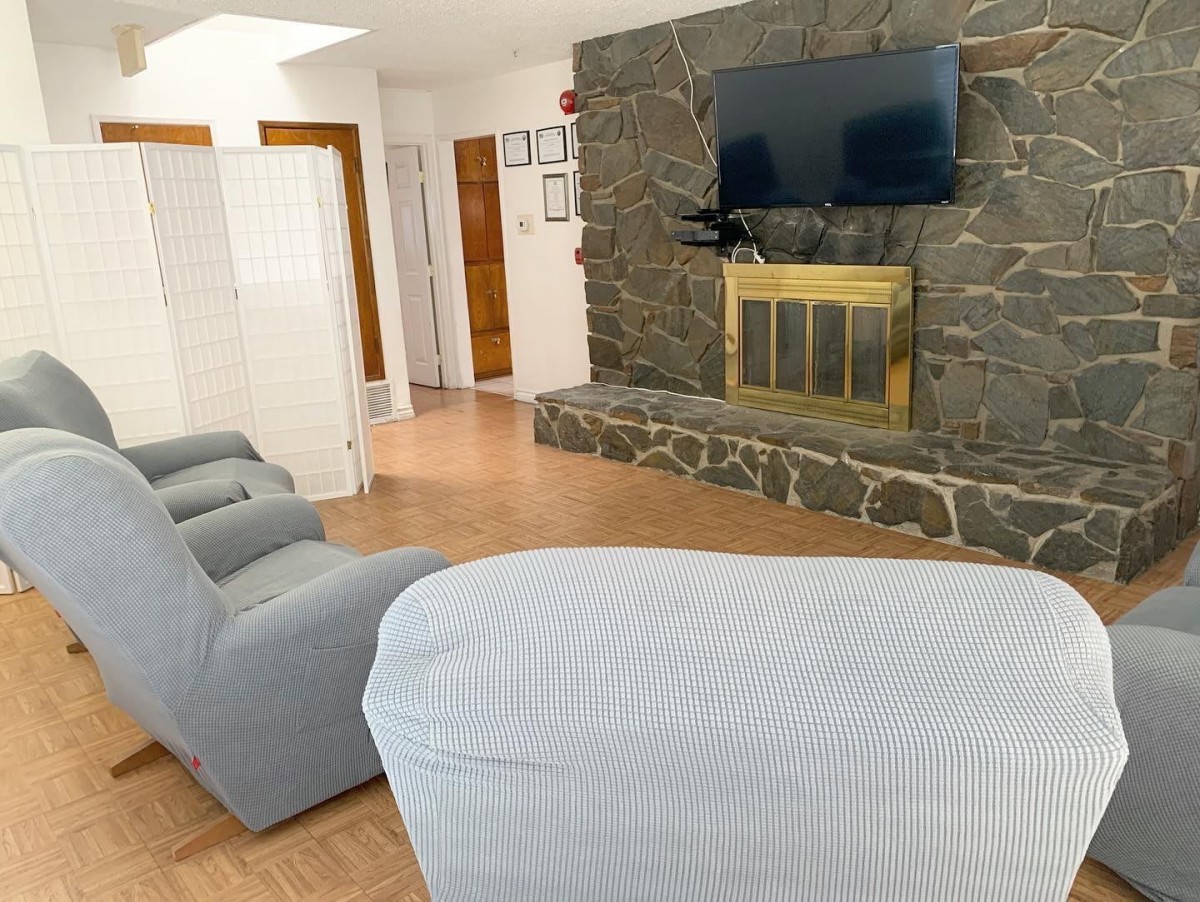
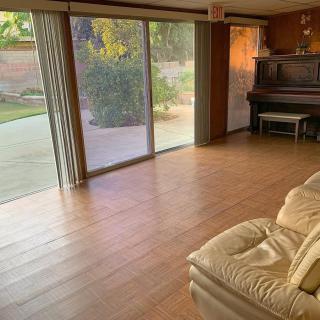
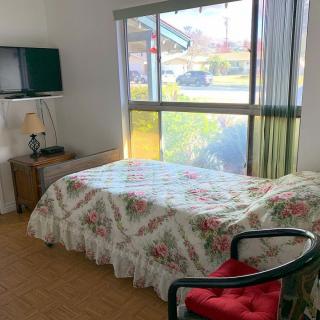
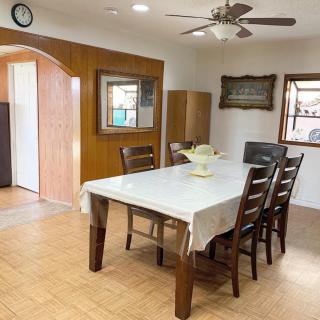
- The atmosphere feels cozy and home-like rather than clinical, enhancing comfort for residents and visitors.
- The administrator is described as pleasant and courteous, making visitors feel welcome and listened to.
Cons
 They claimed there were no beds available in La Habra, despite two homes and beds in Placentia.
- They said in August there were still no beds in La Habra.
- It seemed inconsistent to have 12 beds across two homes that were full, while only two people were in another city with 6 beds.
- No one answered the door at the first La Habra address, and there wasn’t a vehicle in the vicinity.
- They described a smell as a stinky Asian fish smell, which almost made them vomit.
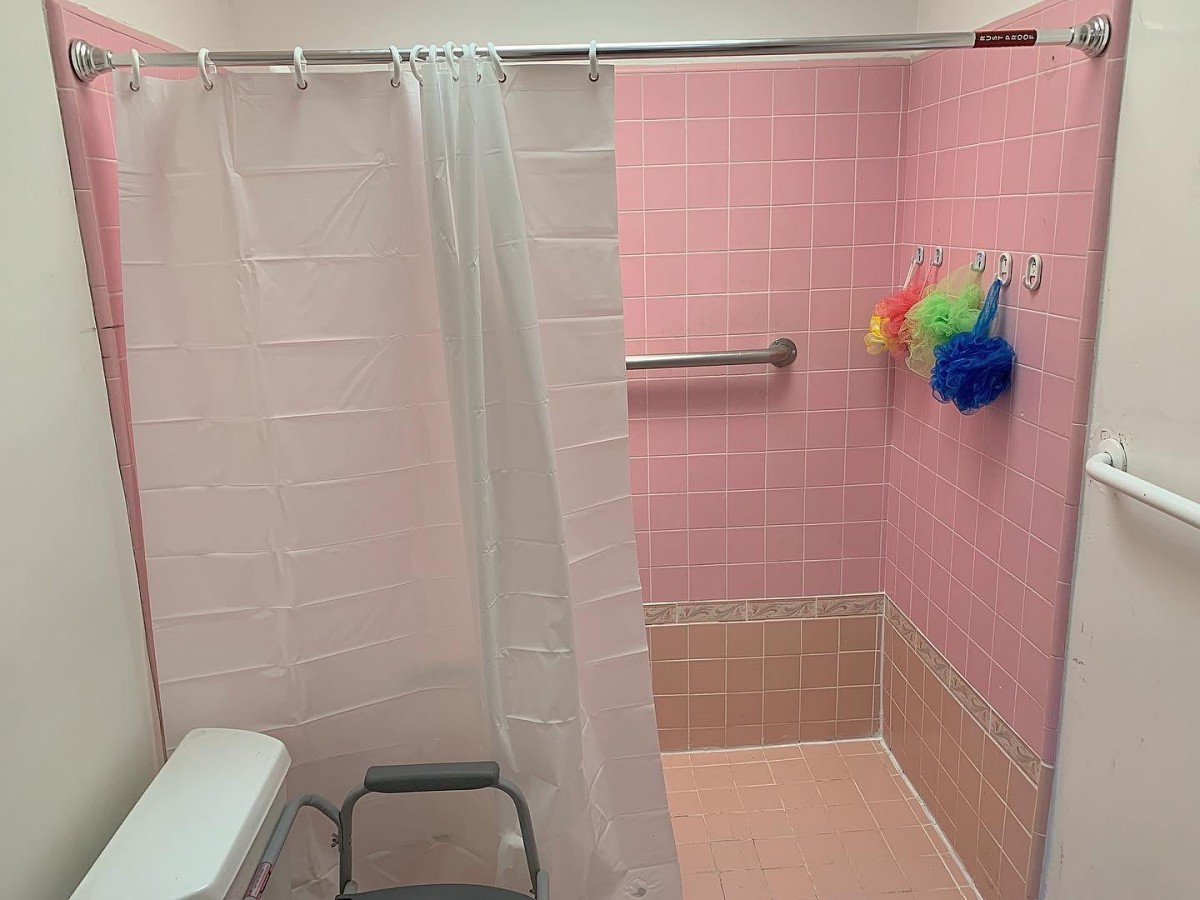
- The restroom across the hall appeared to need attention, with buckets stacked up and a chair in front of the sink.
- The caregivers were reportedly older and smaller than what is needed for day-to-day work, raising safety concerns about transfers.
- There were no boxes of gloves or trash bins in the rooms, implying poor infection control.
- The visitor sign-in log had no entries and no dates, suggesting unusual or missing visitor records.
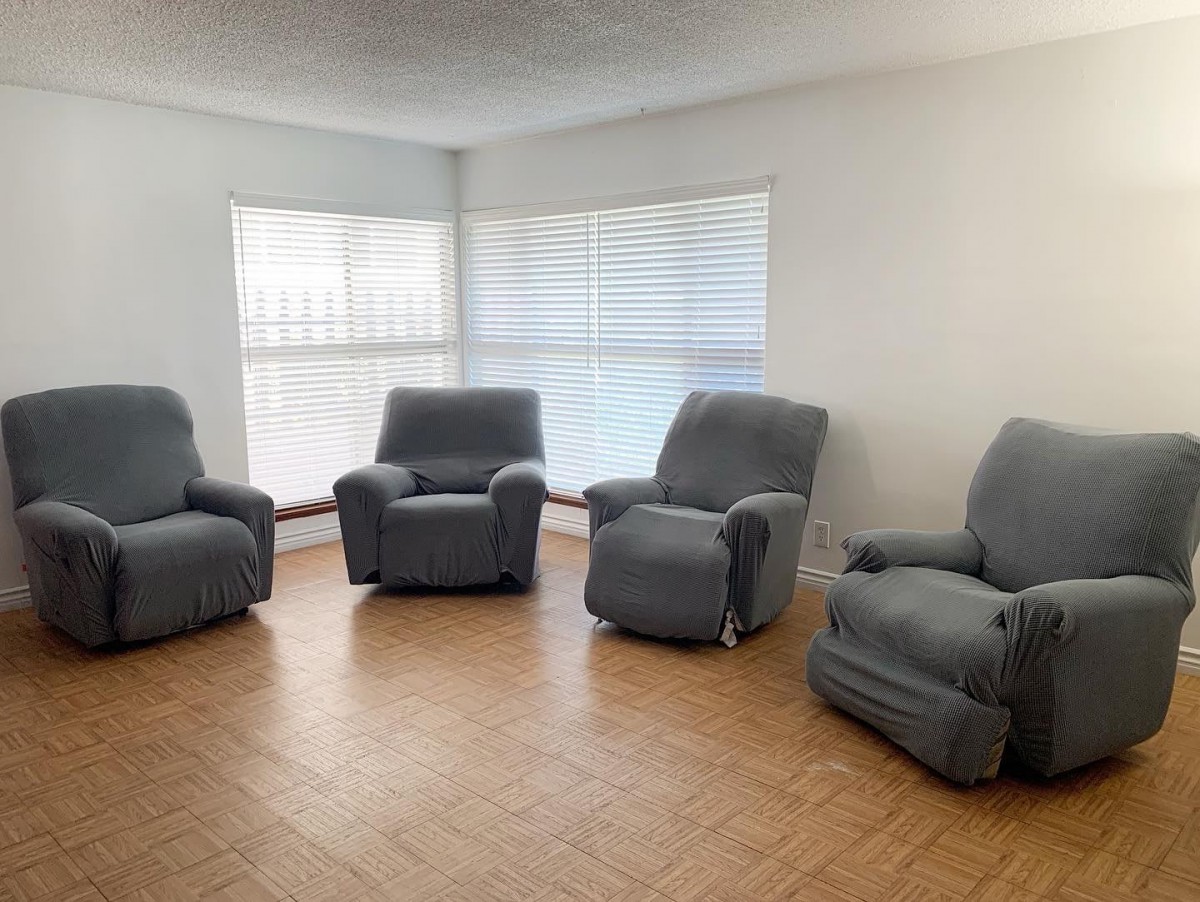
- They noted an odor and that the space was crowded with furniture.
Review
Golden Eden II in La Habra is best suited for families seeking a small, home-like setting where care feels personal and the atmosphere avoids a clinical or hospital vibe. Reviewers consistently describe clean, well-kept houses and a welcoming, neighborly feel, with staff that listen to individual preferences and make residents feel dignified. The arrangement works well for seniors who need help with daily tasks but do not require constant, high-intensity medical oversight. Value and comfort drive the appeal, especially for those prioritizing a warm, non-institutional living environment over a large, impersonal campus. Placement, however, tends to hinge on flexible timing because bed availability can be constrained between the La Habra locations and the Placentia site.
Those who should seriously consider alternatives are families under time pressure to place a loved one or those prioritizing consistent, scalable staffing and formal clinical protocols. Reported gaps in operational clarity, such as uncertain bed availability, and instances where staff capacity seemed limited by age or size, raise red flags for needs that surpass routine daily assistance. Hygiene supplies and PPE visibility were called into question in one account, along with sporadic visitor sign-ins and other basic process touches that can matter in ongoing daily care. For families prioritizing rigorous infection control, predictable staffing, and transparent procedures, other communities may deliver more assurance.
On the upside, the strongest pros align with the core desire for a homey, dignified environment. The facilities themselves are described as clean and well maintained, with a vibe that feels welcoming rather than clinical. Food options receive favorable notes, and staff are portrayed as courteous and attentive to individual requests. Several residents’ families praised the administrator’s demeanor and the ability of staff to accommodate preferences, which translates into practical daily benefits: a comfortable living space, reasonable routines, and a sense that dignity is respected through life’s final chapters. In this mix, cost and the non-clinical ambiance offset several operational ambiguities for families who value warmth and personal connection over institutional polish.
Nevertheless, the main concerns cannot be fully dismissed. The bed situation in La Habra appears fluid at best, with reports of no beds during certain inquiries and cross-location ambiguity about where space exists. Caregiver capacity is sometimes described as lean for the demands of round-the-clock tasks, and transfers can feel risky if staff are smaller in stature or not fully equipped for physically demanding care. Practical gaps, such as the absence of visible gloves or bins in rooms and a visitor log that lacks dates or consistent sign-in activity, signal vulnerabilities in everyday safety and hygiene practices. A few reviews also mention odors or crowded furniture, which, while not universal, are perceptible markers that can affect comfort and mobility for residents with limited tolerance for clutter or strong smells.
For families weighing decisions, a proactive, on-site evaluation is essential. Schedule a thorough tour during a typical care period, not just during a quiet moment, to observe how staff interact with residents, how meals are managed, and how daily routines unfold. Request a current occupancy update and ask to meet the administrator to discuss staffing ratios, transfer capabilities, and any anticipated changes in bed availability. Inspect essential hygiene practices firsthand, gloves, sanitation supplies, and the cleanliness of restrooms, and review the visitor policy and sign-in process. Talk to current residents or family members about consistency of care, response times, and whether dignity and privacy are preserved in daily care.
In the end, Golden Eden II offers a practical, value-oriented option for those who prize a homey atmosphere and individualized attention over formal, clinical rigor. It can be an excellent fit for moderate care needs where affordability and a non-institutional vibe trump the comfort of a large, well-staffed campus. Yet for families requiring immediate placement, rock-solid staffing guarantees, or uncompromising infection-control standards, exploring alternatives may be the smarter path. A careful, comparative visit is the decisive next step, then align expectations with what the two La Habra homes, and any Placentia option, can reliably deliver day to day.
 Board and Care Home
 Cats allowed
 Dogs allowed
 Private
 Long Beach (Daugherty) (16 miles away)
 Diabetic care
 Incontinence care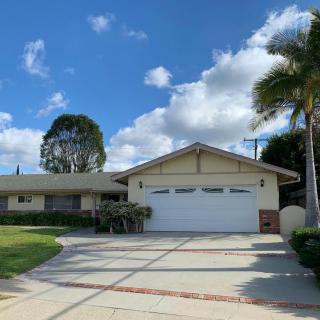
 California's Form 602A: An In-Depth Examination of Senior Care Assessment
 Comprehensive Look at Senior Blood Pressure Charts: Normal and Elevated Levels by Age
 Top Canine Companions for Older Adults