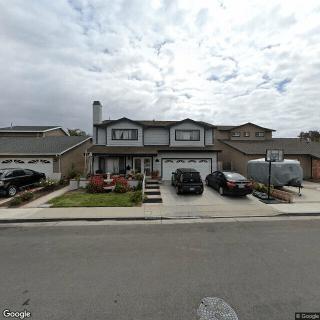
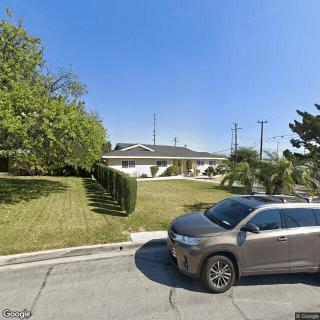
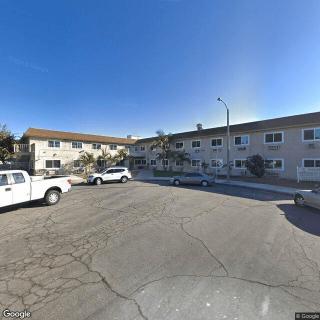
Brea Retreat in Brea, CA

Save
Brea Retreat

Brea Retreat in Brea, CA

1318 W.Alta Mesa Drive, Brea, CA 92821

For more information about senior living options: (844) 490-3973

4.1 from 24 reviews
5 stars
15
4 stars
4
3 stars
1
2 stars
1
1 stars
3

Assisted Living Board and Care Home Memory Care Respite Care

Brea Retreat Costs & Pricing

Brea Retreat offers competitive pricing that reflects its commitment to providing quality care in a desirable location. For semi-private rooms, the cost is $3,500 per month, which is slightly above the average for Orange County at $3,431 but lower than the state average of $3,333. The private room option is priced at $4,000, aligning closely with Orange County's average of $4,104 while remaining more affordable than the broader California average of $3,939. For those seeking more space and privacy, the one-bedroom units are available for $4,500 per month - this rate remains highly competitive compared to both the county's average of $4,380 and California's average of $4,340. Overall, Brea Retreat provides a balanced approach to pricing within its specific market context.

Floor plansBrea RetreatOrange CountyCalifornia
Semi-Private$3,500$3,431$3,333
Private$4,000$4,104$3,939
1 Bedroom$4,500$4,380$4,340

Overall Review of Brea Retreat

Pros

  • pro Capriana is described as First Class all the way, with staff that are nice and accommodating.
  • pro Capriana's dining is rated 5 stars with upscale daily dinner specials.
  • pro Capriana is a relaxing place to call home for all seniors.
  • pro The grounds are beautiful and inviting.
  • pro The staff at Capriana are very helpful with everything.
  • pro Capriana serves gourmet food all day in a beautiful kitchen.
  • pro Capriana is a beautiful place for seniors, inside and out.
  • pro The owner and staff at Capriana are devoted to quality of life issues for residents, offering love and understanding.

Cons

  • pro The reviewers note ongoing issues with one of the chefs in the dining area, including favoritism toward certain servers and uneven task assignments.
  • pro They witnessed belittling or undermining behavior toward some servers, which they feel may contribute to a hostile work environment.
  • pro The chef reportedly delays submitting food orders to prioritize schedule management, affecting kitchen operations and increasing stress on staff.
  • pro There is a pattern of crediting the chef for good meals while shifting criticism to the cooks, even when the meal was prepared by the chef herself.
  • pro The writers express concern about the workplace culture and its potential negative impact on staff morale and retention.

Review

Brea Retreat is best suited for families seeking a small, home-like assisted living option in north Orange County where hands-on, owner-led oversight matters and where the facility can accommodate residents with complex needs or behavioral challenges. The model hinges on direct involvement from the owner, strong hospital liaison capabilities, and help navigating benefits programs such as Medi-Cal and VA, making it appealing to families who prize continuity, advocacy, and highly personalized attention. Residents benefit from a 24/7 staffing posture, a grounds-and-living-space design tailored to senior living, and a philosophy of caregiving that emphasizes quality of life and family collaboration. For families who want a intimate setting with attentive availability, this is a thoughtful fit.

Those weighting size, campus amenities, or a uniformly smooth dining experience may want to consider alternatives. The small, home-like footprint means fewer on-site conveniences and a more personal, sometimes slower, service rhythm. If visitors place high importance on flawless dining operations and a consistently upbeat kitchen culture without tensions, or if cost constraints push toward larger communities with more standardized processes, it may be prudent to explore other options. Likewise, families seeking aggressive memory-care programming with expansive activity calendars across multiple wings might find broader campuses more aligned with those expectations. In short, this is not the beat-for-the-bulk, one-size-fits-all senior living choice.

On the plus side, the core strengths are substantial. The staff is consistently described as helpful and attentive, with around-the-clock availability that provides reassurance for emergencies and daily needs alike. The owner's hands-on approach translates into visible commitment - an actual presence in hospitalizations, active collaboration with families, and a readiness to mobilize community resources and benefits applications. The facility's meals are framed as healthy and thoughtfully prepared, with organic vegetables and farm-fresh ingredients cited in resident-facing narratives. The grounds and living spaces are described as pleasant and well-suited to senior life, reinforcing a sense of stability and comfort for residents who value a calm, predictable environment.

However, a main con emerges in dining-room operations. The feedback highlights a chef who allegedly shows favoritism toward certain servers, creates a belittling or undermining atmosphere for some staff, and delays food orders in favor of schedule management. The resulting strain on kitchen operations feeds into a broader pattern described as uneven credit and blame distribution - praising the chef when meals shine, but deflecting criticism onto cooks when issues arise. This kind of workplace culture risk is not trivial; it can ripple through morale, staff retention, and even the dining experience residents rely on daily. The issue is serious enough to warrant due diligence before placement and proactive oversight after move-in.

Yet the pros do not merely compensate for these cons; they redefine the calculus. The owner's willingness to accept "difficult to place" residents and to provide top-tier care, combined with hospital visitation and strong family-resource navigation, creates a safety net that can be decisive for families managing complex needs. The 24/7 staff presence, emergency responsiveness, and a demonstrated commitment to sourcing community supports and benefits can offset concerns about dining friction for families prioritizing safety, advocacy, and steady day-to-day care. If a family can pair strong administrative oversight with clear channels for addressing kitchen dynamics, the overall value proposition remains compelling.

Bottom-line guidance: Brea Retreat is a strong choice for families that want intimate, attentive supervision, a hands-on owner with hospital- and benefits-network acumen, and a nurturing environment that can accommodate challenging resident needs. It is less well-suited for those who require a flawless, scalable dining operation or a large, high-energy campus with expansive amenities. Prospective residents should tour with a keen eye on the dining program and staff morale - request a face-to-face meeting with the dining leadership and the owner, and ask for candid examples of how similar concerns have been resolved. If the family seeks a platform for highly personalized care with robust advocacy and accessibility to resources - and is comfortable addressing a dining-culture issue head-on - Brea Retreat stands up well as a practical, competent option.

Features

Housing

  • 6 resident community capacity 6 resident community capacity

Types of Care

  • Assisted Living Assisted LivingAssisted living facilities provide crucial support and care for seniors who may need help with daily tasks such as medication management, bathing, and meal preparation. These communities offer a safe and comfortable environment where seniors can maintain their independence while receiving the assistance they need to thrive in their golden years.
  • Board and Care Home Board and Care HomeBoard and care homes provide a smaller, more intimate setting for seniors who require assistance with daily tasks but do not need the level of care offered by a nursing home. They offer personalized care, meals, and social activities in a homelike environment, ensuring that seniors receive individualized attention and support in their golden years.
  • Memory Care Memory CareMemory care is crucial for seniors as it provides specialized support and services for individuals with dementia or Alzheimer's disease. These programs offer a safe and secure environment where residents receive personalized care, cognitive stimulation, and help with daily activities. Memory care helps seniors maintain their independence, quality of life, and dignity while also providing peace of mind for their families.
  • Respite Care Respite CareRespite care provides temporary relief for caregivers, allowing them to recharge and attend to their own needs. It also gives seniors the opportunity to socialize, receive professional care, and experience a change of scenery, promoting overall well-being and reducing feelings of isolation.

Amenities

  • Cable or satellite TV Cable or satellite TVCable or satellite TV is important for seniors because it provides entertainment, news, and companionship, helping to combat loneliness and boredom. It also offers a wide range of programming options tailored to different interests and preferences.
  • Dining room Dining roomDining rooms are important for seniors as they provide a space for socialization, connection, and nutritious meals. They offer opportunities for residents to bond over shared meals, foster a sense of community, and promote healthy eating habits. Dining rooms also ensure that seniors have access to well-balanced meals tailored to their dietary needs and preferences.
  • Fully furnished Fully furnishedFully furnished senior living communities are important for seniors because they provide convenience, comfort, and a hassle-free moving experience. Seniors can easily settle into their new living space without the stress of having to buy and move furniture. This allows them to focus on enjoying their new home and community.
  • Garden GardenGardens are important for seniors as they provide a peaceful and therapeutic environment for relaxation, physical activity, and socialization. Being in nature has been shown to reduce stress, improve mood, and promote overall well-being. Gardens also offer opportunities for seniors to engage in gardening activities, which can improve mobility, flexibility, and cognitive function. Additionally, gardens create a sense of community and connection with others who share a passion for plants and outdoor spaces.
  • Housekeeping services Housekeeping servicesHousekeeping services are important for seniors because they help maintain a clean and safe living environment, promote independence, and reduce the risk of accidents or illnesses. Additionally, having assistance with household chores can alleviate physical strain and allow seniors to focus on other aspects of their well-being.
  • Move-in coordination Move-in coordinationMove-in coordination is important for seniors because it helps ease the transition into their new living environment. It ensures that all logistics, such as packing, organizing movers, and setting up utilities are taken care of, allowing seniors to focus on settling in and adjusting to their new home. Having a smooth move-in process can alleviate stress and anxiety, making the transition smoother and more enjoyable for seniors.
  • Outdoor space Outdoor spaceOutdoor spaces are important for seniors as they provide opportunities for physical activity, social interaction, exposure to natural light and fresh air, and a sense of connection to nature. Having access to outdoor spaces can improve overall well-being and quality of life for older adults living in senior communities.
  • Private PrivatePrivacy is important for seniors as it allows them to maintain their independence, dignity, and sense of control over their own lives. It also gives them the space and freedom to relax, reflect, and engage in activities that bring them joy and fulfillment. Creating private spaces within senior living facilities is crucial for promoting overall well-being and quality of life.
  • Respite or short term stays offered Respite or short term stays offeredRespite or short term stays provide seniors with a temporary solution when their regular caregiver is unavailable, offering them the opportunity to receive additional care and support during times of need, while also giving caregivers a chance to rest and recharge.
  • Telephone TelephoneTelephones are important for seniors as they provide a lifeline for communication with loved ones, emergency services, and healthcare providers. They offer a sense of security and independence, enabling seniors to stay connected and access assistance when needed.
  • Wi-Fi/high-speed internet available Wi-Fi/high-speed internet availableWi-Fi/high-speed internet is important for seniors to stay connected with loved ones, access online resources, and participate in virtual activities to combat feelings of loneliness and isolation. It also allows them to easily manage healthcare needs, access entertainment, and engage in lifelong learning opportunities.

Transportation

  • Long Beach (Daugherty) (16 miles away) Long Beach (Daugherty) (16 miles away)
  • John Wayne Orange Co (19 miles away) John Wayne Orange Co (19 miles away)
  • Ontario International (20 miles away) Ontario International (20 miles away)

Care Services

  • 24-hour supervision 24-hour supervision24-hour supervision is important for seniors to ensure their safety, well-being, and access to immediate assistance in case of emergencies or health issues. This constant support provides peace of mind for both seniors and their loved ones, allowing them to age in place with dignity and security.
  • Activities of daily living assistance Activities of daily living assistanceActivities of daily living assistance are important for seniors because they provide essential support with tasks such as eating, bathing, dressing, and mobility. This assistance helps seniors maintain their independence, dignity, and overall quality of life as they age.
  • Assistance with bathing Assistance with bathingAssistance with bathing is crucial for seniors as it helps maintain personal hygiene, prevents infections, and ensures their overall well-being and comfort. It also provides a sense of dignity and independence for seniors who may struggle with this task on their own.
  • Assistance with dressing Assistance with dressingAssistance with dressing is important for seniors because it helps maintain their independence, promotes personal hygiene, prevents accidents and injuries, and improves overall quality of life. This service ensures that seniors can continue to dress comfortably and confidently, despite any physical limitations they may have.
  • Assistance with transfers Assistance with transfersAssistance with transfers is crucial for seniors as it helps prevent falls and injuries, maintains their independence, and ensures they can safely navigate their living environment. It also provides peace of mind for both seniors and their loved ones.
  • Coordination with health care providers Coordination with health care providersCoordination with health care providers is crucial for seniors to ensure proper medical care, medication management, and overall well-being. This collaboration helps prevent overlapping treatments, track progress more effectively, and provide comprehensive support tailored to individual needs.
  • Diabetes diet Diabetes dietA diabetes diet is crucial for seniors as it helps manage blood sugar levels, reduce risks of complications, and improve overall health and well-being. By following a balanced and nutritious diet tailored to their specific needs, seniors can better control their diabetes and enhance their quality of life.
  • Diabetic care Diabetic careDiabetic care is crucial for seniors as they are more susceptible to developing diabetes due to aging and other health conditions. Proper management of diabetes can help prevent complications such as heart disease, vision loss, and nerve damage, improving the overall quality of life for seniors in senior living communities.
  • Incontinence care Incontinence careIncontinence care is essential for seniors to maintain their dignity, hygiene, and overall quality of life. By addressing incontinence issues promptly and effectively, seniors can enjoy a sense of independence and comfort in their daily activities.
  • Meal preparation and service Meal preparation and serviceMeal preparation and service are crucial for seniors as they may have limited mobility or energy to cook nutritious meals. Having access to healthy and convenient food options can ensure they are getting the proper nutrition needed to maintain their overall health and well-being.
  • Medication management Medication managementMedication management is crucial for seniors to ensure they are taking the right medications at the correct dosages and times. This helps prevent adverse drug interactions, reduces the risk of medication errors, and promotes overall health and well-being. Proactive management also allows for adjustments as needed based on changing health conditions or new prescriptions.
  • Special dietary restrictions Special dietary restrictionsSpecial dietary restrictions are important for seniors because age-related changes in metabolism and health conditions can make it difficult for their bodies to process certain foods. By following a diet tailored to their specific needs, seniors can maintain their overall health and well-being, manage chronic conditions, and reduce the risk of complications such as malnutrition or food interactions with medications.
  • Transportation arrangement (medical) Transportation arrangement (medical)Transportation arrangements for medical purposes are essential for seniors as they may have difficulty driving themselves to appointments or accessing public transportation. Having reliable and safe transportation options ensures that seniors can receive timely medical care and maintain their health and well-being.
  • Transportation to doctors appointments Transportation to doctors appointmentsTransportation to doctors' appointments is crucial for seniors as it ensures they have access to necessary medical care and support for their health needs. Without reliable transportation, seniors may struggle to attend important appointments, leading to potential delays in treatment and health complications. Providing transportation services helps seniors maintain their overall well-being and quality of life.

Dining

  • Diabetes diet Diabetes dietA diabetes diet is crucial for seniors as it helps manage blood sugar levels, reduce risks of complications, and improve overall health and well-being. By following a balanced and nutritious diet tailored to their specific needs, seniors can better control their diabetes and enhance their quality of life.
  • Special dietary restrictions Special dietary restrictionsSpecial dietary restrictions are important for seniors because age-related changes in metabolism and health conditions can make it difficult for their bodies to process certain foods. By following a diet tailored to their specific needs, seniors can maintain their overall health and well-being, manage chronic conditions, and reduce the risk of complications such as malnutrition or food interactions with medications.

Activities

  • Community-sponsored activities Community-sponsored activitiesCommunity-sponsored activities are important for seniors as they provide opportunities for social interaction, mental stimulation, and physical activity. These activities can help improve overall well-being, combat loneliness and isolation, and promote a sense of belonging and purpose among older adults.
  • Scheduled daily activities Scheduled daily activitiesScheduled daily activities are important for seniors because they provide structure, socialization, mental stimulation, and physical activity. Engaging in regular activities can improve overall well-being and quality of life for seniors living in a community setting.

Description

Brea Retreat is a welcoming and comfortable assisted living community located in Brea, CA. We offer a range of care services including board and care home, memory care, and respite care to meet the individual needs of our residents.

Our community boasts a variety of amenities to enhance the quality of life for our residents. Our dining room provides delicious meals prepared by our experienced chefs, catering to special dietary restrictions. Each living space is fully furnished and private, creating a cozy and personal atmosphere. Residents can enjoy spending time outdoors in our beautiful garden or taking advantage of our outdoor space.

We understand the importance of maintaining a clean and organized environment, which is why we provide housekeeping services to ensure that our community always looks its best. Additionally, we offer move-in coordination services to assist new residents with their transition.

At Brea Retreat, we prioritize the health and well-being of our residents. Our dedicated staff is available to provide assistance with activities of daily living such as bathing, dressing, and transfers. We also coordinate with healthcare providers to ensure that each resident's medical needs are met. For those with diabetes, we offer specialized care including diabetic diets and management.

Incontinence care is provided for those who require it, helping residents maintain their dignity and comfort. Medication management ensures that each resident receives their prescribed medications accurately and on time.

Transportation is an essential service at Brea Retreat. We arrange transportation for medical purposes as well as scheduled doctor's appointments.

Residents at Brea Retreat can enjoy a vibrant social life through our scheduled daily activities. From engaging group exercises to stimulating games and cultural events, there is something for everyone's interests.

Our convenient location offers easy access to various amenities in the surrounding area. With three cafes, two parks, twelve pharmacies, two physicians' offices nearby, seven restaurants nearby, and a theater nearby – there are plenty of opportunities for residents to explore their community.

Brea Retreat is committed to providing a warm and caring environment where residents can thrive. Our dedicated staff is always available to meet the needs of our residents, ensuring that they receive the highest quality of care and support.

Nearby Places of Interest

Located in Brea, California, this neighborhood offers a convenient and accessible location for seniors looking to settle down. With several medical centers nearby such as St Jude's Heritage Medical Center and Kaiser Permanente, quality healthcare is easily accessible. In addition, there are multiple pharmacies in the area for medication needs. Seniors can also enjoy various parks like La Bonita Park and Craig Regional Park for outdoor activities. A variety of dining options ranging from fast food to fine dining are available, as well as cafes for a cozy atmosphere to enjoy coffee or tea. For entertainment, theaters such as AMC Puente Hills 20 are close by. Nearby hospitals include Ahmc Whittier Hospital Medical Center and Anaheim Regional Medical Center for any specialized medical needs. Public transportation options like bus stops and Disneyland Monorail stations make it easy to get around the area without a car. Places of worship such as Calvary Chapel Golden Springs provide spiritual support for those who seek it. Overall, this neighborhood offers a mix of amenities and services that cater to the needs of seniors looking for a comfortable and fulfilling living environment.

Physicians

  • St Jude's Heritage Medical Center (1 miles)
  • St Jude Medical Center (3.3 miles)
  • Kaiser Permanente Diamond Bar Medical Offices (6.1 miles)
  • Kaiser Permanente, Euclid & Romneya (6.4 miles)
  • Kaiser Permanente Medical Building 1 (7.4 miles)

Pharmacies

  • CVS Pharmacy (1.9 miles)
  • CVS Pharmacy (2.3 miles)
  • Rite Aid (2.7 miles)
  • CVS Pharmacy (3.2 miles)
  • Walgreens (3.3 miles)
  • Rite Aid (3.6 miles)
  • CVS Pharmacy (4.4 miles)

Parks

  • La Bonita Park (2.5 miles)
  • Craig Regional Park (2.9 miles)
  • Michigan Park (6.2 miles)
  • Creekside Park (6.3 miles)
  • Steve Ambriz Memorial Park (8 miles)
  • Willow Park (8.3 miles)
  • Pantera Park (8.8 miles)

Restaurants

  • The Hat (2.7 miles)
  • Lazy Dog Restaurant & Bar (2.8 miles)
  • Chick-Fil-A (3 miles)
  • Banana Bay Restaurant (3.3 miles)
  • Summit House Restaurant (3.4 miles)
  • Thirsty Cow Korean BBQ (3.6 miles)
  • Olde Ship (4.5 miles)

Cafes

  • Mother's Kitchen (2.9 miles)
  • Tiger Sugar (3.3 miles)
  • Starbucks (4.3 miles)
  • Delicious Food Corner (5.7 miles)
  • Starbucks (7 miles)
  • Starbucks (7 miles)
  • Anaheim Packing District (7.6 miles)

Theaters

  • AMC Puente Hills 20 (3.7 miles)
  • AMC DINE-IN Fullerton 2 (5.5 miles)
  • Regal Yorba Linda & Imax (7 miles)
  • AMC Norwalk 2 (9 miles)

Hospitals

  • Ahmc Whittier Hospital Medical Center (5 miles)
  • Anaheim Regional Medical Center (6.5 miles)
  • Department of State Hospitals (8.5 miles)

Transportation

  • Metro La Mirada & Alondra Bus Stop (5.9 miles)
  • Drr Toontown Station (8.8 miles)
  • Disneyland Monorail (8.9 miles)
  • Drr Tomorrowland Station (8.9 miles)
  • DLRR New Orleans Station (9 miles)

Places of Worship

  • Calvary Chapel Golden Springs (6.9 miles)
  • Chinese Baptist Church (7.4 miles)

Frequently Asked Questions

How much does it cost to live at Brea Retreat in Brea, CA?
Where is Brea Retreat?
Does Brea Retreat provide care for residents with dementia or Alzheimer's disease?

Nearby Communities

  • Haven For Mom & Dad II

    Haven For Mom & Dad II

    Brea, CA

    4.7 from 26 reviews
     

    pro Small, intimate 6-bed home with 24/7 supervision, personalized care, diabetes-friendly meals, and transportation to medical visits.


  • Las Estancias Assisted Care

    Las Estancias Assisted Care

    Brea, CA

    5 from 1 review
     

    pro Small, home-like setting with personalized attention and comprehensive services (meals, housekeeping, ADL support, meds, transport).

  • Placerville Home Care

    Placerville Home Care

    La Habra, CA

    4.6 from 7 reviews
    $3,500 to $4,000 / month

    pro Friendly, caring staff in a clean, engaging environment with good dining.

  • Golden Eden

    Golden Eden

    La Habra, CA

    5 from 1 review
    $3,500 to $4,000 / month

    pro Clean, intimate setting (6 rooms) with pleasant outdoor spaces and knowledgeable, non-pushy staff.

  • Golden Eden II

    Golden Eden II

    La Habra, CA

    3.8 from 6 reviews
    $3,000 to $3,500 / month

    pro Clean, well-maintained facility with attentive staff and strong value.

  • Pleasant Hills Home Care

    Pleasant Hills Home Care

    Brea, CA

    4.3 from 24 reviews
    $4,500 to $5,000 / month

    pro Memory-care focused with personalized care, on-site devotional services, and ample on-site amenities.

  • Grace Retirement Village La Habra Villa

    Grace Retirement Village La Habra Villa

    La Habra, CA

    3.3 from 41 reviews
    $2,500 to $3,500 / month

    pro Well-maintained facility with friendly staff, healthy meals, and engaging activities.

  • Oakmont of Fullerton

    Oakmont of Fullerton

    Fullerton, CA

    4 from 75 reviews
    $4,095 to $9,195 / month

    pro Beautiful, upscale facility with attentive staff and engaging amenities.

  • Palms Retirement Center

    Palms Retirement Center

    Fullerton, CA

    4.7 from 104 reviews
    $1,800 to $3,495 / month

    pro Friendly, attentive staff; clean facility; good communication; affordable pricing.

Related Resources

  • best foods for dementia patients to eatNourishing the Mind: Essential Dietary Approaches for Dementia

    Dementia is characterized by cognitive decline, with nutrition playing a vital role in brain health; while no specific diet can prevent or reverse it, a nutrient-dense diet rich in antioxidants and healthy fats may support cognitive function. The MIND diet, which emphasizes beneficial foods and limits processed items, along with proper hydration and individualized meal strategies, can enhance the well-being of dementia patients.

  • dementia behaviorsUnderstanding Dementia Behaviors: Practical Insights and Strategies for Caregivers

    Dementia affects memory and cognitive function in older adults, presenting challenges for caregivers due to behavioral changes such as confusion and mood swings. Compassionate, person-centered care that considers individual history and preferences, along with effective communication and environmental modifications, is essential for supporting both patients and their caregivers.

  • dementia and angerWhen Dementia Sparks Anger and Aggression: Understanding the Connection and Ways to Cope

    Dementia leads to cognitive impairment and can cause emotional and behavioral changes, including aggression that arises from frustration, confusion, or fear. Effective coping strategies for caregivers include understanding dementia's nature, recognizing triggers, using empathetic communication, and employing non-pharmacological interventions like music and art therapy.