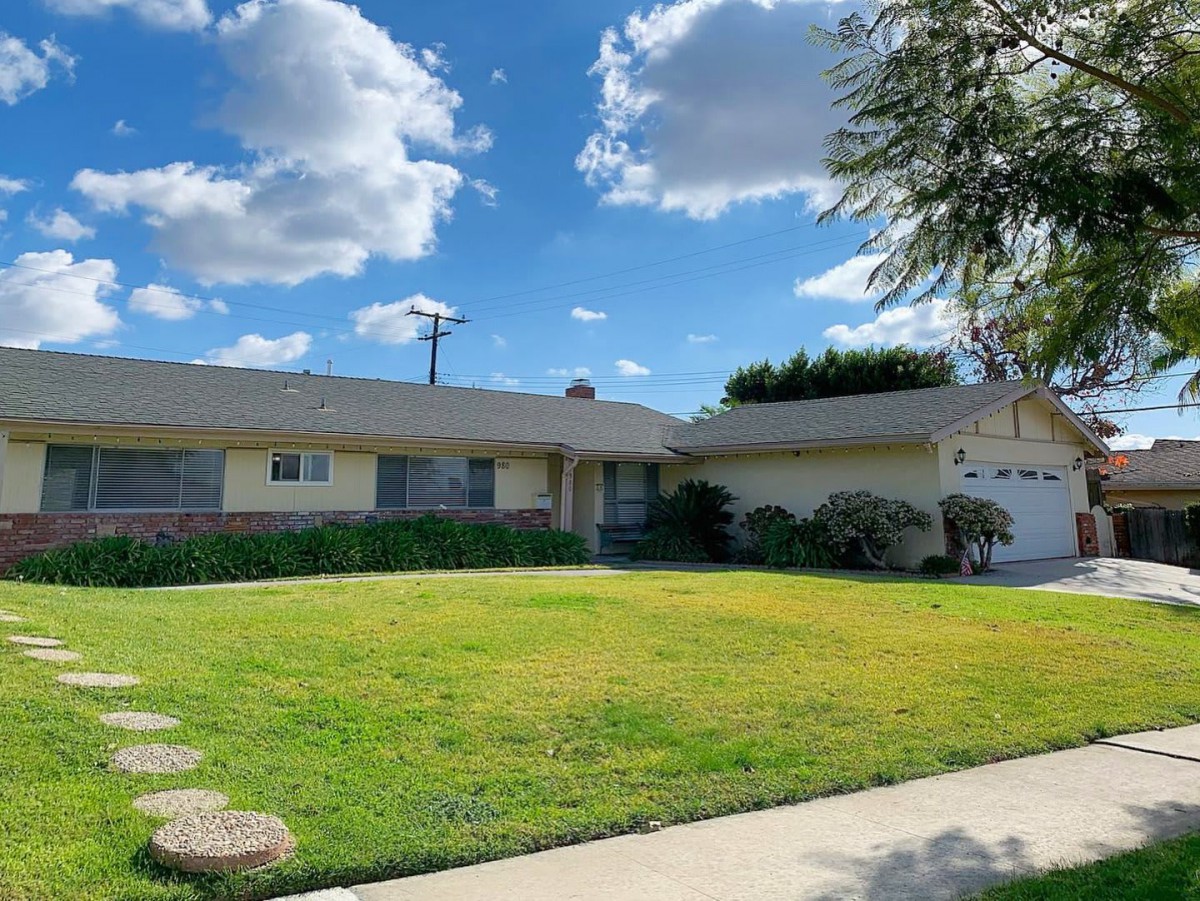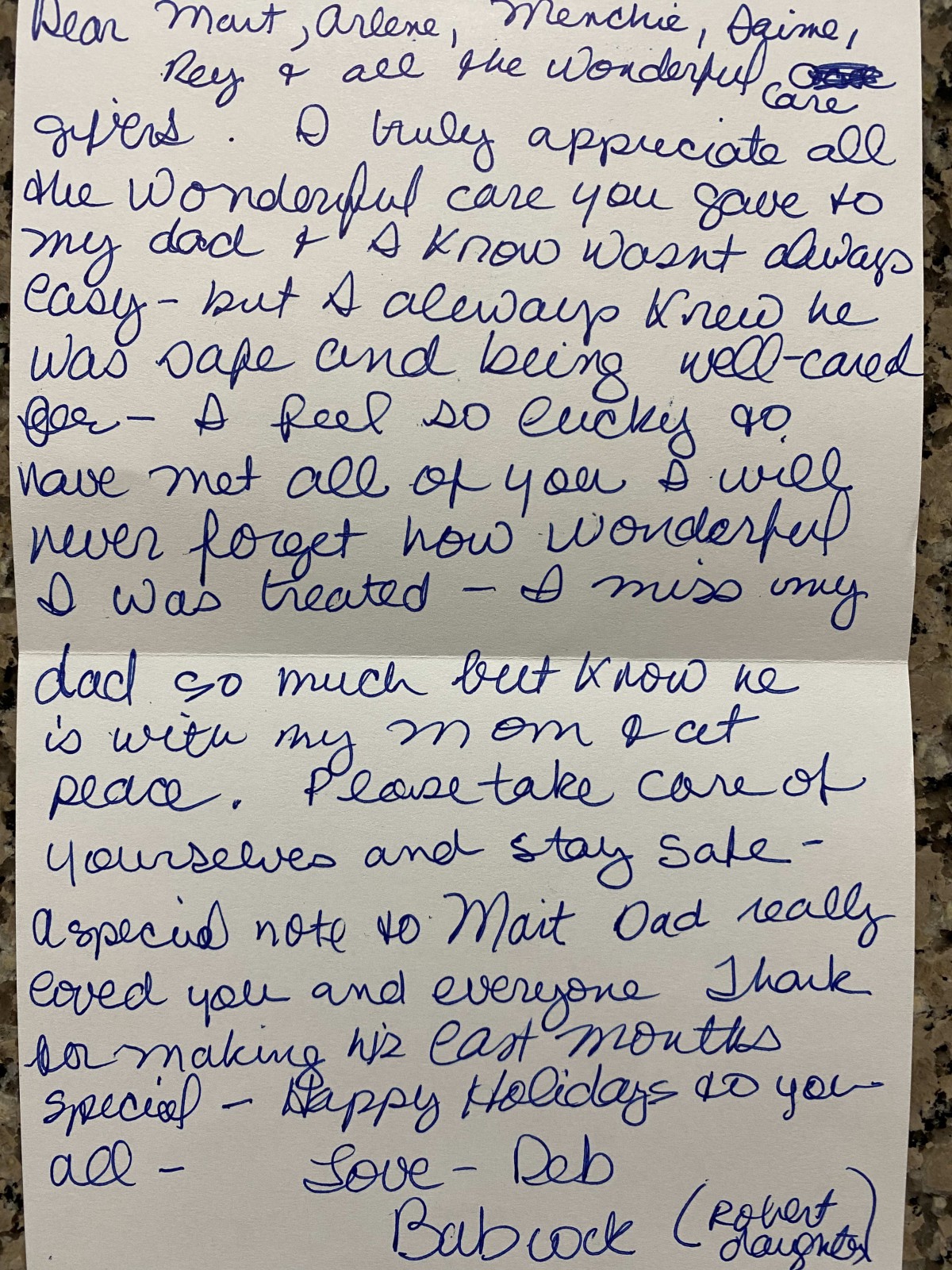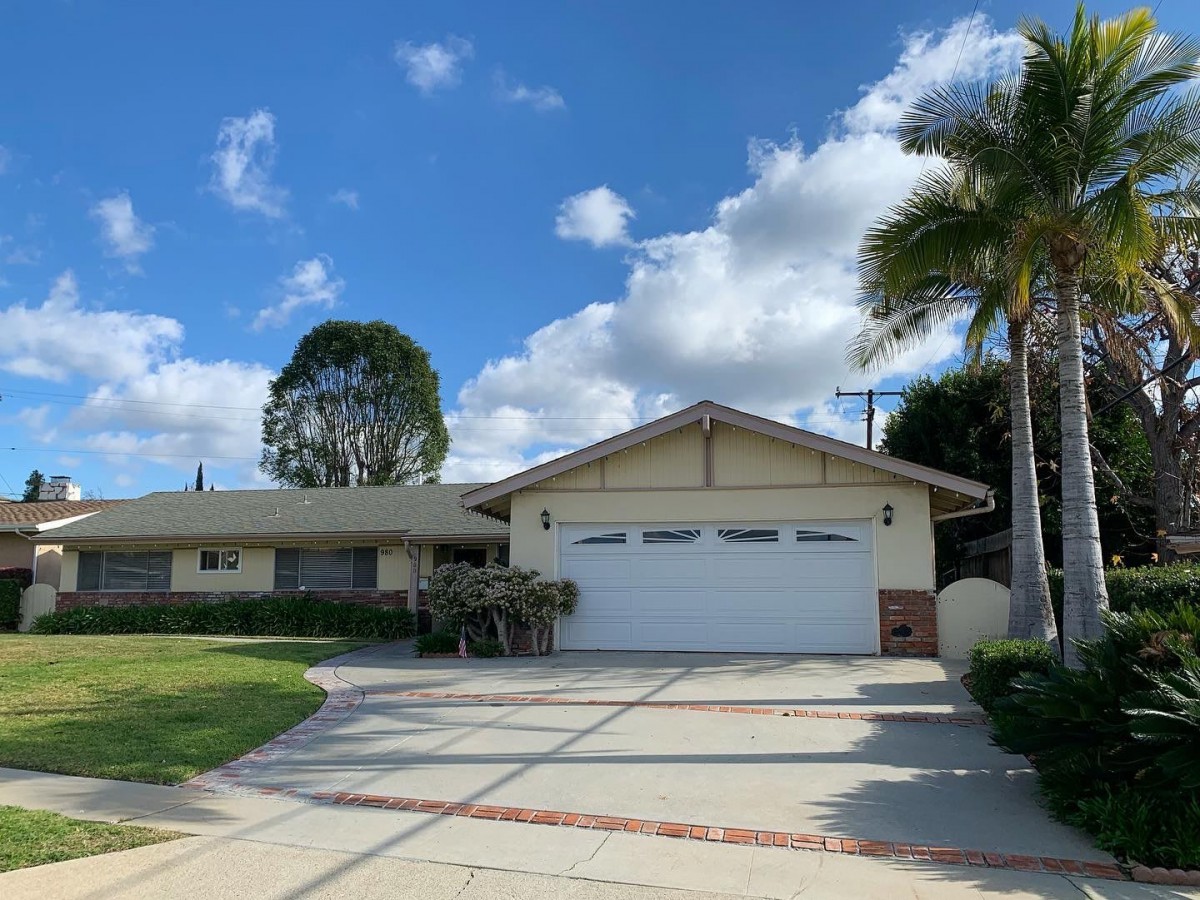
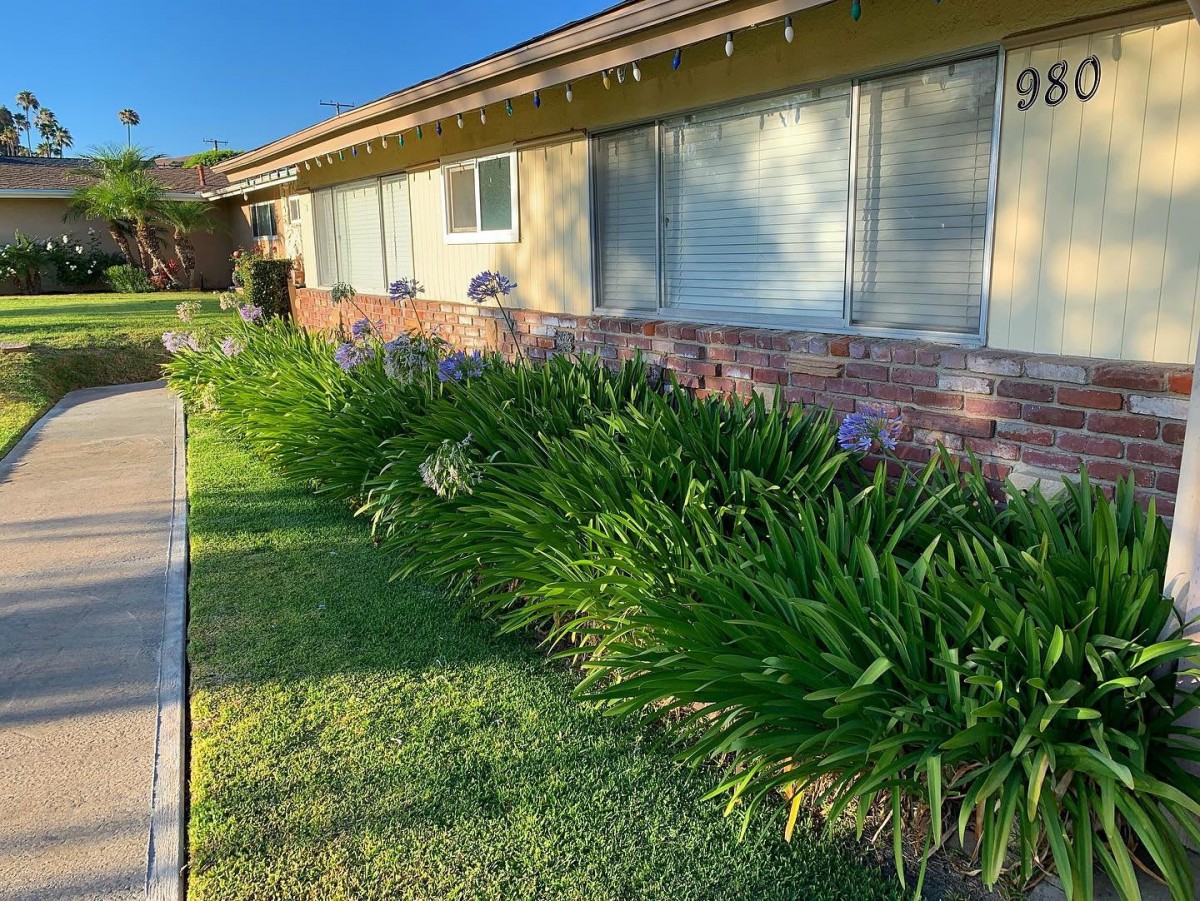
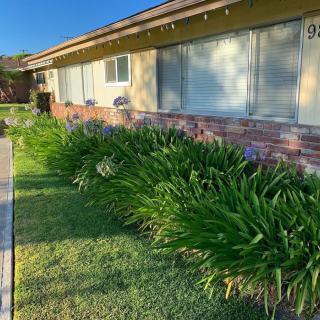
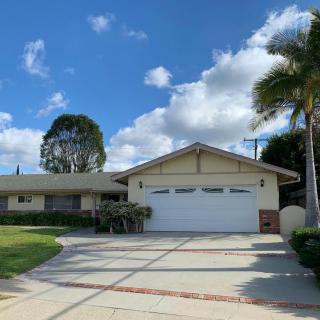
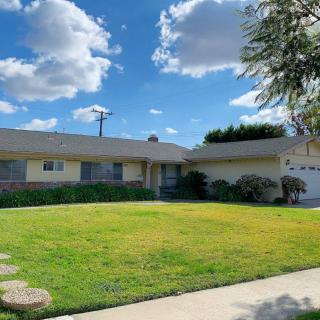
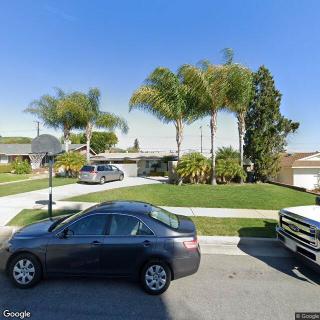
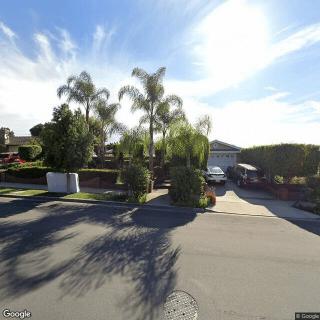
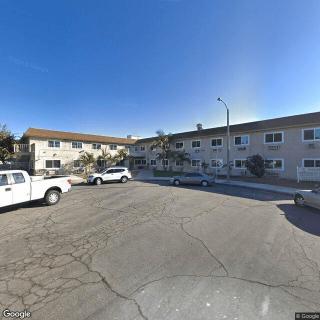
980 Flamingo Way, La Habra, CA 90631
For more information about senior living options: (866) 208-4318
Golden Eden Costs & Pricing
At Golden Eden, the monthly costs for accommodations reflect a competitive pricing structure compared to both Orange County and statewide averages. For a semi-private room, residents are looking at a fee of $3,500, which is slightly higher than the county's average of $3,431 but remains above California's overall number of $3,333. In contrast, the price for a private room at Golden Eden is set at $4,000 - this is somewhat lower than Orange County's typical charge of $4,104 yet sits above the state average of $3,939. This positioning suggests that while Golden Eden offers amenities and care that exceed some local options in value for semi-private arrangements, it strives to balance quality with affordability in its private offerings within the broader California context.
| Floor plans | Golden Eden | Orange County | California |
|---|---|---|---|
| Semi-Private | $3,500 | $3,431 | $3,333 |
| Private | $4,000 | $4,104 | $3,939 |
Assisted Living communities with a similar price nearby
-
from +$495 / mo
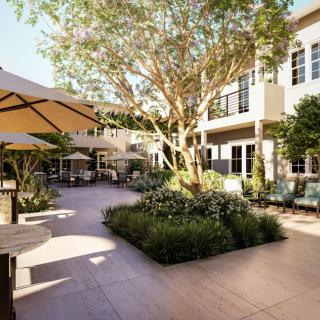
Cadence Brea
$3,995 to $5,500 / month2.6 miles away -
About the same
Kind Heart Home Care VI
$3,500 to $5,000 / month23.5 miles away -
About the same
Loving Home Care
$3,500 to $4,500 / month12.7 miles away -
from -$200 / mo

Bella Manor II
$3,300 to $4,290 / month12.3 miles away -
from +$500 / mo
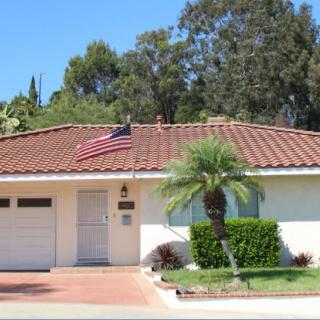
Palomino Residential Care
$4,000 to $6,000 / month14.2 miles away
Overall Review of Golden Eden
Pros
 Golden Eden 1 is a nice place.
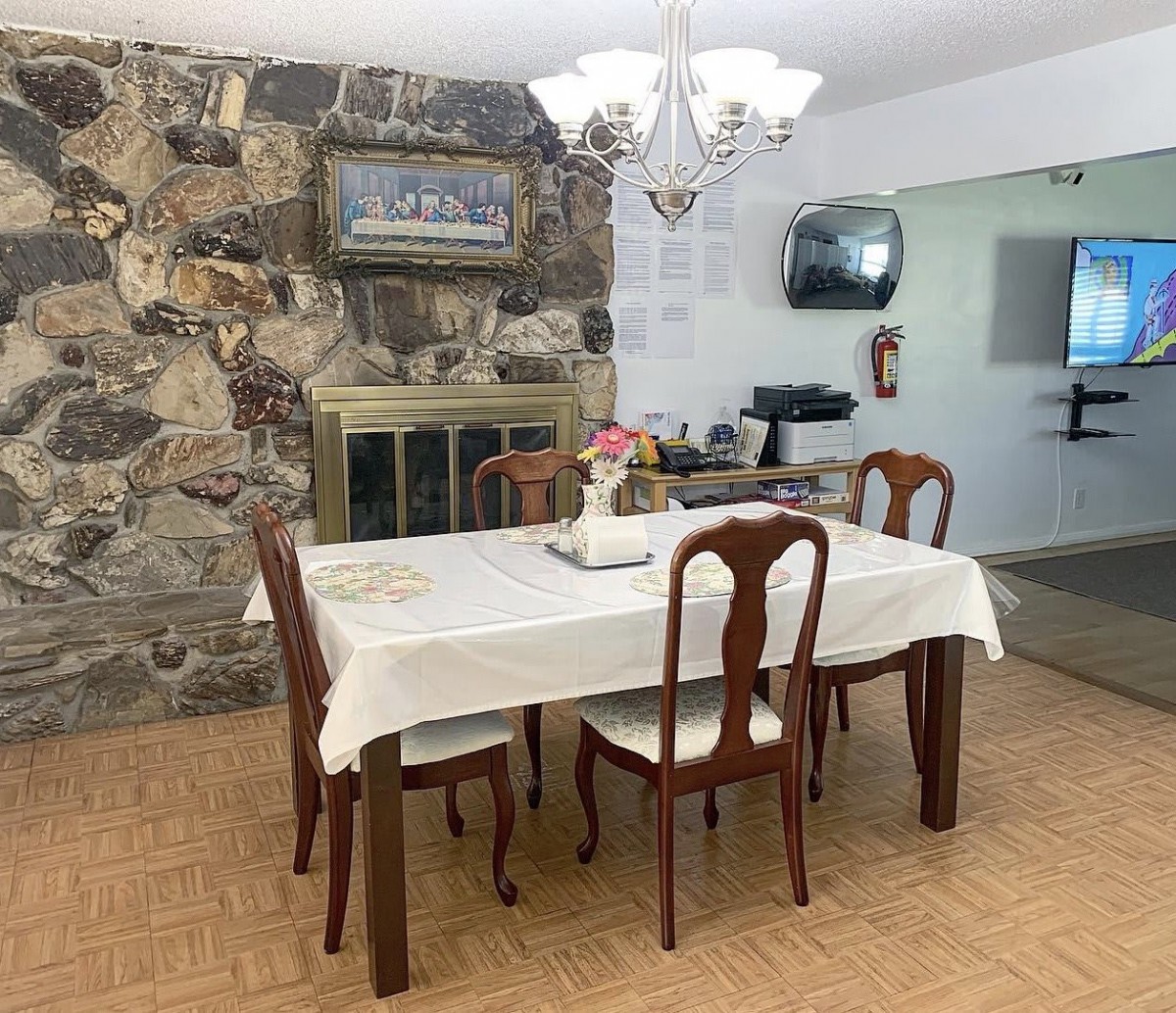
- It is clean, tidy, and odor-free.
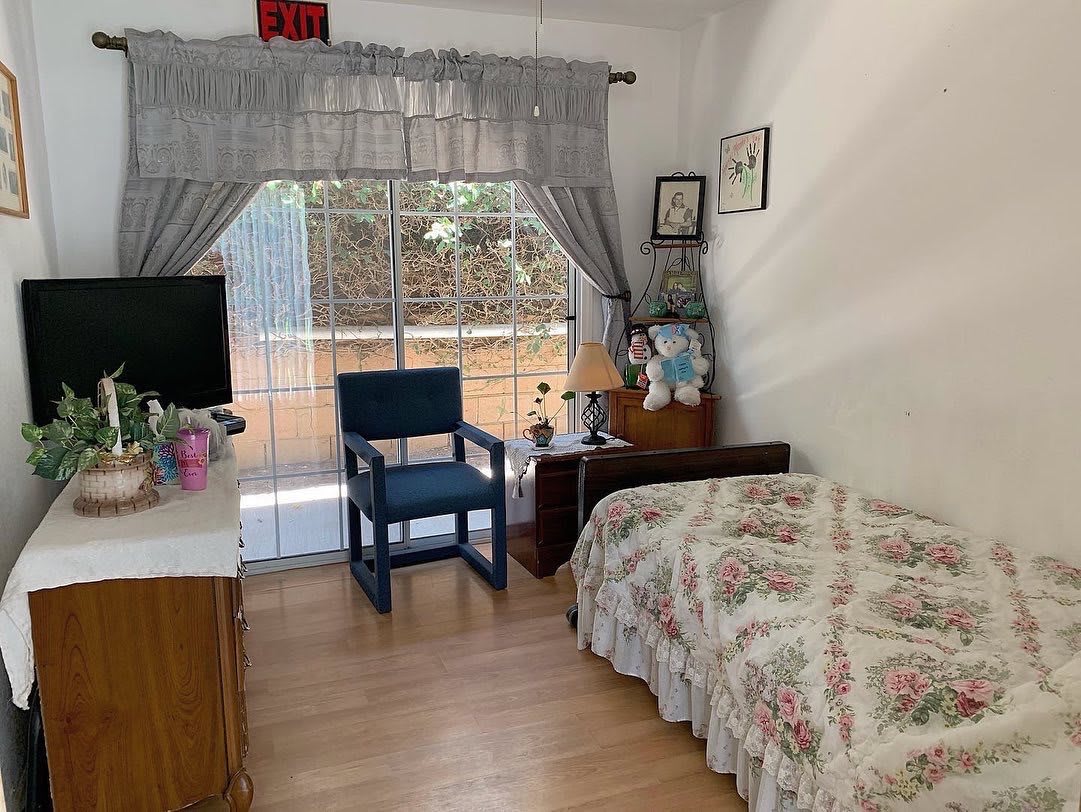
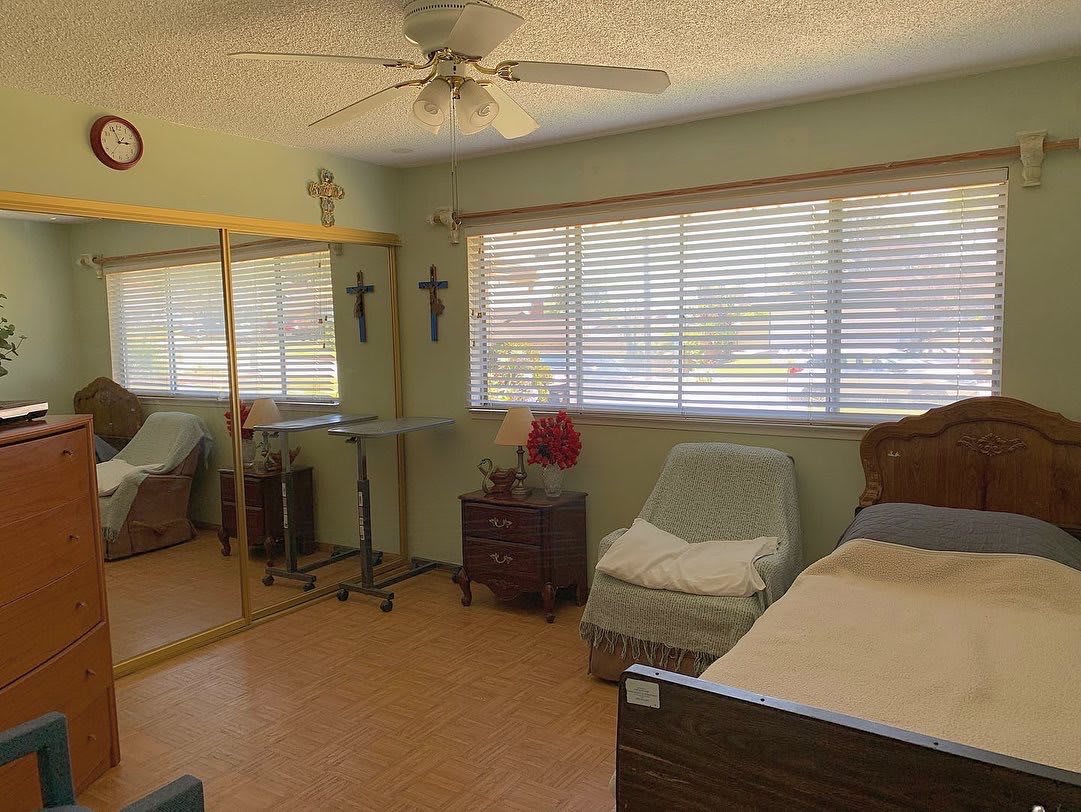
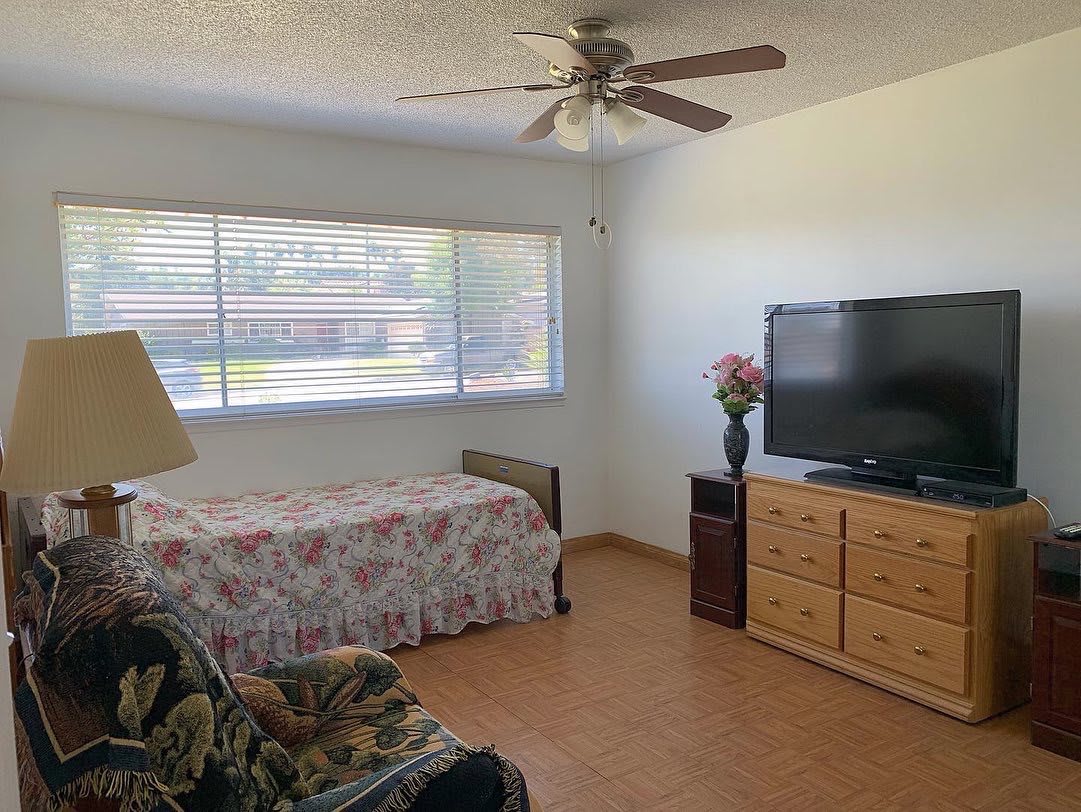
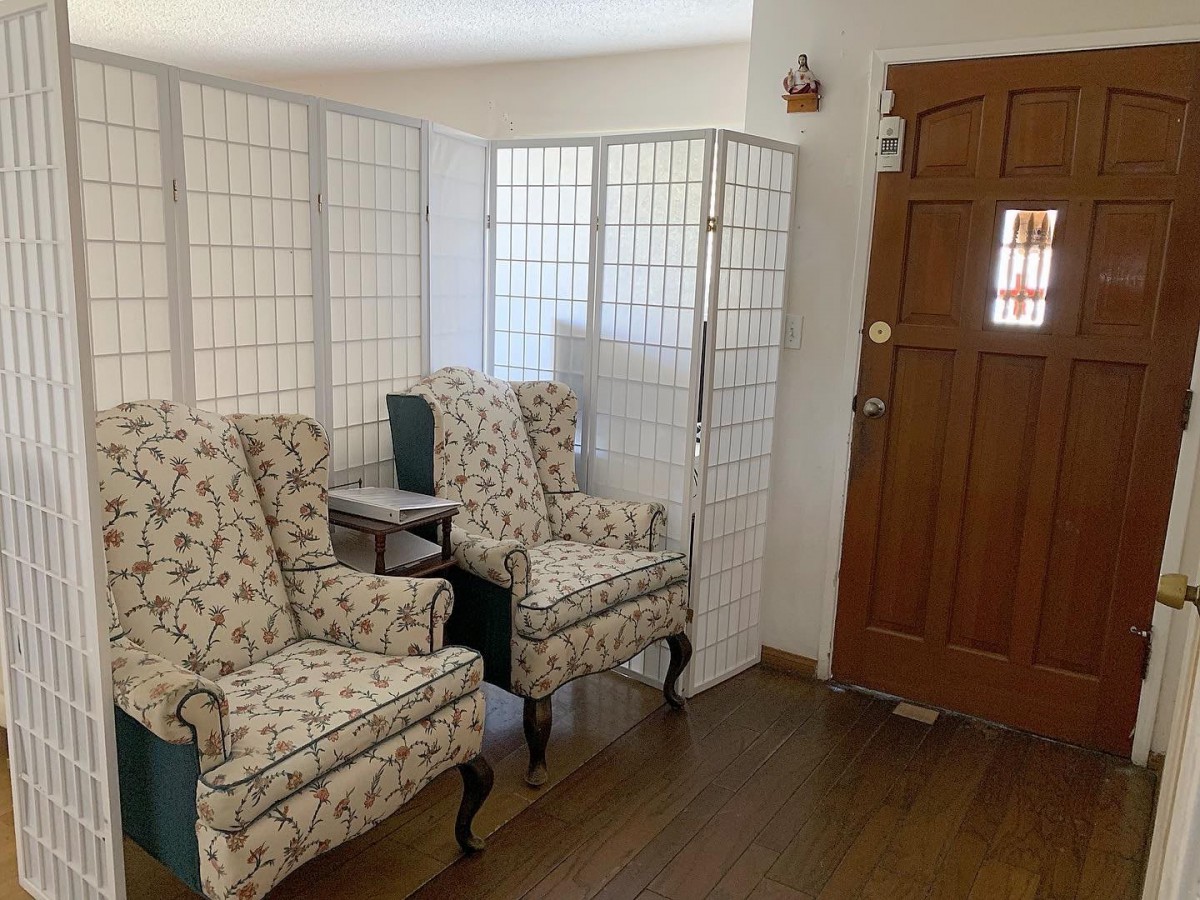
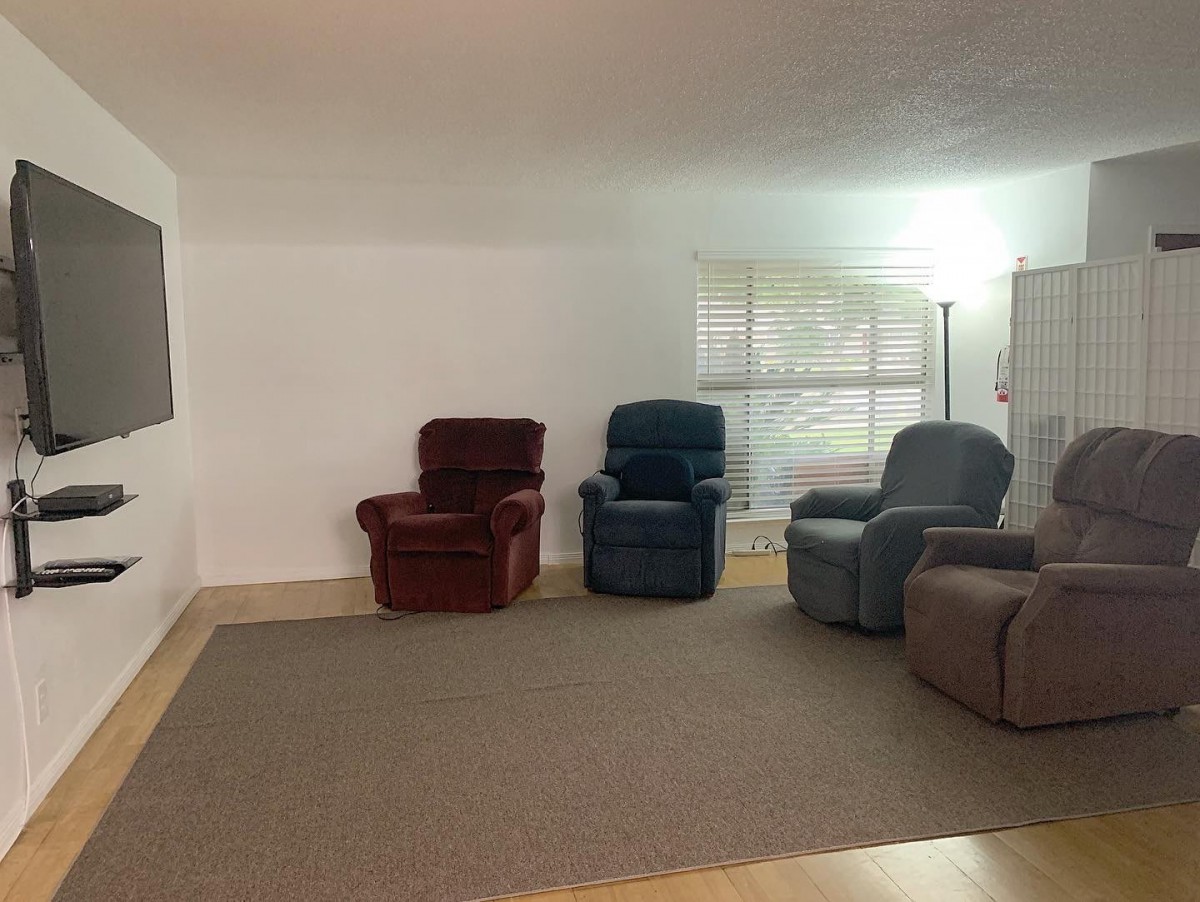
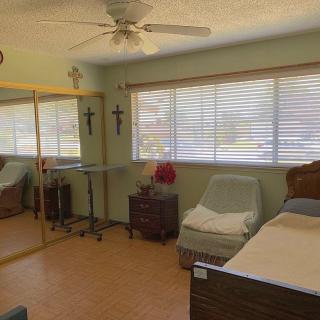
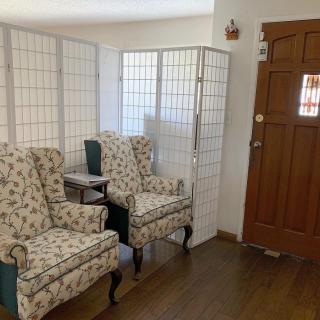
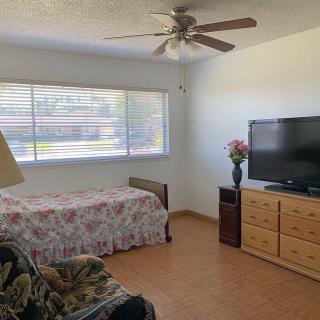
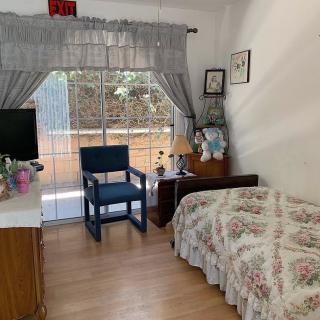
- It is a small place with six guest rooms, and all of them look nice.
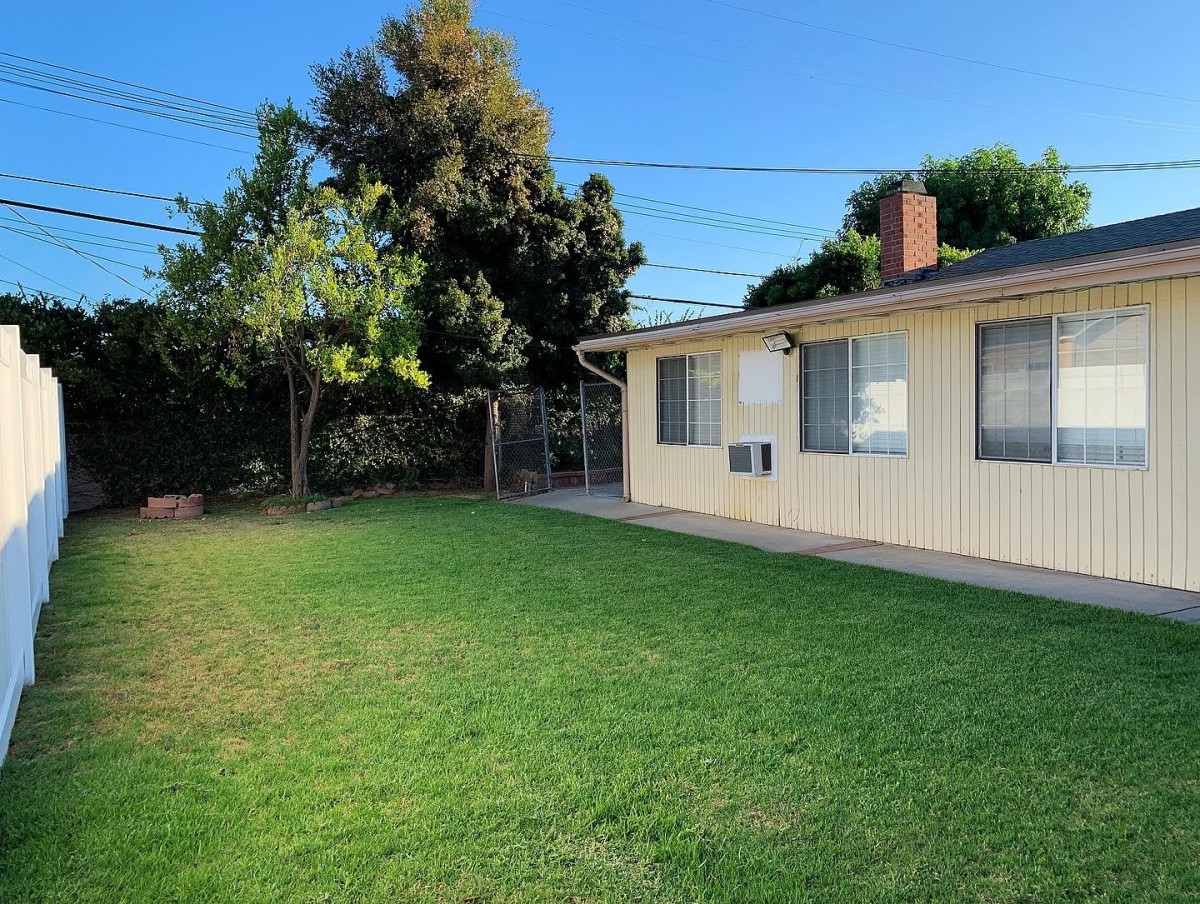
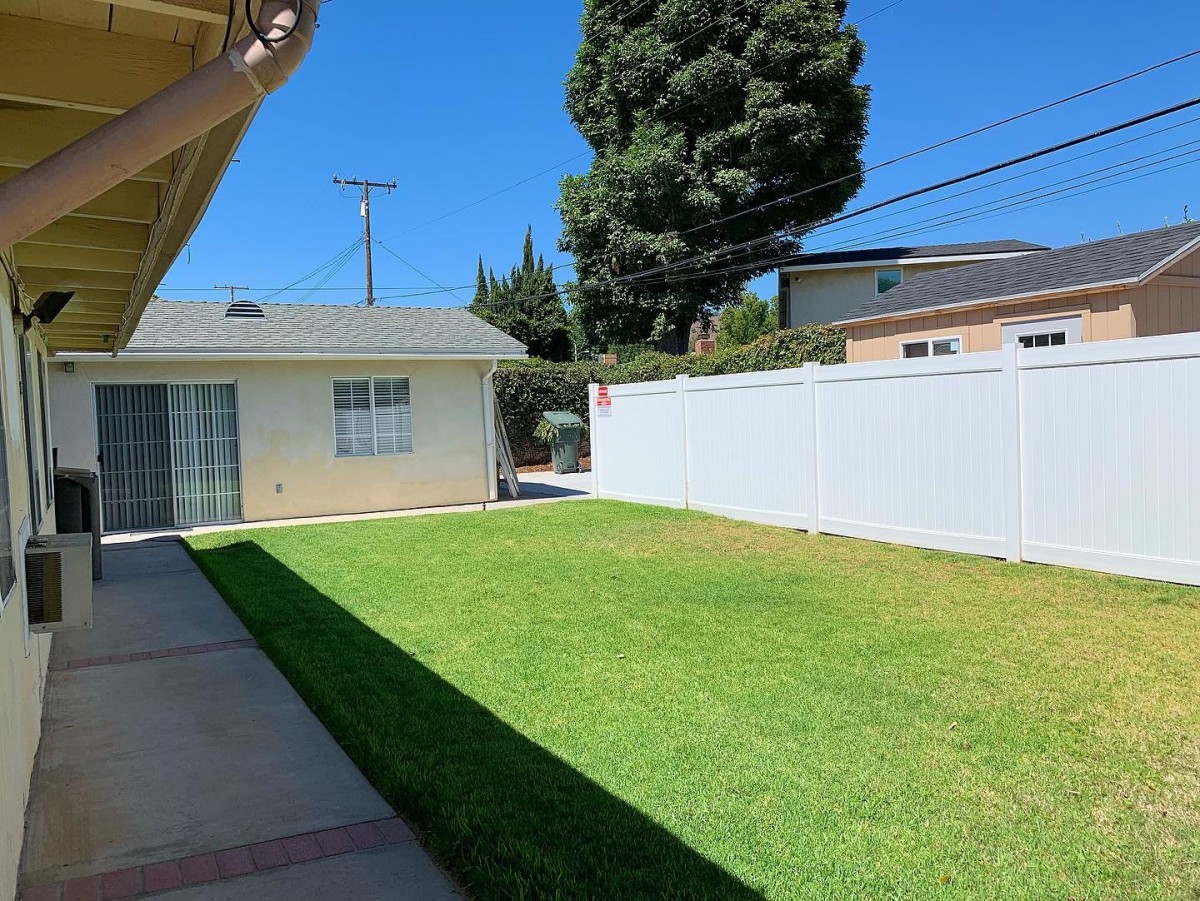
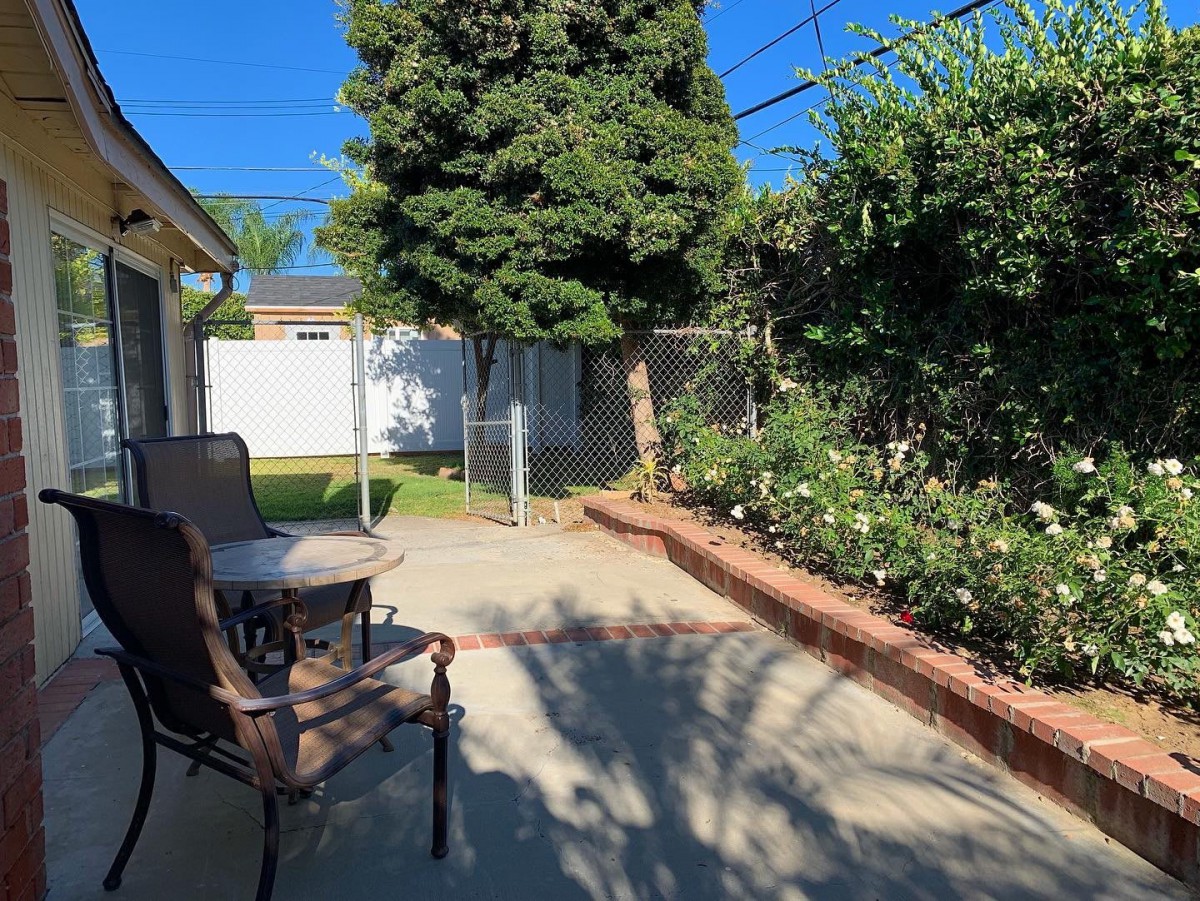
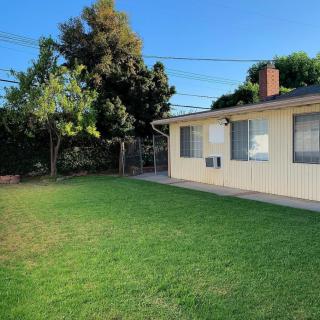
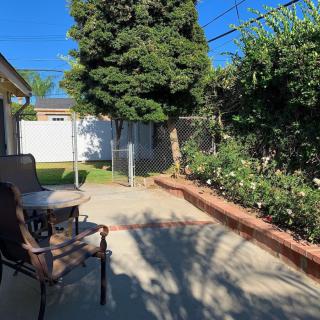
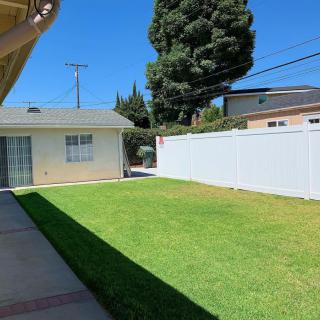
- It has a nice outdoor area.
- The tour guide was very knowledgeable and answered all questions.
- He was not pushy and was a very nice guy.
Review
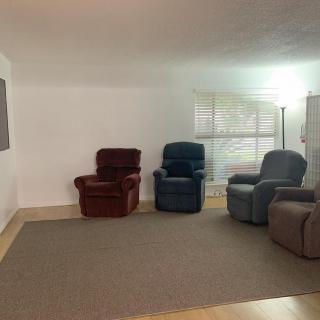
Golden Eden 1 in La Habra is best suited for seniors who want an intimate, home-like setting where cleanliness and quiet, predictable routines trump bustle and large-scale programming. The six-room footprint creates a small-community feel, so residents are known by name, not numbers. For families evaluating options for a mother who appreciates tidiness, fresh-air access, and a non-confrontational tour experience, this setting can feel reassuringly manageable. The space was described as clean, tidy, with no noticeable odor, which matters for ongoing comfort and relativesā€™ peace of mind. The outdoor area adds a comforting touch for outdoor time, gentle walks, or tea on a pleasant day.
Alternatives to consider: for seniors needing more robust daily assistance, medical oversight, or a busier social calendar, a larger assisted living campus may be preferable. The limited room count implies fewer staff on-site at any given moment and fewer structured activities; this can be limiting for residents who crave diverse programming, more therapy options, or more frequent nursing care. Families should also consider whether there are on-site amenities such as dining rooms with varied menu options, beauty or barber services, therapy spaces, or private spaces for family visits, which tend to be more common in bigger communities.
Key pros offset the potential drawbacks through practical, tangible benefits. The pronounced cleanliness and absence of odors point to strong housekeeping and maintenance, contributing to a safer, healthier living environment. The six-room format fosters rapid caregiver familiarity and consistent routines, which can translate into attentive daily support and a sense of security for residents who rely on reminders, assistance with mobility, or help with medications. The appealing outdoor area provides an accessible, low-stress venue for fresh air, light activities, or simply enjoying a pleasant day without navigating a larger campus. A tour that was knowledgeable yet not pushy reduces decisional pressure and supports genuine confidence in the staff and setting.
On the flip side, the intimate scale that creates comfort can also limit the resident experience. Fewer residents mean fewer opportunities for spontaneous social interaction or a full slate of group activities, which can be a drawback for those who thrive on daily variety and peer engagement. Staffing levels, while adequate for a small house, may constrain response times and the breadth of on-site services, potentially affecting response to urgent needs or specialized care. For those requiring frequent skilled nursing, complex medical oversight, or a wide array of therapy options, the small campus may fall short. Families should weigh whether peace of mind and personalized attention justify trading off a broader care menu and richer social landscape.
Smart steps in evaluating should center on concrete details. Confirm exact care services offered on site and whether nursing support is available on-site or on-call, along with typical staffing ratios during different shifts. Inquire about meal options and dietary flexibility, transportation arrangements, and access to outside appointments. Clarify lease terms, pricing structure, and any move-in incentives to avoid surprises later. Where possible, request a tour during active service hours to observe how daily routines unfold, including dining, activities, and how outdoor spaces are used. The goal is to verify that the intimate strengths are consistently supported by reliable care and predictable routines.
Overall, Golden Eden 1 presents a clear, compelling option for families prioritizing cleanliness, simplicity, and genuine, low-pressure engagement with staff. It is particularly well-suited for a mother who would benefit from a cabin-like, small-community atmosphere where caregivers know her preferences and daily rhythm. Those requiring more extensive medical support, a broader menu of activities, or a larger social milieu should actively compare against larger, more resourced communities to avoid compromises on care complexity and social opportunities. In practical terms, Golden Eden 1 is a strong match when the priority is quiet reliability and personal attention; for demands beyond that scope, exploring alternatives is prudent.
 6 resident community capacity
 Assisted Living
 Board and Care Home
 Activities off-site
 Air-conditioning
 Cable or satellite TV
 Dining room
 Fully furnished
 Garden
 Housekeeping services
 Indoor common areas
 Move-in coordination
 Outdoor common areas
 Private
 Telephone
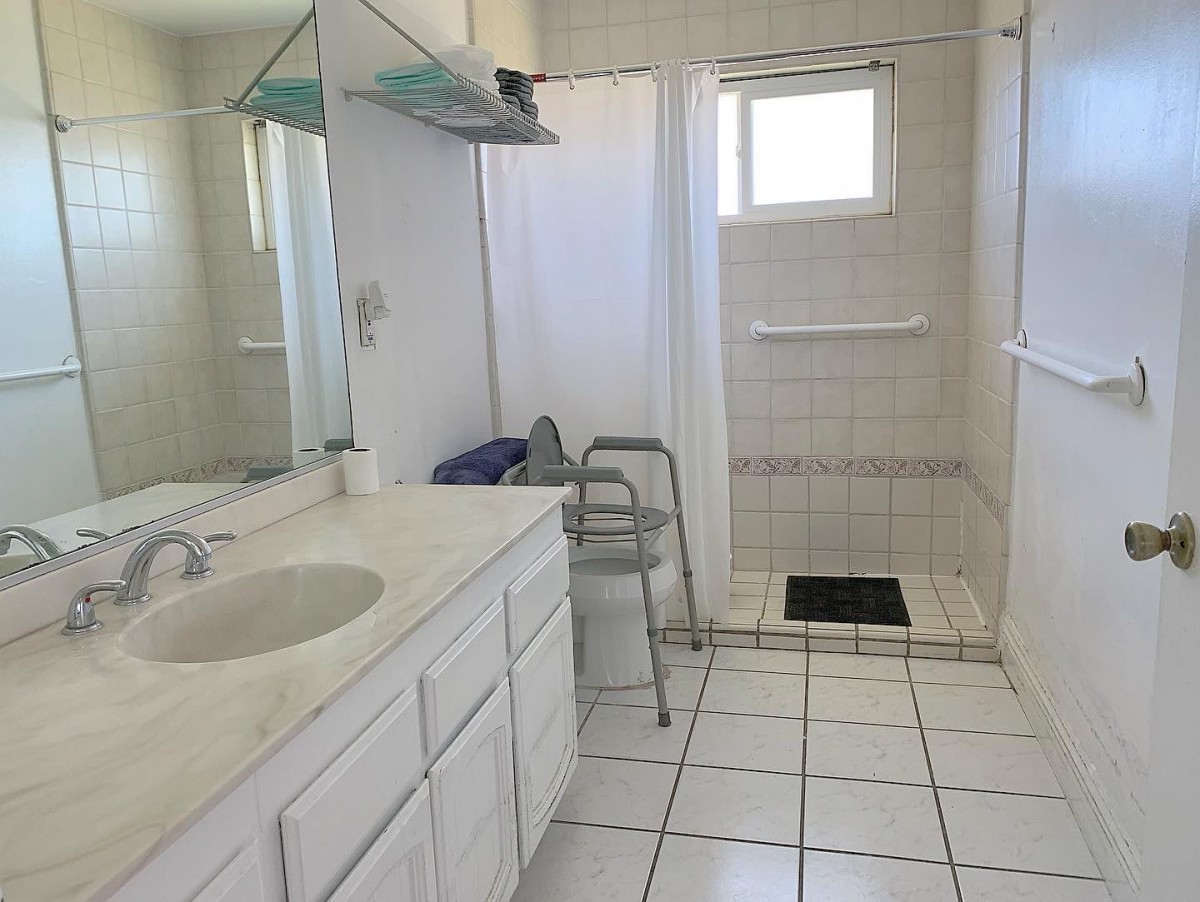
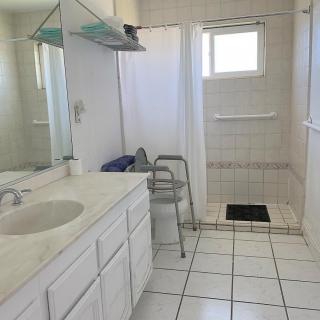
 Wheelchair accessible showers
 Wi-Fi/high-speed internet available
 Long Beach (Daugherty) (16 miles away)
 24-hour supervision
 Assistance with bathing
 Assistance with dressing
 Assistance with transfers
 Diabetes diet
 Diabetic care
 High acuity care
 Incontinence care
 Meal preparation and service
 Medication management
 Special dietary restrictions
 Transportation arrangement (medical)
 Transportation to doctors appointments
 BBQs or picnics
 Birthday parties
 Live dance or theater performances
 Live musical performances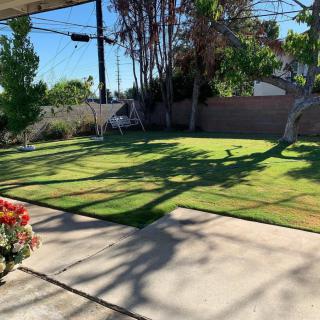

 How and When Medicaid May Cover Assisted Living Costs
 A Detailed Exploration of Assisted Living Medicaid Waivers Across the United States
 Comprehensive Residential Support and Assisted Living Solutions for Individuals with Disabilities