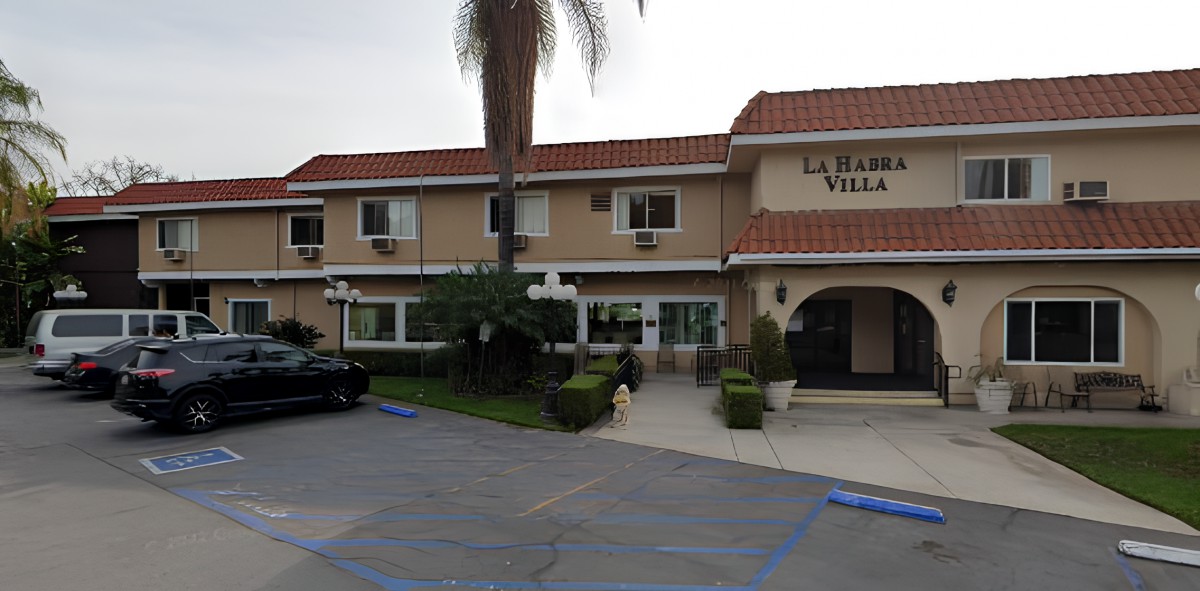

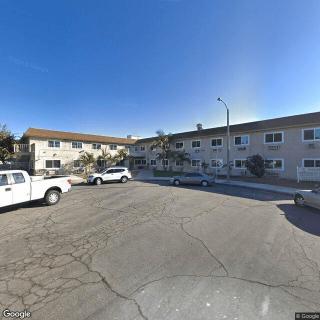
1100 East Whittier Boulevard, La Habra, CA 90631
For more information about senior living options: (866) 208-4318
Overall Review of Bok Senior Hotel
Pros
 The facility takes care of residents who need assistance, including those with dementia.
- It is a very good place for care.
- Everyone there is friendly.
- The staff provide 24-hour care and are always available.
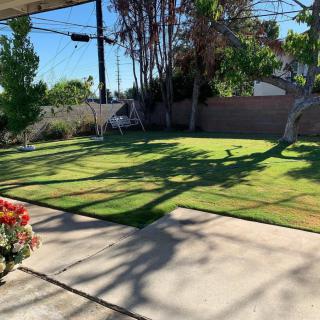
- Residents can move around freely and enjoy the garden.
- The facility offers activities for residents.
- The staff are well-organized.
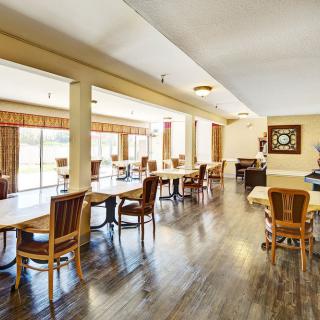
- The food is good and the value for money is good.
Review
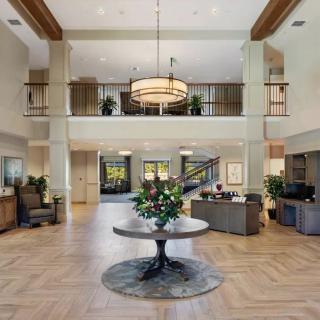
Bok Senior Hotel in La Habra is best suited for seniors who need round-the-clock supervision and dementia-specific support, delivered in a setting that feels personal and actively engaged. The community shines for families seeking reliable, visible care where residents are monitored around the clock and daily routines are structured around safety, companionship, and purposeful activity. For memory-care needs and a service-impaired walker or caregiver relief, Bok Senior Hotel offers a practical, hands-on environment where staff are consistently available to assist and respond.
Those evaluating alternatives should consider whether private space, upscale amenities, or highly medicalized memory-care ecosystems are priorities. The facility appears to accommodate shared rooms, which can be a cost-effective arrangement but may not satisfy families seeking maximum privacy or a boutique atmosphere. If a family prioritizes private accommodations, expansive club-style amenities, or a broader continuum of medical services on-site, other options in the area may provide a closer match. Prospective residents who want a more independent, less caregiving-intensive vibe or a facility with a more formal hospital-like footprint should likely look elsewhere.
The strongest advantages begin with 24-hour supervision and dementia-specific care, anchored by a staff that appears consistently willing to help and to respond to residents’ needs. The sense of a friendly, organized team translates into daily reassurance for families and a calmer routine for residents. Outdoor access to a garden, regular activities, and opportunities to socialize outside a locked-in environment contribute to quality of life and meaningful engagement. Food is described as good, an important factor when care communities aim to make daily life nourishing and manageable for dementia care. When affordability is a concern, the overall value for money is a meaningful offset to the caregiving intensity on display.
At the same time, there are evident caveats. A portion of the ratings suggests variability in experience, and one lower rating signals that not every family will feel the same level of satisfaction. The most tangible friction tends to be privacy and space: shared rooms, while practical and affordable, may not suit everyone, especially those who value quiet, personal space, or a more homelike setting. Families must weigh the comfort of constant supervision against the potential discomfort of crowded or semi-private living arrangements. Additionally, the pace and feel of the community may not match every family’s expectations for independence or discretion in daily routines.
When the pros are weighed against the cons, Bok Senior Hotel still presents a compelling case for families prioritizing safety, memory-care expertise, and an active community beyond a hospital corridor. The reliable, around-the-clock care, combined with dementia-specific support and a clear, organized approach to activities and daily life, can substantially reduce caregiver stress and provide residents with predictability and connection. The garden, accessible social spaces, and visible staff presence create tangible value that often outweighs the trade-offs of shared living quarters. In short, the core strengths, care continuity, staff responsiveness, and engagement, tend to offset the drawbacks for most families seeking practical, dependable memory-support within a modestly priced package.
For families actively evaluating Bok Senior Hotel, the prudent next steps are concrete: request a tour focused on memory-care supports, observe staff-resident interactions during mealtime and activities, and inquire about room configurations and private-space options. Clarify staff-to-resident ratios, normed response times, and daily schedules to understand how routines align with the resident’s needs. Probe the long-term care continuum, including how transitions are handled if memory or medical needs intensify. Finally, consider what matters most, privacy, pace, spiritual and social supports, and proximity to family, and use those priorities to benchmark Bok against other La Habra options. The decision should balance compassionate, hands-on care with personal preferences for space and ambiance, delivering clarity for families navigating this difficult choice.
 340 resident community capacity
 Studio apartments
 Assisted Living
 Respite Care
 Air-conditioning
 Beautician on-site
 Cable or satellite TV
 Computer center
 Dining room
 Financial aid
 Fitness room
 Fully furnished
 Gaming room
 Garden
 Housekeeping services
 Kitchenette
 Move-in coordination
 Outdoor space
 Party space
 Private bathrooms
 Restaurant-style dining
 Small library
 Telephone
 Wellness center
 Wi-Fi/high-speed internet available
 Long Beach (Daugherty) (15 miles away)
 Community operated transportation
 12-16 hour nursing
 24-hour call system
 Activities of daily living assistance
 Assistance with bathing
 Assistance with dressing
 Assistance with transfers
 Diabetes diet
 Medication management
 Mental wellness program
 Special dietary restrictions
 Concierge services
 Games
Games Live musical performances
 Planned day trips
 Stories
 English

 Social Security Benefits and Assisted Living: Navigating Options Across the U.S.
 An Extensive Exploration of the VA Aid and Attendance Benefit
 Senior Transition Services: Understanding Their Role, Cost, and Importance