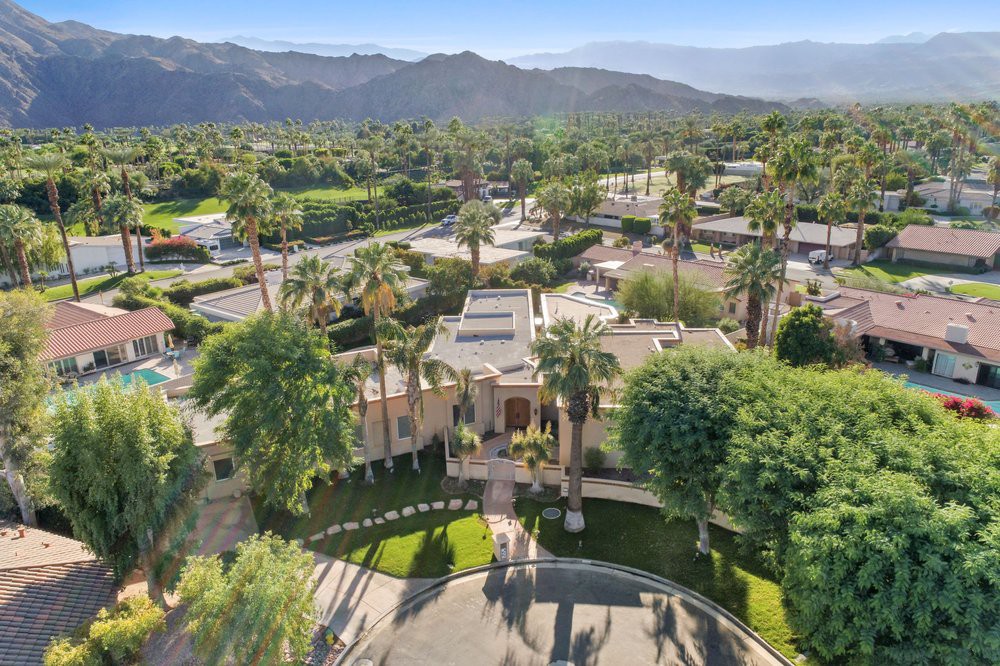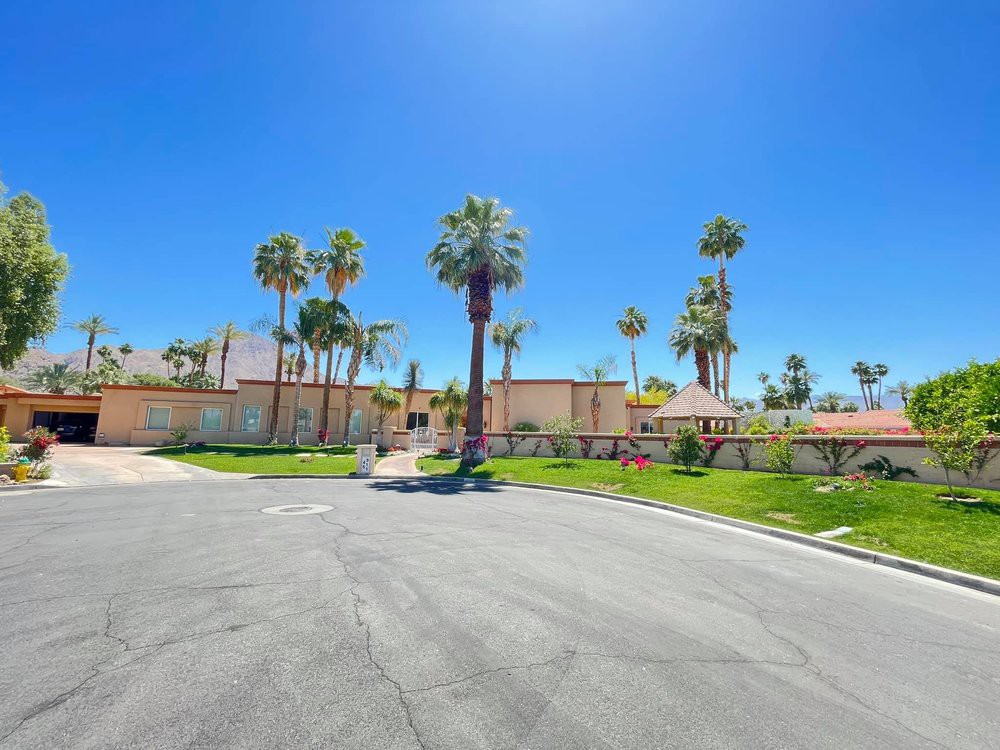
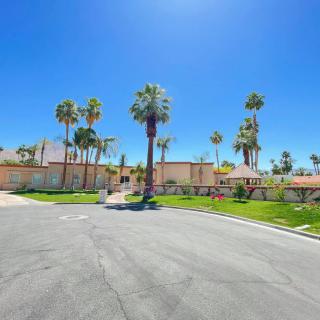
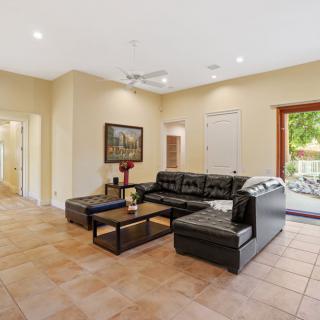

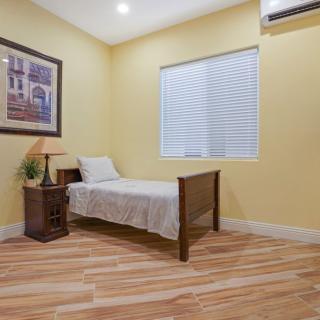

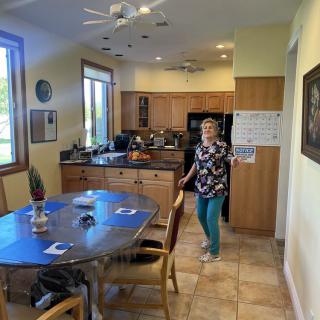



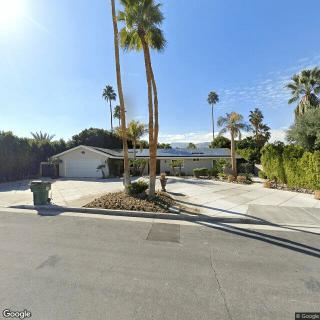
45911 Paseo Coronado, Indian Wells, CA 92210
For more information about senior living options: (866) 208-4318

Overall Review of Md Premier Care Home
Pros
 The MD Premier team delivers truly exceptional care, treating residents with compassion, dignity, and genuine kindness, making them feel like family.
- They specialize in Alzheimer’s and dementia care, providing attentive, personalized care that reassures families their loved ones are getting the attention they need.
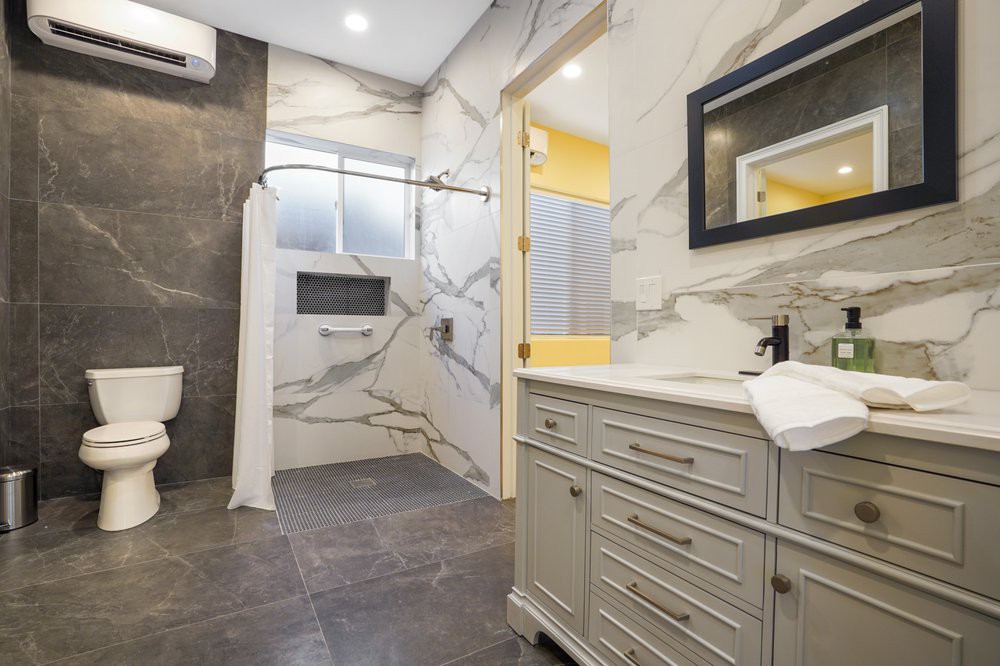
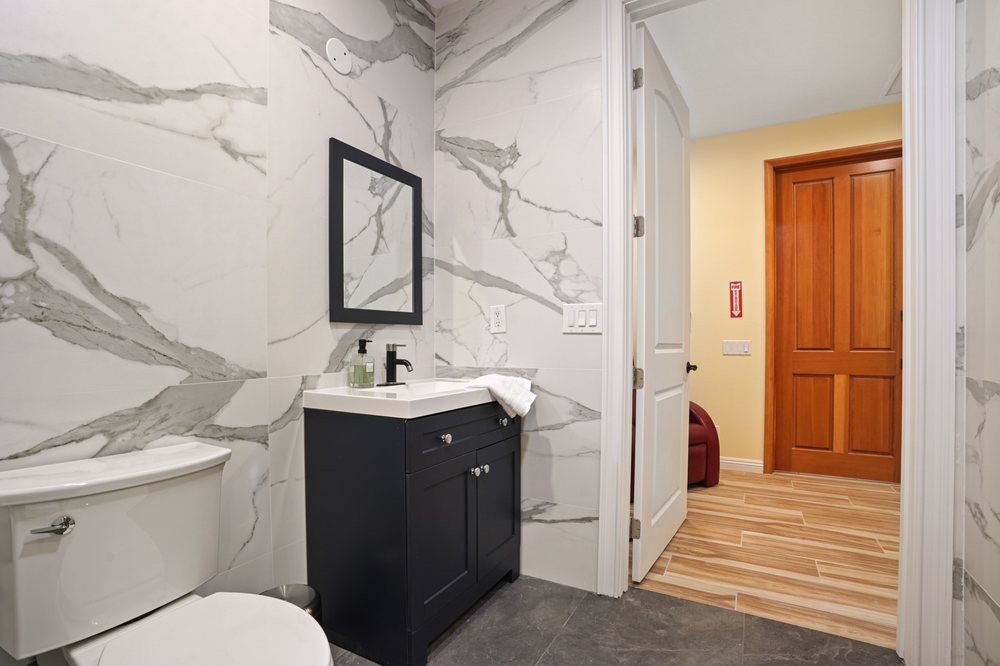
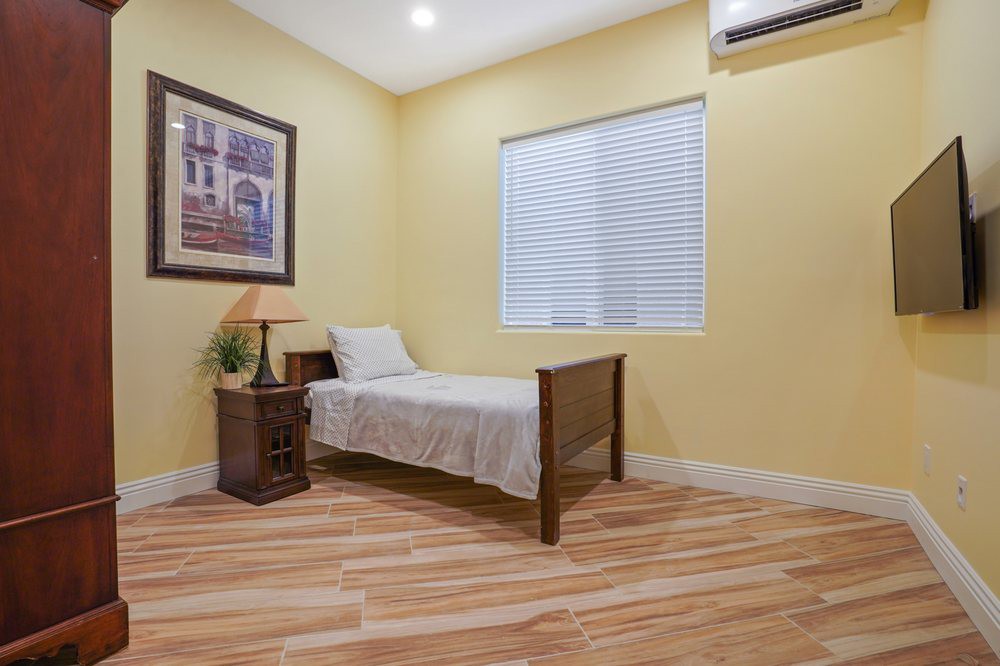
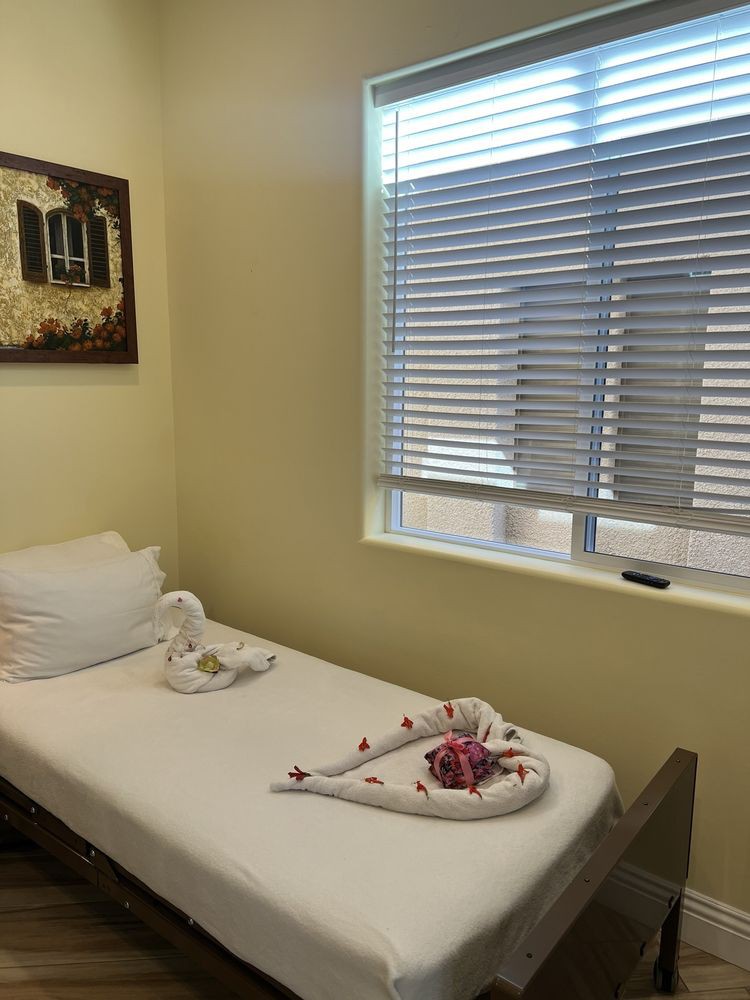
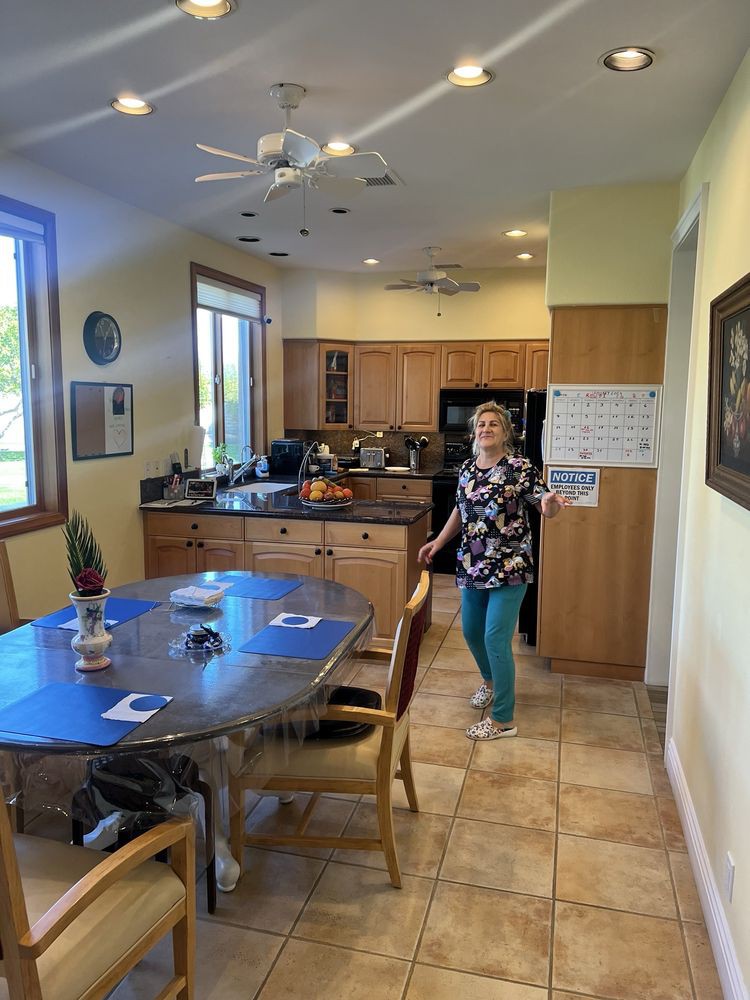
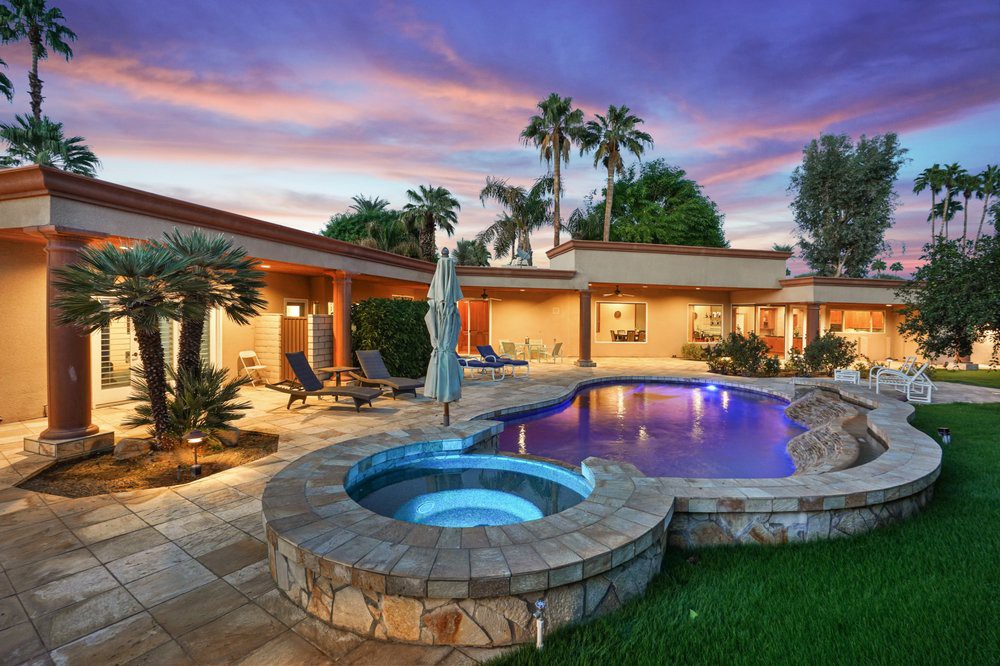
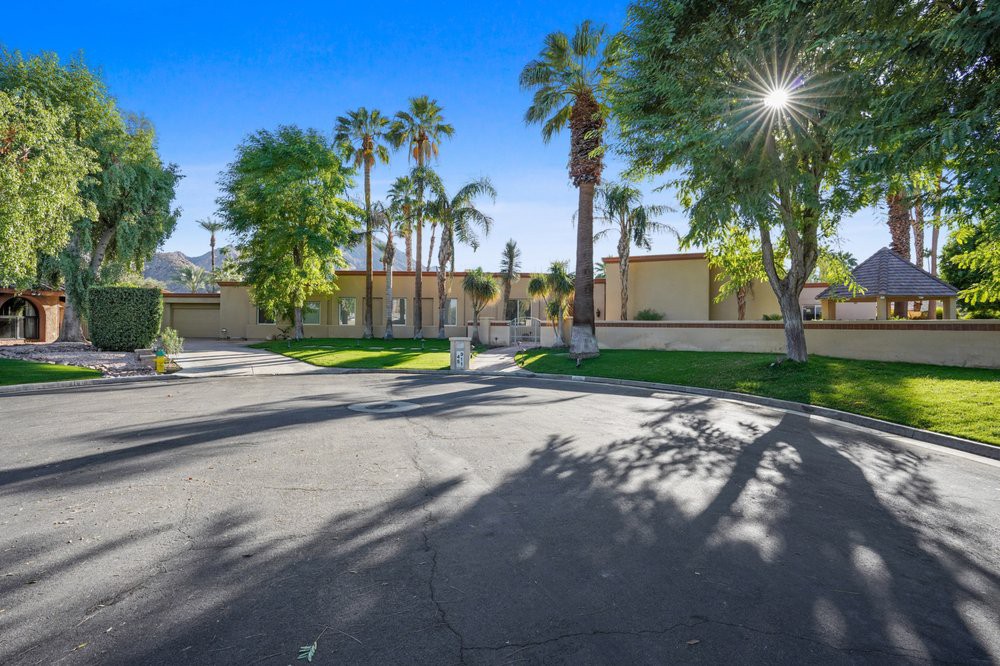
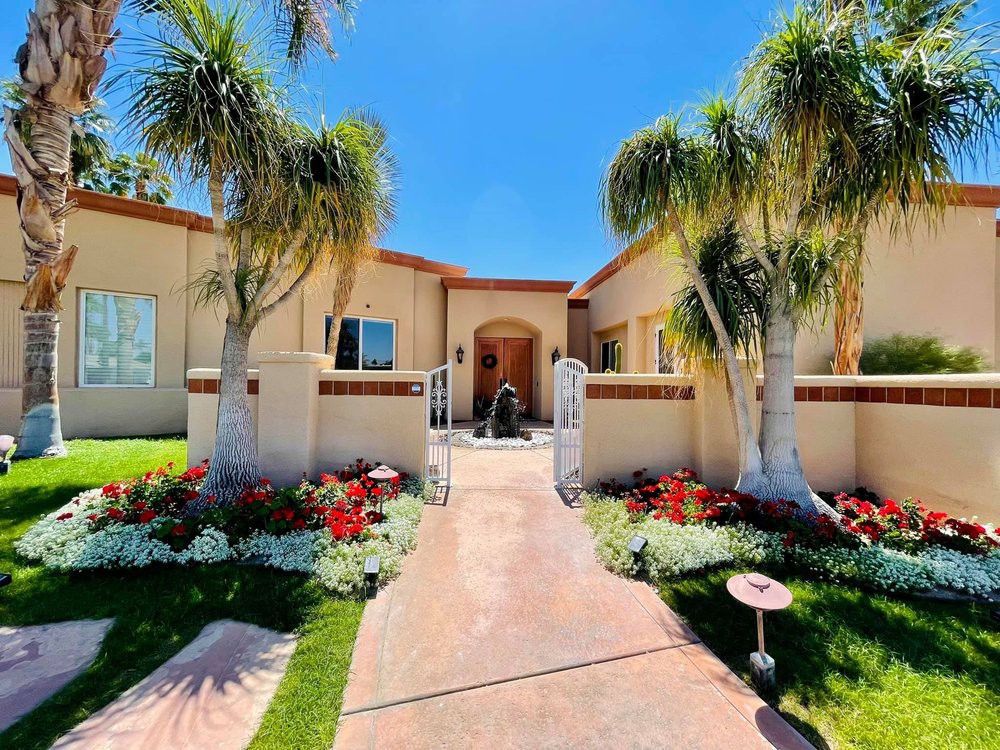
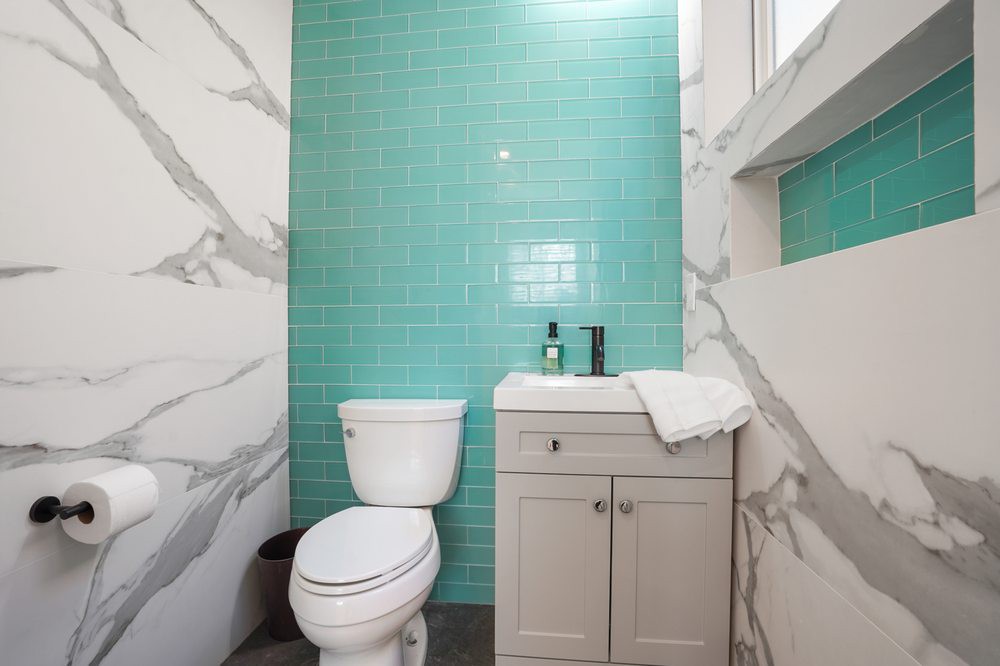
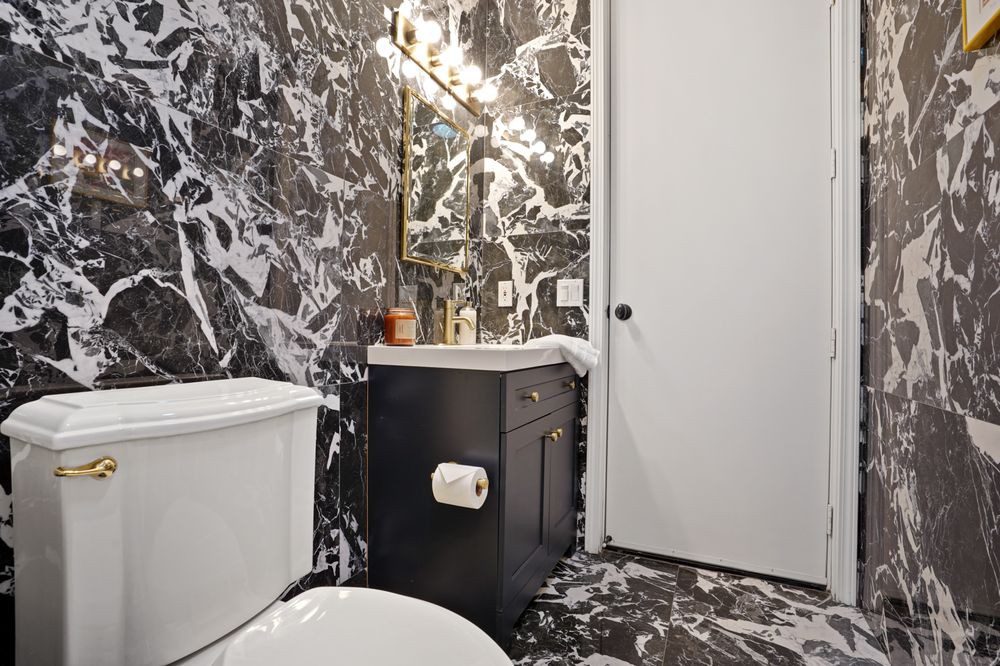
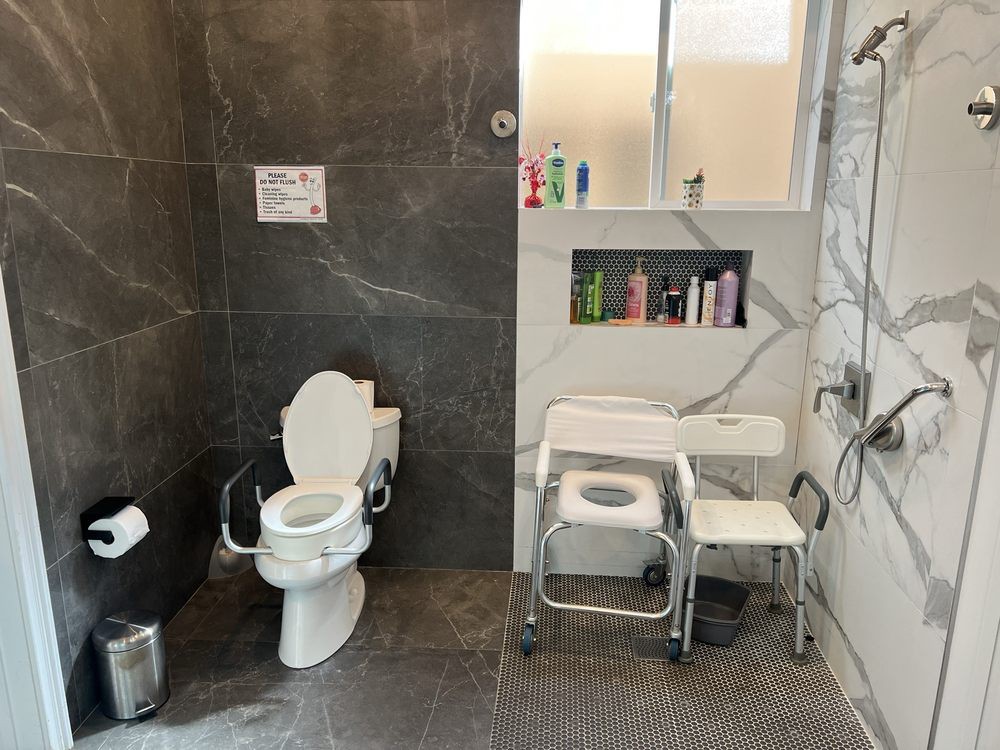
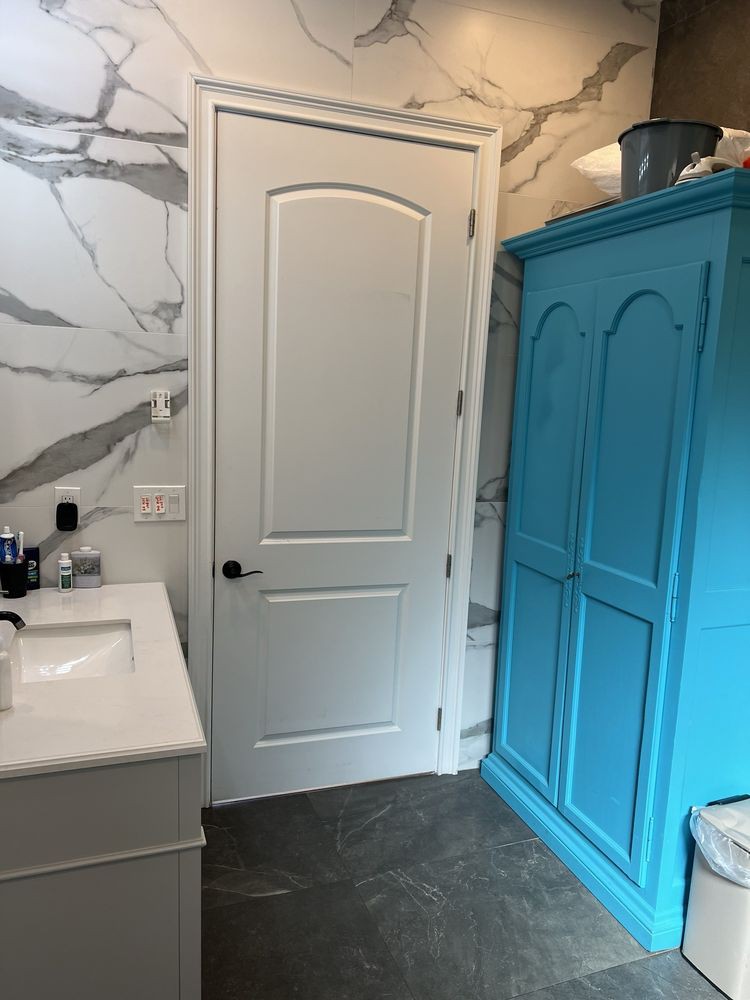
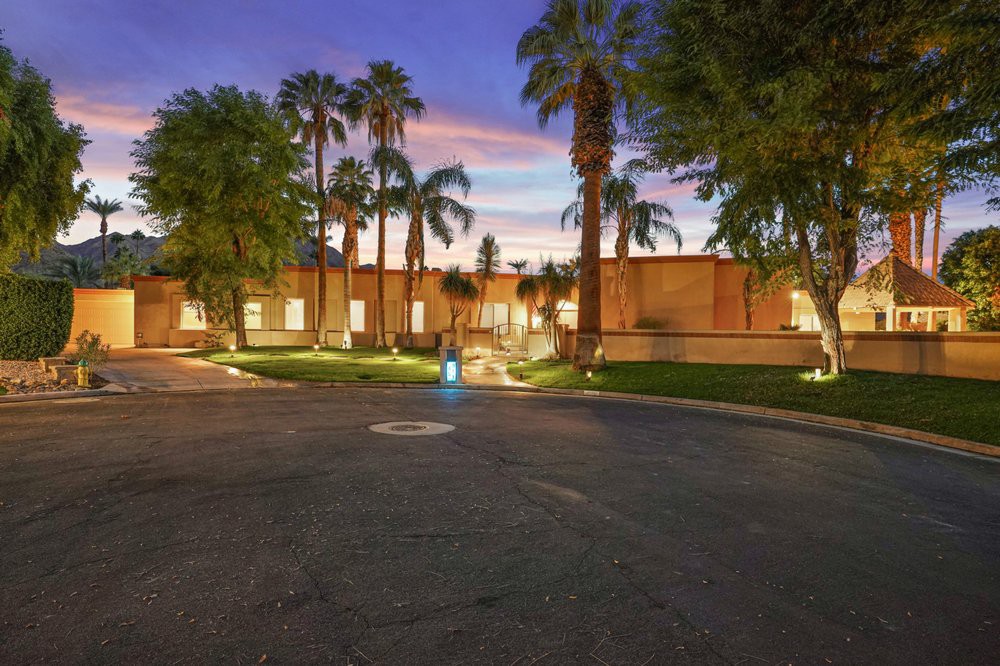
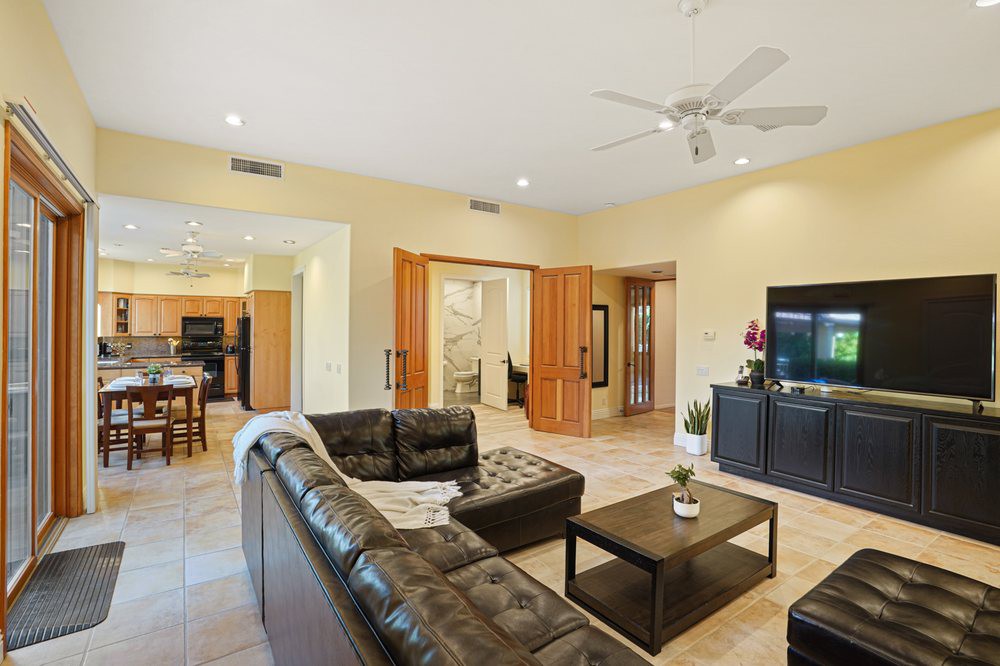
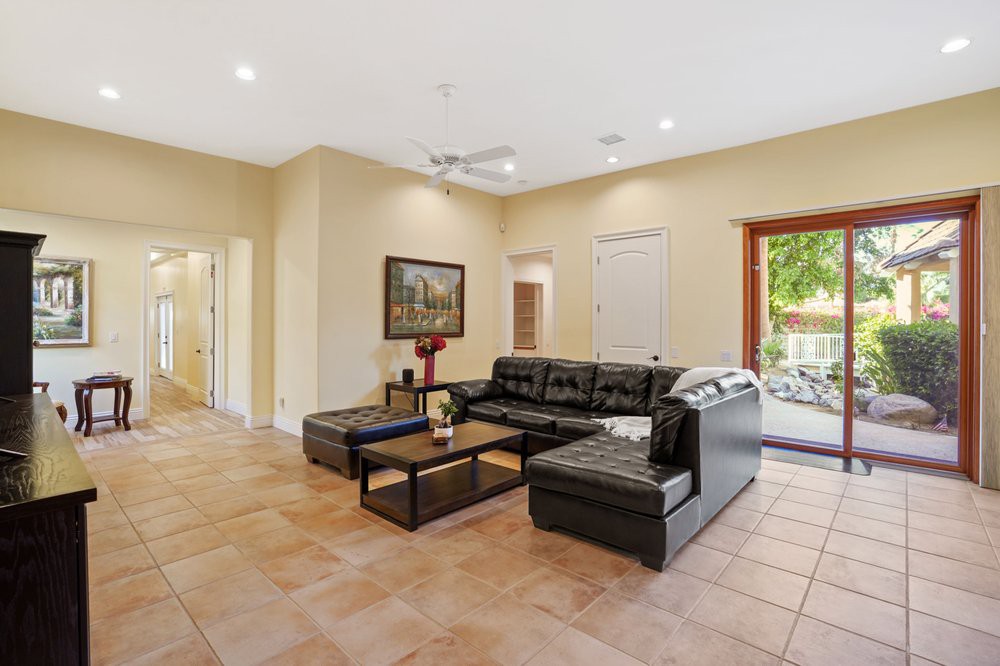
- The facilities are beautiful, spotless, and inviting, with clean spaces and comfortable rooms that reflect residents’ personalities.
- Families gain peace of mind knowing their loved ones are safe, well-fed, engaged, and treated with respect.
- The caregivers are compassionate, patient, and communicative, consistently updating families and going above and beyond.
- MD Premier is often described as the finest care facility and the best option in the area, with staff who truly care.
Cons
 The reviewer questions whether the price is worth it, describing the cost as shocking and doubting the value.
- They express concern about how MD Premier would handle care once the facility fills up, noting it currently accommodates a maximum of six residents.
- The review acknowledges the trauma families face when they must admit they can no longer care for their loved one.
Review
MD Premier Care Home in Indian Wells is best suited for families seeking an intimate, home-like environment where an older adult can receive exceptionally personalized attention, dignity, and warmth. The community functions as a true private home boarding setting, capped at six residents, which makes it ideal for seniors who thrive on one-to-one consistency, predictable routines, and a sense of family rather than a clinical, institutional backdrop. The emphasis on Alzheimer’s and dementia care, coupled with ongoing hospice support when needed, positions this option as a practical choice for families prioritizing continuity of relationships, transparent communication, and safety within a small, controllable footprint. For residents who prize privacy, individualized meals, and a beautifully groomed, serene setting, this community delivers on a level rarely found in larger facilities.
Those weighing MD Premier against other paths should explicitly consider alternatives if the priorities lie elsewhere. Families pursuing a larger social circuit, abundant on-site programming, or a more traditional “facility” feel may find the six-resident model too limiting. If a resident requires robust, on-site nursing oversight, frequent medical procedures, or a heavily structured daily schedule with a broad roster of activities, a bigger assisted living campus or a dedicated memory-care wing could prove more suitable. Budget considerations also come into play; while the care and environment here are described as premium, the private-home model naturally commands a higher price point. In short, for highly individualized, luxury-leaning care, MD Premier shines; for broader social ecosystems or more intensive medical staffing, alternatives merit review.
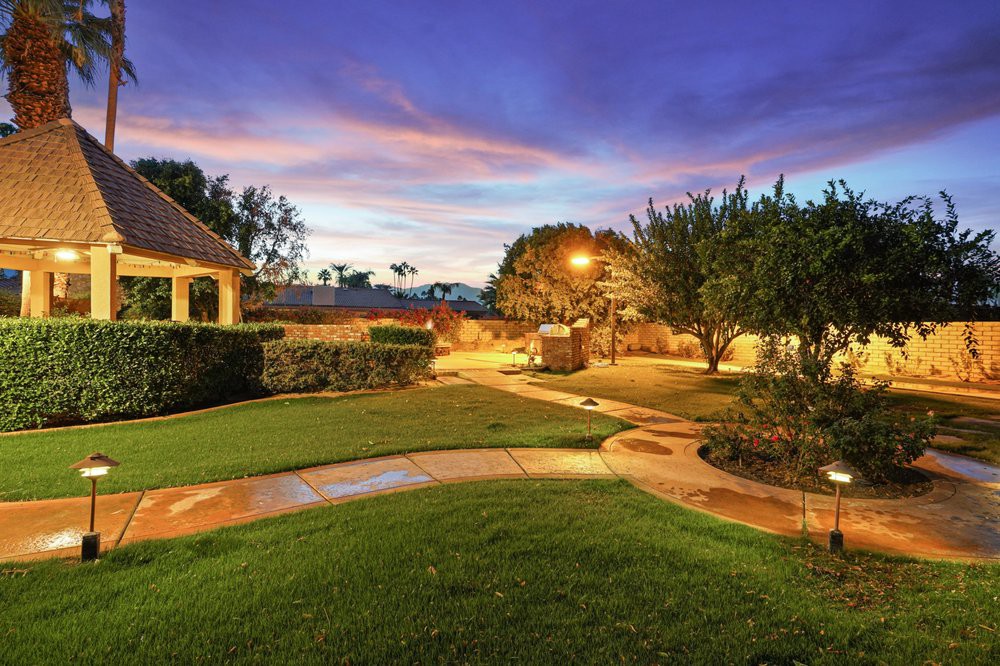
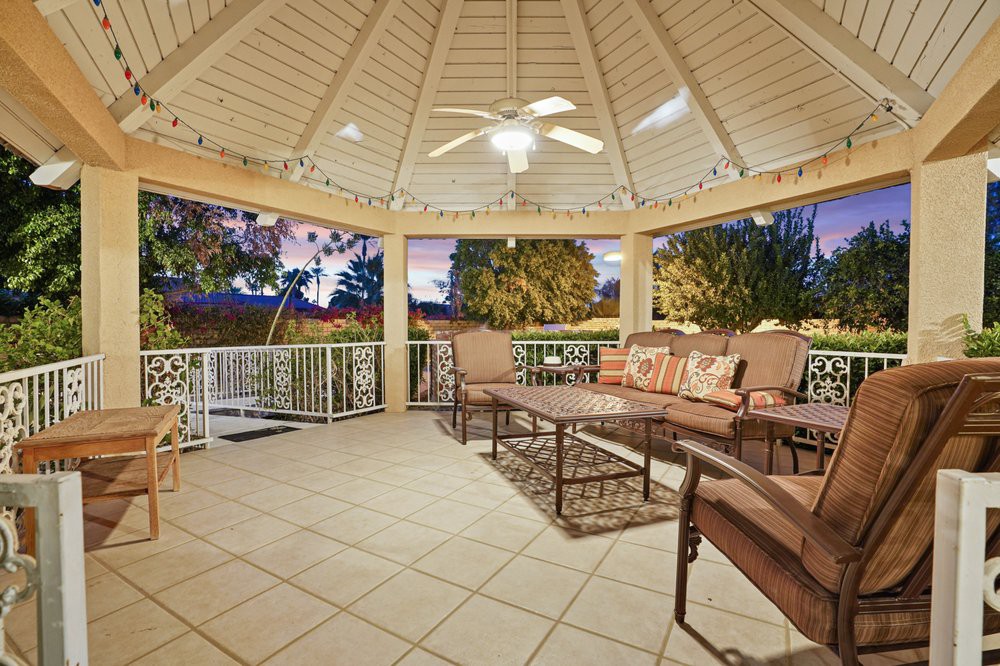
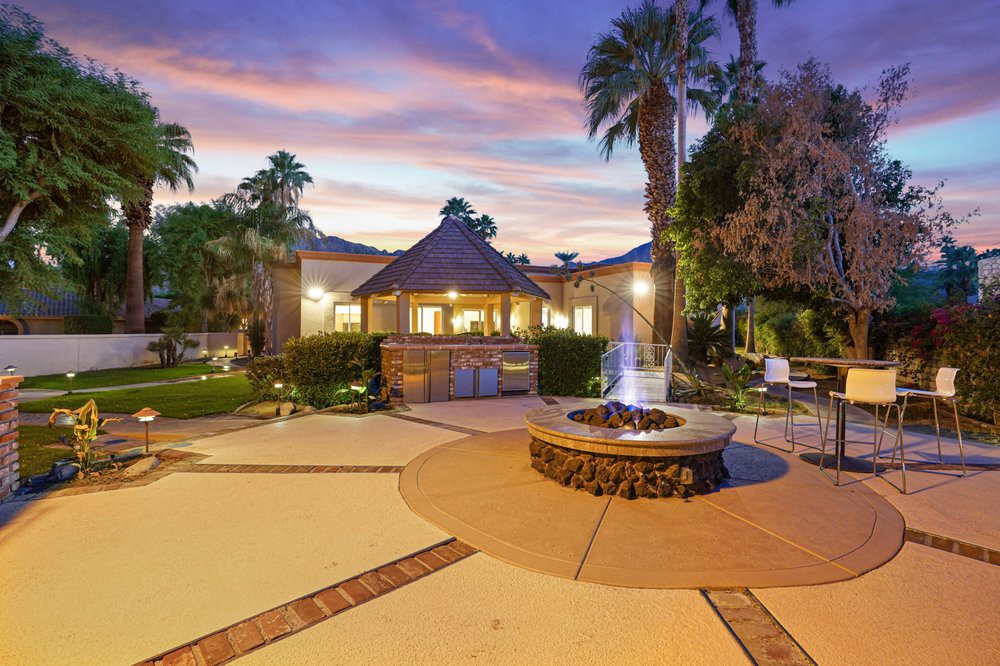
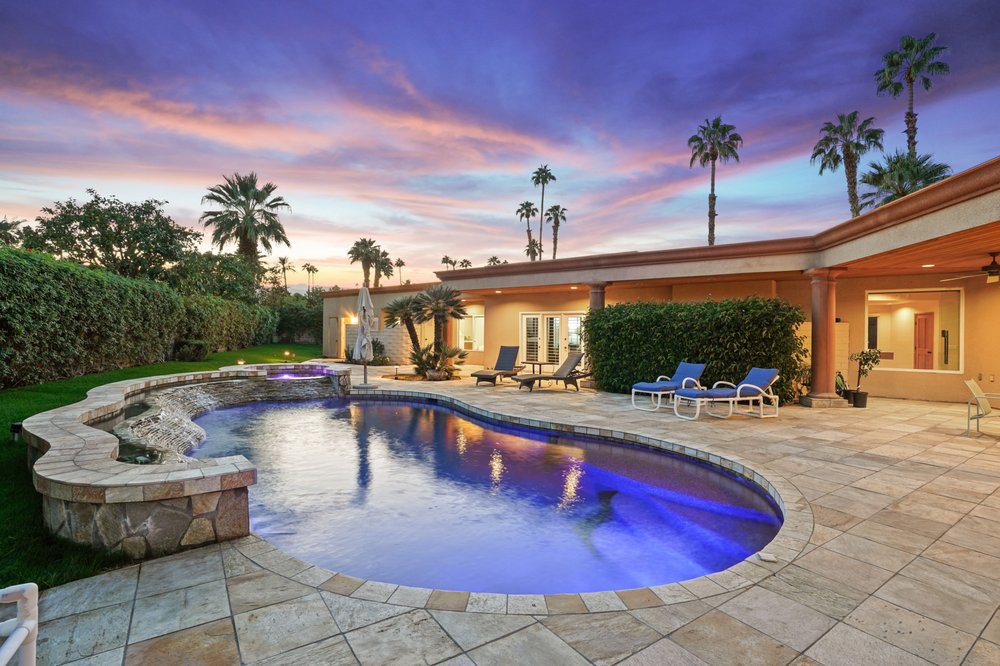
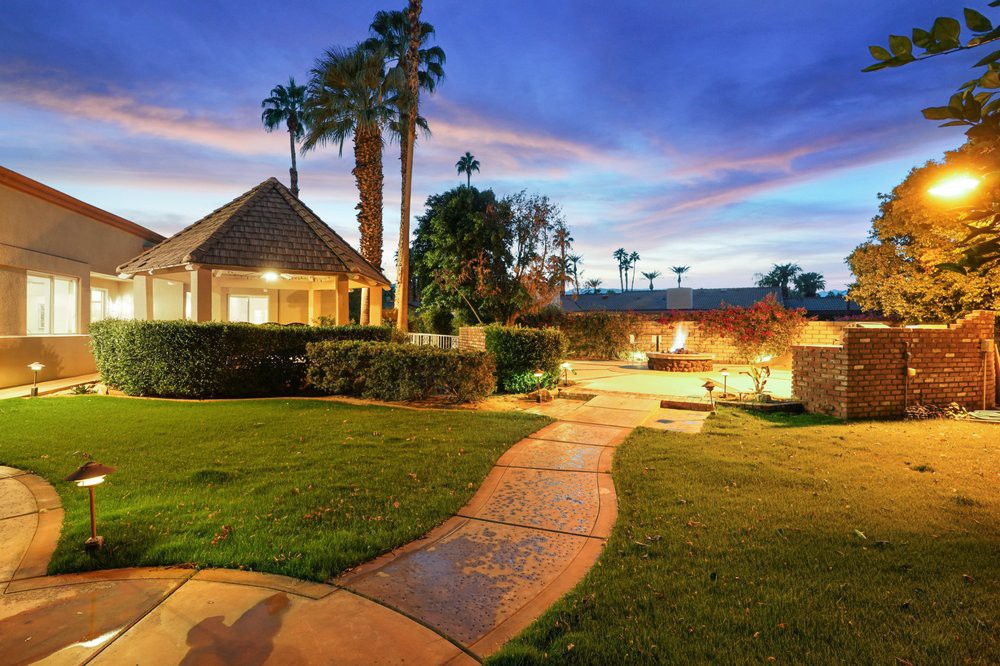
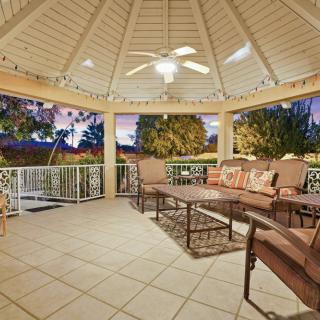
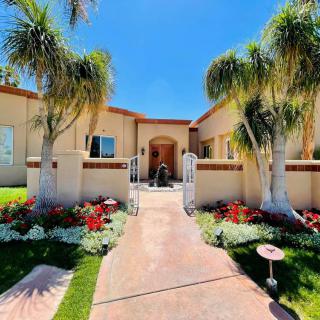
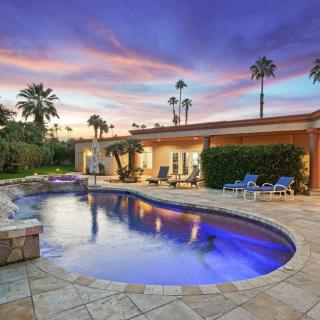
The strongest advantages hinge on the caregiving ethos and the environment itself. Staff demonstrate compassion, dignity, and genuine warmth, treating residents as family rather than as just another placement. The daily rhythm, nutritious meals prepared with care, meticulous cleanliness, and consistent caregiver presence, creates a sense of safety and predictability that eases family anxiety. The location’s beauty, spotless homes, inviting outdoor spaces, a gazebo, and a barbecue area, adds to overall well-being and quality of life. Crucially, the leadership and continuity stand out: the founder’s direct involvement and the staff’s willingness to adapt quickly to changing needs foster trust, reduce the stress of transitions, and ensure updates reach family members promptly. For families navigating dementia care decisions, this combination often translates into fewer medical miscommunications and greater confidence in long-term plans.
Yet potential drawbacks deserve candid consideration. The most salient trade-off is capacity: with a six-resident cap, the community may not accommodate sudden changes in care needs or preferred resident mix without impacting existing arrangements. This could limit flexibility if a resident’s care level intensifies or if families anticipate expanding services in the near term. Another consideration is the staffing model itself: medications are distributed by caregivers rather than on-site licensed nurses, which is excellent for attentiveness but may be seen as a constraint for families seeking deeper clinical oversight embedded in a larger campus. The small, intimate setting can also translate into fewer formal social programs and planned activities than larger communities, which may matter to residents who derive energy from structured group engagement.
Despite these caveats, the pros materially offset the cons for the right resident. The high caregiver-to-resident attention, two caregivers for six residents, translates into meticulous monitoring, individualized medication support, and rapid responsiveness to changes in health or mood. Family communication remains a standout strength; families repeatedly note thorough updates and seamless involvement in daily routines, which preserves dignity during transitions and supports ongoing care coordination. The dementia-specific expertise further strengthens the value proposition: staff are attuned to cognitive challenges, safety needs, and life-affirming engagement, mitigating common pitfalls in memory-care settings. The combination of a clean, aesthetically pleasing environment with a community that treats each resident as an integral part of a close-knit “home team” creates a quality of life that can be hard to match in larger facilities.
In practical terms, this community is a compelling choice for families prioritizing intimacy, dignity, and a high level of daily assurance. It suits seniors who are comfortable in a smaller footprint and who benefit from predictable routines, personalized meals, and consistent caregiver relationships. Prospective residents should assess whether the emphasis on dementia care and hospice-aligned planning aligns with current and anticipated needs, and whether the price point fits the family’s budget for ongoing, premium-level care. For those who value transparent, compassionate leadership and a setting that feels like a cared-for home rather than a hotel-like campus, MD Premier offers a powerful combination of heart, hands, and habitat.
Bottom line: MD Premier Care Home excels when care goals center on intimate, relationship-driven support for aging adults with memory concerns, delivered in a meticulously kept, beautiful home with responsive, family-oriented communication. It is an ideal match for families willing to invest in a boutique environment where care plans are tailored, staff turnover is low, and the resident’s sense of dignity is guarded every day. If the priority is a larger social milieu, more extensive on-site medical staffing, or a lower-cost option, alternatives deserve serious consideration. To determine fit, engage directly with the leadership, tour the home, review care-planning processes, and confirm how the six-resident model would adapt if health needs evolve. In the right circumstances, this six-resident haven delivers peace of mind that few other options can replicate.
 6 resident community capacity
 Assisted Living
 Cable or satellite TV
 Dining room
 Fully furnished
 Garden
 Housekeeping services
 Move-in coordination
 Outdoor space
 Telephone
 Wi-Fi/high-speed internet available
 Palm Springs International (12 miles away)
 24-hour supervision
 Activities of daily living assistance
 Assistance with bathing
 Assistance with dressing
 Assistance with transfers
 Diabetes diet
 Meal preparation and service
 Medication management
 Special dietary restrictions
 Transportation arrangement (medical)
 Transportation to doctors appointments


 Comprehensive Supportive Living Arrangements for Adults with Disabilities
 Funding and Affording Assisted Living: A Thorough Overview
 Assisted Living Expenses and Long-Term Care Insurance: A Comprehensive Exploration