
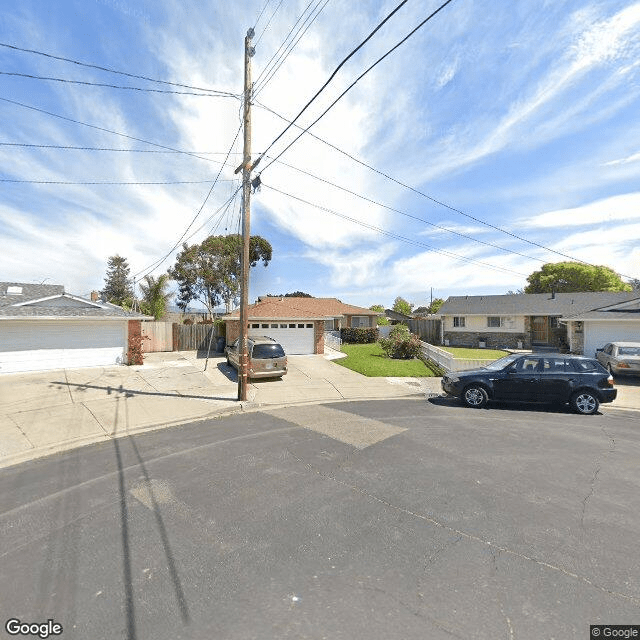
1738 Bobolink Ct, Hayward, CA 94545
To contact a resident: (510) 604-0348
For more information about senior living options: (866) 208-4318
Lotus Residential Care Costs & Pricing
At Lotus Residential Care, the monthly cost for a private room is competitively priced at $2,500, which positions it significantly lower than both the county and state averages. In Alameda County, the average cost for a similar private room is approximately $3,748, while across California, it rises to about $3,939. This pricing structure not only makes Lotus Residential Care an attractive option for families seeking quality care without compromising on financial stability but also reflects our commitment to providing accessible and personalized support in a nurturing environment. By maintaining such affordable rates, we aim to offer peace of mind to residents and their families alike.
| Floor plans | Lotus Residential Care | Alameda County | California |
|---|---|---|---|
| Private | $2,500 | $3,748 | $3,939 |
Senior living communities with a similar price nearby
-
from -$100 / mo
Homestead Care
$2,400 to $4,570 / month19.5 miles away -
from +$200 / mo

Home Instead Senior Care
$2,700 to $3,400 / month12.2 miles away -
from +$400 / mo

Parkside Manor
$2,900 to $3,600 / month10.8 miles away -
About the same

Ava Bella Care Home
$2,500 to $3,000 / month1.7 miles away -
About the same

San Carlos Elms
$2,500 to $5,880 / month12.9 miles away
Overall Review of Lotus Residential Care
Cons
 The caretaker for the mom was not helpful at all.
- The community was not clean and had a bad odor.
- The staff would not do what was needed for the mom, so she was moved to another location.
- It was not safe there for anyone.
- Rooms were really small.
- There were no activities.
- No transportation was provided.
- The facility was dirty, the food was not good, and communication with the staff was always difficult.
- The residents were not motivated at all to do anything resembling activity.
Review
Lotus Residential Care in Hayward is best suited for families that must navigate care options on a tight budget and cannot rely on staff to provide the daily oversight their loved one requires. The reviews depict a setting where basic oversight is inconsistent and safety cannot be assumed, which means this community is not a fit for seniors who need reliable assistance, mobility support, or monitoring for symptoms and safety hazards. In short, this is a last-resort option, selected only when other, safer alternatives are unavailable and a family is prepared to supervise and intervene regularly.
Those who should consider alternatives include seniors needing consistent help with bathing, dressing, medication management, or fall prevention; families seeking clean facilities, dependable meals, and engaging daily activities; and anyone relying on transportation for errands. The rating of 1.7 from seven reviews, with multiple complaints about cleanliness, odor, and staff responsiveness, is a red flag that should prompt a swift search for other options. Memory or dementia care is especially questionable here, given reports of resident disengagement and staff disputes among themselves and with residents.
Pros are hard to identify in the available assessments. The absence of positive features is telling: there are no noted amenities, scheduled activities, or transportation solutions. When a facility cannot offer basic cleanliness, functioning meals, or an organized daily routine, any minor convenience cannot offset the fundamental failures. The lack of proactive care and clear communication means the few so-called advantages vanish quickly under scrutiny, leaving families with little justification to choose this community over safer, more accountable options.
The dominant drawbacks center on safety, cleanliness, and care quality. Reviews describe persistent dirt, a bad odor, and rooms described as small, with no meaningful activity program and no transportation. Caregivers are depicted as unhelpful, with instances of staff failing to perform essential tasks, and families reporting difficult or confrontational interactions with staff and residents. A recurring theme is poor communication, including conflicts among staff and with residents, which erodes trust and makes accountability nearly impossible. The result is a setting that feels unsafe for anyone and gives the impression that serious concerns would be neglected rather than addressed. These factors, taken together, outweigh any potential benefits and create a high risk environment for everyday living.
For families evaluating options in the East Bay, this facility should be a final stop, not a first choice. The prudent path is to prioritize facilities that offer transparent tours, clean premises, consistent staffing, reliable meals, and transportation to appointments and errands. Insist on speaking with multiple staff members and several residents during visits, request sample menus and activity calendars, and check for a documented care plan with explicit escalation procedures. If staying near Hayward, consider facilities with better hygiene records, clearer communication protocols, and demonstrable engagement programs; otherwise broaden the search to campuses with recognized safety and quality ratings. The decision should hinge on concrete demonstrations that daily care will be timely, respectful, and safe.
Ultimately, Lotus Residential Care does not meet the geographic, care, or safety standards expected for typical seniors needing daily support. Unless a family can provide rigorous oversight, or the alternative options are exhausted, moving toward another community is the rational choice. The recommendation is to use the current reviews as a cautionary guide: prioritize cleanliness, safety, staff reliability, meaningful activities, and transportation. A careful, structured evaluation will prevent selecting a place where the decline in care could outpace the intended benefits, sparing loved ones the risk of neglect or distress.
 Board and Care Home
 Private
 Metropolitan Oakland International (11 miles away)
 Incontinence care
 Small, personalized care with 24-hour supervision and specialized memory care programming.

 Comprehensive Guide to Qualifying for Home Health Care Services
 Powerful Realities of Elder Abuse and the Most Effective Ways to Report It
 Ten Vital Duties of a Senior Caregiver: A Comprehensive Guide