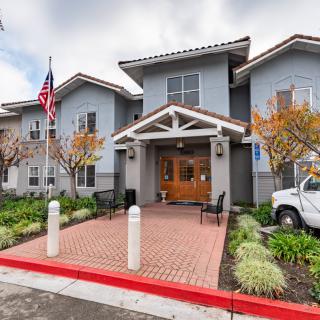
Escueta Care Home 2 is an assisted living community in Hayward, CA.
Information last verified:
1889 West Street, Hayward, CA 94545
For more information about senior living options: (866) 208-4318
3.9 from 83 reviews
5 stars
52
4 stars
9
3 stars
2
2 stars
1
1 stars
19
Overall Review of Escueta Care Home 2
common36 reviews mention this
Caring, responsive staff stand out
Residents and families consistently describe attentive, supportive care.
Across the reviews, people repeatedly say the staff are kind, helpful, and involved in residents’ day-to-day needs. Many mention that caregivers responded to requests and worked to support recovery plans, including therapy and personal assistance. A few reviews, however, describe neglect-like experiences—such as delayed call-light responses or poor follow-through—so responsiveness is not experienced uniformly.
common12 reviews mention this
Cleanliness and infection control get praise
Residents and visitors frequently call out a clean, well-kept environment.
Multiple reviews highlight cleanliness in rooms and common areas, with some specifically mentioning housekeeping keeping spaces tidy. Several also describe infection-control practices and an overall sense of order on the floor. A small number of negative reviews contrast this with issues like pests or unsanitary conditions in specific areas, which affects how consistently cleanliness is perceived.
differentiator13 reviews mention this
Rehab therapy is a major focus
PT and OT support show up as a central part of the experience.
Reviews frequently mention physical therapy and occupational therapy, with families describing staff who guide exercises and therapy sessions. Many say therapy was helping with recovery after surgery, falls, or stroke, and that staff explained what residents needed to do. Some negative reviews still criticize overall care delivery, but the rehab-oriented services are a recurring theme in positive feedback.
caveat7 reviews mention this
Food quality draws strong criticism
Food is the most common complaint, with repeated concerns about quality.
Several reviews say the food is poor or unappetizing, including complaints about taste and consistency. Others note issues like limited selections and, in at least one case, a mismatch with diet needs. A smaller number of reviews mention food as “ok” or something served on time, but overall dining satisfaction is inconsistent.
caveat6 reviews mention this
Older facilities and outdoor issues
Some residents and visitors point to an aging building and maintenance problems.
A recurring concern is that the building feels old, including mentions of older rooms and equipment, plus older common restrooms in one review. Outdoor space also comes up negatively in at least one review describing odor and flies affecting the patio. Where conditions are praised, reviews tend to focus on cleanliness despite the age of the facility.
caveat5 reviews mention this
Communication and phone access varies
Some families report communication delays or difficulties reaching the facility.
While some reviews praise administration and care coordinators for being approachable and supportive, others report frustration reaching staff by phone or difficulty getting timely help. Negative experiences also describe missed attention to needs and problems with communication around care preferences. Overall, reviewers’ experiences with coordination and responsiveness to families are mixed.
How we summarize
Counts show how many written reviews mention each theme; a review can touch several themes, and only frequently mentioned themes are displayed.
Features
Housing
6 resident community capacity
Types of Care
Assisted Living
Board and Care Home
Amenities
Cable or satellite TV
Dining room
Fully furnished
Garden
Housekeeping services
Move-in coordination
Outdoor space
Telephone
Wi-Fi/high-speed internet available
Transportation
Metropolitan Oakland International (8 miles away)
San Francisco International (14 miles away)
San Jose International (22 miles away)
Care Services
24-hour supervision
Activities of daily living assistance
Assistance with bathing
Assistance with dressing
Assistance with transfers
Coordination with health care providers
Diabetes diet
Meal preparation and service
Medication management
Special dietary restrictions
Transportation arrangement (medical)
Transportation to doctors appointments
Dining
Diabetes diet
Special dietary restrictions
Activities
Community-sponsored activities
Scheduled daily activities
Nearby Places of Interest
Parks
Eden Landing Ecological Reserve (1.4 miles)
Castro Valley Park and Community Center (4.6 miles)
Lake Chabot Regional Park (4.9 miles)
Bay Trees Park (5.3 miles)
Parsons Park (5.4 miles)
Beard Staging Area, Alameda Creek Regional Trail (5.9 miles)
Chabot Park (6.1 miles)
Physicians
Kaiser Medical Offices (1.6 miles)
Kaiser Permanente Pediatrics (1.6 miles)
Dr Mark Mandel M.D. - Optima Medical Assoc (3 miles)
Reproductive Science Center (11.3 miles)
Pharmacies
CVS Pharmacy (1.6 miles)
Walgreens (1.7 miles)
Walgreens (2.5 miles)
CVS Pharmacy (2.8 miles)
CVS Pharmacy (2.9 miles)
Walgreens (3 miles)
Walgreens (3.1 miles)
Restaurants
McDonald's (1.6 miles)
McDonald's (2.5 miles)
In-N-Out Burger (3 miles)
McDonald's (3.6 miles)
Chipotle Mexican Grill (4.2 miles)
Sonic Drive-In (4.9 miles)
Top Hatters Kitchen & Bar (6.5 miles)
Hospitals
Kaiser Permanente Post-Acute Care Center (3.3 miles)
Eden Medical Center (4 miles)
Kaiser Permanente San Leandro Labor & Delivery (5 miles)
Washington Hospital Heliport (9.7 miles)
Transportation
South Hayward BART Station (3.4 miles)
Castro Valley BART Station (4 miles)
Union City BART Station (6.7 miles)
Terminal 2 (6.9 miles)
Southwest Airlines Ticket Counter (6.9 miles)
Oakland International Airport (OAK) (6.9 miles)
Escape Lounge (7 miles)
Cafes
Starbucks (4.1 miles)
Starbucks (4.2 miles)
Starbucks (4.4 miles)
Panera Bread (9.7 miles)
Philz Coffee (9.8 miles)
Starbucks (10.8 miles)
Daily Bagel Cafe (11 miles)
Places of Worship
Bethel Presbyterian Church Of San Leandro (4.8 miles)
The transition from assisted living to skilled nursing care is often prompted by complex medical needs that assisted living cannot meet, with key indicators including frequent health declines, increased falls, severe memory issues, and caregiver burnout. Families should recognize these signs early to discuss options with healthcare providers and prepare for the emotional and logistical aspects of moving to a facility that offers comprehensive medical support.
Vibrant Senior Living emphasizes active senior living communities that promote independence and engagement through diverse amenities and activities, fostering wellness and social interaction among older adults. These communities range from independent to assisted living, with a focus on personal growth, family involvement, financial planning, and leveraging technology to enhance residents' experiences.
Transitioning from assisted living to memory care is driven by an individual's cognitive decline and specific needs, requiring careful evaluation of indicators like increased confusion and wandering. The process involves consulting medical professionals, researching suitable communities, considering financial and legal aspects, and ensuring effective communication for personalized care plans.
Get PricingAsk A QuestionSchedule A TourContact Senior Advisor
By clicking submit, you agree to our Partner's Terms of Use. You
also consent to receive calls and texts, which may be autodialed, from our Partner. Your consent is not a condition to
using our Partner's service. Please visit our Partner's Privacy Policy for information about their privacy practices.

 6 resident community capacity
 Assisted Living
 Board and Care Home
 Cable or satellite TV
 Dining room
 Fully furnished
 Garden
 Housekeeping services
 Move-in coordination
 Outdoor space
 Telephone
 Wi-Fi/high-speed internet available
 Metropolitan Oakland International (8 miles away)
 24-hour supervision
 Activities of daily living assistance
 Assistance with bathing
 Assistance with dressing
 Assistance with transfers
 Diabetes diet
 Meal preparation and service
 Medication management
 Special dietary restrictions
 Transportation arrangement (medical)
 Transportation to doctors appointments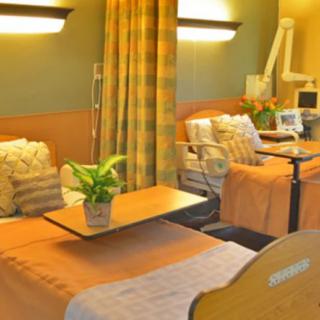
 Extensive on-site amenities and 24/7 care.



 8 Key Indicators That Suggest It May Be Time to Transition from Assisted Living to Skilled Nursing Care
 Vibrant Senior Living: A Comprehensive Guide for Active Older Adults
 When to Transition from Assisted Living to Memory Care: Key Indicators, Steps, and Finding the Right Community