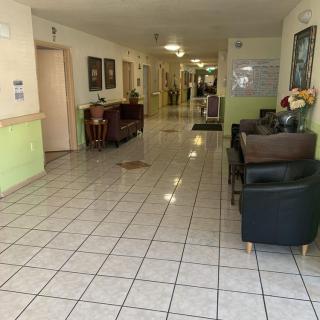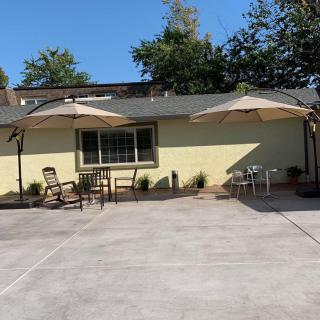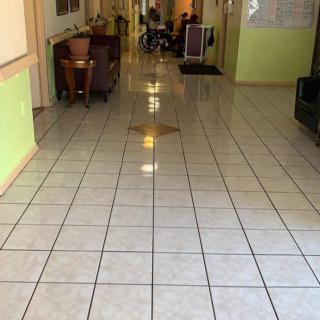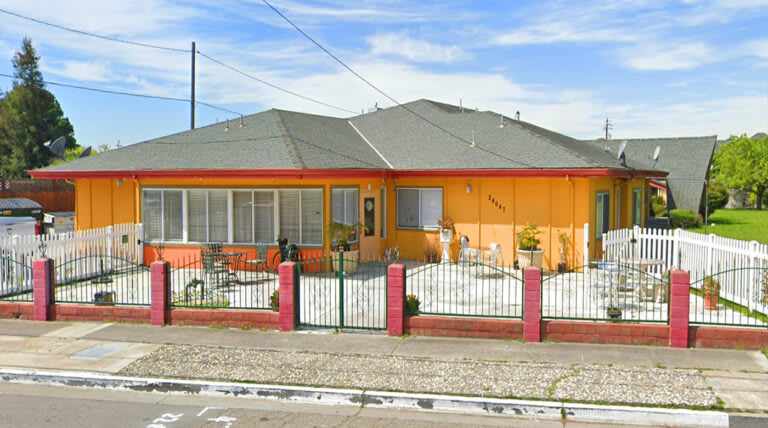
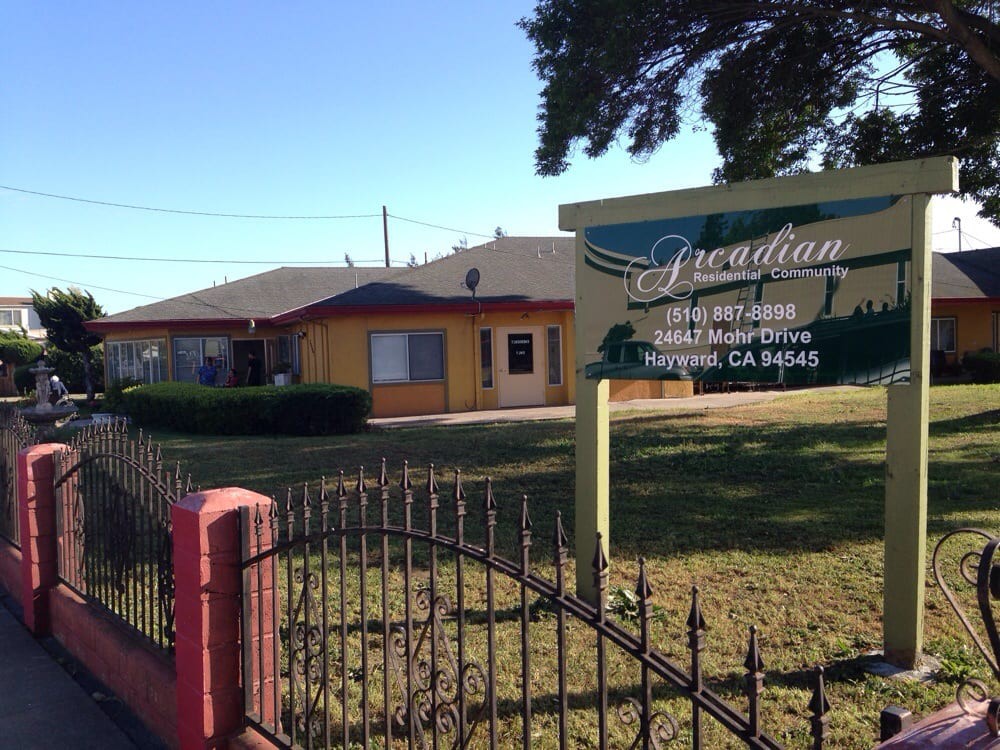
24647 Mohr Drive, Hayward, CA 94545
For more information about senior living options: (866) 208-4318
Arcadian Residential Community Costs & Pricing
Arcadian Residential Community offers semi-private accommodations at a monthly cost of $4,500, which is notably higher than the averages for both Alameda County and the wider California region, where costs are approximately $3,273 and $3,333 respectively. This pricing reflects the community's commitment to providing enhanced services and amenities that cater to the needs of its residents. While Arcadian's rates exceed local and state averages, they may be justified by superior quality care, personalized attention, and a supportive environment designed to foster well-being and comfort. For families considering long-term care options, understanding these costs within the context of available services is essential in making informed decisions about their loved ones' placements.
| Floor plans | Arcadian Residential Community | Alameda County | California |
|---|---|---|---|
| Semi-Private | $4,500 | $3,273 | $3,333 |
Memory care communities with a similar price nearby
-
from +$500 / mo
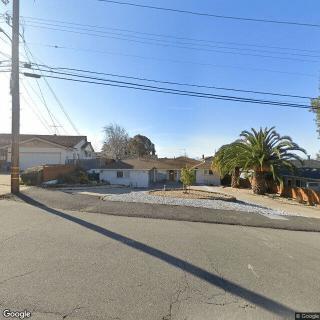
Blessing Home
$5,000 to $6,000 / month5.5 miles away -
from -$500 / mo
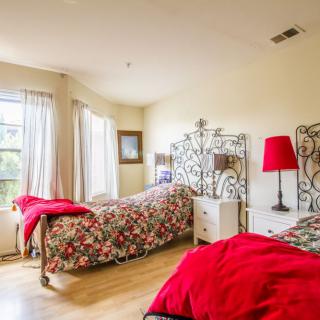
Golden Age Of Channing Way
$4,000 to $5,000 / month10.0 miles away -
About the same

Milan Villa Senior Living
$4,600 to $9,200 / month18.4 miles away -
from +$500 / mo
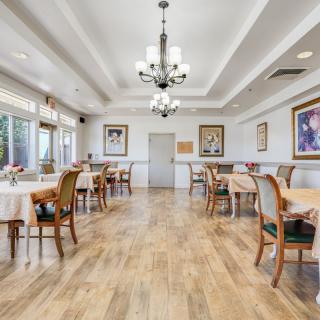
Tuscany Villa Senior Living
$5,000 to $10,000 / month18.4 miles away -
About the same
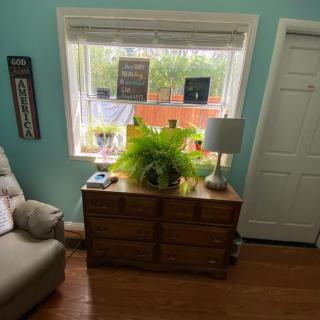
Lafayette Gardens
$4,500 to $5,000 / month16.9 miles away
Overall Review of Arcadian Residential Community
Pros
 Arcadian is described as inviting, with skilled, friendly staff delivering care that feels trustworthy and efficient.
- The facility is clean, and the staff are helpful and caring, making families confident in recommending it.
- Residents receive excellent care, with staff who are loving, patient, and genuinely committed to everyone’s well-being, with the owner frequently on site.
- The staff genuinely care for the residents and are dedicated to their well-being, with the owner actively involved in residents' lives.
- Visitors are greeted by warm smiles from a variety of staff, contributing to a welcoming atmosphere when people come to visit.
- Families note that their loved ones are happier and well cared for, and many would give Arcadian high ratings.
Cons
 One reviewer states that the staff steal residents' personal belongings, cash, and medication.
 - One reviewer insists that the facility should be shut down, describing it as not a proper living community.
- The family notes their loved one had bruises and that staff did not inform them.
- Some staff members do not speak English, hindering communication.
- A reviewer describes the facility as dirty and corrupt, a "senior storage facility" with no locks on resident doors and two residents per room.
- The reviewer would not recommend Arcadian because their loved one fell multiple times and this was not disclosed.
- A commenter describes the common areas as cold and drafty.
Review
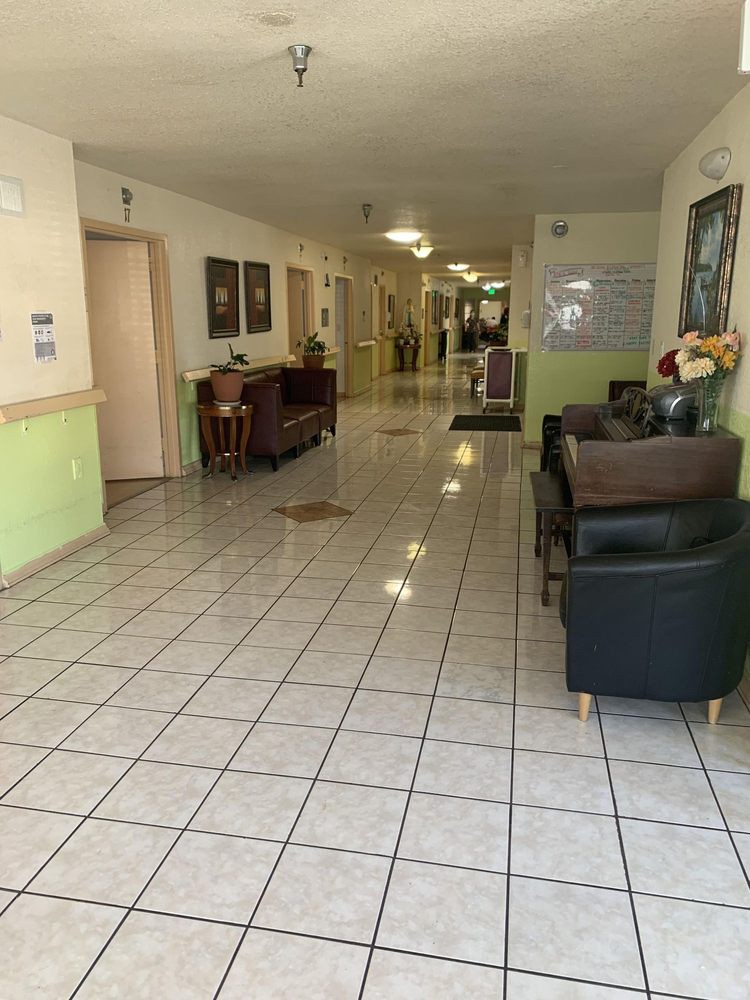
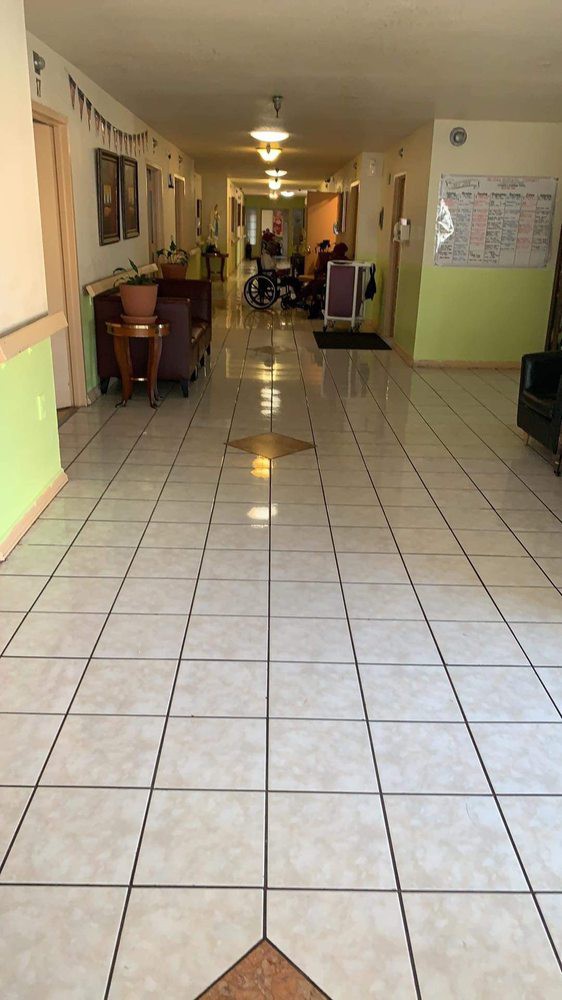
Arcadian Residential Community in Hayward is best suited for families seeking a hands-on, relationship-driven operation with a warm, home-like atmosphere and a steady leadership presence. The strongest fit is for seniors who benefit from daily, personalized attention and for families that value long-standing staff relationships and owner involvement. Residents who thrive in a smaller, intimate setting where caregivers know them by name and where routine and warmth carry real weight will find this community compelling. Those prioritizing private rooms, expansive on-site amenities, or a highly modernized facility should actively explore alternatives.
The most persuasive pro is the combination of a welcoming ambiance and consistently caring staff. Across multiple accounts, the environment feels clean and well-maintained, with caregivers described as skilled, patient, and genuinely loving. The owner’s daily presence and hands-on oversight emerge as a notable differentiator, contributing to a sense that residents are known and tended to with accountability. Families repeatedly highlight a staff culture that feels personal, with residents often described as well-loved and well-supported, which can be decisive when choosing a community for dementia or memory-care needs.
Yet, the picture is not uniformly positive. A spectrum of concerns appears in the reviews: some families report inconsistencies in staffing and care experience, including claims of uncomfortable turnover or perceived lack of follow-through during visits. Alarming anecdotes surface about theft, medication mismanagement, and unreported injuries, accompanied by fears about room privacy and safety. Several reviewers note structural drawbacks, primarily that most rooms are shared rather than private, and that common areas can feel cold or drafty. Communication gaps, language barriers among staff, and questions about how incidents are reported or escalated also temper the otherwise strong impressions.
These strengths can offset the concerns when the right expectations align with the resident’s needs. The owner’s visible involvement and a history of steady staffing contribute to a sense of reliability and rapid problem-solving, which is valuable for families seeking reassurance during transitions. Cleanliness, a focus on daily routines, and a menu of activities, alongside the reality of long-tenured residents who speak positively of their “second family”, underscore a climate of stability that can be hard to match in larger, more impersonal facilities. When care teams are consistent and responsive, the perspective of those who inhabit the community shifts from “good enough” to “trustworthy and comforting.”
For families evaluating Arcadian, a disciplined due-diligence approach is essential. Prospective residents should request a tour at different times and observe how staff interact with residents, not just what is said in a sales pitch. Meet several caregivers and frontline staff to gauge language compatibility, problem-solving style, and responsiveness. Probe about room configurations and whether any private accommodations can be arranged, as well as the current frequency of staff turnover and the formal processes for incident reporting and family updates. Ask for recent references, and check in with hospital partners about any recent changes in clinical oversight. A candid conversation with the owner or administrator about access to daily oversight can be especially revealing.
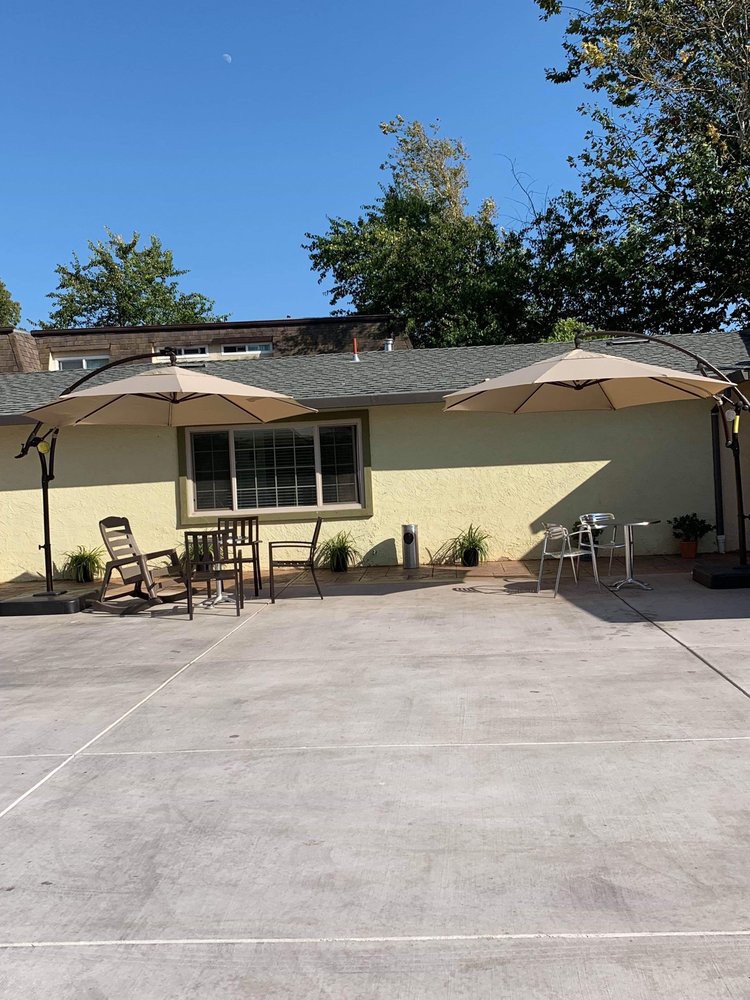
In the end, Arcadian offers a practical, dependable option for families prioritizing personal connection and a hands-on leadership approach. It is a suitable choice for residents who are comfortable with shared rooms, who value a home-like setting, and who seek reassurance from owners who remain engaged in daily operations. Those who demand private, hotel-style accommodations, robust outdoor spaces, or exceptionally tight safety and transparency protocols should consider alternatives and compare with similarly sized facilities. The decision should rest on direct experiences, tours, conversations with staff and residents, and a clear alignment between the resident’s care needs and the community’s strengths and limitations.
 38 resident community capacity
 Assisted Living
 Memory Care
 Respite Care
 Cats allowed
 Dogs allowed
 Activities on-site
 Beauty salon
 Cable or satellite TV
 Devotional services off-site
 Dining room
 Fully furnished
 Garden
 Housekeeping services
 Indoor common areas
 Kitchenette
 Move-in coordination
 Outdoor space
 Restaurant-style dining
 Small library
 Telephone
 Wheelchair accessible showers
 Wi-Fi/high-speed internet available
 Metropolitan Oakland International (8 miles away)
 24-hour call system
 Assistance with bathing
 Assistance with dressing
 Assistance with transfers
 Diabetes diet
 Diabetic care
 Incontinence care
 Medication management
 Mental wellness program
 Special dietary restrictions
 English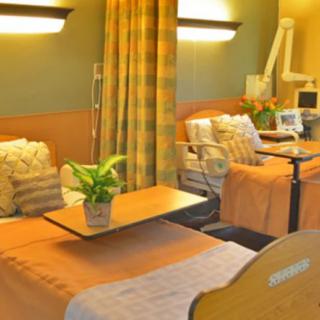


 Guiding Your Journey: Understanding Power of Attorney for Elderly Parents
 22 Remarkable Caregiver Support Groups Available Online and In-Person
 Understanding Medicaid Coverage for Assisted Living: A Comprehensive Guide