
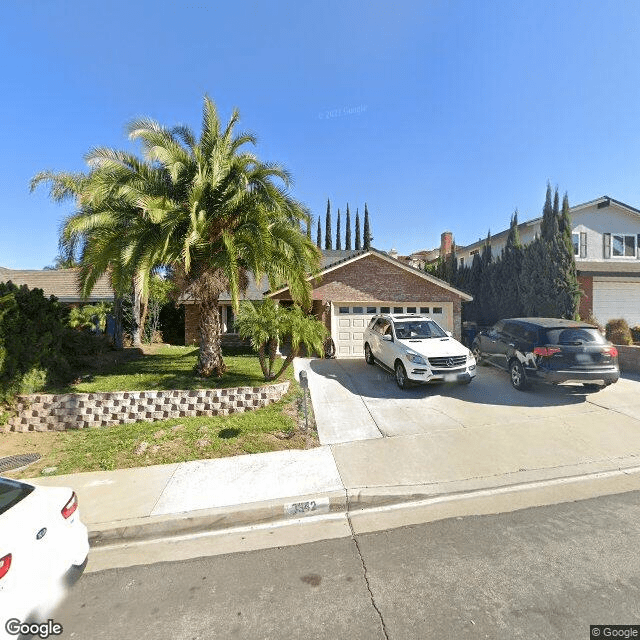
3342 Cold Plains Drive., Hacienda Heights, CA 91745
For more information about senior living options: (866) 208-4318
Home Sweet Home Costs & Pricing
At Home Sweet Home, the monthly costs reflect a commitment to providing quality care alongside competitive pricing in comparison to both Los Angeles County and the broader California market. For a semi-private room, residents can expect to pay $4,000, which is notably higher than the county average of $3,349 but remains in line with the state average of $3,333. When it comes to private rooms, Home Sweet Home's rate of $4,500 exceeds both the county's cost of $4,197 and California's average of $3,939. While these figures indicate that Home Sweet Home positions itself at a premium within its local context, they also suggest a dedication to enhanced services and amenities that justify this investment for prospective residents seeking comfort and community in their living arrangements.
| Floor plans | Home Sweet Home | Los Angeles County | California |
|---|---|---|---|
| Semi-Private | $4,000 | $3,349 | $3,333 |
| Private | $4,500 | $4,197 | $3,939 |
Assisted Living communities with a similar price nearby
-
About the same
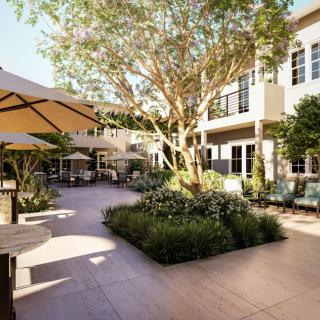
Cadence Brea
$3,995 to $5,500 / month6.4 miles away -
from -$500 / mo
Kind Heart Home Care VI
$3,500 to $5,000 / month21.9 miles away -
from -$500 / mo
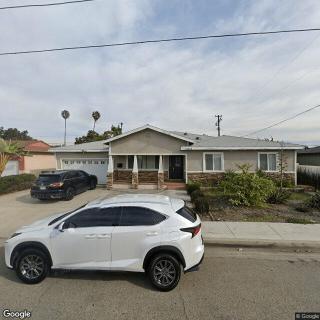
Loving Home Care
$3,500 to $4,500 / month14.6 miles away -
from -$700 / mo

Bella Manor II
$3,300 to $4,290 / month12.5 miles away -
About the same
Palomino Residential Care
$4,000 to $6,000 / month10.5 miles away
Overall Review of Home Sweet Home
Pros
 The family feels blessed that their mother spent her last years in the most beautiful home, with the best care from the most loving caregivers.
- The mother was happy, loved, and receiving care beyond expectations.
- Home Sweet Home is truly one in a million.
- The overall experience would deserve a perfect 10.
Review
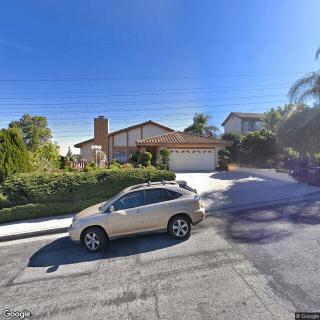
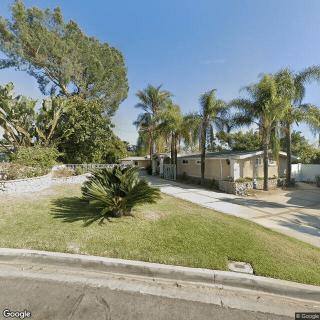
Home Sweet Home in Hacienda Heights is best suited for families seeking a boutique, home-like assisted living environment where a loved one can receive exceptionally attentive, compassionate care in a warm, intimate setting. The space is described as beautiful and feel-good down to the smallest detail, and the caregiving team is portrayed as deeply devoted. This combination makes it a natural fit for seniors who prize personal connection, consistent day-to-day tenderness, and a sense of belonging as they navigate aging and end-of-life needs.
Those who may want to consider alternatives include families working within tighter budgets or those whose loved one requires more formal medical oversight or specialized memory care. If cost is a decisive factor, or if a resident’s needs demand robust clinical support, 24/7 nursing, or a structured dementia program, other communities with broader medical staffing and memory-care infrastructure should be explored. Likewise, families prioritizing a larger social calendar, more diverse programming, or a more suburban or centrally located campus may find other options better aligned with their logistical and activity preferences.
The most persuasive pros here are emotionally powerful and practically meaningful: a visually appealing, homelike environment paired with caregivers who consistently deliver love and attentiveness. Those elements can offset the usual trade-offs of boutique settings, where the emphasis is on individualized care over sheer scale. When a resident feels genuinely valued, happy, and well cared-for, questions about broader medical services or expansive activity rosters recede in importance for many families. In other words, the emotional and relational returns tend to trump the absence of a large-scale care footprint, provided the resident’s medical and daily living needs stay within the community’s capabilities and the budget remains sustainable.
From an experiential standpoint, the narrative implies strong staff engagement and a family-like culture. The mother’s happiness, feeling of being loved, and care “beyond expectations” point to a team that prioritizes dignity, comfort, and meaningful daily routines. Yet the information available does not reveal specifics about staffing ratios, 24-hour medical oversight, or any specialized programs (memory care, palliative coordination, or on-site therapy). Prospective families should verify these operational details during a visit, ensuring that the care philosophy translates into consistent clinical reliability and safety for the intended resident.
Practical decision-making hinges on a structured inquiry and a clear alignment of needs with capabilities. Prospective buyers should tour the community, request a representative sample of a day in the life, and probe care planning: how medications are managed, response times, caregiver qualifications, and the process for evolving needs. Clarify what is included in monthly fees and what would incur extra charges, and confirm transportation arrangements, meal quality, housekeeping, and the scope of activities. If memory impairment or end-of-life goals are relevant, ask about memory-care readiness, safety measures, hospice partnerships, and any available private rooms or suites that accommodate sensitive care transitions.
In the end, Home Sweet Home presents a compelling option for families seeking a compassionate, beautiful, and personally attentive living arrangement for a loved one in Hacienda Heights. The strength of care, the evident warmth of the staff, and the serene, home-like ambiance create a powerful value proposition for those who can afford a premium setting and whose loved one’s needs fit within what the community openly offers. If budget and medical-service scope align, it is worth moving forward with a decisive, information-driven visit. For families where cost pressure, need for advanced clinical oversight, or specialized memory-care capabilities are non-negotiables, it pays to compare alternatives with similar testimonials but stronger capacity in those specific areas.
 5 resident community capacity
 Assisted Living
 Board and Care Home
 Activities off-site
 Cable or satellite TV
 Devotional services off-site
 Dining room
 Fully furnished
 Garden
 Housekeeping services
 Indoor common areas
 Move-in coordination
 Outdoor common areas
 Private
 Respite or short term stays offered
 Telephone
 Wi-Fi/high-speed internet available
 Long Beach (Daugherty) (15 miles away)
 24-hour supervision
 Ambulatory care
 Assistance with bathing
 Assistance with dressing
 Assistance with transfers
 Diabetes diet
 High acuity care
 Meal preparation and service
 Medication management
 Special dietary restrictions
 Transportation arrangement (medical)
 Transportation to doctors appointments
 Christian services
 An Extensive Exploration of the VA Aid and Attendance Benefit
 Senior Transition Services: Understanding Their Role, Cost, and Importance
 Exploring the Path to Senior Living: A Comprehensive Look at Independent Living and Assisted Living