
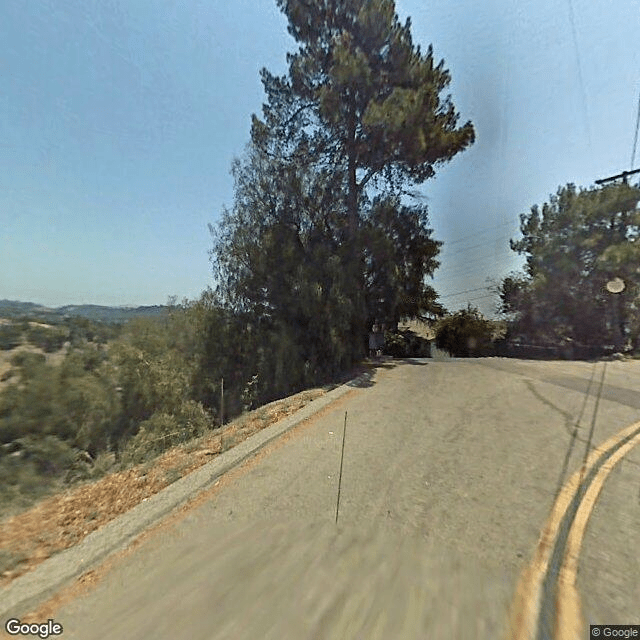
690 Picaacho Drive, La Habra, CA 90631
For more information about senior living options: (866) 208-4318
The Heights Senior Care Costs & Pricing
At The Heights Senior Care, the cost for a semi-private room is set at $3,500 per month. This figure reflects not only the quality of care and services provided but also positions it slightly above the average costs observed in Orange County, which stand at approximately $3,431. When comparing to the broader state average in California, where semi-private accommodations typically run around $3,333, The Heights is competitively priced while emphasizing its commitment to personalized care and community engagement. This balance of cost and quality ensures that residents receive a supportive environment tailored to their needs within a vibrant senior living community.
| Floor plans | The Heights Senior Care | Orange County | California |
|---|---|---|---|
| Semi-Private | $3,500 | $3,431 | $3,333 |
Assisted Living communities with a similar price nearby
-
from +$495 / mo
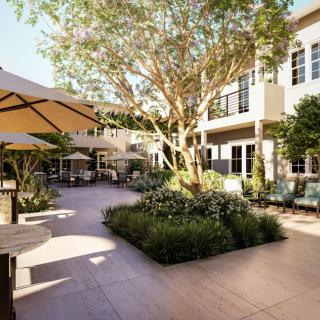
Cadence Brea
$3,995 to $5,500 / month5.4 miles away -
About the same
Kind Heart Home Care VI
$3,500 to $5,000 / month21.4 miles away -
About the same
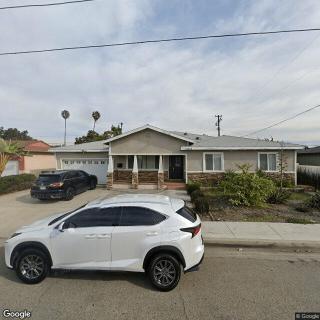
Loving Home Care
$3,500 to $4,500 / month13.2 miles away -
from -$200 / mo

Bella Manor II
$3,300 to $4,290 / month11.3 miles away -
from +$500 / mo
Palomino Residential Care
$4,000 to $6,000 / month11.3 miles away
Overall Review of The Heights Senior Care
Pros
 The loved one's experience at The Heights Senior Care was great.
- The care received by the loved one at this facility was exceptional.
- The owner of The Heights Senior Care received high praise for excellent care.
- The staff were compassionate and met the patients' needs.
- The facility is highly recommended.
- The caregivers are very caring, sincere and educated, and the hospice home is beautiful with lovely scenery.
- The patients' food is home-grown, organic and healthy.
- The house was well kept, and the staff were attentive and hardworking.
- The facility has an outstanding location with a beautiful setting.
Cons
 The staff needed more training with patient care.
- Their legs would be hanging over the side of the bed every time they were turned.
- Patients were put in a wheelchair and sat in front of the TV or dining room table.
- There were only two staff members.
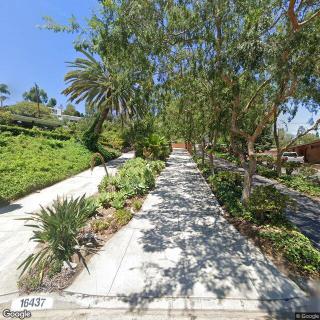
- The road leading up to the house was a bit scary.
Review
The Heights Senior Care in La Habra is best suited for families seeking a warm, home‑style environment where care feels personal and the daily routine mirrors a generously sized household more than a clinical campus. The setting is a small, family‑run residence with a reputation for a calm, relaxing atmosphere, notable views, and a quiet, domestic feel that makes seniors comfortable. Residents are tended in a house that emphasizes intimate interaction, a sense of belonging, and a slower pace that supports dignity and companionship. This is not a high‑volume, hospital‑like facility; it is a modest, purposefully small operation designed for seniors who thrive on personal attention, routine, and the reassurance that caregivers know their needs and preferences.
Those who require rigorous, around‑the‑clock medical oversight, frequent skilled nursing interventions, or specialized memory‑care programs should consider alternatives. One reviewer with extensive healthcare experience flagged gaps in staff training and safety, noting that care sometimes appeared under‑staffed and that residents could be left in suboptimal positions. That kind of feedback signals potential risk for more medically complex residents or those who rely on consistent, high‑level clinical supervision. Families should weigh the comfort and attentiveness against the reality of a smaller team and be prepared to escalate questions about staffing coverage and care planning before committing.
On the upside, caregivers are repeatedly described as compassionate, sincere, and educated, with a leadership presence praised by families. The owner’s involvement and the way care is administered in a familial, near‑homelike setting are highlighted as standout strengths. Nutrition is another pillar, with meals described as nutritious and even home‑grown and organic in some accounts. This combination of warmth, thoughtful attention, and a kitchen that feels like home creates emotional security for residents and relief for families who want to see genuine, ongoing engagement rather than transactional care.
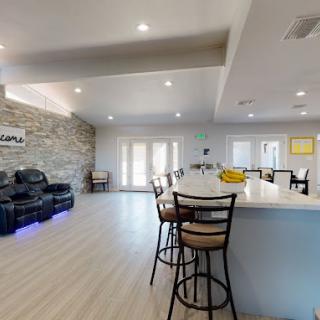
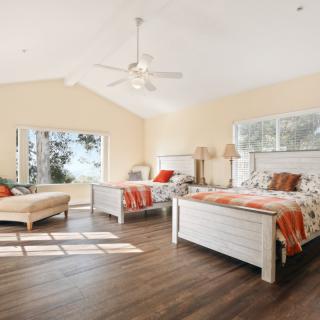
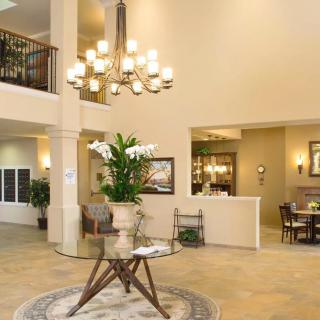
Another recurring strength is the environment itself: a well‑kept home, tidy common areas, and an outdoor setting that feels relaxing and safe. Families report attentive, hardworking staff who respond to questions and touch base with loved ones, and there is a clear emphasis on a serene, reassuring atmosphere. The property’s pleasant aesthetics, views, greenery, and a quiet approach, enhance daily life and contribute to overall well‑being, which matters deeply for seniors choosing between similar options.
How these positives stack against the drawbacks depends on the senior’s profile. The intimate, family‑run model delivers remarkable personal attention and a homey routine that can offset concerns about scale, but it cannot fully substitute for robust medical infrastructure. For residents who are ambulatory, relatively stable, and in need of gentle assistance rather than complex clinical care, The Heights Senior Care offers a compelling, well‑rounded home. For those requiring constant skilled nursing, complex wound care, or memory‑care programming, the implied gaps in staffing and training warrant careful comparison with larger facilities that promise more clinical resources and standardized protocols.
In the end, The Heights Senior Care is a strong option for families prioritizing warmth, individualized attention, nutrition, and a tranquil environment over clinical intensity. It is especially suitable for seniors who value a home‑like setting and consistent, compassionate caregiving, with the caveat that one should verify staffing ratios, care plans, and the availability of specific medical supports before enrolling. Where medical complexity or rapid escalation of care is anticipated, alternatives with deeper clinical teams will likely serve better; otherwise, this community delivers solid, heartfelt care that many families report as exceptional.
 6 resident community capacity
 Assisted Living
 Board and Care Home
 Respite Care
 Activities off-site
 Cable or satellite TV
 Devotional services off-site
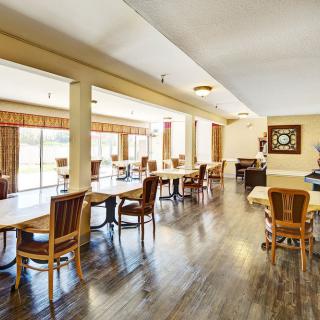
 Dining room
 Fully furnished
 Garden
 Housekeeping services
 Indoor common areas
 Move-in coordination
 Outdoor common areas
 Telephone
 Wheelchair accessible showers
 Wi-Fi/high-speed internet available
 Long Beach (Daugherty) (14 miles away)
 24-hour supervision
 Ambulatory care
 Assistance with bathing
 Assistance with dressing
 Assistance with transfers
 Diabetes diet
 Diabetic care
 Meal preparation and service
 Medication management
 Special dietary restrictions
 Transportation arrangement (medical)
 Transportation to doctors appointments
 Islamic services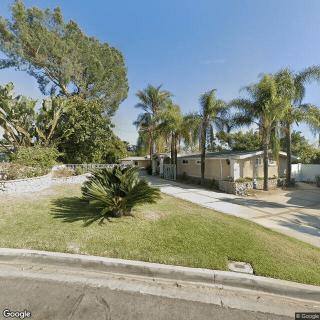

 Assisted Living Expenses and Long-Term Care Insurance: A Comprehensive Exploration
 Securing Financial Support for Assisted Living: A Comprehensive Overview
 Social Security Benefits and Assisted Living: Navigating Options Across the U.S.