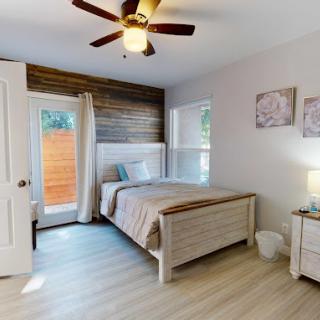
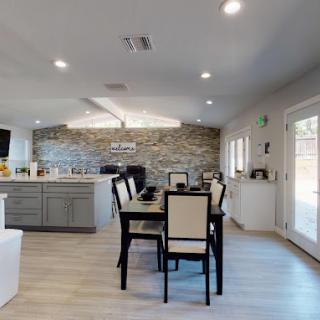

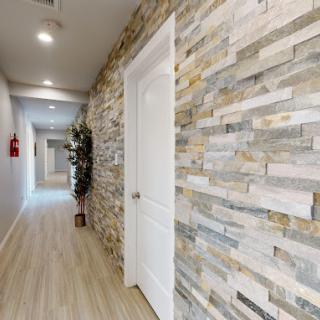
9956 Shiloh Avenue, Whittier, CA 90603
For more information about senior living options: (866) 208-4318
Shiloh Retreat Costs & Pricing
Shiloh Retreat offers competitive pricing compared to both Los Angeles County and the broader California market. For a studio, residents pay $2,750 per month, significantly lower than the county average of $4,172 and the state average of $4,145. In the one-bedroom category, Shiloh Retreat's rate of $3,600 also provides a considerable savings when compared to Los Angeles County's average of $4,603 and California's average of $4,340. The two-bedroom units at Shiloh Retreat are priced at $4,500, which is more affordable than the county's average of $6,164 and remains lower than the state average of $5,270. Overall, Shiloh Retreat presents an appealing option for those seeking quality living spaces without straining their budgets in comparison to local and statewide rates.
| Floor plans | Shiloh Retreat | Los Angeles County | California |
|---|---|---|---|
| Studio | $2,750 | $4,172 | $4,145 |
| 1 Bedroom | $3,600 | $4,603 | $4,340 |
| 2 Bedrooms | $4,500 | $6,164 | $5,270 |
Assisted Living communities with a similar price nearby
-
About the same
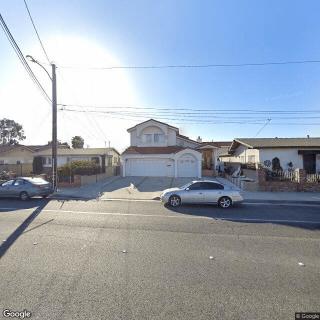
Leah Loving Elderly Care
$2,800 to $3,000 / month16.4 miles away -
About the same
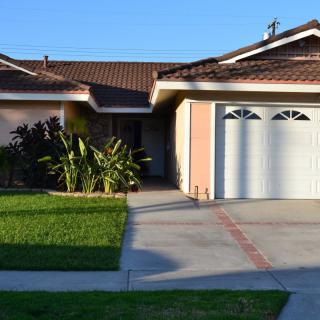
Loving Care Senior Home
$2,700 to $3,500 / month17.4 miles away -
from +$250 / mo
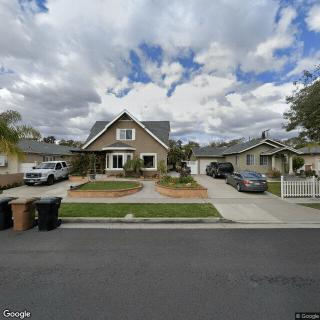
Tabi's Facility Home Care
$3,000 to $3,500 / month5.9 miles away -
from +$250 / mo
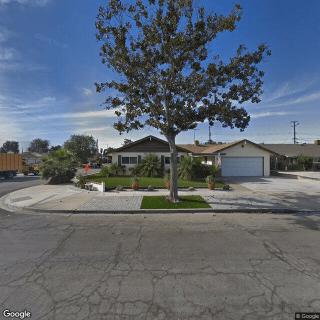
Kozy Quarters 4 Seniors
$3,000 to $3,500 / month9.2 miles away -
from -$250 / mo
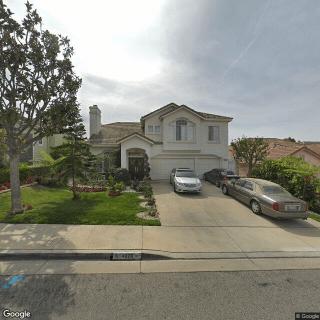
Eleanor's Residential Home
$2,500 to $6,000 / month23.1 miles away
Overall Review of Shiloh Retreat
Pros
 They are glad they found Shiloh Retreat in Whittier for dad's care.
- They describe management as consistently on top of things with great communication, and the care givers as excellent.
- They note that dad likes the meals and that the home is clean, comfortable, and odor-free.
- They sleep better knowing dad is safe and receiving the best care in a wonderful, caring environment.
- They say the mom has settled in nicely thanks to good care from Jess and Cynthia, and life has improved for both.
- They feel the facility is a perfect fit for keeping mom or dad in a place that feels like home.
Review
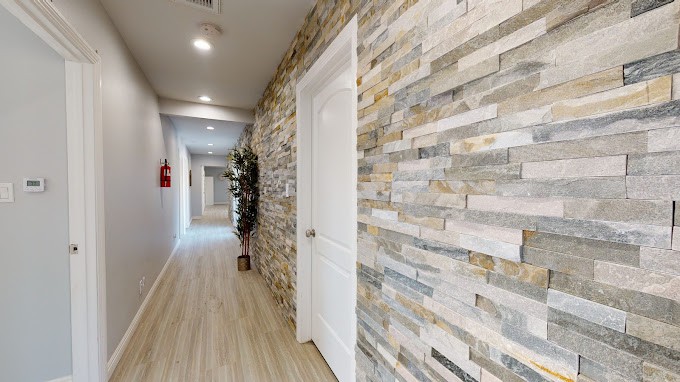
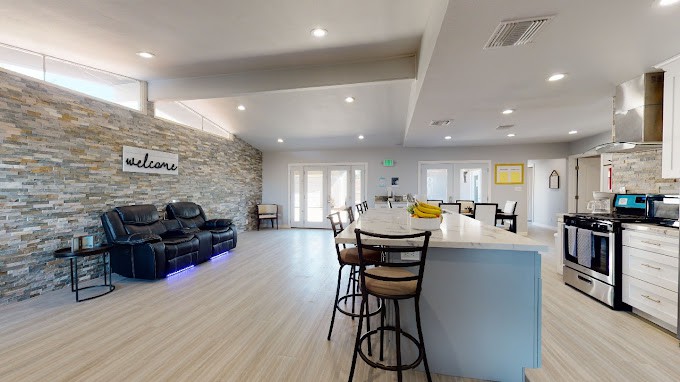
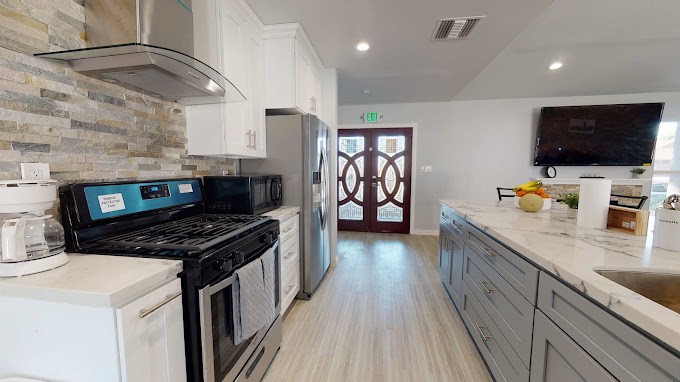
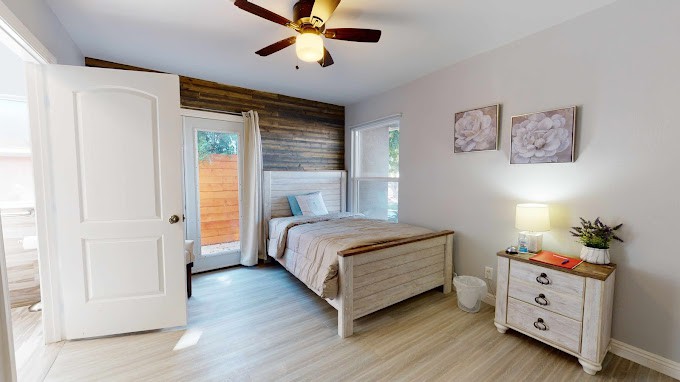
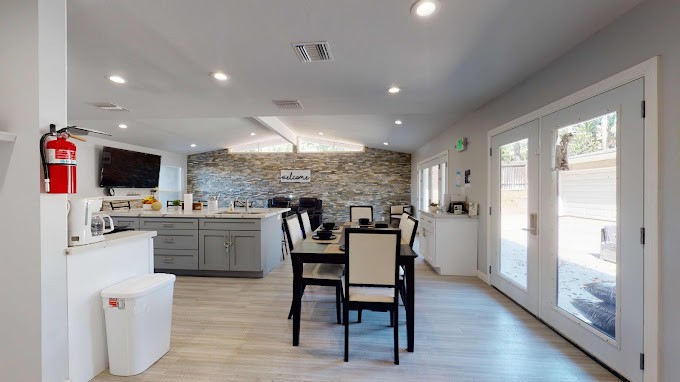
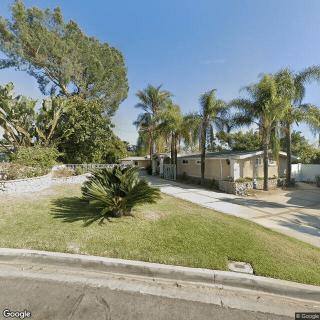
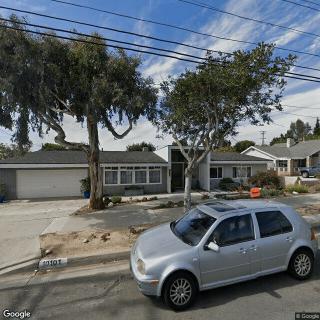
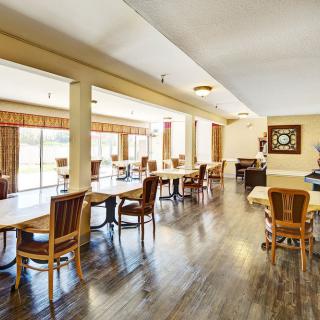
Shiloh Retreat in Whittier is best suited for families seeking a true home-like environment where an aging loved one can receive daily assistance in a small, well-managed setting. This community stands out for governance and communication that keep families in the loop, so care plans and daily routines feel predictable rather than opaque. The caregivers are consistently described as capable and attentive, forming routines that reduce confusion and anxiety for residents. Meals are well liked, and the house is clean, comfortable, and notably odor-free, signaling careful housekeeping and a calm living space. For families prioritizing safety, consistent caregiving, and a warm, familiar atmosphere over a buzzy campus vibe, Shiloh Retreat is a strong, practical fit.
Where to look elsewhere becomes clear when the situation demands higher medical acuity or a more expansive campus. Shiloh Retreat excels at daily support, personal attention, and a residential feel, but it does not present itself as a large-scale facility with extensive on-site nursing, rehabilitation services, or a full slate of specialized programs. Families should consider alternatives if memory care needs require a secure unit, if round-the-clock skilled nursing is essential, or if transportation, diversified activities, and a busy calendar are top priorities. Those prioritizing a bustling community life or a broader spectrum of clinical services will want to compare options carefully.
The strongest pros, the management’s proactive oversight and the caregivers’ reliability, translate into practical peace of mind. Transparent communication means care plans adapt quickly as needs shift, and families are not left guessing about day-to-day arrangements. The caregiver team is highlighted as a standout asset, delivering consistent daily care that keeps a loved one safe, engaged, and less anxious. The favorable meals, spotless rooms, and odor-free environment reinforce this reliability and reduce common stressors that can sap appetite or morale. In sum, these strengths make up for the inherently smaller scale by delivering dependable, human-centered care that families can trust.
There are no explicit drawbacks noted in the available feedback, but the small sample size invites caution. The intimate scale means there may be fewer on-site resources or specialists than in larger communities. For residents who require frequent skilled nursing interventions, rigorous dementia care protocols, or highly structured, campus-wide activities, this setting could feel restrained. Practically speaking, the positives around warmth, safety, and staff attentiveness are most meaningful when medical acuity remains manageable within a home-like framework. Families should weigh the comfort of intimate living against the realities of needing more extensive clinical support or programming.
Against broader alternatives, Shiloh Retreat earns its edge where caregiver attention and daily routine consistency are valued above all else. The contrast with places that rely on a single caregiver for dozens of residents is striking and meaningful, the reviews underscore how Shiloh’s model prevents the chaos common in understaffed homes. Those who prize a setting that feels like a private residence, with open lines of communication to management, will find this appealing and practical. Yet for anyone prioritizing expansive clinical services, memory-care specialization, or a more active, program-rich environment, larger communities with dedicated units should be part of the comparison. The decision rests on matching the environment to the loved one’s daily rhythm.
In Whittier, Shiloh Retreat stands as a solid, practically wise option for families seeking safety, clarity, and a home-like cadence for a senior in need of help with daily living. It is especially compelling when the priority is heartfelt, steady care delivered by a responsive team. Potential buyers should recognize that it may not cover every possible medical or cognitive care need, and exploring alternatives remains prudent if higher acuity or more extensive programming becomes central. The best next step is a guided visit, with focused questions about caregiver ratios, daily schedules, menu options, and the opportunity to observe resident–staff interactions in real time. A well-informed choice will hinge on whether the environment fits the loved one’s daily rhythm and care requirements.
 6 resident community capacity
 Assisted Living
 Cable or satellite TV
 Dining room
 Fully furnished
 Garden
 Housekeeping services
 Move-in coordination
 Outdoor space
 Telephone
 Wi-Fi/high-speed internet available
 Long Beach (Daugherty) (14 miles away)
 24-hour supervision
 Activities of daily living assistance
 Assistance with bathing
 Assistance with dressing
 Assistance with transfers
 Diabetes diet
 Meal preparation and service
 Medication management
 Special dietary restrictions
 Transportation arrangement (medical)
 Transportation to doctors appointments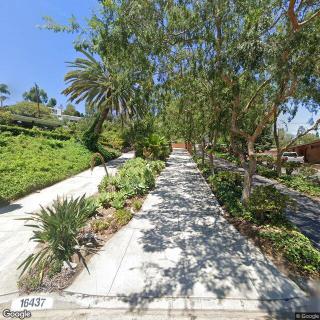


 Social Security Benefits and Assisted Living: Navigating Options Across the U.S.
 An Extensive Exploration of the VA Aid and Attendance Benefit
 Senior Transition Services: Understanding Their Role, Cost, and Importance