
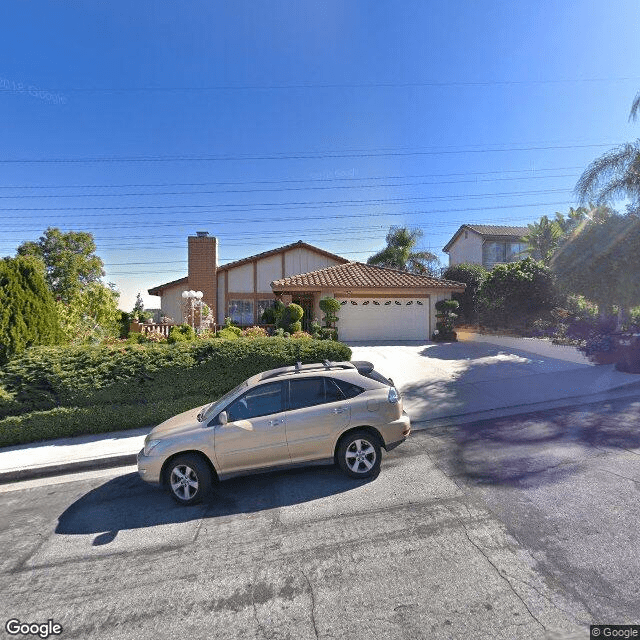
2546 S Bolar Ave, Hacienda Heights, CA 91745
To contact a resident: (626) 330-1509
For more information about senior living options: (866) 208-4318
Mountain Side Guest Home Costs & Pricing
Mountain Side Guest Home offers competitive pricing for its accommodations, particularly when compared to the broader market in Los Angeles County and across California. For semi-private rooms, Mountain Side charges $3,000 per month, which is significantly lower than both the county average of $3,349 and the state average of $3,333. Similarly, for private rooms priced at $3,500, it stands in stark contrast to the county's rate of $4,197 and California's average of $3,939. This positioning not only reflects a commitment to affordability but also highlights Mountain Side Guest Home's dedication to providing quality care while ensuring that financial considerations are manageable for residents and their families.
| Floor plans | Mountain Side Guest Home | Los Angeles County | California |
|---|---|---|---|
| Semi-Private | $3,000 | $3,349 | $3,333 |
| Private | $3,500 | $4,197 | $3,939 |
Senior living communities with a similar price nearby
-
from -$375 / mo

Berryman Health Inc
$2,625 to $3,050 / month12.1 miles away -
from +$500 / mo
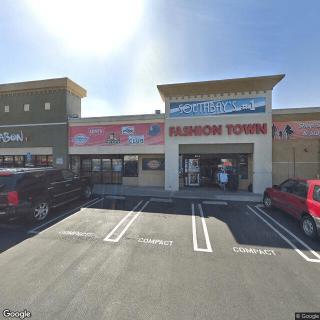
Kind Heart Home Care VI
$3,500 to $5,000 / month23.3 miles away -
from +$500 / mo
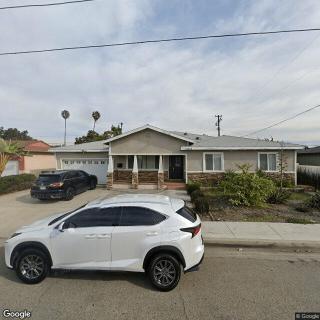
Loving Home Care
$3,500 to $4,500 / month15.3 miles away -
from +$300 / mo
Bella Manor II
$3,300 to $4,290 / month13.5 miles away -
from -$200 / mo
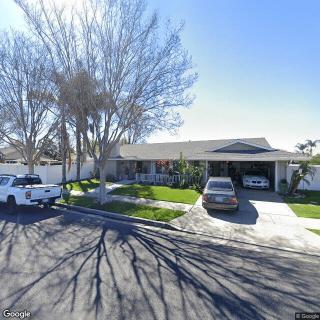
Candlewood Care Home III
$2,800 to $3,400 / month18.8 miles away
Overall Review of Mountain Side Guest Home
Pros
 Things are going well so far.
 - The mom is relieved by the owner’s accommodating and helpful approach.
- The owner is accommodating and helpful.
- Transportation is provided, which is a lifesaver.
- The cold weather helped keep her indoors, easing the transition.
Cons
 My mom really didn't want to make the move.
- She didn't want to stay outside because of the cold weather.
Review
Mountain Side Guest Home in Hacienda Heights is best suited for seniors who want a warm, home‑like environment and for families prioritizing highly personalized, hands‑on care over large‑scale amenities. The setting reads as a small residential option where the owner is directly involved, capable of adjusting routines, addressing unusual requests, and handling practical needs such as transportation. For a resident who is hesitant about a move, this kind of intimate, accommodating approach can make the transition less daunting and the daily experience more predictable. In short, it serves well those who value close, flexible support, immediate accessibility, and a sense of being personally cared for rather than processed through a bigger campus.
At the same time, several readers may want to consider alternatives. Those who require robust medical oversight, a larger staff presence, or a tightly scheduled program of activities may find this setting too lean. Families seeking broad therapy options, extensive on‑site services, or highly structured daily routines could prefer a larger assisted living community or a facility with multiple care tiers. The appeal of a small home can become a constraint if continuity of care or diversity of programming is essential; in such cases, exploring other options ensures medical and social needs are fully met.
The strongest positives center on the owner’s accommodating nature and practical support. The beloved takeaway is that the owner makes things easier, a quality that translates into real respite for families juggling logistics and healthcare tasks. Transportation, highlighted as a life saver, removes a frequent bottleneck for seniors who still need to attend appointments or run errands. In a small setting, this level of responsiveness is amplified: decisions happen quickly, problems are usually resolved without red tape, and resident comfort is prioritized over bureaucratic processes. For families facing sudden weather shifts or mobility hurdles, these are compelling reasons to lean toward Mountain Side.
Yet there are meaningful caveats to weigh. The evidence arrives from a short window and a single glowing report, which means long‑term consistency isn’t yet demonstrated. The intimate scale of the operation inherently means fewer staff and potentially fewer on‑premises resources than larger communities. That can translate into limited coverage during peak hours, fewer specialized services, or slower access to certain amenities. Prospective residents should verify how emergencies are managed, what the on‑site medical supports look like, and whether there are backup plans when the owner is unavailable.
Still, the advantages can substantially offset those concerns for the right resident. The small, familial environment rarely feels impersonal, and the owner’s hands‑on approach can yield faster problem resolution and a stronger sense of safety. Transportation support reduces caregiver burden and fosters continuity of outside appointments, which is particularly valuable for seniors who resist changes and prefer familiar routines. In situations where mobility and personal attention trump breadth of services, Mountain Side often delivers a superior daily quality of life, with less bureaucratic friction and more individualized caregiving.
To make a well‑informed choice, pursue a structured, practical evaluation. Schedule a detailed visit and ask for a written breakdown of services, staffing patterns, and hours of operation. Confirm transportation schedules, availability for emergency care, and the process for medication administration. Seek candid feedback from current residents or families who have observed the setting over a longer period, and request a trial period or a clearly defined transition plan if possible. Finally, compare total costs against the level of personalized attention and transportation support offered, ensuring the decision aligns with the resident’s medical needs, activity expectations, and family’s logistical realities.
 Board and Care Home
 Activities on-site
 Beautician on-site
 Devotional services off-site
 Indoor common areas
 Outdoor common areas
 Private
 Private bathrooms
 Respite or short term stays offered
 Wheelchair accessible showers
 Long Beach (Daugherty) (16 miles away)
 Ambulatory care
 High acuity care
 Meals provided
 Christian services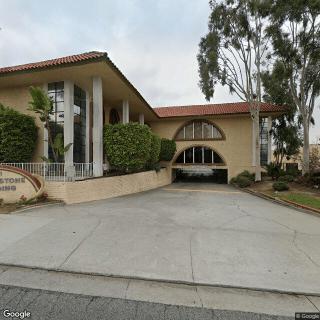
 Encouraging Participation in Adult Day Care: A Guide to Supporting a Hesitant Parent
 Comprehensive Exploration of Living Wills and Other Advance Directives
 A Detailed Exploration of Living Wills and Advance Directives