Overall Review of Lakeside Senior Living Of Granite Bay
common31 reviews mention this
Compassionate, responsive staff stands out
Residents and families consistently describe staff as caring and responsive.
Across reviews, families describe staff members as warm, professional, and welcoming, including how they reassure loved ones and help families navigate stressful decisions. Several reviewers emphasize the team approach and say staff follow through on questions about care, medications, appointments, and day-to-day needs. A few reviews also note that experiences improved over time, with calmer, more organized day-to-day care once staffing became more stable.
common2 reviews mention this
Care coordination for daily needs
Families describe the community handling care and logistics smoothly.
Multiple reviews mention that staff addressed practical concerns during the transition and afterward, including medication and appointment-related questions. Residents are also described as being kept safe and cared for between family visits, with support described as consistent when families could not be present around the clock.
common6 reviews mention this
Activities and outings keep residents engaged
Reviews repeatedly connect the community with engagement and socializing.
Several families describe residents staying active through daily activities, social time, and staff-facilitated engagement. Reviewers specifically call out an activities-focused approach and mention residents being encouraged to get out and about or join events. Even in critical feedback, one reviewer notes that activities were a bright spot through the efforts of an activities lead.
common6 reviews mention this
Food quality and dining experiences
Dining is a frequent talking point, with mixed but notable feedback.
Many reviewers describe meals as tasty and adequate, and one event review highlights a chef and praised food presentation. Other feedback is more mixed, including complaints about meal service and alternatives, as well as a separate concern about plates being left and not supported when assistance was needed. Overall, dining shows up as both a positive highlight and a place where some families felt improvements were necessary.
caveat6 reviews mention this
Pricing feels reasonable to some
Price is a recurring theme, ranging from value to major dissatisfaction.
Some families say the pricing felt reasonable and that the overall structure was transparent and aligned with what they expected. Other reviews sharply disagree, citing large monthly increases or high costs coupled with concerns about care quality and staffing. A few reviewers also describe billing and refund frustrations tied to their experiences when they decided to move a loved one out.
caveat6 reviews mention this
Care consistency questioned amid turnover
A subset of reviews raise concerns about staffing and care consistency.
While many describe improvements and strong support, several negative reviews point to turnover, missing belongings, and gaps in care quality during visits. A few families also describe concerns about supervision levels and whether residents were receiving the help they needed during meals or other routines. One reviewer also mentions key staff stabilizing later, but the overall picture in critical feedback is that consistency can vary.
How we summarize
Counts show how many written reviews mention each theme; a review can touch several themes, and only frequently mentioned themes are displayed.
Features
Housing
6 resident community capacity
Types of Care
Assisted Living
Amenities
Cable or satellite TV
Dining room
Fully furnished
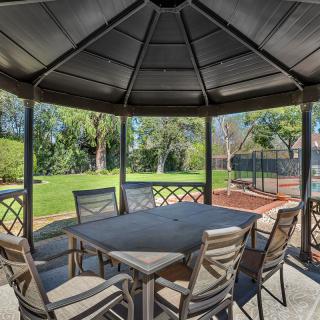
Garden
Housekeeping services
Move-in coordination
Outdoor space
Telephone
Wi-Fi/high-speed internet available
Transportation
Sacramento International (22 miles away)
Care Services
24-hour supervision
Activities of daily living assistance
Assistance with bathing
Assistance with dressing
Assistance with transfers
Coordination with health care providers
Diabetes diet
Meal preparation and service
Medication management
Special dietary restrictions
Transportation arrangement (medical)
Transportation to doctors appointments
Dining
Diabetes diet
Special dietary restrictions
Activities
Community-sponsored activities
Scheduled daily activities
Nearby Places of Interest
Restaurants
Casa Del Lago (1 miles)
Chick-Fil-A (2 miles)
Bennett's Kitchen Bar Market (3.1 miles)
My Thai Kitchen (3.4 miles)
Paul Martin's American Grill (3.4 miles)
Adalberto's Mexican Food (3.5 miles)
Taco Bell (3.5 miles)
Pharmacies
CVS Pharmacy (1 miles)
Walgreens (1.9 miles)
CVS Pharmacy (2.4 miles)
Kaiser Pharmacy (3.2 miles)
CVS Pharmacy (3.5 miles)
Longs Drugs (3.6 miles)
Sunset Pharmacy (4.4 miles)
Physicians
Camellia Women's Health (2 miles)
Sutter Medical Group (2.5 miles)
Kaiser Permanente Department of Psychiatry (2.8 miles)
Caparas Maria J MD - Kaiser Permanente Medical Group-Maria Caparas (2.8 miles)
Naveen Mishra (3 miles)
Capital Allergy (3.2 miles)
Richard Jackson MD (3.2 miles)
Parks
Hillsborough Park (2.2 miles)
Harry Crabb Park (3 miles)
Maidu Regional Park (3.5 miles)
Johnson-Springview Park (4.2 miles)
Negro Bar State Park (4.8 miles)
Diamond Oaks Park (5.1 miles)
Granite Park (5.1 miles)
Hospitals
Kaiser Permanente Labor and Delivery (3.2 miles)
Yuan Franklin E MD - Kaiser Permanente Medical Group (3.3 miles)
Assisted living facilities provide support for older adults needing help with daily activities without extensive medical care, but their costs can be high and vary by location and services offered. Families often seek various funding options and financial strategies to manage these expenses effectively while considering future needs and potential price increases.
The article discusses assisted living expenses, the importance of long-term care insurance in covering these costs, and various financing options, highlighting the need for careful policy review and early planning to address potential needs. It also clarifies common misconceptions about Medicare and private health insurance limitations regarding long-term care coverage.
Assisted living facilities offer crucial support for older adults needing help with daily activities but come with varying and significant costs, which can be financed through personal savings, government assistance programs, long-term care insurance, and home equity options. Professional guidance from experts can aid families in navigating these financial complexities to establish a sustainable budgeting approach for assisted living services.
Get PricingAsk A QuestionSchedule A TourContact Senior Advisor
By clicking submit, you agree to our Partner's Terms of Use. You
also consent to receive calls and texts, which may be autodialed, from our Partner. Your consent is not a condition to
using our Partner's service. Please visit our Partner's Privacy Policy for information about their privacy practices.



 6 resident community capacity
 Assisted Living
 Cable or satellite TV
 Dining room
 Fully furnished
 Garden
 Housekeeping services
 Move-in coordination
 Outdoor space
 Telephone
 Wi-Fi/high-speed internet available
 Sacramento International (22 miles away)
 24-hour supervision
 Activities of daily living assistance
 Assistance with bathing
 Assistance with dressing
 Assistance with transfers
 Diabetes diet
 Meal preparation and service
 Medication management
 Special dietary restrictions
 Transportation arrangement (medical)
 Transportation to doctors appointments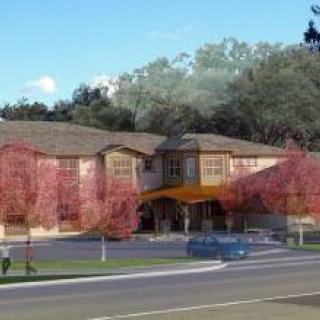
 Specialized memory care with 24-hour supervision in a small, fully furnished community, plus engaging activities and comprehensive amenities.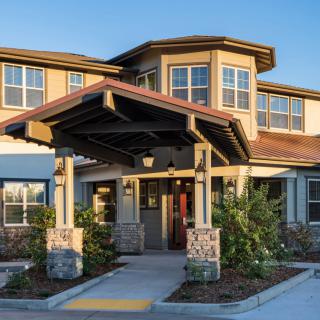



 Funding and Affording Assisted Living: A Thorough Overview
 Assisted Living Expenses and Long-Term Care Insurance: A Comprehensive Exploration
 Securing Financial Support for Assisted Living: A Comprehensive Overview