
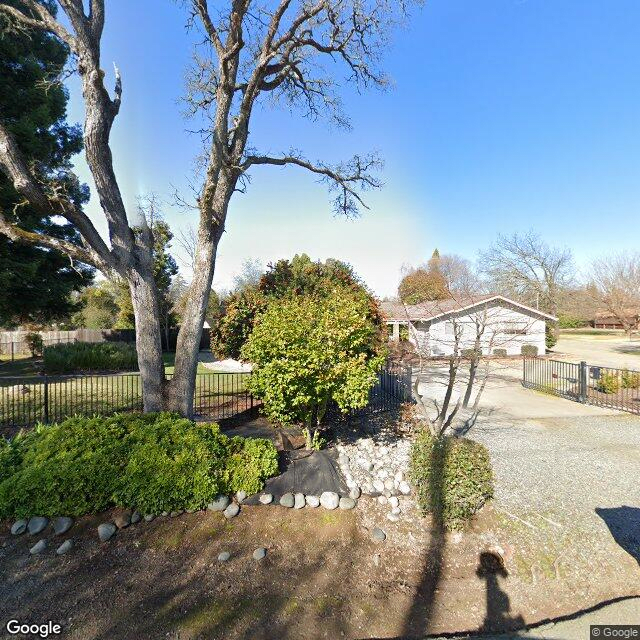
8352 Joe Rodgers Rd., Granite Bay, CA 95746
To contact a resident: (916) 300-6967
For more information about senior living options: (866) 208-4318
Granite Bay Villa Costs & Pricing
Granite Bay Villa offers a competitive pricing structure for its private rooms at $2,865 per month, which is significantly lower than both Placer County's average of $4,026 and the broader California average of $3,939. This positioning not only highlights Granite Bay Villa as an affordable option within the region but also reflects its commitment to providing quality senior living solutions without compromising on care or comfort. By staying well below local and state averages, Granite Bay Villa presents an appealing choice for families seeking a nurturing environment for their loved ones while being cost-conscious.
| Floor plans | Granite Bay Villa | Placer County | California |
|---|---|---|---|
| Private | $2,865 | $4,026 | $3,939 |
Memory care communities with a similar price nearby
-
from +$135 / mo
Love & Care for Elder
$3,000 to $4,500 / month8.7 miles away -
from -$365 / mo
Eastern Manor
$2,500 to $3,000 / month13.5 miles away -
from -$401 / mo
Eskaton Village Placerville
$2,464 to $4,678 / month21.6 miles away -
from -$365 / mo
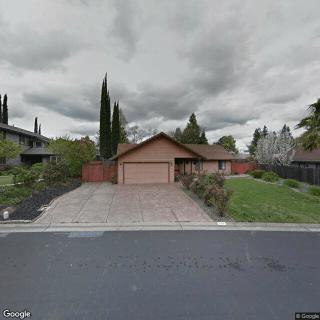
A.R.C. Manor of Folsom
$2,500 to $3,500 / month3.9 miles away -
from +$385 / mo
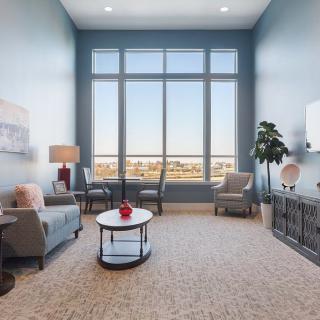
WellQuest of Elk Grove
$3,250 to $5,050 / month24.5 miles away
Overall Review of Granite Bay Villa
Pros
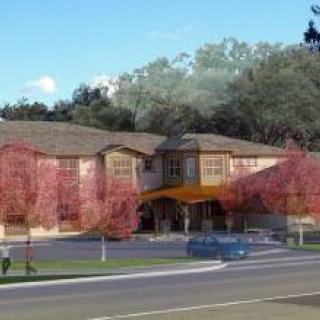
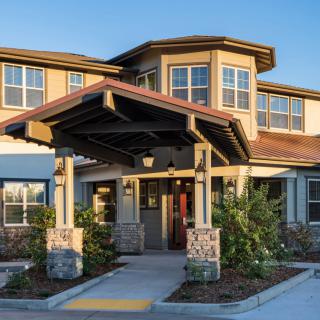
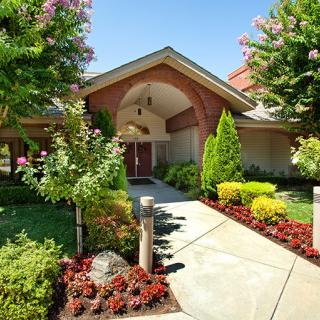
 Granite Bay Villa feels like a family home in a neighborhood.
- The setting is intimate, with a small number of residents and a live-in assistant.
- The atmosphere is casual and low-key, without unnecessary bells and whistles.
- It has a good monitoring system that helps keep residents safe.
- The environment enables residents to engage in activities and feel alive.
- The facility provides full-time care.
- The staff are friendly, attentive, and watchful.
- It offers good value for the care provided.
- It can accommodate new residents with one day’s notice.
- The care team is doing a great job and is highly regarded.
Cons
 There are no bells and whistles at the facility.
- The environment is very casual.
- The arrangement feels like boxing up a dementia patient and putting her someplace safe.
- The food is only OK, a buffet of basic fare.
- The staff appear to have only basic competence and are not RN-qualified.
Review
Granite Bay Villa is best suited for families seeking a small, home-like assisted living option in Granite Bay that prioritizes safety, intimate supervision, and everyday engagement for a resident with memory challenges who does not require hospital-grade medical care. The setting feels like a private house with a limited number of residents, where a live-in assistant provides around-the-clock presence. This arrangement works well for someone who benefits from a familiar, casual environment, where monitoring is steady, and the resident can be observed closely without the structure of a large facility.
Those weighing alternatives should consider options if RN-level medical oversight, specialized dementia programming, or a broad menu of upscale amenities are non-negotiable. For residents needing frequent skilled nursing, wound care, complex medication regimens, or highly structured activities, Granite Bay Villa may fall short. Families seeking a more formal dining experience, larger social calendars, or more expansive on-site services will likely find other communities better aligned with those expectations.
The strongest positives hinge on the intimate, house-like atmosphere and the practical advantages that come with it. With roughly four clients and a live-in caregiver, the operation feels personalized and responsive rather than clinical. The staff comes across as competent and approachable, delivering steady supervision that can be crucial for a dementia resident who benefits from constant eyes on safety and behavior. The setting makes it easier for a loved one to feel connected to a routine, and the caregiver’s consistent presence helps sustain engagement, as illustrated by the resident’s renewed interest in activities like watching TV and participating in shared spaces.
However, the main drawbacks are clear and meaningful for decision-makers. The care team is not RN-qualified, which signals limits in medical expertise and more intensive clinical tasks. The cuisine is described as basic, lacking the polish or variety some families expect, and the absence of bells-and-whistles programming means activities may skew toward essential supervision rather than enriched, therapeutic engagement. The small scale that favors intimacy can also constrain the breadth of social opportunities and access to a wider network of peers and specialized programming that larger communities offer.
These pros and cons interact in a way that still favors Granite Bay Villa for the right resident. The small, attentive staff and the live-in caregiver model translate into strong safety and day-to-day continuity, which can offset the absence of RN-level care for a resident who is stable but memory-impaired. The affordability relative to other facilities, paired with the flexibility to admit quickly, sometimes with one day’s notice, creates a practical bridge for families transitioning a loved one from home. In short, value is found in the guarantee of constant supervision and the emotional comfort of a familiar, casual home setting, which often yields visible improvements in mood and daily participation.
For families considering a visit, key questions should focus on medical oversight and emergency response, medication management practices, and the exact caregiver coverage schedule. Clarify whether any on-site nursing support exists, what tasks are within staff capabilities, and how changes in health status would be escalated. Probe the menu and dining rhythm to ensure dietary needs and preferences can be accommodated, and assess whether the activity level aligns with what the resident enjoys and tolerates. Finally, confirm admission logistics, length of stay expectations, and the community’s process for handling transitions if health needs shift. Granite Bay Villa stands out as a pragmatic, compassionate choice for those prioritizing safety, a home-like feel, and straightforward care over clinical grandeur.
 Board and Care Home
 Memory Care
 Sacramento International (22 miles away)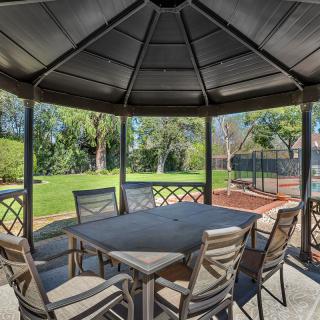


 Medications Associated with Dementia Risk: A Comprehensive Overview
 Guiding Your Journey: Understanding Power of Attorney for Elderly Parents
 22 Remarkable Caregiver Support Groups Available Online and In-Person