
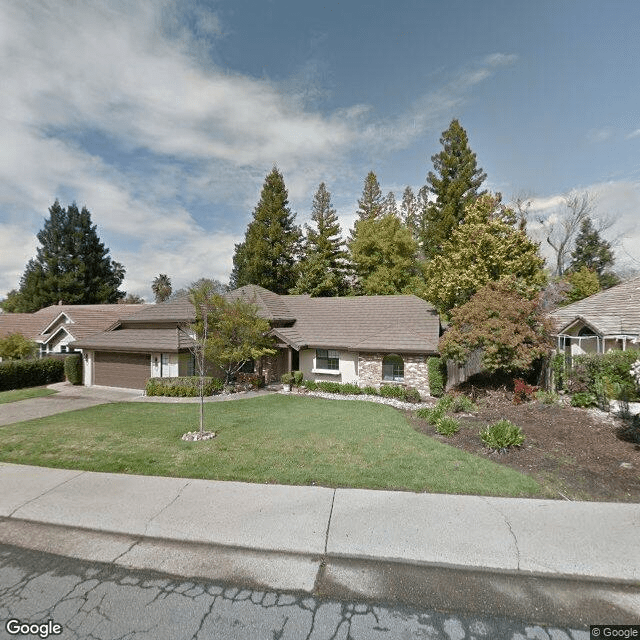
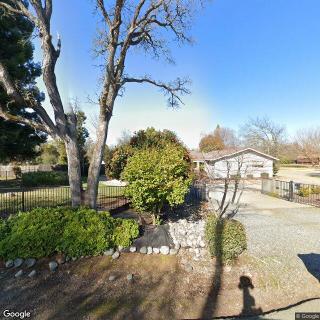
6965 Boardwalk Drive, Granite Bay, CA 95746
For more information about senior living options: (866) 208-4318
Cana Place Costs & Pricing
Cana Place offers competitive pricing for its semi-private rooms at $3,300 per month, positioning itself favorably within the local and state market. In Placer County, similar accommodations average around $3,489, suggesting that Cana Place provides a more cost-effective option for families seeking quality care. When compared to the broader California average of $3,333 for semi-private rooms, Cana Place not only meets but slightly undercuts state costs while maintaining high standards of service. This makes Cana Place an attractive choice for those looking for value without compromising on care quality in a well-regarded residential setting.
| Floor plans | Cana Place | Placer County | California |
|---|---|---|---|
| Semi-Private | $3,300 | $3,489 | $3,333 |
Memory care communities with a similar price nearby
-
from -$300 / mo
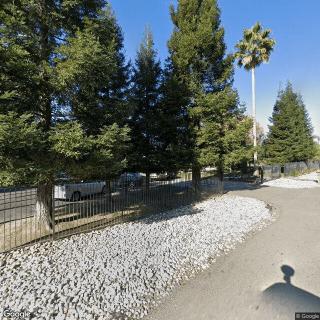
Love & Care for Elder
$3,000 to $4,500 / month9.1 miles away -
from +$200 / mo

Diamond Oaks Residential Care
$3,500 to $4,000 / month5.8 miles away -
About the same
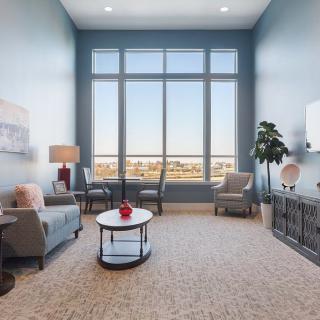
WellQuest of Elk Grove
$3,250 to $5,050 / month24.4 miles away -
from +$400 / mo
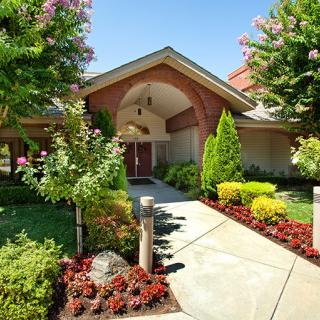
Summerfield of Roseville Memory Care
$3,700 to $4,600 / month4.1 miles away -
from +$350 / mo
Mercy McMahon Terrace
$3,650 to $4,900 / month19.3 miles away
Overall Review of Cana Place
Pros
 Cana Place in Granite Bay comes highly recommended.
- Sam, the owner, is involved in day-to-day operations and checks in on residents and staff.
- The mom thrived under Sam's care for six years.
- The staff are loving and caring, treating residents as their own family.
- Cana Place provides the personal care larger facilities couldn't, giving families peace of mind.
Review
Cana Place in Granite Bay is best suited for families seeking a warm, intimate senior home where care feels personal and unhurried. The setting operates on a small, hands-on model rather than a sprawling corporate campus, and that distinction is its strongest selling point. The owner, Sam, stays involved in everyday operations, checking in on residents and staff with genuine attention. For families who want to see a caregiver network that behaves like an extended family, Cana Place delivers the kind of continuity and daily warmth that often gets lost in larger facilities. The resident described here thrived for six years under this approach, a clear signal that the environment supports long-term well-being and a sense of belonging.
That said, families should weigh alternatives when needs extend beyond the scope of a smaller home. If a resident requires extensive medical oversight, complex therapy schedules, or a broad menu of on-site clinical services, larger communities with more established programmatic infrastructure can be a better fit. For those prioritizing formal activity calendars, diverse social programming, or highly specialized memory-care resources, a bigger campus can offer assurances that a compact setting may not match. Cana Place's strength lies in intimate, personalized care; for some situations, the breadth of a larger facility may be a better match.
The primary advantage centers on Sam’s daily involvement in operations. His presence fosters rapid responsiveness, clear accountability, and a decision-making speed that benefits residents who require timely adjustments to care plans. The model minimizes the disconnect that can occur when leadership is distant, ensuring thatStaff and residents talk to a leader who understands each relationship and history. That kind of continuity translates into reliable routines, predictable care, and a sense of security for families who want a trustworthy point person to contact about day-to-day needs.
Equally compelling is the way Cana Place’s staff embrace residents as if they were family. The care atmosphere feels consistently kind, patient, and affectionate, with staff who appear genuinely committed to residents’ comfort and dignity. This isn’t about surface-level warmth; it’s about a culture where personal attention, attentive listening, and gentle assistance are the norms. In a setting where a loved one can thrive on regular, meaningful interactions, such relational care often outpaces what larger facilities claim to offer in terms of individualized attention. The result is not just safety but a meaningful daily experience that preserves a resident’s identity and quality of life.
One practical consideration, born from the very strength of a small, owner-led home, is the potential need to plan for contingencies inherent to a compact operation. If illness or schedule conflicts affect the owner or a small team, families should verify how coverage works and what backup staffing looks like. While the review highlights exceptional continuity and responsiveness, the inherent dependence on a single leadership hub means prospective residents should explore how care plans are sustained during any unavoidable gaps. This is not a flaw so much as a prudent checkpoint: confirm that there are robust systems, clear communication channels, and dependable backup coverage to maintain the high standard observed in day-to-day care.
Ultimately, Cana Place presents a compelling choice for families prioritizing trust, personalization, and a home-like atmosphere. It excels where residents flourish with consistent, affectionate care delivered by an owner who takes accountability for every resident’s well-being. For those whose needs include a wider slate of services, structured programming, or clinical depth beyond a small home’s capacity, exploring alternatives alongside Cana Place is wise. Visit with a clear checklist: observe staff–resident interactions, ask about staffing ratios and turnover, review care-planning processes, and confirm the practicality of backup coverage. When those factors align with a resident’s preferences, Cana Place stands out as a practical, highly capable option grounded in genuine care.
 6 resident community capacity
 Assisted Living
 Board and Care Home
 Memory Care
 Respite Care
 Cable or satellite TV
 Dining room
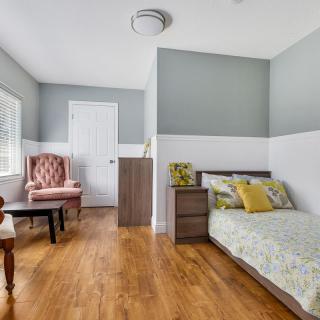
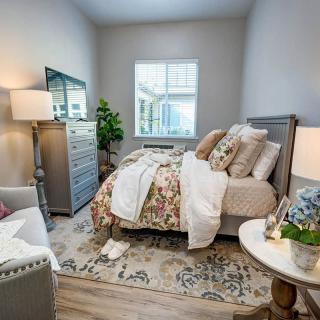
 Fully furnished
 Garden
 Housekeeping services
 Move-in coordination
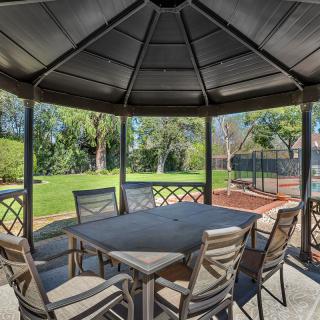
 Outdoor space
 Telephone
 Wi-Fi/high-speed internet available
 Sacramento International (23 miles away)
 24-hour supervision
 Activities of daily living assistance
 Assistance with bathing
 Assistance with dressing
 Assistance with transfers
 Diabetes diet
 Meal preparation and service
 Medication management
 Special dietary restrictions
 Transportation arrangement (medical)
 Transportation to doctors appointments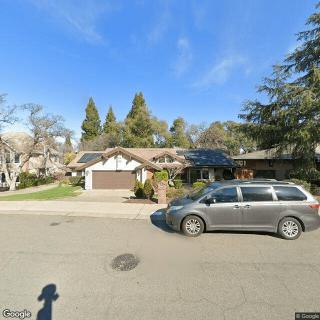


 How to Communicate with a Loved One Living with Dementia: 10 Supportive Strategies
 Comprehensive Guide to VA Nursing Homes: A Crucial Long-Term Care Resource for Veterans
 Estimating the Expenses of At-Home Dementia Care: A Detailed Exploration