
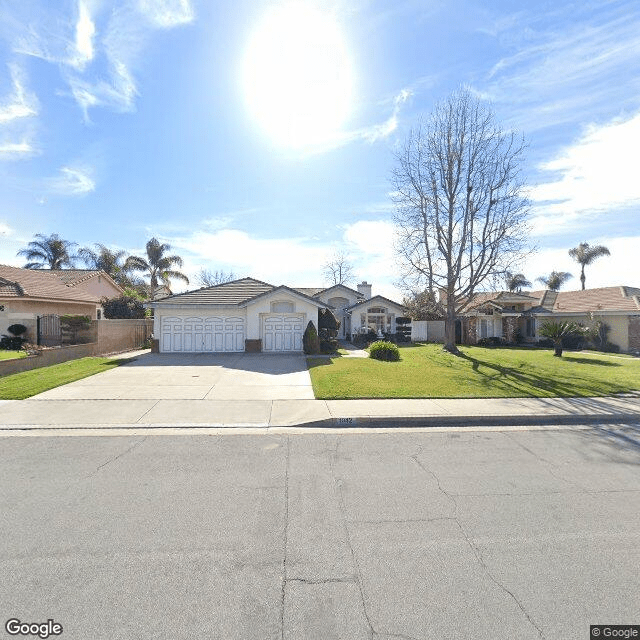
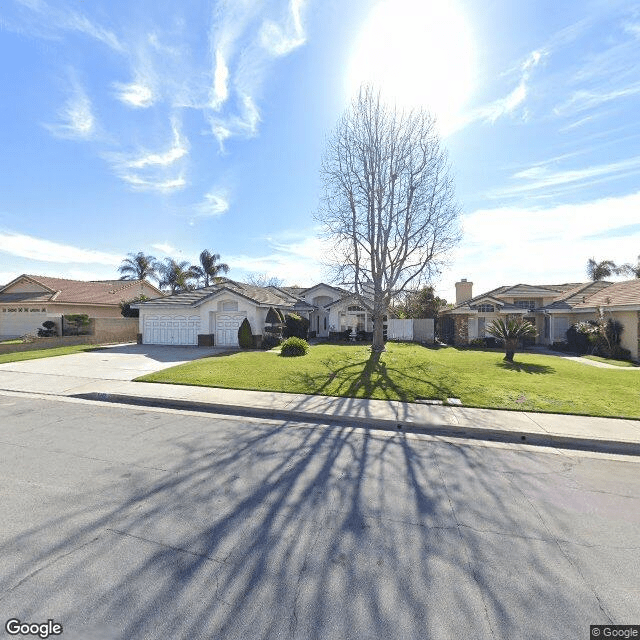
1042 Claraday Street, Glendora, CA 91740
To contact a resident: (951) 532-4644
For more information about senior living options: (866) 208-4318
St. James Home For The Elderly Costs & Pricing
St. James Home for the Elderly offers competitive pricing compared to both Los Angeles County and the broader California market. For a semi-private room, residents pay $2,000 per month, significantly lower than the county average of $3,349 and the state average of $3,333. The private rooms are also competitively priced at $3,000, contrasting with Los Angeles County's average of $4,197 and California's average of $3,939. Studio accommodations are available for the same monthly rate of $3,000, again undercutting both county and state averages. Finally, for those seeking a one-bedroom apartment, St. James Home charges $3,500 - still more affordable than the county's average of $4,603 and below California's statewide average of $4,340. Overall, St. James provides an excellent value for quality elderly care in a region where costs can quickly escalate.
| Floor plans | St. James Home For The Elderly | Los Angeles County | California |
|---|---|---|---|
| Semi-Private | $2,000 | $3,349 | $3,333 |
| Private | $3,000 | $4,197 | $3,939 |
| Studio | $3,000 | $4,172 | $4,145 |
| 1 Bedroom | $3,500 | $4,603 | $4,340 |
Memory care communities with a similar price nearby
-
from +$300 / mo
Bronwyn Residential Care
$2,300 to $3,500 / month21.3 miles away -
About the same
House Of Grace
$2,000 to $4,200 / month6.0 miles away -
About the same
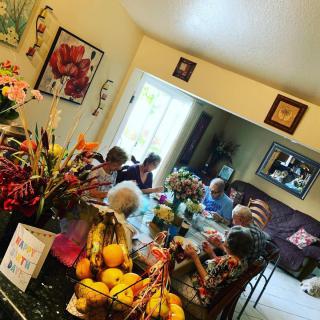
Select Senior Care, LLC
$1,950 to $6,200 / month17.4 miles away -
from -$200 / mo
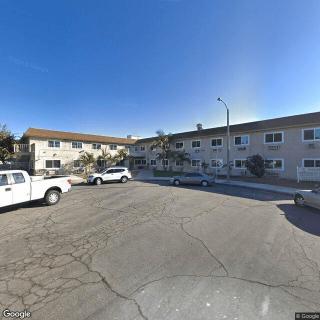
Palms Retirement Center
$1,800 to $3,495 / month17.2 miles away -
from -$200 / mo
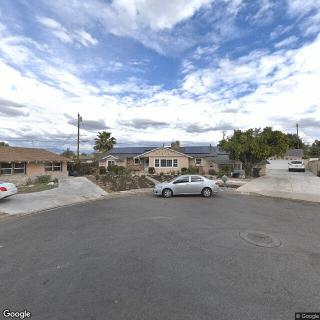
South Hills Country Home for the Elderly
$1,800 to $2,500 / month5.1 miles away
Overall Review of St. James Home For The Elderly
Pros
 St. James is wonderful.
- St. James is a large, spacious home with a very large open floor plan in a neighborhood.
- The people at St. James are friendly, nice, and welcoming.
- The facility is very clean and the rooms are nice.
- The home is wheelchair-friendly and offers ample space to move around.
- The staff provides around-the-clock care and takes great care of residents.
- A Place for Mom is a huge help in difficult situations.
Cons
 There isn’t really any amenity.
- Some people were watching TV and some were just sitting around a table.
Review
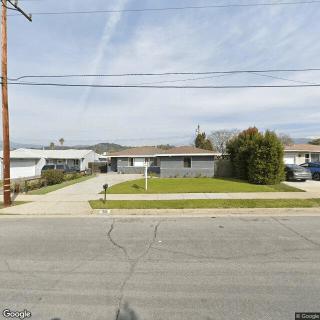
St. James Home For The Elderly in Glendora is best suited for seniors who want a warm, home-like setting in a neighborhood, with personally attentive caregivers and a layout that feels more residence than institution. The large, open floorplan supports mobility and wheelchairs, while the overall vibe is welcoming and quiet on the surface. Families seeking a caregiving environment that feels like a true home, where staff members know residents by name, meals look appealing, and cleanliness is evident, will find this community aligns well with those priorities. It fits well for someone who values intimate, neighborly living and is comfortable with a smaller scale operation rather than a bustling, amenity-rich campus.
Those weighing alternatives should consider whether a robust activity calendar and more built-in amenities are priorities. The reviews note a lack of formal programming and on-site “extras,” which can leave some residents with fewer daily social options and structured diversions than larger facilities. For families seeking a highly scheduled activities program, wellness center, salon services, or frequent resident outings, this environment may feel undersized. In such cases, another option with more extensive programming or a broader array of on-site services would likely deliver greater day-to-day engagement.
The strongest positives center on a genuine home atmosphere paired with dependable, caring staff. The house-like setting contributes to a sense of safety and belonging, while the open, spacious layout makes navigation manageable for mobility aids. Cleanliness and well-maintained rooms reinforce daily comfort, and feedback about the food is generally favorable, suggesting meals that residents find appetizing and sufficient. The consistency of kindness and the owner’s visible engagement emerge as meaningful signals of a family-friendly operation, where staff members can respond with attention and warmth.
However, the same characteristics that foster a welcoming home feel also highlight potential drawbacks. The lack of built-in amenities and limited activities can leave some residents feeling under-stimulated, particularly if social engagement and diversified routines are central to their well-being. For families monitoring medical needs, the absence of many specialized services or campus-wide programs means attention to individual care plans and external support may be necessary to fill gaps. This is a setting where one must value personal contact and a home-like pace over a breadth of on-site offerings.
Ultimately, the decision hinges on balance: the home environment, attentive caregiving, and mobility-friendly design can offset the absence of formal amenities for many seniors, especially those transitioning from hospital or recovering from a stroke, as suggested by the testimonials about 24/7 staffing and compassionate care. For residents who thrive in a quieter, less program-driven setting and who prize relational quality over activity quantity, St. James delivers substantial value. For those who equate quality care with an expansive calendar and built-in diversions, alternatives should be explored.
When visiting, families should press for specifics that matter to daily life. Ask about caregiver-to-resident ratios, exact dining options, and the typical daily schedule, what activities are offered, who leads them, and how participation is encouraged. Request opportunities to meet staff and, if possible, the owner, to gauge consistency of care and responsiveness. Inquire about medical oversight, capabilities for chronic conditions, and whether stroke recovery goals can be supported on-site or with external referrals. Compare these factors against budget, location, and individual preferences, then decide whether St. James represents the best fit or if a facility with richer programming and more amenities would better serve long-term goals.
 6 resident community capacity
 Assisted Living
 Board and Care Home
 Memory Care
 Cats allowed
 Dogs allowed
 Activities off-site
 Bath tubs
 Cable or satellite TV
 Devotional services on-site
 Dining room
 Fully furnished
 Garden
 Housekeeping services
 Indoor common areas
 Move-in coordination
 Outdoor common areas
 Private
 Private bathrooms
 Respite or short term stays offered
 Telephone
 Wi-Fi/high-speed internet available
 Ontario International (14 miles away)
 24-hour supervision
 Ambulatory care
 Assistance with bathing
 Assistance with dressing
 Assistance with transfers
 Diabetes diet
 Diabetic care
 High acuity care
 Incontinence care
 Meal preparation and service
 Medication management
 Special dietary restrictions
 Transportation arrangement (medical)
 Transportation to doctors appointments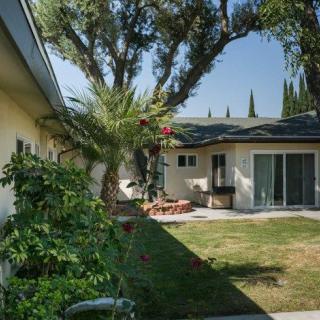



 Engaging Memory Care Activities That Enhance Quality of Life
 When to Transition from Assisted Living to Memory Care: Key Indicators, Steps, and Finding the Right Community
 Understanding the Distinctions: Assisted Living and Memory Care Explained