
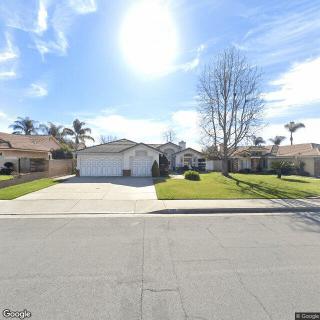
1452 Goldrush Street, San Dimas, CA 91773
For more information about senior living options: (866) 208-4318
Overall Review of La Posada In San Dimas
Pros
 The staff have been kind, professional, and respectful at all times.
- They communicate very well with families and provide conscientious care that brings a sense of calm.
- The staff treat the tenants as if they are their own family, a standard that comes from leadership.
- Rafial Diaz shows care and concern for residents.
- The facility is described as excellent for Mom's care.
- The rooms are nice.
Cons
 The facility claimed to provide 24-hour awake staff, but the 88-year-old mother suffered two bad falls.
- There were irregularities in the mother's care, problems with administering medications, and inadequate daily attention to her needs.
Review
La Posada in San Dimas is best suited for seniors who want a small, home-like community with personal attention, steady communication, and a family atmosphere. It fits families that value calm routines, respectful staff, and a sense of continuity, where staff appear to know residents well and the caregiving tone feels compassionate rather than clinical. This is not a resort-style community; it’s a modest, intimate setting that prioritizes warmth and consistent contact over high-volume programming or premium amenities.
Those who should consider alternatives include families seeking aggressive medical oversight, frequent on-site rehab, or memory-care environments with specialized staff and higher acuity capacity. A troubling report mentions two serious falls and irregularities in medication administration, paired with claims that the facility did not consistently deliver 24-hour awake staffing. While other reviews describe years of conscientious care, these questions about safety and medication practices signal a need for careful validation before committing, especially for a resident with higher medical or fall-risk needs.
On the strength side, La Posada’s small size enables a notably personal touch. Residents are described as being treated like family, with staff who are kind, professional, and respectful, and with communication that keeps families well-informed. A consistent thread across reviews is the sense that care is delivered with genuine concern from top leadership to line staff, reinforced by remarks about responsiveness and dependable daily attention. The environment appears calm and manageable, with a dining room and living spaces that feel comfortable rather than grand, which suits seniors who prefer a modest, predictable routine.
Those pros offset the main concerns mainly through enhanced daily visibility and trust. In a smaller community, problems tend to come to light quickly, and families repeatedly note strong lines of communication. When care teams know residents well, early signals of discomfort or confusion can be caught and addressed without delay, potentially reducing the risk of escalation. The long-term stay rhythm, one reviewer cites three years of positive experience, also reduces the disruption and anxiety that can accompany frequent moves, a consideration that matters deeply for residents who value stability over novelty.
Nonetheless, certain drawbacks are worth weighing carefully. The footprint and staffing model inherently limit breadth of activities, specialist programming, and high-intensity medical support that larger, more resourced communities offer. For a resident who thrives on an active social calendar, robust rehab services, or extensive memory-care programming, La Posada may feel constrained. The dining and common-area experience is described as normal rather than upscale, which may matter to families prioritizing culinary variety or more extensive on-site amenities.
In the end, the decision hinges on matching the resident’s needs to the community’s strengths. La Posada clearly serves as a reassuring, intimate home where staff appears dedicated and families can expect clear communication and a respectful culture. It is less suitable for those requiring aggressive medical management, rigorous medication oversight, or specialized memory-care environments. Prospective families should conduct direct conversations about staffing levels, night coverage, and medication protocols, request current state survey results, and, if possible, spend time with the care team and current residents. A thoughtful tour, with explicit questions about falls risk and incident management, will reveal whether the perceived warmth and continuity translate into the safety and medical support the resident warrants.
 6 resident community capacity
 Assisted Living
 Board and Care Home
 Cable or satellite TV
 Dining room
 Fully furnished
 Garden
 Housekeeping services
 Laundry
 Move-in coordination
 Outdoor space
 Telephone
 Wi-Fi/high-speed internet available
 Ontario International (14 miles away)
 Transportation & parking
 24-hour supervision
 Activities of daily living assistance
 Assistance with bathing
 Assistance with dressing
 Assistance with transfers
 Diabetes diet
 Meal preparation and service
 Medication management
 Special dietary restrictions
 Transportation arrangement (medical)
 English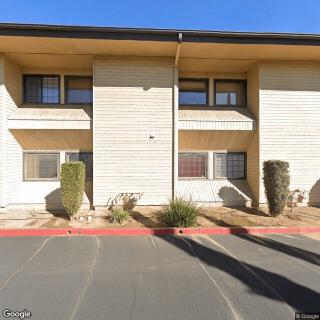



 Assisted Living Expenses and Long-Term Care Insurance: A Comprehensive Exploration
 Securing Financial Support for Assisted Living: A Comprehensive Overview
 Social Security Benefits and Assisted Living: Navigating Options Across the U.S.