
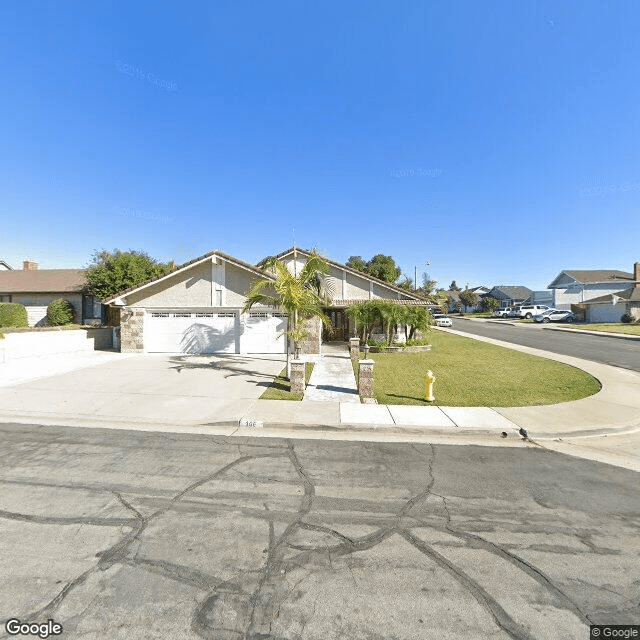
146 Shire Court, San Dimas, CA 91773
For more information about senior living options: (866) 208-4318
St. Jude's Elder Care III Costs & Pricing
St. Jude's Elder Care III offers competitive pricing in the realm of elder care, with a consistent monthly rate of $3,200 for private rooms, studios, and one-bedroom accommodations. This pricing stands in stark contrast to the average costs within Los Angeles County, where similar facilities charge approximately $4,197 for private rooms and even higher for studios and one-bedrooms. In comparison to statewide averages in California, which hover around $3,939 for private rooms and rise to $4,145 for studios and $4,340 for one-bedrooms, St. Jude's represents a significant value proposition. By providing quality care at lower rates than both county and state averages, St. Jude's Elder Care III positions itself as an attractive option for families seeking affordable yet comprehensive elder care solutions.
| Floor plans | St. Jude's Elder Care III | Los Angeles County | California |
|---|---|---|---|
| Private | $3,200 | $4,197 | $3,939 |
| Studio | $3,200 | $4,172 | $4,145 |
| 1 Bedroom | $3,200 | $4,603 | $4,340 |
Memory care communities with a similar price nearby
-
from +$400 / mo
Genesis Manor VI
$3,600 to $4,200 / month13.5 miles away -
from +$300 / mo
Comfort Keepers Home Care
$3,500 to $6,500 / month12.5 miles away -
from -$200 / mo
Best Elderly Care I
$3,000 to $3,500 / month20.6 miles away -
from +$400 / mo
Genesis Manor I
$3,600 to $4,200 / month12.8 miles away -
from -$500 / mo
The Golden Years Guest Home
$2,700 to $3,500 / month24.6 miles away
Overall Review of St. Jude's Elder Care III
Pros
 St. Jude's is well run and the staff are kind.
- The home is clean and pleasant, and the residents seem happy there.
- The fees are very reasonable compared to assisted living, and the care is more personal.
- SJ III was a perfect home for Mom; she enjoyed her time there and greatly appreciated the care from the caregivers.
Review
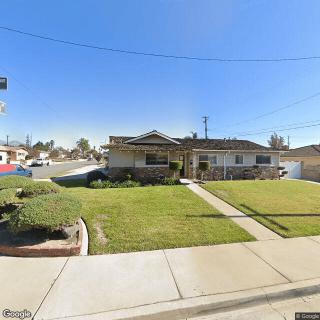
St. Jude's Elder Care III in San Dimas, California is best suited for families seeking a small, home-like setting where seniors receive highly personalized attention. The two reports describe a residence that feels intimate and well cared-for, not institutional. A clean, pleasant environment supports daily comfort, and the staff are described as consistently kind and attentive. Residents appear happy, and the care dynamic is explicitly described as “more personal” than what larger facilities typically offer. For families prioritizing warmth, stable routines, and a price point that won’t unduly strain finances, this community presents a compelling match.
Those weighing alternatives should note that the reviews do not highlight extensive medical campuses or high-density activity programs. If the priority is robust on-site medical coordination, 24/7 nursing oversight, or a broad menu of therapeutic offerings, larger assisted living campuses or facilities with specialized services may be worth exploring. The intimate, home-like model seems to come with trade-offs in scale and breadth of services. In practical terms, if care needs include frequent clinical management or expansive social programming, families should compare how flexible St. Jude’s really is against what a bigger community can guarantee.
On the upside, the core advantages are clear and substantial. The operation is perceived as well run, with staff kindness repeatedly cited as a standout feature. Cleanliness and a pleasant atmosphere matter daily, contributing to a sense of safety and comfort for residents and peace of mind for families. The emphasis on personal care translates into more careful monitoring of small changes in health or mood, which is a meaningful element for anyone evaluating progressive needs. Fees are noted as reasonable in comparison with typical assisted living, which reduces financial stress while maintaining a strong caregiving standard. Taken together, these elements form a solid value proposition for households prioritizing trust and a nurturing environment.
With these strengths in view, the main decision hinges on how well the setting aligns with ongoing needs. The intimate, staff-centered approach directly mitigates common fears about loneliness, neglect, or feeling invisible in a crowd. The price advantage complements this by making long-term caregiving more affordable without sacrificing daily attentiveness. The longevity of positive experience, evidenced by a resident who spent seven years in the home, speaks to dependable routines and staff stability. In practical terms, the advantages offset typical drawbacks associated with smaller homes: the risk of impersonal service or feeling lost in a large system is countered by visible warmth and continuity.
Even though reviews do not flag concrete drawbacks, practical diligence remains essential. Prospective families should verify the level of daily medical oversight and who delivers it, confirm after-hours responsiveness, and clarify the availability of any specialized services such as rehabilitation, memory care, transportation, or dietary accommodations. The intimate scale can raise questions about scheduling flexibility and access to a broad array of activities; confirming these aspects helps ensure the environment remains both engaging and safe. Ensuring there is a clear plan for emergencies, and that staffing ratios meet expected standards, will provide confidence that the warmth never comes at the expense of reliable support.
Bottom line: St. Jude's Elder Care III is a strong fit for seniors who thrive in a small, well-run, cost-conscious home where staff warmth and highly personalized care are visible every day. It is less likely to satisfy families seeking a large campus with extensive medical services, expansive programming, or memory-care specialization. For decision-makers, the next steps are clear: schedule a visit, observe how staff interact with residents in routine moments, review the precise fee structure, and confirm the level and coordination of medical and therapeutic supports on site. When alignment is confirmed, this community offers a practical, emotionally reassuring option that steadies the caregiving equation with competence and kindness.
 6 resident community capacity
 Assisted Living
 Board and Care Home
 Memory Care
 Activities on-site
 Cable or satellite TV
 Devotional services off-site
 Dining room
 Fully furnished
 Garden
 Housekeeping services
 Indoor common areas
 Move-in coordination
 Outdoor space
 Private
 Telephone
 Wi-Fi/high-speed internet available
 Ontario International (14 miles away)
 24-hour supervision
 Ambulatory care
 Assistance with bathing
 Assistance with dressing
 Assistance with transfers
 Diabetes diet
 Diabetic care
 Meal preparation and service
 Medication management
 Special dietary restrictions
 Transportation arrangement (medical)
 Transportation to doctors appointments


 8 Important Indicators That Memory Care May Be Necessary
 Delving into the Inner World of Dementia: Insights into Thoughts and Awareness
 Five Subtle Dementia Indicators to Observe: An In-Depth Guide to Understanding “Does My Mom Have Dementia?”