
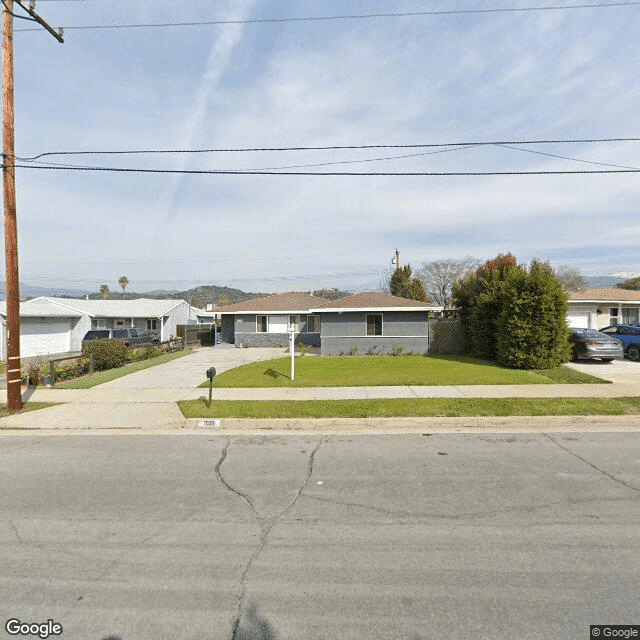
1039 E Juanita Ave, Glendora, CA 91740
To contact a resident: (626) 914-4893
For more information about senior living options: (866) 208-4318
Overall Review of D & M Guest Home
Pros
 The neighbor next door has a new young family moving in.
- The neighbor has asked the manager to clean up the property.
- The neighbor has written letters to the owners about the issue.
- There is hope that the cleanup will improve the street’s appearance.
Cons
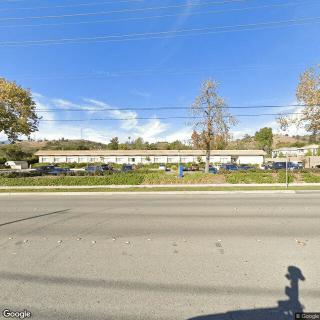
 The house is unkempt and an eyesore on the street.
- It has peeling paint, dead grass, and dead trees.
- The back of the house is awful, and the fence is falling down.
- There is rotted wood on the patio.
- A neighbor says it needs to be cleaned up.
- The residents asked the manager to clean it up, but there was no reply.
- Cars parked in front of the mailboxes block mail delivery.
- Unruly patients become out of control—yelling, screaming, and running into the street—suggesting that more experienced staff would help.
- The owners are described as not caring about the situation.
Review
D & M Guest Home in Glendora, CA is best suited for families that can tolerate a very functional, low-profile residential setting where exterior upkeep and proactive management are not guaranteed and where a caregiver presence may be limited. The two available reviews signal that this option works only for those who can overlook visible neglect and a quieter, less polished environment in exchange for a “home-like” approach rather than a polished, purpose-built facility. In practice, this means it may fit someone with extremely flexible expectations about appearance, responsiveness, and maintenance, and who can move forward with caution after careful due diligence.
For families weighing alternatives, this option should not be your first stop if cleanliness, timely communication, and predictable safety are nonnegotiables. Alternatives to consider include facilities with clearly maintained exteriors and well-documented processes for maintenance requests and owner responsiveness. If a setting that feels more institutional, more staffed, or more transparent about operations is important, the evidence here strongly argues for looking elsewhere. In short, this may be a last-resort choice for those with limited options and a high tolerance for gaps in service and upkeep.
A potential, albeit narrow, point in favor is the presence of staff capable of handling disruptive behavior to some degree. One review notes the ability to manage unruly patients on site, suggesting that a basic level of supervision exists. However, this strength is overwhelmed by other, more significant concerns: the property’s exterior and infrastructure are described as neglected, with peeling paint, dead grass and trees, a falling fence, and rotted wood on the patio. These are not minor cosmetic issues; they signal ongoing maintenance neglect that directly affects safety, curb appeal, and the overall living environment for residents and neighbors alike. The mismatch between any rudimentary staff presence and the overarching maintenance failures creates a disconcerting tension for families assessing daily life here.
The core drawbacks, unkept grounds, a back area described as awful, and a fence that is failing, are compounded by a lack of timely responsiveness from ownership. Neighbors report attempting to address cleanup but receiving no reply, which translates into a pattern: concerns go unheard, requests stall, and the exterior continues to deteriorate. The disruption to daily life extends beyond the property line, with mail service impeded and a sense that the facility operates with limited accountability. When there is doubt about what the inside looks like, questions multiply: how are residents sheltered, cared for, and supervised in a setting that does not show a baseline of attention to its own premises? The combined effect is a troubling picture for families prioritizing safety, consistency, and a tidy, manageable environment.
On balance, the limited perceived staffing capability does not offset the strongest cons here. The most glaring risks, unsafe or unappealing surroundings, opaque communication, and uncertain maintenance, outweigh the potential comfort of a small, home-like environment and any sporadic staff intervention. This means educated decision-making should lean toward alternatives unless a family has hard constraints that leave few viable options. A cautious approach is essential: demand a transparent tour, request to see recent maintenance logs, verify licensure and inspector notes, and speak directly with staff about day-to-day routines and escalation paths for repairs or safety concerns.
If pursuing this option anyway, enter with a concrete, written maintenance and communication plan. Insist on a clear schedule for exterior upkeep, a point person for care concerns, and a defined response timeline for requests. Schedule a comprehensive tour that includes meeting front-line caregivers, asking about resident-to-staff ratios, and observing how disturbances are managed in real time. Gather concrete references from current or former residents or families, and, crucially, compare with other Glendora-area options that routinely demonstrate better exterior conditions, more reliable communication, and stronger safety practices. In the final assessment, the best-fit candidate is the one that aligns with a family’s tolerance for exterior upkeep issues, a willingness to monitor responsiveness, and a readiness to switch to a more robust solution if maintenance and communication do not improve.
 Board and Care Home
 Ontario International (14 miles away)

 Understanding the Nuances of Palliative Care and Hospice: A Comprehensive Exploration
 Is In-Home Healthcare Tax Deductible? Your Comprehensive Guide
 Nurturing Well-Being Through Gardening: A Detailed Guide for Senior Enthusiasts