
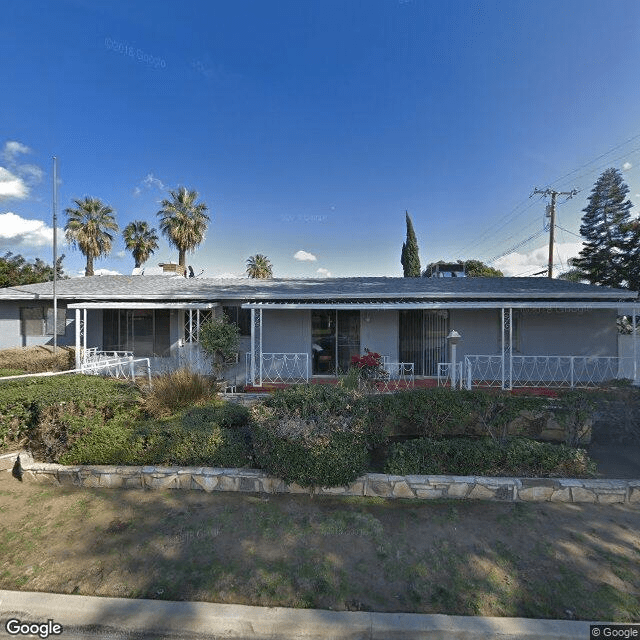
1036 S. Barranca Ave., Glendora, CA 91740
To contact a resident: (626) 914-3404
For more information about senior living options: (866) 208-4318
Nazonn Residential Care Home II Costs & Pricing
Nazonn Residential Care Home II offers competitive pricing for its residents, particularly when compared to both Los Angeles County and the broader California market. For semi-private accommodations, Nazonn's monthly fee of $2,500 is notably lower than the county average of $3,349 and the state average of $3,333. Similarly, for those seeking private rooms, Nazonn charges $3,000 per month, which remains significantly more affordable than the county's average of $4,197 and even the state's average of $3,939. This makes Nazonn an attractive option for individuals and families looking for quality residential care without incurring exorbitant costs.
| Floor plans | Nazonn Residential Care Home II | Los Angeles County | California |
|---|---|---|---|
| Semi-Private | $2,500 | $3,349 | $3,333 |
| Private | $3,000 | $4,197 | $3,939 |
Senior living communities with a similar price nearby
-
from +$125 / mo

Berryman Health Inc
$2,625 to $3,050 / month19.8 miles away -
from -$200 / mo
Bronwyn Residential Care
$2,300 to $3,500 / month21.3 miles away -
About the same
Madison Home Care 2
$2,500 to $2,800 / month24.0 miles away -
About the same
Oath- Inland
$2,500 to $3,500 / month16.7 miles away -
About the same
Holy Infant Care Guest Home
$2,500 to $3,000 / month13.8 miles away
Overall Review of Nazonn Residential Care Home II
Pros
 The owner is very nice.
- Faith is very sweet.
- The house is clean.
- The owners are nurses with LVN and RN experience.
Cons
 The facility has no Spanish-speaking caregivers.
- The house is old and outdated, though clean.
- The rooms are a bit small.
- The reviewer was not impressed by the community.
- The room available was not decorated and was not welcoming or warm.
- A male caregiver on duty was watching an NBA game with a resident who does not enjoy watching basketball.
Review
Nazonn Residential Care Home II in Glendora is best suited for families prioritizing medical oversight in a compact, home-like setting over upscale amenities. The owners are nurses, and the facility employs an LVN and an RN with years of experience, creating a dependable layer of clinical continuity for residents who need routine medication management, ongoing monitoring, and timely health responses. The home is clean and orderly, which supports predictable daily routines, but it is visibly older and not designed like a modern hotel. Rooms are modest in size, making this a pragmatic choice for those who value simplicity and a straightforward living arrangement rather than spacious, luxurious accommodations. The location, near a busy street and across a public park, with a drive required to reach the 210 Freeway, offers basic convenience but may compromise quiet for residents sensitive to traffic noise.
Those who should consider alternatives include families seeking a more inviting, modern ambiance and stronger language accessibility. Review notes indicate no caregivers speak Spanish, which can be a significant barrier for Spanish-speaking residents or families seeking consistent bilingual communication. The available room in tours was described as clean but not decorated, lacking warmth and a sense of home that many seniors rely on for comfort. Social programming and daily engagement appear limited, and a caregiver was observed casually watching an NBA game with a resident, suggesting opportunities for more attentive, individualized interaction. For residents who value a lively social life, culturally aligned staffing, and a warmly decorated environment, other options are likely a better fit.
On balance, the strongest pro is the clinical leadership and stability. With owners who are nurses and a licensed practical nurse plus a registered nurse on site, medical needs can be managed with a level of competence that larger facilities sometimes struggle to guarantee in a small home setting. Cleanliness and predictable routines further support safety and reliability, which can offset the drawbacks for residents with chronic conditions or requiring steady oversight. Yet the cons carry meaningful weight: the house’s age, the small, spare rooms, and the absence of a welcoming, home-like decor can erode emotional comfort over time. The street-side location compounds this risk for residents who crave quiet, and limited staff engagement opportunities can magnify concerns about social vitality.
From a decision-making standpoint, several practical checks will inform the best path forward. Prospective families should tour with a focus on room size, potential for personalization, and whether larger rooms are ever available. Clarify language access and whether staff can accommodate Spanish-speaking residents or families, and demand a clear care plan that outlines RN/LPN coverage, medication management, and emergency procedures. Request concrete examples of daily activities and any planned social opportunities, and arrange a conversation with the nurse to assess responsiveness to health needs. Finally, assess the surrounding noise level and parking logistics, and consider whether the environment aligns with the resident’s tolerance for street sounds versus convenient access to services.
Alternatives deserve serious consideration for anyone who places a premium on ambiance, language access, and robust social programming. Other Nazonn homes or independent facilities with more modern interiors, larger rooms, and more structured activity calendars may align better with those expectations. For residents who rely on Spanish-speaking caregivers or culturally sensitive communication, a more linguistically aligned option becomes essential. Those seeking a brighter, more homelike atmosphere, where décor, common areas, and social routines foster connection, will likely find stronger fit elsewhere. In short, Nazonn II delivers reliable health-focused care in a compact setting, but it isn’t the optimal choice for every senior’s values or expectations.
Bottom line: Nazonn Residential Care Home II offers solid medical oversight in a clean, small-scale environment, making it a sensible choice for families whose priority is nursing-guided care over luxury amenities. The main trade-off is an older building with limited space and a quieter, less engaging social atmosphere, which some residents will tolerate while others will not. The decisive factor is aligned priorities: if dependable health management, predictable routines, and a nurse-led framework are paramount, this community deserves careful consideration. If ambiance, language accessibility, and robust daily life programming are non-negotiable, it is prudent to explore alternatives that better meet those preferences.
 Board and Care Home
 Cats allowed
 Dogs allowed
 Private
 Ontario International (17 miles away)


 Exploring Palliative Care in the Home: A Comprehensive Overview
 Comprehensive Insights into Palliative Home Care: What It Is and What to Expect
 Skilled Nursing Facilities vs. Nursing Homes: Making Sense of the Differences