
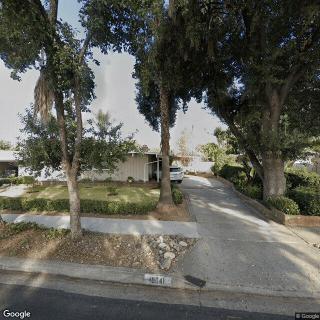
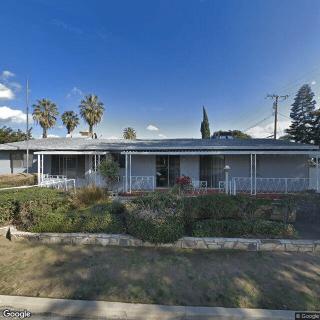
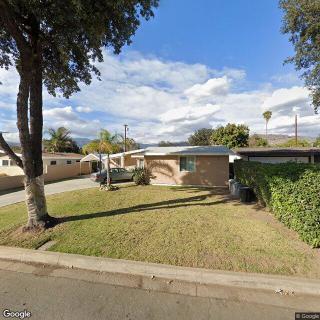
1036 South Barranca Avenue, Glendora, CA 91740
For more information about senior living options: (866) 208-4318
Overall Review of D & L Residential Care Home 2
Pros
 The staff were friendly and made the visitor feel completely at home.
- The facility feels like a home environment rather than a typical nursing home.
- The care provided by the nurses was lovely and attentive, with excellent communication to the family.
- The resident felt as if he were in his own home and would consider returning if needed for health and safety.
- The staff are alert and involved with each resident, giving the family peace of mind.
- On Mother's Day, there was a nice lunch on the patio, reflecting the warm, home-like atmosphere.
Review
D & L Residential Care Home 2 in Glendora, CA is best suited for families seeking a small, home-like setting where elderly residents receive highly personalized, attentive care and where family involvement feels integral to daily life. The community’s charm lies in its intimate atmosphere, an environment that genuinely resembles a family home rather than a conventional facility. Visitors note a warm, welcoming vibe, with staff who make residents and visiting relatives feel at ease, and occasions like a Mother’s Day luncheon on the patio underscoring the creature-comfort approach that pervades daily routines.
Those considering alternatives should be aware that this setting may not be ideal for residents who require intensive, on-site medical oversight or a wide array of skilled services on a large campus. The reviews describe a place built on personal attention and near-constant family communication, but they do not suggest the presence of heavy clinical staffing or expansive rehab programs on site. For seniors needing complex wound care, frequent infusion therapy, or high-volume therapy schedules, a larger facility with more robust medical and rehabilitative resources could be more appropriate.
The strongest pro here is the level of staff engagement and the resulting serenity it brings to both residents and their families. Staff are repeatedly described as friendly and genuinely involved in daily care, with communication recognized as excellent. Families feel kept informed about conditions and progress, which translates into measurable peace of mind during challenging times, from routine days to recovery periods after health events. The home environment appears to foster dignity and comfort, reducing the stress often associated with traditional nursing settings.
Another compelling advantage is the emphasis on making life engaging for residents, including those dealing with Alzheimer’s disease. The care team is portrayed as alert to evolving needs and adept at keeping residents socially and cognitively engaged, a crucial factor for mood, mood stability, and overall wellbeing. The testimonials highlight how life is made “a little more interesting,” a crucial offset to the potential monotony of long-term care. This proactive, communicative stance helps families feel that their loved ones are not simply passing time but living meaningfully.
In practice, the key pros offset the absence of a larger, more clinical footprint in several meaningful ways. The intimate setting amplifies individualized attention, enabling quick adjustments to routines as needs shift. Frequent updates to families, coupled with visible warmth from the caregiving team, reduce anxiety and foster trust. For residents with memory challenges, the combination of a homelike environment, consistent caregivers, and purposeful interaction provides stability that larger centers may struggle to match. These factors collectively create a compelling value proposition for families prioritizing dignity, companionship, and transparent communication over sheer service volume.
Prospective reviewers should still conduct careful planning before deciding. If on-site medical complexity is anticipated, such as multiple daily therapies, complex wound care, or frequent physician visits, confirm the availability and reliability of professional resources, visitor policies, and after-hours support. Inquiries about daily activity schedules, the range of meaningful engagements for various levels of cognition, and how crises are managed will clarify whether the home environment can sustain long-term needs. Visitors should also verify the ease of arranging off-site medical appointments and whether partnerships with outside providers are required to meet evolving care plans.
Overall, D & L Residential Care Home 2 stands out as a top choice for families seeking a warm, home-like setting where residents are treated as individuals and family voice is actively welcomed. The glowing testimonials point to a community that delivers not just basic care, but reassurance, through attentive staffing, proactive communication, and purposeful daily life. For seniors who thrive on personal connection and understated elegance in daily living, this Glendora residence offers a compelling blend of comfort and competence. Those pursuing more extensive clinical infrastructure or expansive rehab programming may want to evaluate larger or more specialized options, but for warmth, trust, and genuine companionship, this community is hard to beat.
 6 resident community capacity
 Assisted Living
 Board and Care Home
 Cable or satellite TV
 Dining room
 Fully furnished
 Garden
 Housekeeping services
 Move-in coordination
 Outdoor space
 Telephone
 Wi-Fi/high-speed internet available
 Ontario International (17 miles away)
 24-hour supervision
 Activities of daily living assistance
 Assistance with bathing
 Assistance with dressing
 Assistance with transfers
 Diabetes diet
 Meal preparation and service
 Medication management
 Special dietary restrictions
 Transportation arrangement (medical)
 Transportation to doctors appointments



 Comprehensive Insights into Activities of Daily Living (ADLs) and Their Assessment
 Medicare Coverage for Assisted Living: An In-Depth Exploration
 Choosing the Right Senior Care: A Detailed Exploration of Assisted Living and Nursing Homes