
1342 South Barranca, Glendora, CA 91740
For more information about senior living options: (866) 208-4318
Overall Review of Carindale Residential Care
Pros
 The staff are friendly and make residents feel at home.
- The nurses provide lovely care in a true home-like environment.
- Residents are well cared for, with staff going out of their way and keeping families informed, so they feel at home.
- The staff are alert and involved with each resident, and family communication is excellent.
- The care provides peace of mind to families and enriches the lives of residents, including those with Alzheimer's.
Review
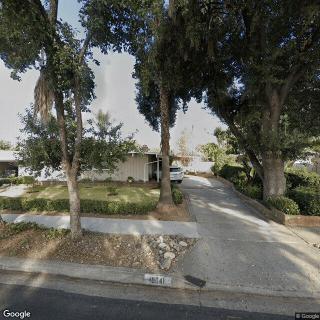
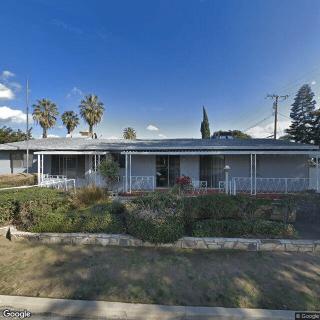
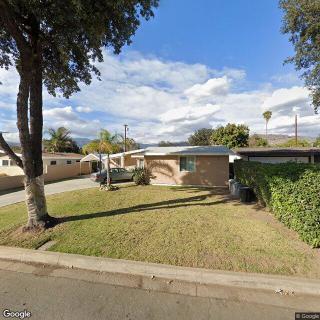
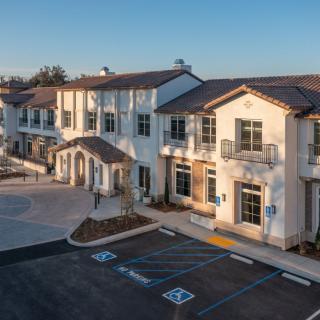
Carindale Residential Care in Glendora is best suited for families seeking a warm, home-like atmosphere where care feels personal and daily living remains central. It works well for seniors who need assistance with activities of daily living, memory support, or post-acute recovery, but who still prefer a setting that resembles a private home more than a clinical campus. Reviewers repeatedly describe staff as welcoming and attentive, with residents appearing comfortable and well-integrated into everyday life. For families prioritizing genuine human connection, predictable routines, and transparent, ongoing communication, Carindale offers a compelling match. The facility’s five-star impression reinforces a consistently strong experience in these areas.
That said, the best fit is not universal. Those who require high-acuity medical oversight, complex wound care, or around-the-clock skilled nursing at a hospital level will likely want alternatives that offer larger medical teams and more on-site rehab resources. Families seeking a broader range of campus amenities, more independent-living options within a single community, or a setting with dedicated neurological or orthopedic rehabilitation services may prefer another option. Likewise, if a resident’s priority is a structured clinical environment with rigorous rehab timelines, Carindale’s home-like model may feel too intimate or informal. In such cases, broader skilled-nursing facilities could be more appropriate.
Pros center on atmosphere and relationships. The home-like vibe is not cosmetic; it translates into staff who go beyond routine tasks to make residents feel seen. Families report excellent communication, with updates on health and progress that reduce anxiety and build trust. The care approach explicitly supports memory-impaired residents through activities and engagement designed to stimulate and comfort, helping Alzheimer’s-related challenges feel manageable day by day. Stroke recovery stories underscore a practical strength: residents recover with attentive nursing, steady routines, and continuous reassurance, which preserves dignity and fosters a sense of control. Those combinations create security for families and a sense that a loved one is cared for in a respectful, non-institutional setting.
These strengths offset potential drawbacks by delivering high-touch care in a warm frame. The fear of clinical impersonality vanishes when staff are described as alert, involved, and communicative with families. The informal, home-like environment often translates into easier adaptation for residents who value familiarity, personal space, and daily rituals. In memory care and post-stroke scenarios, the ability to keep families informed without seeming intrusive becomes a key advantage, peace of mind that spreads beyond the resident. The strongest alignment is with those who want continuity of care, visible compassion, and a family-centered approach rather than a purely medical model.
Decision-makers should weigh practical factors alongside these qualitative strengths. The Glendora location and the consistent five-star feedback matter for ongoing oversight and ease of visitation. Prospective residents should request a tour focused on daily routines, staff interactions, and how care plans adapt as needs evolve, particularly for memory issues or rehab milestones. It’s prudent to inquire about how family communications are handled, what events or programs are available to keep life engaging, and how transitions (like post-hospital or post-stroke steps) are coordinated. When those elements align with expectations, Carindale stands out as a well-rounded, compassionate option.
Ultimately, Carindale Residential Care is a strong fit for families seeking a truly homelike assisted living experience with proactive, personable care. It is an especially solid match for seniors needing memory support and post-acute recovery who value hands-on attention and clear family communication. For residents requiring more intensive medical supervision, a larger facility with a broader clinical footprint should be considered. Tours and conversations will reveal whether the intimate setting can scale with evolving needs while preserving the core strengths of warmth, transparency, and peace of mind that define this community.
 6 resident community capacity
 Assisted Living
 Cable or satellite TV
 Dining room
 Fully furnished
 Garden
 Housekeeping services
 Move-in coordination
 Outdoor space
 Telephone
 Wi-Fi/high-speed internet available
 Ontario International (17 miles away)
 24-hour supervision
 Activities of daily living assistance
 Assistance with bathing
 Assistance with dressing
 Assistance with transfers
 Diabetes diet
 Meal preparation and service
 Medication management
 Special dietary restrictions
 Transportation arrangement (medical)
 Transportation to doctors appointments


 Social Security Benefits and Assisted Living: Navigating Options Across the U.S.
 An Extensive Exploration of the VA Aid and Attendance Benefit
 Senior Transition Services: Understanding Their Role, Cost, and Importance