
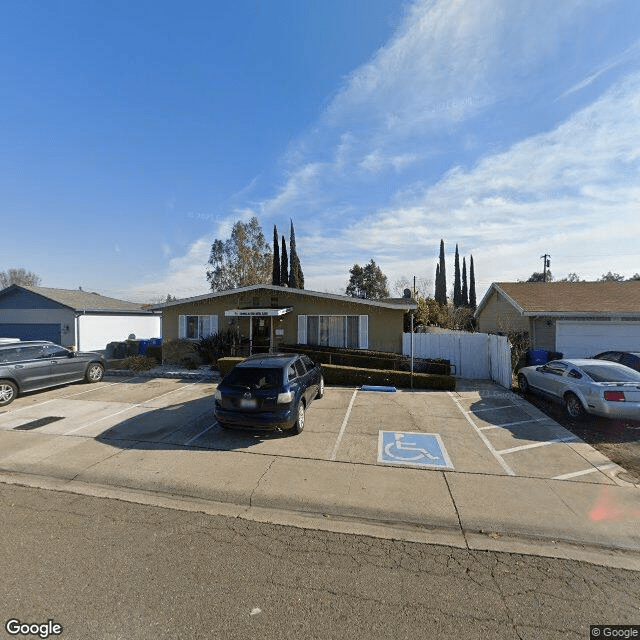
407 Maple Street, Galt, CA 95632
For more information about senior living options: (866) 208-4318
Stainless Residential Care Facility Costs & Pricing
Stainless Residential Care Facility offers competitive pricing for its services in comparison to both San Joaquin County and the broader California market. For a semi-private room, residents pay $2,000 per month, which is significantly lower than the county average of $3,074 and the state average of $3,333. Private rooms at Stainless are available for $3,500, aligning closely with the county rate of $3,364 but notably undercutting the state average of $3,939. Additionally, their one-bedroom accommodations at $4,000 remain slightly more affordable than the California average of $4,340 while surpassing the county's rate of $3,551. This positioning highlights Stainless Residential Care Facility as an attractive option for those seeking quality care at more accessible prices within a competitive landscape.
| Floor plans | Stainless Residential Care Facility | San Joaquin County | California |
|---|---|---|---|
| Semi-Private | $2,000 | $3,074 | $3,333 |
| Private | $3,500 | $3,364 | $3,939 |
| 1 Bedroom | $4,000 | $3,551 | $4,340 |
Memory care communities with a similar price nearby
-
About the same
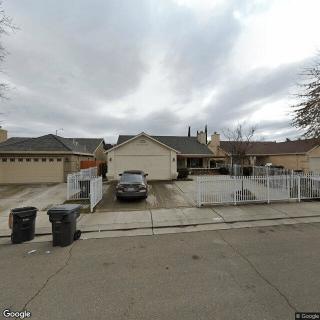
Homestead Care for the Elderly
$2,000 to $3,000 / month22.5 miles away -
About the same
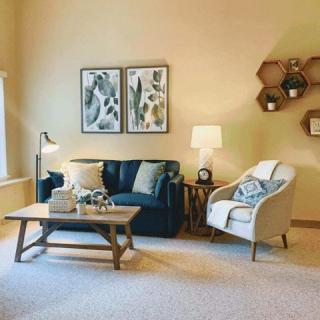
Carlton Senior Living Sacramento Enhanced Assisted Living
$1,995 to $3,695 / month23.7 miles away -
from +$300 / mo
Restpadd Care
$2,300 to $2,800 / month11.4 miles away -
from -$200 / mo
Ivy Ridge Retirement Home
$1,800 to $2,500 / month23.7 miles away -
About the same
Care Providers at Arden
$2,000 to $3,000 / month23.9 miles away
Overall Review of Stainless Residential Care Facility
Pros
 The staff at Stainless paired the mother with two wonderful ladies who sit with her, and she feels very much a part of the family.
- The two ladies giggle, laugh, and talk with the mother, creating a warm, inclusive bond.
- The mother spends time in the social areas with others, rather than staying in her room, and she seems at ease.
- The staff attentively tend to the mother's needs, contributing to a family-like atmosphere.
- The home-like surroundings and welcoming environment make life easier for the mother.
Review
Stainless Residential Care Facility in Galt, California is best suited for families seeking dementia care within a small, home-like environment where residents are treated as members of a warm, neighborly community. The setting leans into personal connections, with staff actively encouraging residents to move into social areas and engage with one another. The goal appears to be everyday companionship rather than clinical rigidity, making it a strong fit for a loved one who thrives on social interaction, reassurance from familiar faces, and a sense of belonging. In this context, a resident like mom benefits from attentive, personal care within a homelike footprint, with daily life anchored by peer-driven activities rather than a sterile, institutional cadence.
Caregivers and family members who want more than surface-level care should note that Stainless seems oriented toward relational support rather than high-acuity medical oversight. For loved ones requiring extensive medical monitoring, highly structured dementia programming, or formal, industrial-strength memory-care protocols, alternatives with larger staff pools and more defined clinical offerings may be preferable. Those prioritizing tightly scripted routines or a more clinical atmosphere may find other communities that better align with those needs. It is also important to confirm room configurations and availability, since private rooms are mentioned and can influence both safety and personal autonomy.
The strongest positives center on a family-like atmosphere: staff taking steps to pair residents with companions, encouraging social engagement, and creating a sense of belonging that can ease anxiety and agitation for someone with Alzheimer's. A private room exists, but daytime life unfolds in shared social spaces, which helps residents feel connected and included. This approach enhances emotional well-being and day-to-day satisfaction, which for many families offsets the absence of aggressive medical programming. Still, the evidence rests on a small number of reviews, including duplicates, so while the warmth is repeatedly highlighted, broader experience and variability remain less certain.
When evaluating Stainless, prospective families should observe how staff interact with residents during visits, especially those with memory impairment. Inquire about staff training in dementia care, response times, and how care plans are developed and updated with family input. Ask about activity schedules, daily routines, meals, and what happens when a resident needs more care than the baseline team can provide. Verify private-room availability and safety features, and discuss how medications are managed and who coordinates with external providers. A clear sense of the daily flow can reveal whether the home-like vibe translates into reliable, consistent care.
Overall ratings hover around 4.3 with a small review set, signaling generally positive experiences but limited data. Prospective residents should weigh that the stories emphasize companionship and comfort more than clinical depth. The limited sample means outcomes may vary, so supplement the picture with a personal tour and frank conversations about medical capabilities, emergency protocols, and how quickly the team can escalate care if needs rise. If dementia care demands evolve, it’s prudent to compare Stainless with facilities that offer stronger medical risk management and more defined memory-care curricula.
Bottom line: Stainless Residential Care Facility delivers a warm, intimate option for families prioritizing daily companionship, a home-like atmosphere, and individualized attention in dementia care. It is a solid choice for moderate care needs where emotional well-being and social connection take center stage. It may not be the best fit for those requiring robust clinical oversight, highly structured memory-care programming, or scalable care as Alzheimer’s progresses. For families weighing options, pair a site visit with a checklist focused on staff responsiveness, daily routines, safety features, and the facility’s ability to adapt care plans. In the right match, Stainless can offer genuine peace of mind and a supportive home for a loved one navigating dementia.
 18 resident community capacity
 Assisted Living
 Board and Care Home
 Memory Care
 Activities off-site
 Bath tubs
 Cable or satellite TV
 Devotional services off-site
 Dining room
 Fully furnished
 Garden
 Housekeeping services
 Indoor common areas
 Move-in coordination
 Outdoor common areas
 Private
 Private bathrooms
 Telephone
 Wheelchair accessible showers
 Wi-Fi/high-speed internet available
 24-hour supervision
 Ambulatory care
 Assistance with bathing
 Assistance with dressing
 Assistance with transfers
 Diabetes diet
 High acuity care
 Incontinence care
 Meal preparation and service
 Medication management
 Special dietary restrictions
 Transportation arrangement (medical)
 Transportation to doctors appointments


 Dementia Behaviors: In-Depth Understanding and Effective Coping Strategies
 5 Early Indicators of Dementia and What You Can Do
 8 Important Indicators That Memory Care May Be Necessary