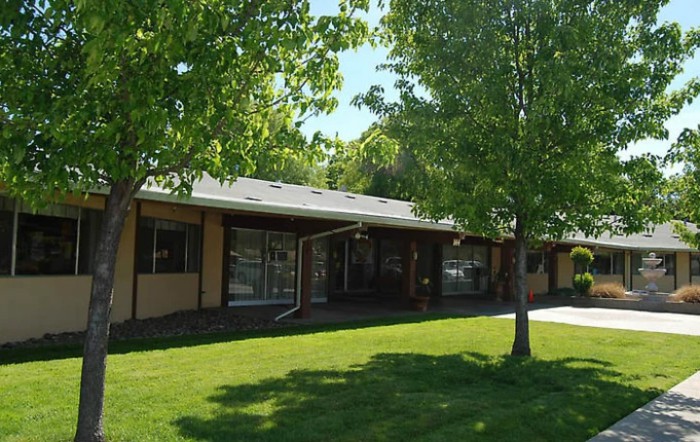
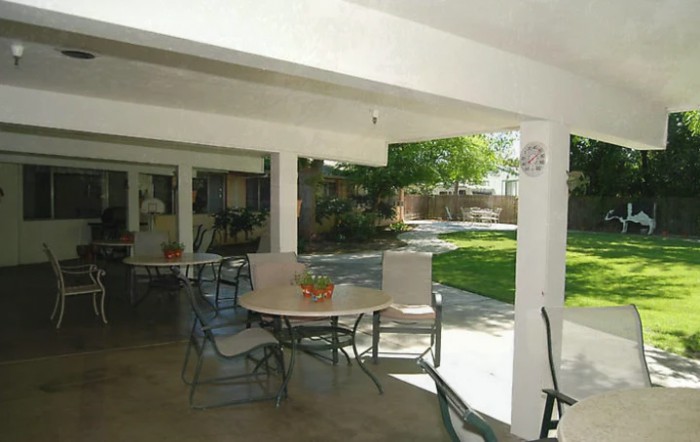
144 F Street, Galt, CA 95632
For more information about senior living options: (866) 208-4318
Dycora Transitional Health - Galt Costs & Pricing
Dycora Transitional Health - Galt offers competitive pricing for its services compared to both San Joaquin County and the broader California market. For a semi-private room, residents can expect to pay $2,200 per month, significantly lower than the county average of $3,074 and the state average of $3,333. The cost for a private room at Dycora is $2,640, which again stands out against the county's average of $3,364 and California's average of $3,939. Additionally, those seeking a studio will find Dycora's rate of $2,860 favorable when compared to local and state prices of $3,366 and $4,145 respectively. Overall, Dycora Transitional Health - Galt presents a financially attractive option for individuals seeking transitional health care in an area where costs can be notably higher.
| Floor plans | Dycora Transitional Health - Galt | San Joaquin County | California |
|---|---|---|---|
| Semi-Private | $2,200 | $3,074 | $3,333 |
| Private | $2,640 | $3,364 | $3,939 |
| Studio | $2,860 | $3,366 | $4,145 |
Skilled Nursing Facilities with a similar price nearby
-
from -$205 / mo
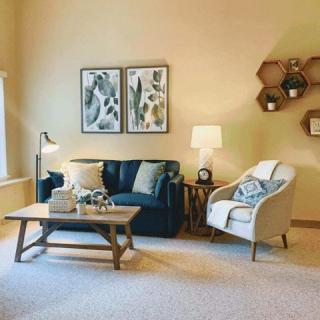
Carlton Senior Living Sacramento Enhanced Assisted Living
$1,995 to $3,695 / month23.8 miles away
Overall Review of Dycora Transitional Health - Galt
Pros
 The staff were phenomenal and very caring toward the residents.
- The social services team provided tremendous information and support.
- The nurses and aides were deeply concerned about the residents’ well-being.
- They ensured safety by using alarms and helping residents stay active and mobile.
- The facility offered a great library and enabled meals to be shared in the dining room, enhancing social interaction.
- The care given was excellent, with caregivers being gentle, kind, and appropriately firm when needed.
Cons
 They report there was no TV in her room and she never received any physical therapy.
- They say a physical therapy evaluation was claimed during a family meeting, but it could not be found in the computer, and the PT director’s number was disconnected.
- They state the charge nurse insisted there was a TV, but there was none, and no one got her out of bed.
- They note administration attributed the TV issue to the charge nurse being new, which concerns them about staff knowledge of patients’ rooms.
- They mention on day eight she returned to the hospital with an infection and remains there for rehab.
- They say they were told the facility wouldn’t accept her back because of their complaint, which they view as ridiculous and as evidence they won’t try to improve.
- They warn others not to place a loved one in this facility (DON’T DO IT!!!) and describe the place as sleazy and financially troubled.
- They point out the company stiffed a performer for $70, highlighting financial instability.
Review
Dycora Transitional Health - Galt is best suited for families that want hands-on, compassionate post-acute care where safety, daily movement, and social engagement are prioritized. The community appears to deliver attentive nursing and supportive social work services, with a culture that emphasizes getting residents out of bed, aiding mobility, and keeping a watchful eye on safety through alarms and structured routines. Those seeking a warm, engaged environment with a clear emphasis on personal attention will likely find value here. However, for families where a precise, timely rehabilitation plan and rock-solid administrative reliability are non-negotiable, alternative options deserve serious consideration.
On the plus side, multiple accounts highlight staff who are genuinely caring and involved. The social services team is described as especially resourceful, offering helpful guidance and practical information to families navigating discharge decisions. Nursing and aide teams are praised for their attentiveness, with residents being kept safe and correctly supervised. The facility’s emphasis on getting residents moving and engaged, whether through routine mobility support or reintroduced dining interactions, stands out as a genuine strength. Such strengths matter when continuity of care and daily reassurance are paramount in the post-acute phase.
Yet the most consequential drawbacks underline why this community should not be viewed as a guaranteed fit. A persistent, stepwise issue across reviews is the gap between care promises and documented actions: no TV in one room, reports of a missing or unrecorded physical therapy evaluation, and inconsistent communications about therapy plans. Family members describe miscommunications that culminate in confusion over who is handling physical therapy and how the care plan is tracked. These gaps matter profoundly for families counting on timely rehab progress and clear, accessible documentation of a resident’s treatment.
The concerns about consistency extend into administrative and operational realms. One reviewer points to turnover or weakness in coordination among staff, including a new charge nurse who may not be fully up to speed on a patient’s room or needs. Another deeply troubling note, that a vendor relationship was not honored and a payment dispute arose, suggests underlying financial strain or morale issues that can color daily operations and reliability. While anecdotal, these reports raise legitimate questions about how robust the facility’s systems are for managing routine contingencies, billing clarity, and timely responses to family concerns.
All told, the pros in this setting, compassionate care, strong social support, and a safety-focused environment, do offset some risk in non-clinical areas but not the critical gap in rehab execution. For families prioritizing a high-quality rehabilitation process and transparent, proactive communication from day one, these red flags are not easily dismissed. The facility’s ability to provide a supportive, respectful environment remains a meaningful asset, yet it cannot fully compensate for gaps in PT evaluation, care-plan visibility, and consistent administrative reliability.
Families considering alternatives should prioritize facilities with a proven, punctual PT program, rigorous care planning, and observable administrative stability. Look for campuses that publish clear timelines for PT evaluations, demonstrate real-time access to the care plan, and maintain consistent leadership that can be held accountable. Cleanliness, room quality, and amenity richness are important, but the ability to deliver dependable rehab services and steady communication should drive the final decision. Verifying the exact campus, confirming PT availability, and requesting a tour with the director of nursing or rehabilitation services will help separate solid post-acute options from those with ongoing, unreconciled concerns. If the goal is a care environment with unwavering rehab momentum and transparent operations, this facility warrants caution and a thorough, firsthand assessment before committing.
 99 resident community capacity
 Skilled Nursing Facility
 Air-conditioning
 Beauty salon
 Cable or satellite TV
 Computer center
 Dining room
 Fitness room
 Fully furnished
 Gaming room
 Garden
 Housekeeping services
 Kitchenette
 Move-in coordination
 Outdoor space
 Private bathrooms
 Restaurant-style dining
 Small library
 Telephone
 Wellness center
 Wi-Fi/high-speed internet available
 Community operated transportation
 12-16 hour nursing
 24-hour call system
 Activities of daily living assistance
 Assistance with bathing
 Assistance with dressing
 Assistance with transfers
 Diabetes diet
 Medication management
 Mental wellness program
 Special dietary restrictions
 Concierge services
 Planned day trips



 A Closer Look at Private Pay Home Care
 Comprehensive Approaches for Arthritis: A Detailed Guide to Symptoms, Causes, and Care
 Comprehensive Insights and Practical Strategies to Help Older Adults Avoid Falls