
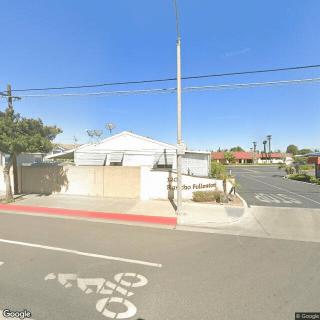
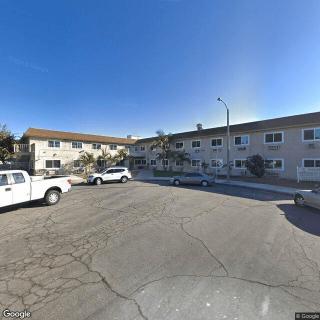
2622 West Olive Avenue, Fullerton, CA 92833
For more information about senior living options: (866) 208-4318
Overall Review of Loving Care Facility For The Elderly
Pros
 The staff are consistently attentive and patient, treating residents with genuine care.
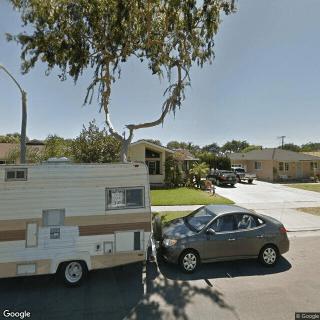
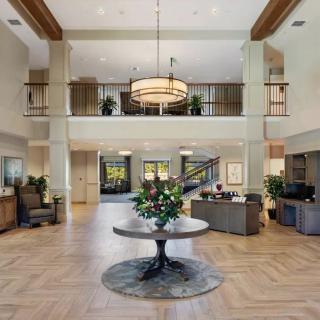
- The facility is warm, welcoming, and beautifully maintained.
- The rooms are spacious and feel like home, and the common areas are cozy and inviting.
- Residents appear content and well looked after, with a strong sense of community.
- The staff go above and beyond to ensure safety, comfort, and dignity for residents.
- Real-time video updates provide families with comfort and peace of mind.
- The administrator is a Registered Nurse, contributing to high-quality care.
- The care team is kind, attentive, and compassionate, building meaningful connections with residents.
- The facility embodies compassion, respect, and a deep commitment to residents’ well-being.
- The meals are fresh and appetizing, and the dining environment is pleasant.
- The environment feels like a home rather than a facility.
- The home is clean, safe, and well organized.
Review
Loving Care Facility For The Elderly in Fullerton is best suited for families seeking a warm, home-like assisted living environment where residents receive consistently compassionate, hands-on attention from a nurse-led team. The community shines for seniors who value dignity, connection, and daily reassurance that they are safe, valued, and well cared for. It is especially well-matched for those transitioning from independent living or a prior care setting into a quieter, more intimate atmosphere where staff build real relationships, communicate clearly with families, and maintain a calm, welcoming daily rhythm.
Those who should consider alternatives are families prioritizing hospital-grade medical intensity or memory-care programming with a large clinical footprint. While Loving Care demonstrates strong medical oversight through an on-site RN owner and attentive nurses, it operates as a smaller, more personalized setting. Residents needing highly specialized dementia care, intensive 24/7 monitoring, or a broader spectrum of specialized therapies may find options with bigger teams and more formal medical infrastructures a better fit. For such needs, exploring facilities with dedicated memory-care wings or larger clinical staffs could be prudent.
The facility’s core strengths, genuine warmth, clean and homelike interiors, and a staff culture that treats residents like family, readily offset the absence of a hospital-like framework. Evidence from multiple accounts points to a team that is consistently patient, respectful, and deeply engaged, with caregivers who remember names, share smiles, and actively foster social connection. The owner’s clinical background as an RN provides a reassuring layer of medical judgment, while caregivers such as Sally bring sustained personal attention to residents’ emotional and daily needs. Real-time family updates, including video check-ins, offer concrete peace of mind when loved ones cannot be present, turning communication into a meaningful ongoing service rather than a one-off event.
Residents and families repeatedly describe visible improvements in well-being and mobility, underscoring how the care team blends encouragement with practical support. Stories of residents regaining strength, walking with assistance, and maintaining lucid engagement illustrate a program that emphasizes functional stability and dignity. The attention to routine, safe dining, consistent activities, and peaceful outdoor spaces, contributes to a sense of normalcy that reduces anxiety for both residents and their families. The environment itself, bright, clean, and thoughtfully laid out, reinforces the message that this is a place where life continues with purpose, rather than a clinical stopover.
Considerations for someone evaluating care placement should weigh the strong pros against the modest tradeoffs inherent in a smaller operation. The most salient caveat is that the setting may not resemble a large medical campus; for those requiring intense, around-the-clock clinical interventions, a facility with broader inpatient capabilities could be a better match. Nonetheless, the proven ability to deliver attentive, individualized care, coupled with transparent family communication and a genuinely welcoming culture, makes Loving Care a compelling option for those who prize homelike comfort paired with dependable oversight.
The bottom-line recommendation is strategic: prioritize Loving Care if the goal is steady, compassionate daily living where residents are treated as individuals, not numbers, and where families receive timely, personal updates. Prospective clients should verify current staffing levels, confirm the availability of the specific medical supports needed, and meet the owner-operator team in person, particularly Vijay and Sally, whose hands-on leadership shapes the resident experience. For families that require more intensive medical programming or dementia-focused services, prepare to compare against larger campuses with specialized units. If the priorities align with warmth, dignity, clean surroundings, and active family involvement, Loving Care Facility For The Elderly delivers a practical, reassuring choice that often proves well worth the investment.
 6 resident community capacity
 Assisted Living
 Cable or satellite TV
 Dining room
 Fully furnished
 Garden
 Housekeeping services
 Move-in coordination
 Outdoor space
 Telephone
 Wi-Fi/high-speed internet available
 Long Beach (Daugherty) (11 miles away)
 24-hour supervision
 Activities of daily living assistance
 Assistance with bathing
 Assistance with dressing
 Assistance with transfers
 Diabetes diet
 Meal preparation and service
 Medication management
 Special dietary restrictions
 Transportation arrangement (medical)
 Transportation to doctors appointments
 Senior Transition Services: Understanding Their Role, Cost, and Importance
 Exploring the Path to Senior Living: A Comprehensive Look at Independent Living and Assisted Living
 Is Assisted Living Deductible on Your Taxes? Understanding the Complexities of Assisted Living Expenses and Deductions