
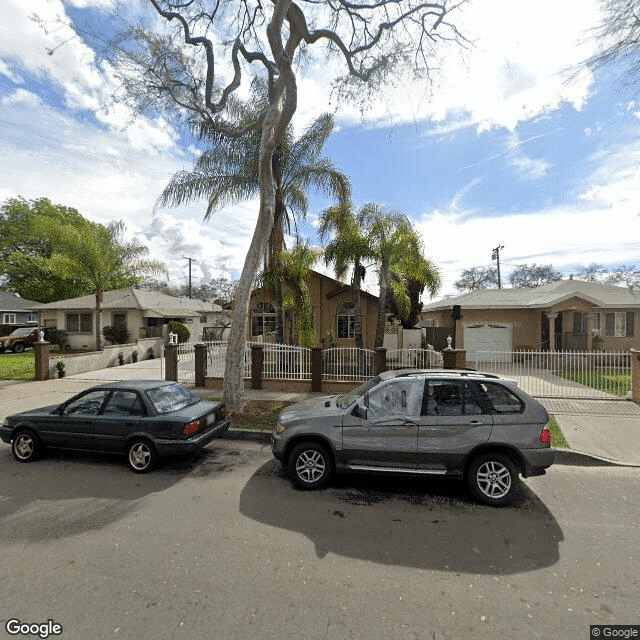
3608 West Ash Avenue, Fullerton, CA 92833
For more information about senior living options: (866) 208-4318
D'Best Care Costs & Pricing
D'Best Care offers competitive monthly rates for its accommodations, providing both semi-private and private room options that are more affordable than the average costs in Orange County and throughout California. At $2,800 per month for a semi-private room, D'Best Care significantly undercuts the county average of $3,431 and the state average of $3,333. For those seeking more privacy, D'Best Care's private room rate of $3,600 also presents a cost-effective alternative compared to the county's average of $4,104 and California's overall average of $3,939. This pricing structure underscores D'Best Care's commitment to delivering quality care without compromising affordability, making it an appealing choice for families considering long-term care options.
| Floor plans | D'Best Care | Orange County | California |
|---|---|---|---|
| Semi-Private | $2,800 | $3,431 | $3,333 |
| Private | $3,600 | $4,104 | $3,939 |
Memory care communities with a similar price nearby
-
About the same
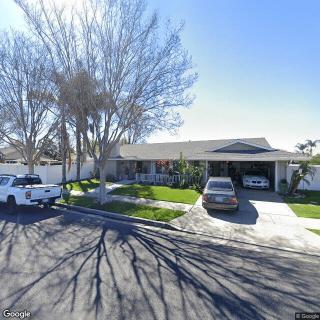
Candlewood Care Home III
$2,800 to $3,400 / month13.0 miles away -
from -$400 / mo
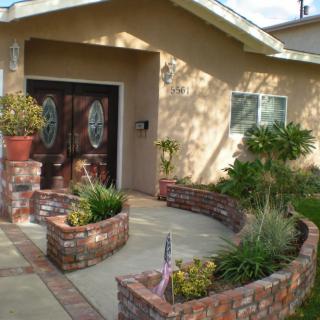
Living Well Care Home
$2,400 to $3,200 / month9.6 miles away -
About the same
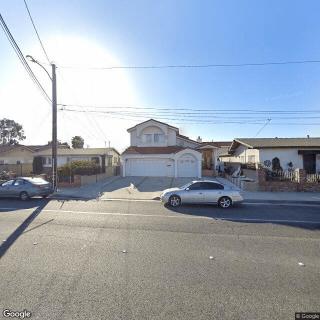
Leah Loving Elderly Care
$2,800 to $3,000 / month10.7 miles away -
from -$100 / mo
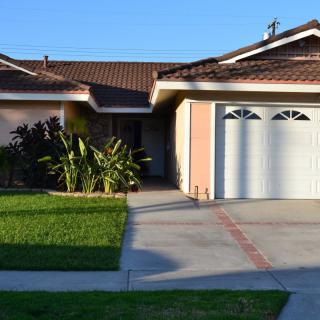
Loving Care Senior Home
$2,700 to $3,500 / month11.7 miles away -
from -$500 / mo
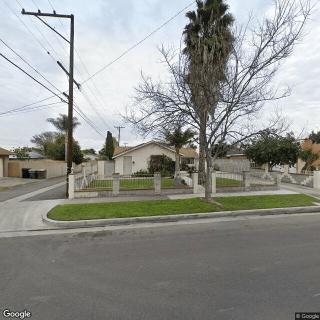
Bronwyn Residential Care
$2,300 to $3,500 / month2.9 miles away
Overall Review of D'Best Care
Pros
 Dinah was very pleasant.
Cons
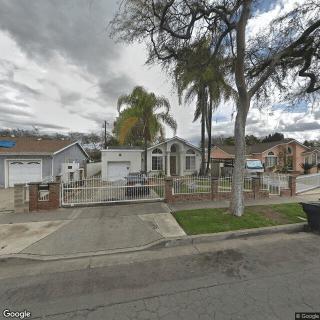
 The house is in an older neighborhood.
- The house itself is older.
- The room that would be shared is quite small.
- The closet is extremely small, especially if they are expected to share the space.
- There is only one dresser to be shared by both.
Review
D’Best Care in Fullerton is best suited for a resident who wants a home-like, intimate atmosphere and relies on genuinely warm, attentive on-site help rather than on modern amenities or expansive private space. It works best for someone comfortable with a modest, shared living arrangement and limited storage, where personal attention from staff can compensate for a smaller footprint. This setting suits singles or couples who don’t require expansive privacy or a high level of in-room privacy, and who place a premium on a straightforward, low-key daily routine anchored by friendly, approachable caregivers.
Those who should actively consider alternatives are individuals who prize larger, private accommodations or expect ample closet space and private storage. Families or residents seeking more contemporary decor, expanded common areas, or a wider array of on-site amenities, including more generous room sizes or dedicated private rooms, will likely find other Fullerton options that better match those preferences. Similarly, seniors with significant mobility needs, complex medical regimens, or a preference for a more institutionalized environment may discover that other communities offer a better fit for ongoing care requirements and programming.
The most tangible positive in this community is the staff dynamic, notably a staff member described as very pleasant, which signals a welcoming, human-centered approach to daily life. The house’s location in an older neighborhood and the age of the building itself contribute to a certain comforting familiarity, an impression of being cared for in a real, lived-in home rather than a clinical setting. For residents who value personal connections with caregivers and a quieter, neighborhood-feeling backdrop, these factors can greatly reduce the stress of transition and daily adjustment.
However, the flip side centers on space and privacy constraints. The room intended for shared occupancy is described as quite small, with an extremely limited closet and only a single dresser shared between roommates. Such cramped accommodations translate into practical hurdles: limited storage for clothing and personal belongings, increased contention over shared space, and a reduced sense of personal autonomy. These factors can undermine comfort for anyone who travels with more belongings, values defined personal zones, or desires a calmer, more private retreat at the end of the day.
In weighing pros against cons, the warm, personable staff and homey atmosphere partially offset the drawbacks of a tight living space, but only for a certain type of resident. For those who prioritize companionship, straightforward routines, and a sense of being welcomed daily, the environment can feel comforting and sufficient. Yet the lack of private space and limited storage are meaningful drawbacks that tend to become more pronounced over time, especially for couples or residents with stronger privacy needs or a longer tenure in assisted living.
The bottom-line guidance is clear. D’Best Care is a practical, if not ideal, option for seniors who value a personable, home-centered setting and are comfortable with a compact, shared room. Prospects seeking roomy accommodations, extensive private space, or modernized facilities should actively explore alternatives that offer larger private rooms, more storage, and enhanced amenities. Prospective residents should demand a candid tour of the actual room layout, verify storage solutions, and discuss potential adjustments or different room configurations. A test period or short-term stay, where feasible, can help confirm whether the daily rhythm and staff interactions align with long-term expectations and budget.
 6 resident community capacity
 Assisted Living
 Board and Care Home
 Memory Care
 Respite Care
 Cable or satellite TV
 Dining room
 Fully furnished
 Garden
 Housekeeping services
 Move-in coordination
 Outdoor space
 Private
 Telephone
 Wi-Fi/high-speed internet available
 Long Beach (Daugherty) (11 miles away)
 24-hour supervision
 Activities of daily living assistance
 Assistance with bathing
 Assistance with dressing
 Assistance with transfers
 Diabetes diet
 High acuity care
 Meal preparation and service
 Medication management
 Special dietary restrictions
 Transportation arrangement (medical)
 Transportation to doctors appointments
 Estimating the Expenses of At-Home Dementia Care: A Detailed Exploration
 Comprehensive Insights on the Late Stages of Dementia: What to Expect and How to Provide Care
 Medications Associated with Dementia Risk: A Comprehensive Overview