
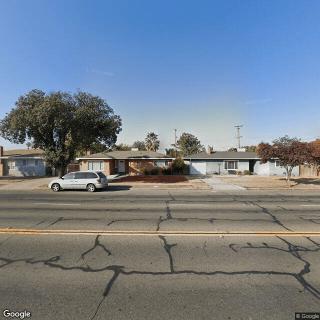
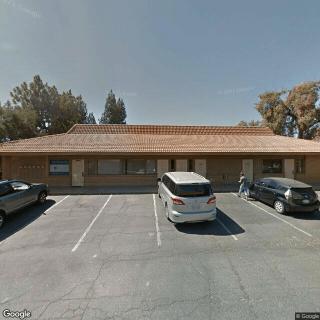
2909 East Griffith Way, Fresno, CA 93726
For more information about senior living options: (866) 208-4318
Overall Review of William's Residential Care For The Elderly
Pros
 The father absolutely loves the care at Victoria's, and the staff consistently go the extra mile.
- The staff are compassionate, accommodating, and provide first-class care.
- The 88-year-old mother settled in from day one and enjoys daily activities; meals are top-notch and the facility is spotless.
- Victoria's Care Home is in a beautiful, safe neighborhood and delivers top-notch care that brings peace of mind to families.
- Joseph, Toto, and Mercy made the mother feel right at home immediately; the team is accessible, responsive, and caring.
- The home maintains a two-caregiver-to-five-residents ratio, ensuring attentive dementia care and keeping residents connected with family.
- The care here is described as the gold standard for memory care, with excellent care for residents with physical impairments as well.
- The owner and administrator are knowledgeable, caring, and helpful, and have created customized care plans.
- The environment is happy, homey, safe, and welcoming, with professional and friendly staff.
- Families feel blessed to find Victoria's Care Home and note that residents are treated like family.
Review
This Fresno-based residential option is best suited for families seeking a truly home-like setting where seniors receive deeply personalized attention, especially when memory-care needs are present. The reviews consistently describe a small, cheerful house atmosphere with residents engaging in daily activities, exercise, and social moments that feel like a living room instead of a corridor. Cleanliness is repeatedly highlighted, meals are praised as delicious, and the staff comes across as genuinely compassionate and accommodating. It works particularly well for those who want to stay connected to a familiar care team, with caregivers who know each resident by name and tailor routines to individual preferences. For families prioritizing warmth, dignity, and a hands-on, family-style culture, this is a standout option.
Those evaluating alternatives should consider the trade-off between intimacy and scale. The strongest appeal here is the intimate staffing model and the emphasis on continuity of care within a small footprint. However, families needing hospital-style acuity, a wide array of on-site medical services, or the resources of a larger campus may find themselves drawn to bigger facilities. While the reviews showcase high-quality, attentive dementia care and flexible support, the converse reality is that a smaller home may not offer every specialty service or 24/7 clinical depth that a large memory-care campus can claim. For residents whose needs are expected to intensify quickly or who require extensive on-site therapy, a larger operation could be a more practical long-term fit.
The core advantages align with and magnify the decision to choose a small, attentive residence. The caregiver-to-resident ratio is repeatedly cited as a defining strength, two trained caregivers for every handful of residents, with around-the-clock oversight, so no one slips through the cracks. Families note that staff members act with urgency when medical issues arise and maintain open communication, ensuring relatives are kept informed and involved. The care team is described as having real depth and warmth, with an administrator who is hands-on and responsive. These elements collectively offset common concerns about smaller homes, producing dependable, person-centered care rather than a generic, one-size-fits-all approach.
Equally persuasive are the daily life details that reinforce trust: a safe, secure environment in a well-kept home, with meals prepared to please and programming designed to accommodate varying levels of independence. The environment is presented as homey rather than clinical, which reduces the stress of transition for both residents and families. Open lines of communication, families can reach caregivers easily, alongside customized care plans crafted by attentive leadership, create a sense of partnership rather than a top-down care model. For memory care in particular, reviewers call the approach a gold standard, underscoring how meaningful engagement and consistent routines help residents stay connected to family and familiar activities.
Traveling beyond the emotional appeal, practical decision factors come into play during tours and discussions with the leadership. Prospective families should verify ongoing staffing levels, the availability of specialized memory-care protocols, and how emergencies are escalated. It’s wise to confirm the exact care-plan process, who administers it, and how family input is incorporated. Inquiries about meal planning, activity calendars, and transportation for appointments should be part of the initial conversations. The administrator’s hands-on involvement and the home’s clean, well-managed presentation are good indicators that operations are thoughtful and dependable. These concrete details will help determine if the fit endures as needs evolve.
Bottom line: for families prioritizing a warm, intimate, home-like Fresno setting with exceptional, attentive dementia care and a responsive, family-centered team, this option stands out as a top-tier choice. It delivers strong everyday care, a comforting atmosphere, and transparent, proactive communication, elements that translate into real peace of mind. Those whose loved ones require more extensive medical services, or who expect the scale and resources of a larger campus, should actively compare options and probe for capacity to accommodate higher-acuity needs over time. In the right circumstances, this Fresno residence represents a practical, principled path to dignified aging at home away from home.
 3 resident community capacity
 Assisted Living
 Cable or satellite TV
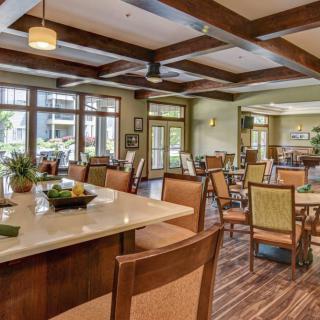
 Dining room
 Fully furnished
 Garden
 Housekeeping services
 Move-in coordination
 Outdoor space
 Small library
 Telephone
 Fresno Yosemite International (3 miles away)
 24-hour supervision
 Activities of daily living assistance
 Assistance with bathing
 Assistance with dressing
 Assistance with transfers
 Diabetes diet
 Meal preparation and service
 Medication management
 Special dietary restrictions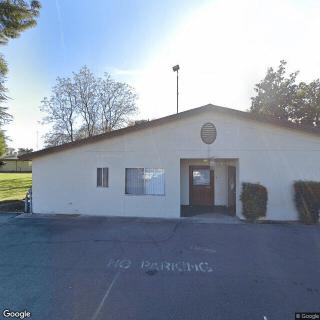



 Securing Financial Support for Assisted Living: A Comprehensive Overview
 Social Security Benefits and Assisted Living: Navigating Options Across the U.S.
 An Extensive Exploration of the VA Aid and Attendance Benefit