
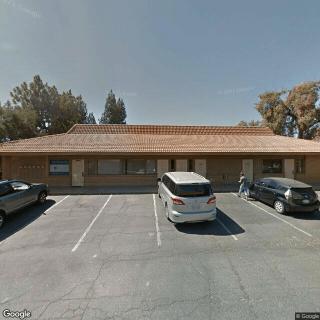
5637 East Ashcroft Avenue, Fresno, CA 93722
For more information about senior living options: (866) 208-4318
Overall Review of Ashcroft Senior Living
Pros
 Ashcroft Senior Living provides 24-hour assisted care in a six-bed facility.
- It offers the same amenities as larger facilities.
- It provides assistance with activities of daily living and medication management.
- It is close to the 99 Freeway.
- It is an excellent place for loved ones and the care they need when they need it most.
Review
Ashcroft Senior Living in Fresno is best suited for families seeking an intimate, high-touch assisted living option for a loved one who needs daily living support and 24-hour supervision, but does not require skilled nursing or specialized memory-care services. The six-bed footprint translates into a tightly knit routine where caregivers can maintain a steady, predictable cadence and know each resident’s preferences intimately. Its proximity to the 99 Freeway is a practical advantage, easing family visits, appointments, and short trips to medical offices. This is a practical fit for seniors who value safety, consistent attention, and a home-like atmosphere over a larger, impersonal campus.
Those considering alternatives are likely to be families with residents who have higher acuity or specialized care needs. If memory care, rehabilitative therapies, or challenging medical management are central, a larger community with dedicated units and more robust clinical staffing may be a better match. Prospects who crave a broader social calendar, more diverse activities, or a wide range of on-site services, such as extensive dining options, routine therapy, and multiple resident programs, might find a small setting limiting. For residents who require frequent outpatient programs or complex care coordination, a larger facility could offer the redundancy and breadth that a six-bed model cannot.
The strongest pros are immediately tangible: round-the-clock assisted care and medication management ensure daily safety and continuity. The small size naturally supports personalized attention, with staff likely to develop a sharper sense of each resident’s routines, preferences, and warning signs. Being able to offer the same essential amenities as larger communities reduces the sense of missing out on standard services, while the intimate environment can translate into fewer transitions and greater comfort for a resident who values consistency. The location near a major freeway compounds these advantages, making family engagement and logistics smoother.
However, the limited scale inevitably imposes limits that may influence decision-making. A six-bed operation can struggle to deliver the breadth of social programming found in bigger campuses, potentially restricting peer interaction and the variety of activities on any given day. There may be fewer on-site specialists, therapists, or visiting professionals, which can matter when a resident’s needs evolve or when a specific therapy or service becomes desirable. If a resident’s care plan requires more advanced coordination, access to hospital partnerships, or a broader array of ancillary services, these gaps can be more pronounced than in larger facilities.
Yet the favorable aspects can offset these limitations for the right resident. The high level of individualized attention tends to translate into quicker recognition of subtle changes in health or mood, and families often experience clearer communication and greater transparency with a small, cohesive team. The “same amenities” assertion matters: families don’t have to lower expectations about what is available on-site, even in a compact setting. For many, the combination of safety, predictability, and a home-like atmosphere at a reasonable scale outweigh potential downsides, especially when visits and caregiving planning benefit from straightforward logistics via the nearby highway.
Practical next steps for families evaluating Ashcroft include a focused tour and candid conversations with leadership about staffing patterns, daily schedules, and care-planning processes. Key questions should address staff-to-resident ratios per shift, how medication management is executed, and what happens if a resident’s needs escalate. Inquire about social programming, meal options, and opportunities for family involvement. It is essential to review the facility’s licensing status, emergency procedures, and the availability of on-site or visiting specialists. Finally, align expectations with long-term goals: for a resident who thrives on intimate, attentive care and a tightly run routine, Ashcroft presents a rational, values-aligned option; for anyone prioritizing breadth of services and a broader social environment, alternatives merit earnest consideration.
 6 resident community capacity
 Assisted Living
 Cable or satellite TV
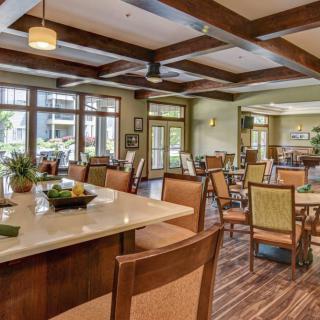
 Dining room
 Fully furnished
 Garden
 Housekeeping services
 Move-in coordination
 Outdoor space
 Telephone
 Wi-Fi/high-speed internet available
 Fresno Yosemite International (3 miles away)
 24-hour supervision
 Activities of daily living assistance
 Assistance with bathing
 Assistance with dressing
 Assistance with transfers
 Diabetes diet
 Meal preparation and service
 Medication management
 Special dietary restrictions
 Transportation arrangement (medical)
 Transportation to doctors appointments



 Exploring the Contrasts Between Assisted Living and Skilled Nursing
 8 Key Indicators That Suggest It May Be Time to Transition from Assisted Living to Skilled Nursing Care
 Vibrant Senior Living: A Comprehensive Guide for Active Older Adults