
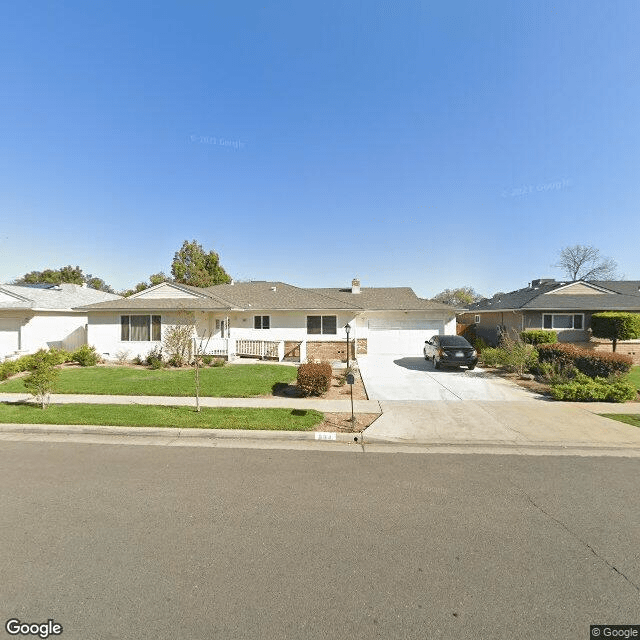
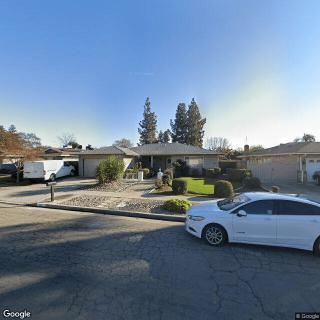
894 E. Fir, Fresno, CA 93720
To contact a resident: (559) 412-4898
For more information about senior living options: (866) 208-4318
Dial for Care III Costs & Pricing
Dial for Care III offers competitive pricing for its care services, particularly when comparing costs across Fresno County and the broader state of California. For a semi-private room, residents can expect to pay $3,500 per month - slightly higher than the county average of $2,991 but remaining below the overall state average of $3,333. In contrast, the monthly charge for a private room at Dial for Care III is $4,000, which surpasses both Fresno County's average of $3,589 and the state's average of $3,939. These rates reflect not only the demand for specialized care but also the quality of services offered at Dial for Care III, presenting an attractive option for individuals seeking comfort and support in their living arrangements.
| Floor plans | Dial for Care III | Fresno County | California |
|---|---|---|---|
| Semi-Private | $3,500 | $2,991 | $3,333 |
| Private | $4,000 | $3,589 | $3,939 |
Senior living communities with a similar price nearby
-
from +$500 / mo
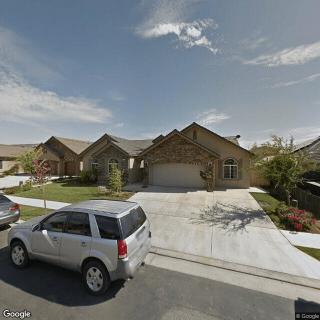
A Place Called Home II
$4,000 / month6.2 miles away -
from -$500 / mo
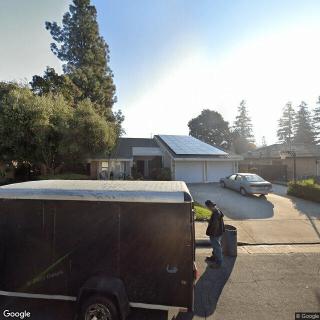
Bella Care Home
$3,000 to $5,500 / month2.5 miles away -
from -$300 / mo
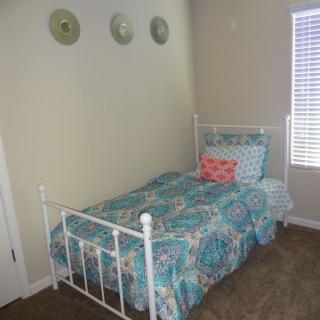
Blossom Creeks Assisted Living
$3,200 to $3,800 / month9.4 miles away -
About the same
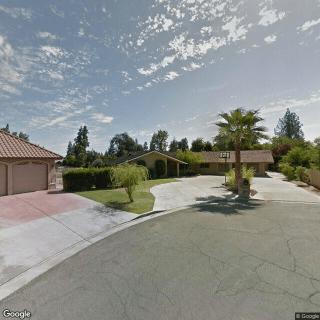
New Light Residential Care Facility for the Elderly
$3,500 to $3,800 / month3.0 miles away -
About the same
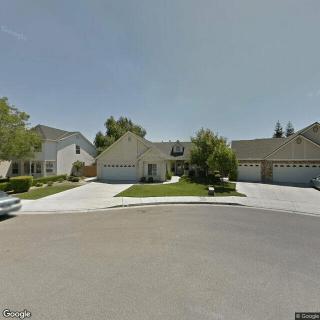
Pryor Falls
$3,600 to $3,900 / month3.3 miles away
Overall Review of Dial for Care III
Pros
 Dial's care for the mom was special and helped her feel comfortable.
- Dial's time with the mom was special and helped make her comfortable.
- There is newfound respect for the care Dial provides.
- Dial is truly special.
Review
Dial for Care III in Fresno, CA, is best suited for families seeking deeply personal, relationship-driven support for an aging loved one. The standout factor is caregiver engagement: staff who invest time with residents and translate kindness into daily comfort and a sense of dignity. If the priority is to see a caregiver who truly sees the person behind the chart and who helps a resident feel calm and cared for, this community is a compelling match.
Because the positive signal rests on a single favorable account, those evaluating options should proceed with cautious diligence. Prospective buyers wanting a broad, well-documented consensus across many families or a more extensive clinical footprint may prefer to compare alternatives. In particular, consider whether the community offers robust memory-care programming, consistent medical oversight, and a wide array of structured activities that align with the resident’s long-term needs.
From the available perspective, the core strength is the relational caregiving. The caregiver who dedicated time with the mother and made her feel special reflects an environment that actively combats loneliness and anxiety, a critical objective in senior living. Such warmth can translate into better appetite, more restful nights, and a steadier sense of safety. Those benefits can meaningfully offset concerns about impersonal routines, provided staffing remains steady and genuine engagement endures across shifts and days.
Still, the limited data invites caution about scalability and consistency. Families should verify not just the stated care philosophy but the practical realities: daily caregiver-to-resident ratios, continuity of staff, how care plans are formulated and updated, and how families are kept informed about progress. A true test lies in whether this level of attentiveness persists when weekends, holidays, or staffing challenges arise. In addition, inquire about meal quality, safety protocols, and accommodations for personal routines to determine if the initial warmth can be sustained over time.
When weighing this option against alternatives, prioritize the reliability of ongoing human connection versus episodic moments of kindness. If medical management needs are substantial or if a richer programming calendar is essential, other communities may deliver more consistent structure. For families prioritizing emotional reassurance and day-to-day companionship, the demonstrated staff investment is a meaningful differentiator. The critical task is ensuring that the resident’s evolving needs continue to be met with the same degree of personal attention.
Bottom line: this Fresno facility appears to excel for families who prize hands-on, compassionate caregiving and a setting where a caregiver’s deliberate attention translates into tangible comfort for a loved one. Alternatives should be explored by anyone who must insist on guaranteed medical acuity, formal memory-care protocols, or clearly transparent pricing and scheduling. Actionable next steps are straightforward: arrange a visit, request a meeting with the administrator to review care protocols, and talk with current residents or families about sustained satisfaction. If offered, a trial stay or shadow day can convert initial impressions into evidence of ongoing reliability.
 Board and Care Home
 Private
 Swimming pool / hot tub
 Fresno Yosemite International (5 miles away)
 Medication management


 A Detailed Exploration of Living Wills and Advance Directives
 Comprehensive Guide to Medicare Coverage for Hospice Care
 Caring for Those Who Care: Recognizing, Understanding, and Overcoming Caregiver Burnout