
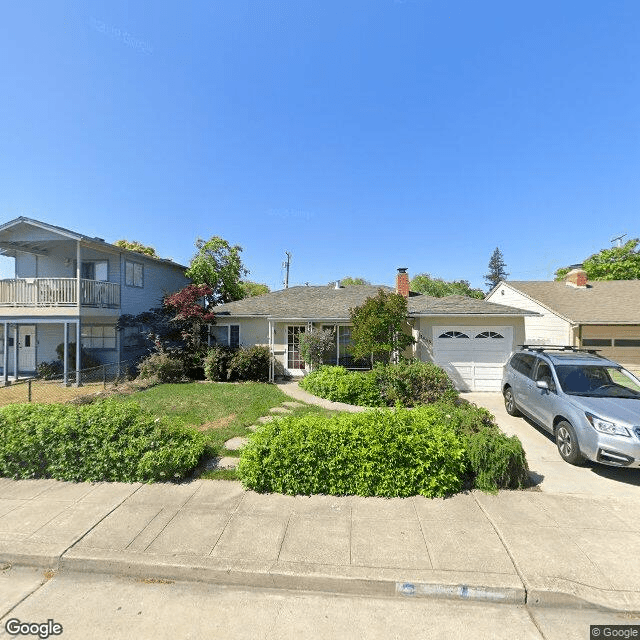
1455 Young St., San Mateo, CA 95231
To contact a resident: (209) 898-8168
For more information about senior living options: (866) 208-4318
Overall Review of Pacific Assisted Living, Inc.
Pros
 The family is grateful for the care provided at Pacific Care Home.
- Pacific Care Home offers a much safer environment for a loved one.
- The caregivers are friendly and kind.
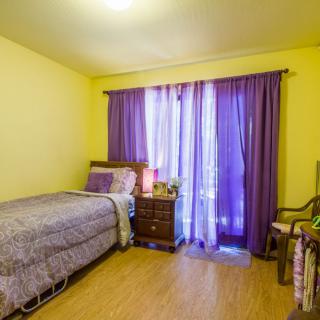
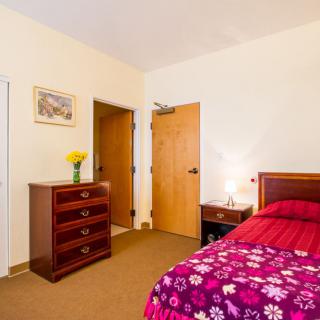
- The home is clean and sunny.
- It is a delightful place to visit a loved one.
- The reviewer highly recommends Pacific Care Home for a mom or dad.
Cons
 He fell twice in two weeks, receiving 17 stitches on his head and fracturing a hip.
Review
Pacific Assisted Living in San Mateo is best for families seeking a small, home‑like setting for an aging parent who needs more reliable supervision after leaving home care. The most telling case notes a move prompted by serious falls, two incidents within weeks, resulting in stitches and a fractured hip, and frames the relocation as a safety upgrade rather than a downgrade. Caregivers are described as friendly and kind, the home itself is clean and bright, and visiting a loved one is presented as a pleasant experience. For families prioritizing warmth, personal attention, and a lived‑in, nonclinical atmosphere, this community stands out as a strong match.
Those considering alternatives should especially weigh medical acuity needs. If a resident requires continuous skilled nursing, hospital‑level monitoring, complex wound care, or dementia care with specialized programming, larger facilities with formal clinical teams may be preferable. The review at hand emphasizes warmth and cleanliness but provides no detail about on‑site nursing hours, emergency responsiveness, or memory‑care options. In scenarios where daily medical management, therapy services, or robust activity programming are nonnegotiable, it makes sense to explore other communities and verify staffing levels, nurse availability, and the scope of care plans before deciding.
The balance of benefits versus potential drawbacks tilts decisively toward the positives for many families. The strongest pros are tangible: attentive, friendly caregivers; a sunny, spotless living space; and a visiting environment that makes family involvement easy and enjoyable. Those factors directly support safety, comfort, and emotional well‑being, which often matter more to families than formal clinical branding in the short term. The implied con is that a small, home‑like setting may offer less formal programming and fewer in‑house medical resources. Yet the very things that make it appealing, relationship‑oriented care and a welcoming atmosphere, often mitigate concerns about clinical depth for residents with custodial needs and moderate medical supervision.
Families evaluating this option should come with a practical checklist. Confirm caregiver‑to‑resident ratios and the availability of licensed nursing staff on site, plus how quickly staff respond to emergencies or call bells. Inspect safety features such as grab bars, non‑slip flooring, and clear, unobstructed paths. Gauge meal quality and dining ambience, alongside housekeeping and overall cleanliness. Request detailed care plans, the process for incident reporting after falls, and medication management procedures. Observe interactions during visits: how much time staff spend with residents, and whether family members are welcomed without advance scheduling. Clarify how holidays and weekends affect staffing and activities to ensure continuity of care.
Decision‑focused interpretation centers on safety, dignity, and ease of family involvement. For families prioritizing immediate safety and a nurturing day‑to‑day environment after a fall, the advantages, caring staff, a bright home, and accessible visiting, directly support peace of mind and continuity of familiar routines. The absence of explicit medical programming is not fatal if the resident’s needs are primarily custodial with occasional therapeutic or social services. Nevertheless, clarity is essential: confirm post‑fall protocols, the availability of on‑site clinical support, and dementia‑care options before moving. This diligence ensures the choice aligns with both current needs and anticipated changes.
Bottom‑line verdict: Pacific Assisted Living is well‑suited for an aging adult who benefits from a small, home‑like setting where staff know residents by name, safety concerns are addressed through attentive supervision, and family visits are simple and pleasant. It is less ideal for those requiring heavy clinical oversight, complex wound or medication management, or dedicated dementia care. The documented strengths, a warm caregiving team, a clean and sunny environment, and a welcoming visiting atmosphere, offer meaningful reassurance that can outweigh inferred trade‑offs for many families. The rating to date stands at 5 stars from a single review, a useful, though not definitive, signal of quality. A guided tour with a practical checklist, focusing on staffing, medical support, and dementia programming, will confirm whether the fit is solid and sustainable over time.
 Activities on-site
 Devotional services off-site
 Indoor common areas
 San Francisco International (5 miles away)
 Ambulatory care
 Meals provided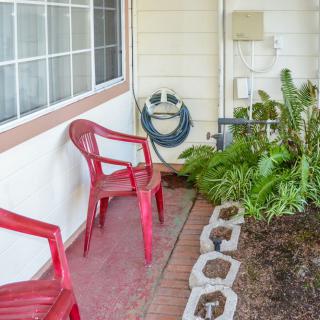


 Comprehensive Guide to Blood Pressure Charts for Older Adults: Understanding Normal and High Readings by Age
 Financing Long-Term Nursing Home Care Through Social Security: A Thorough Exploration
 Essential Knowledge on Pneumonia in Older Adults