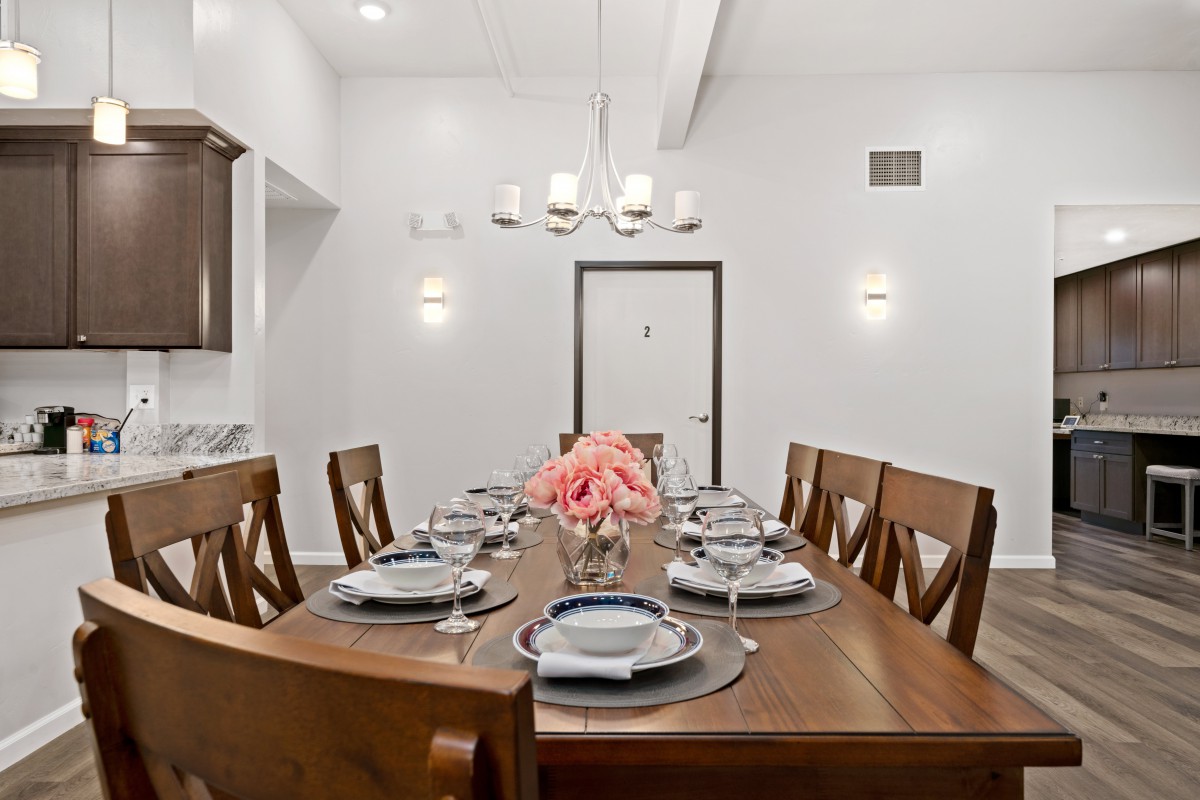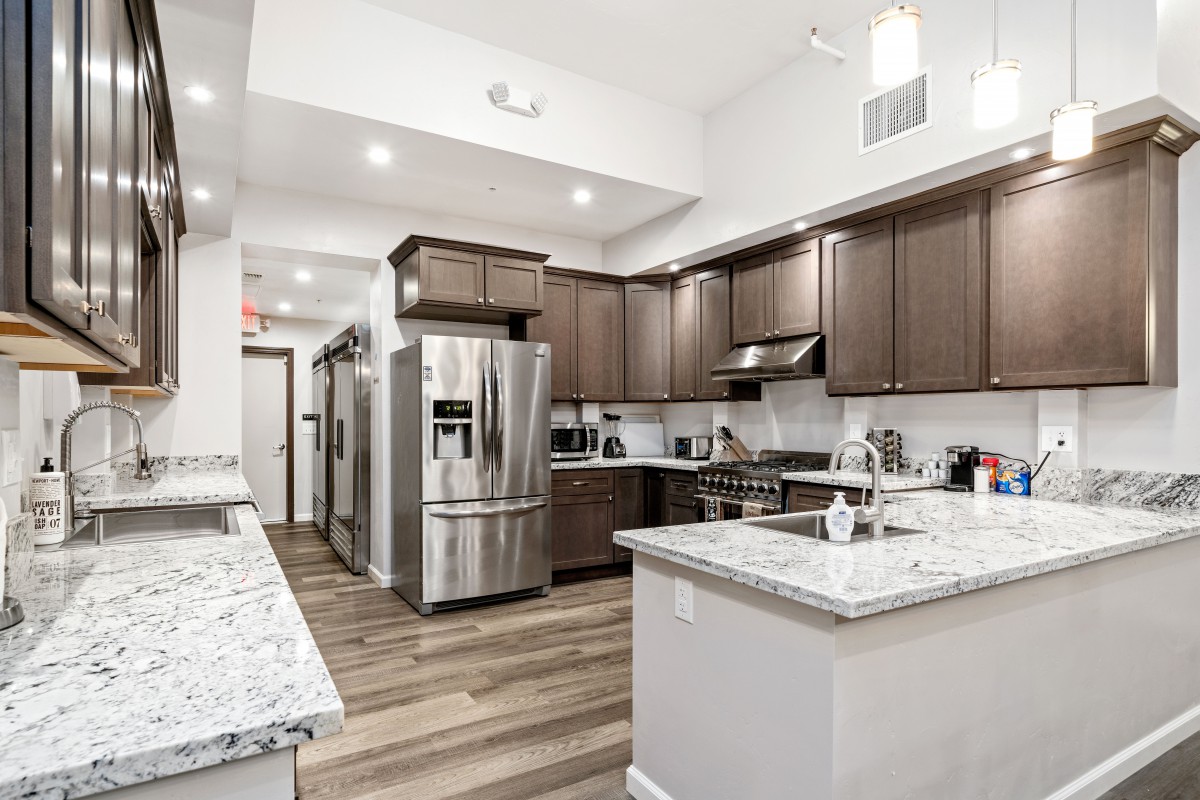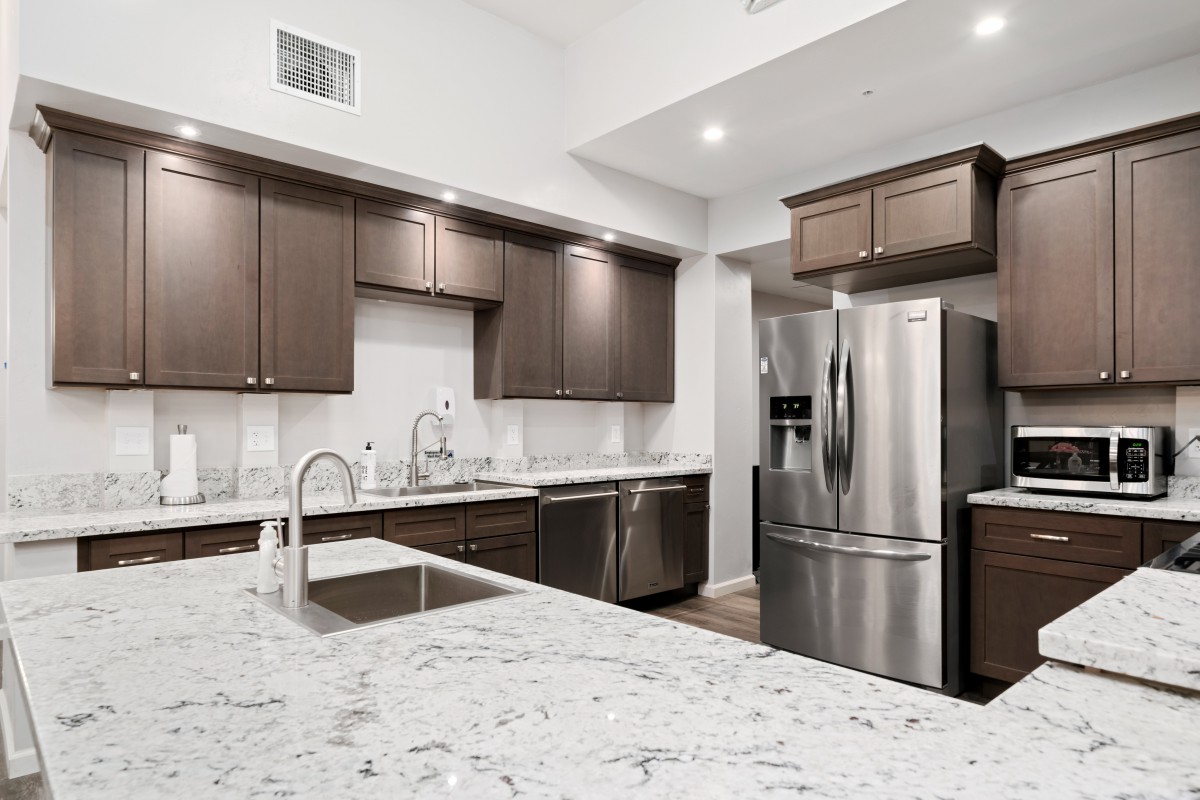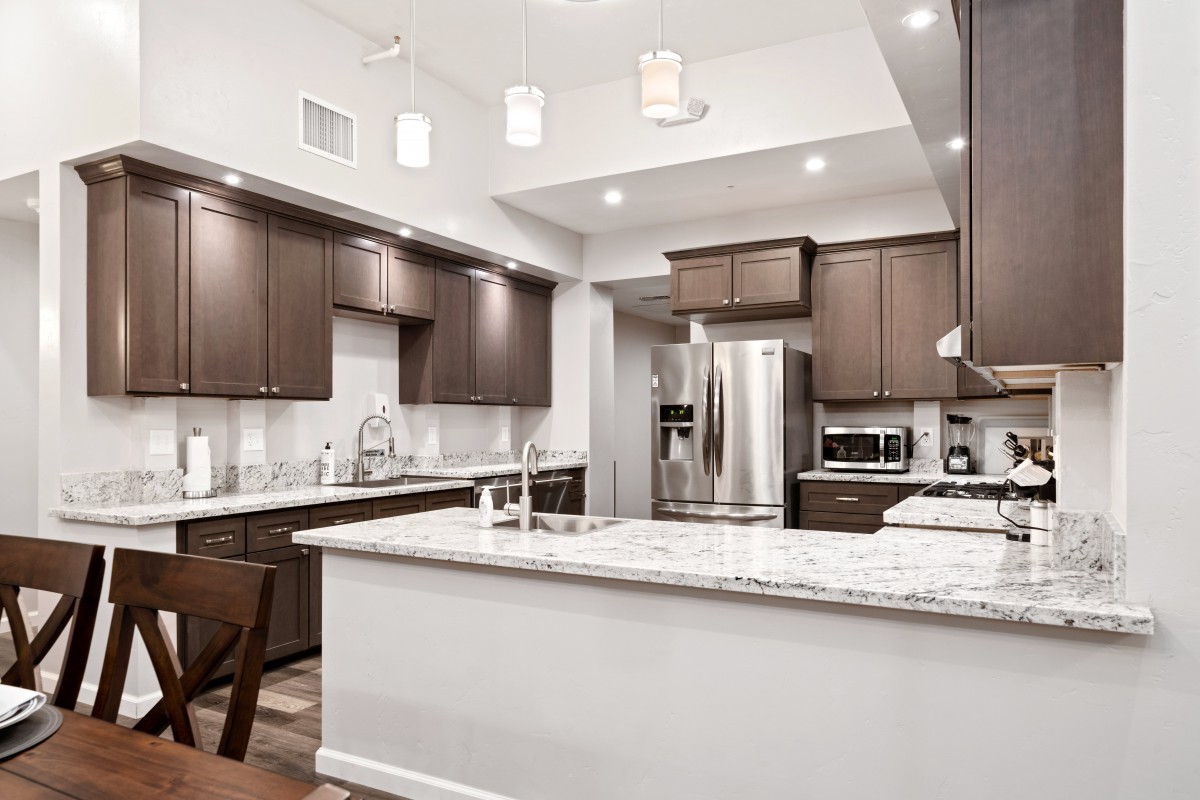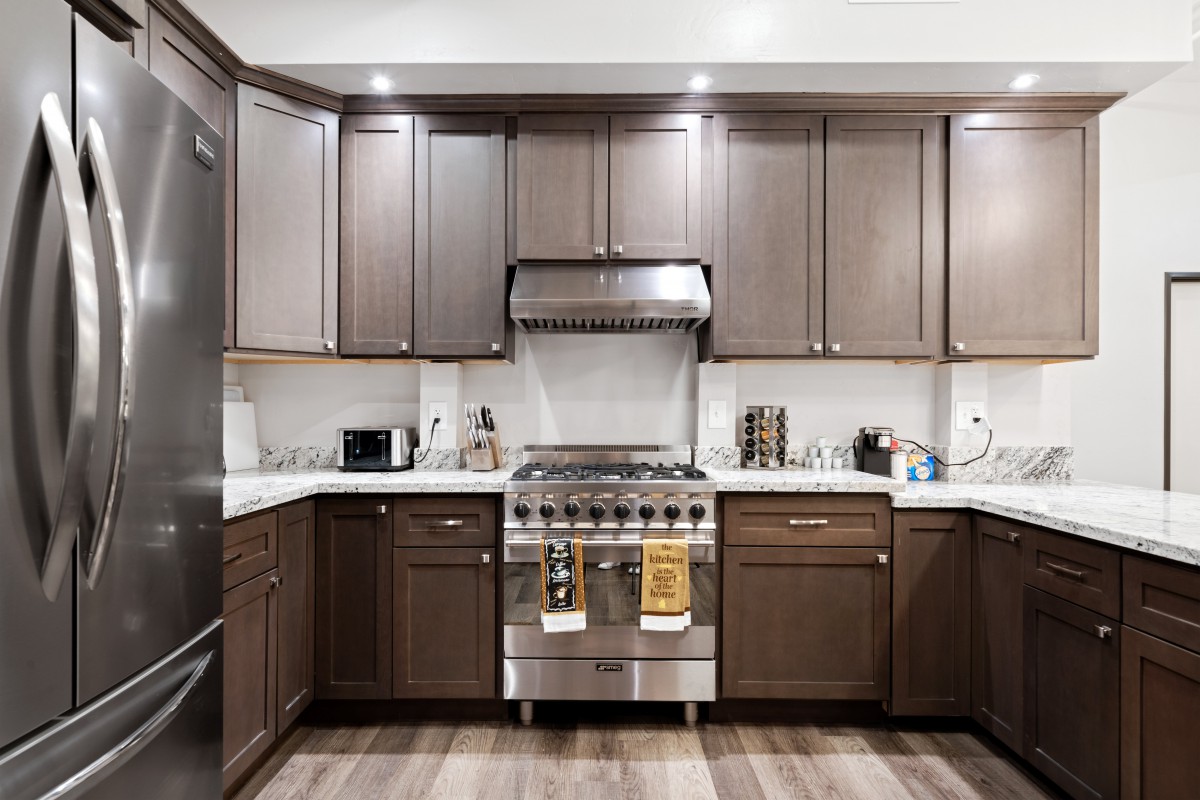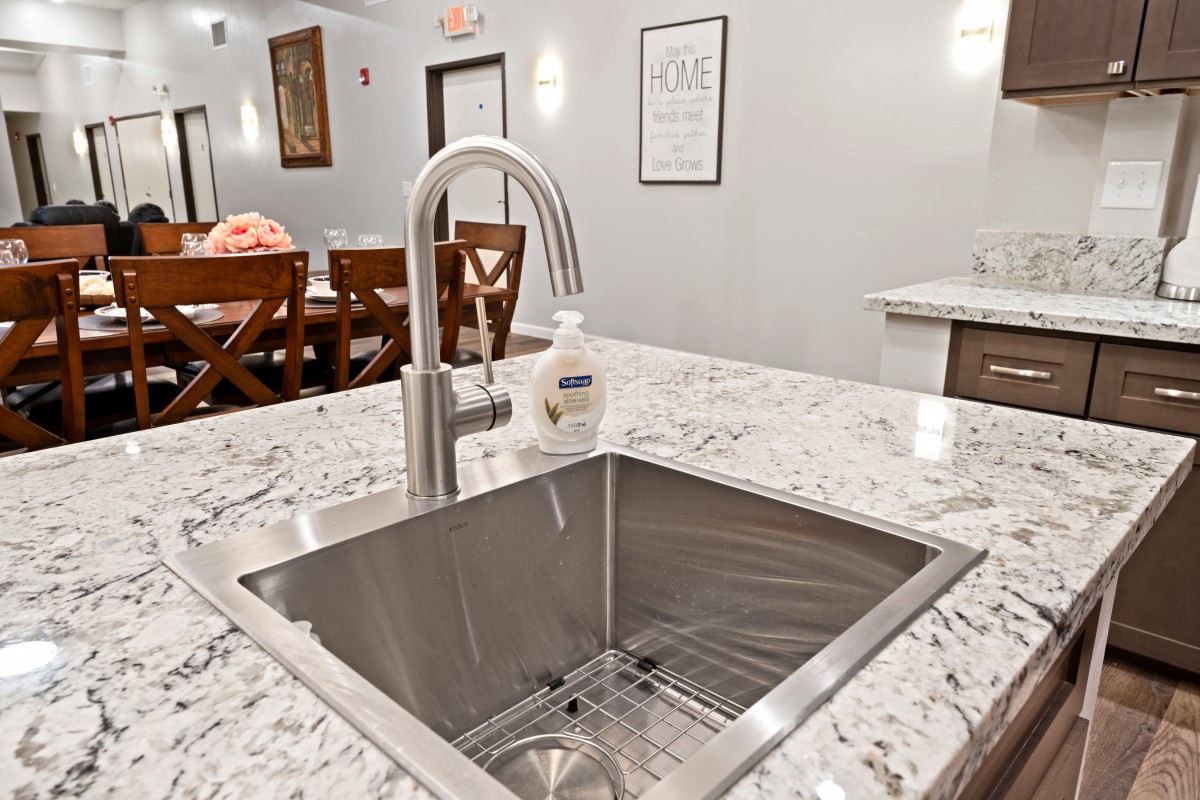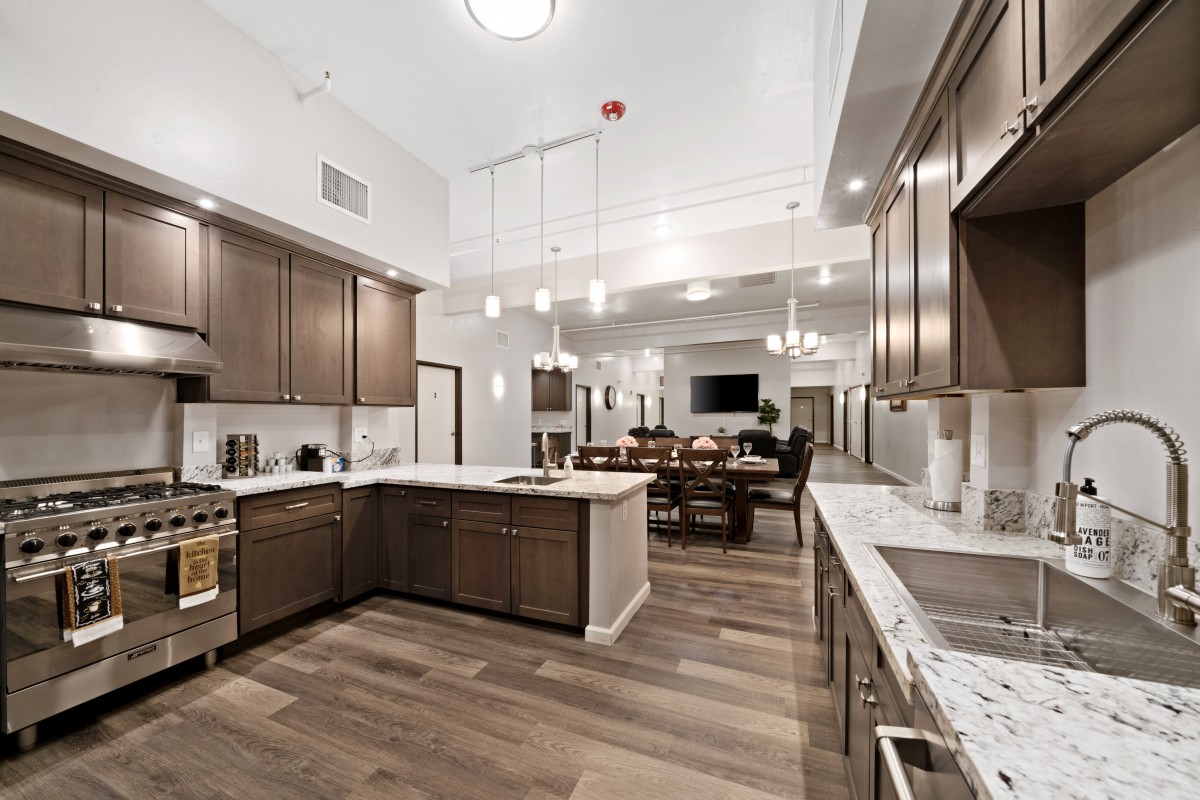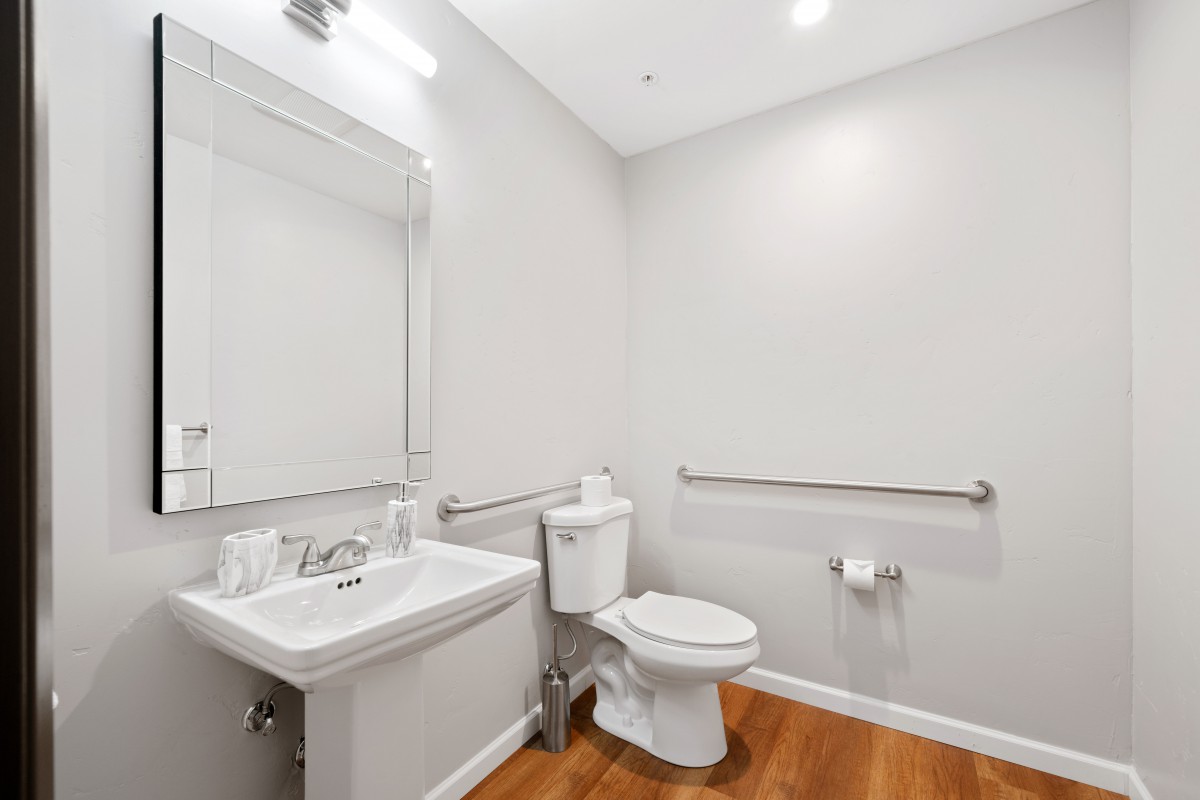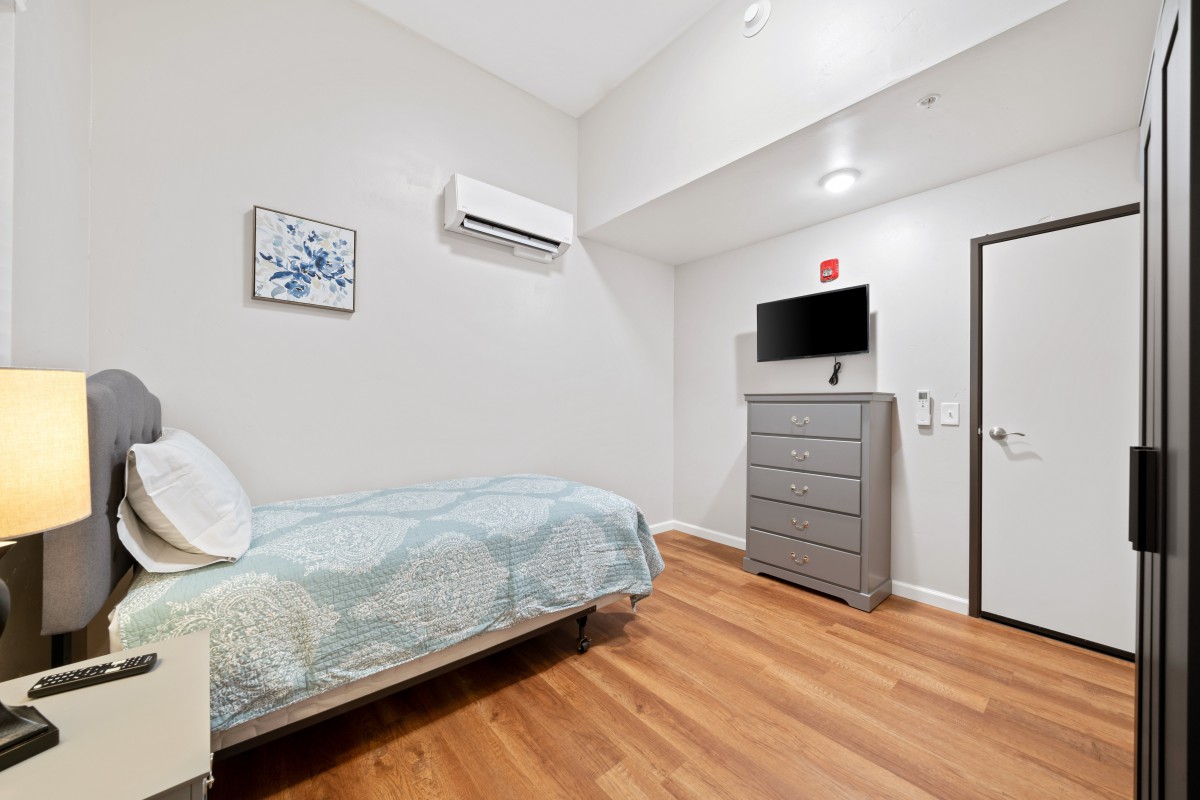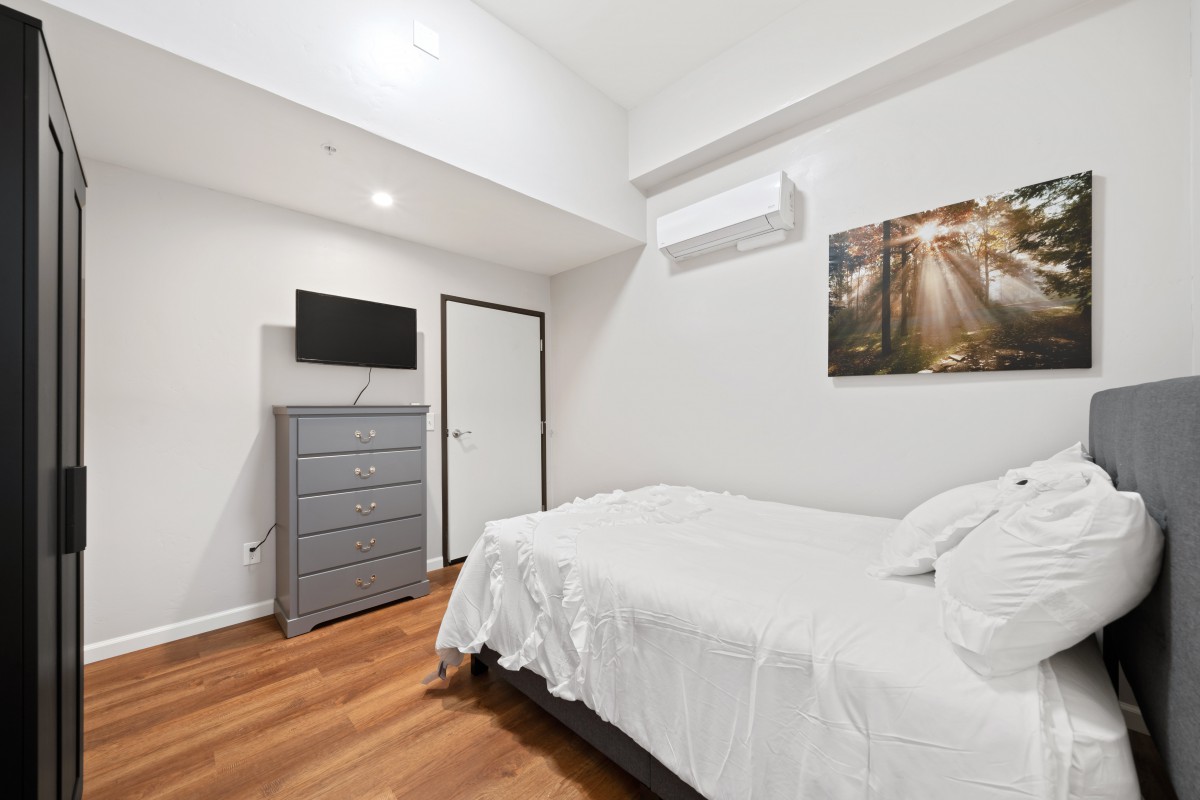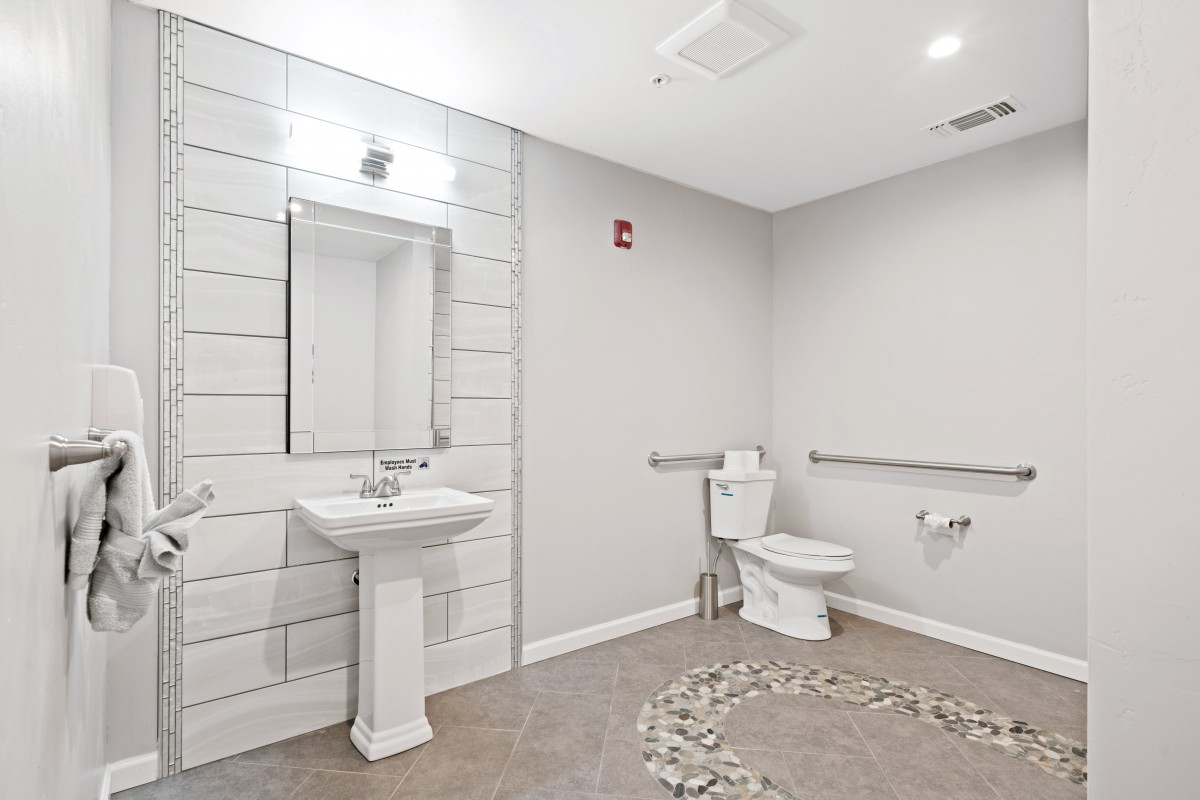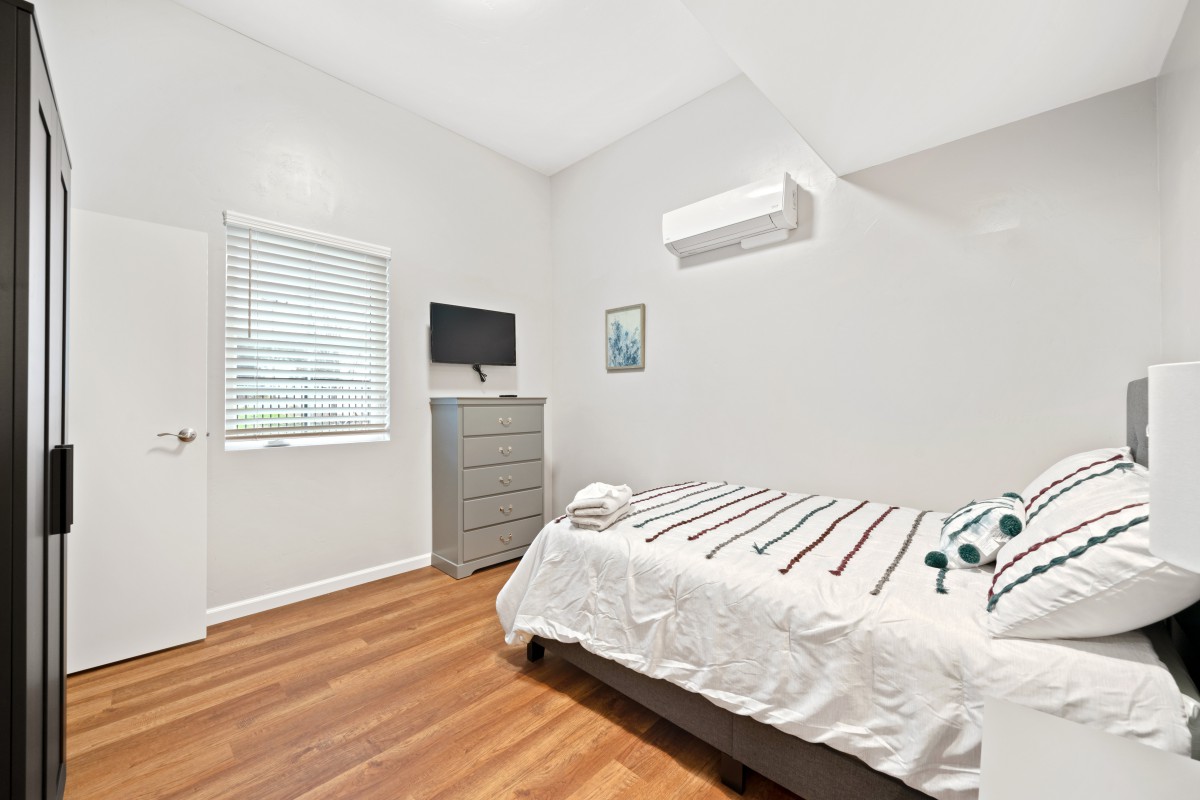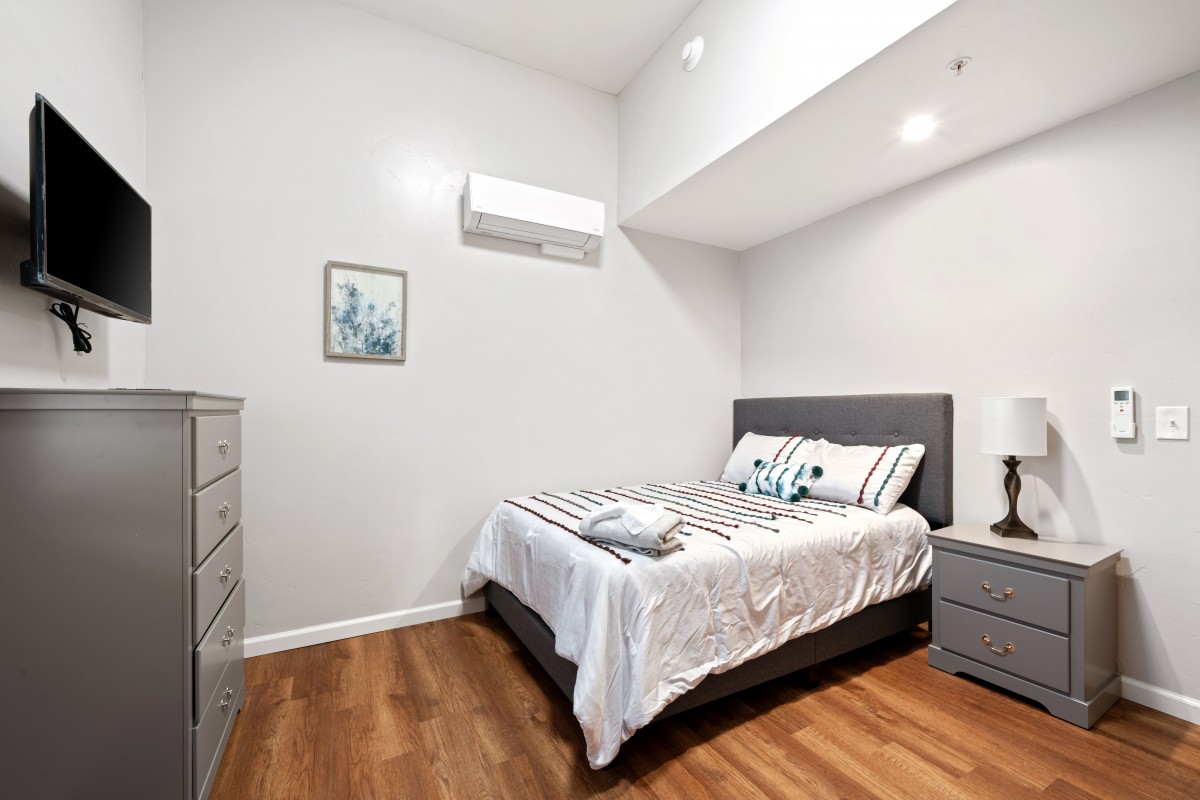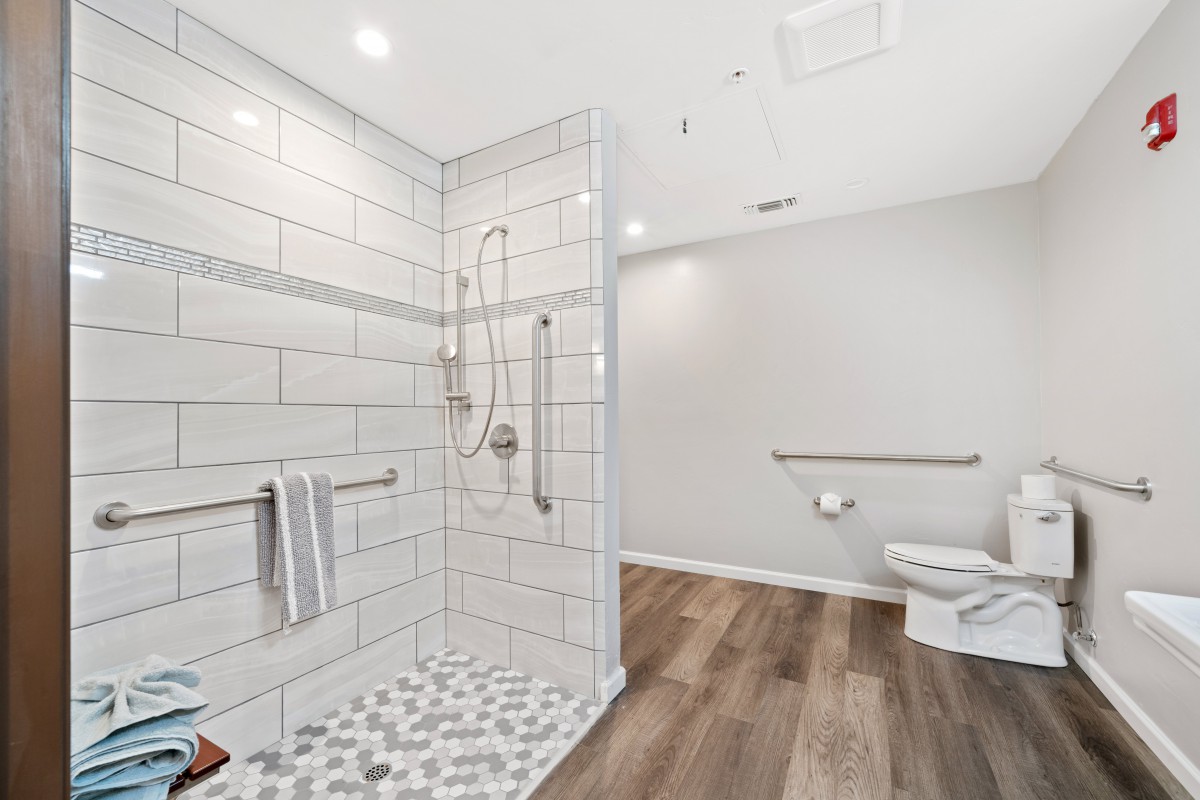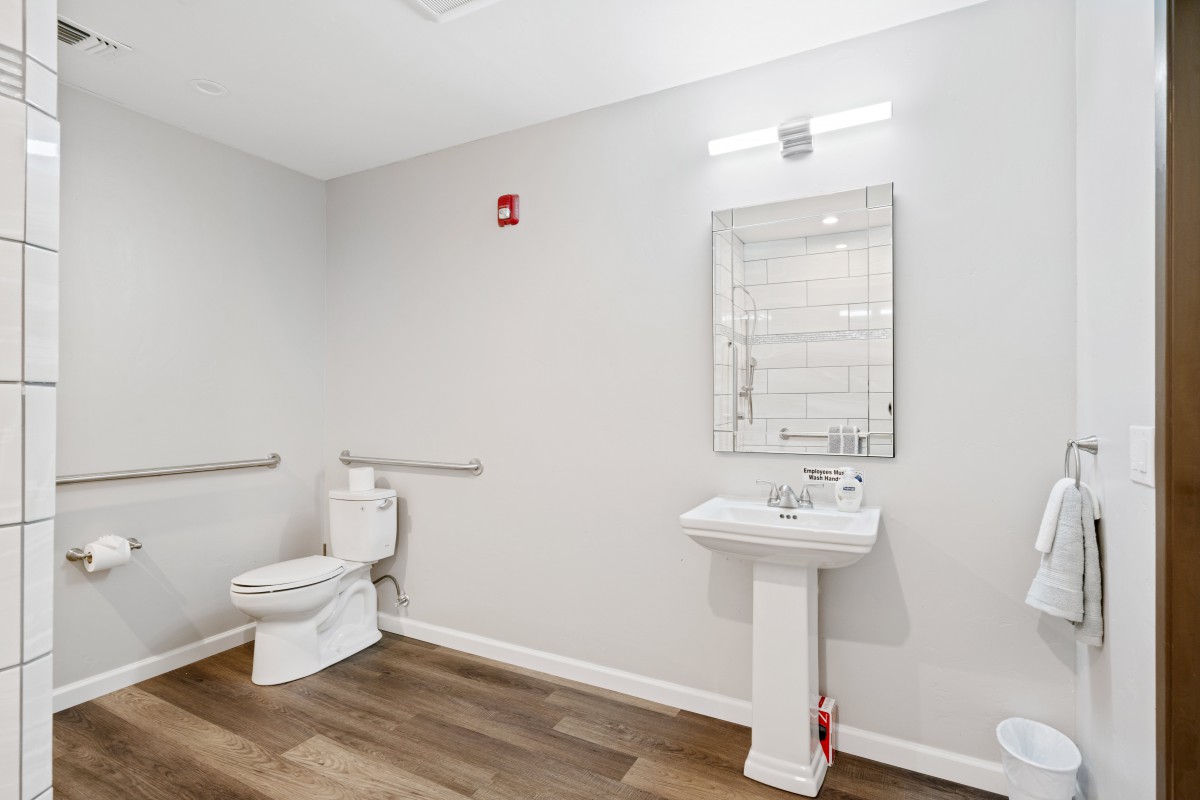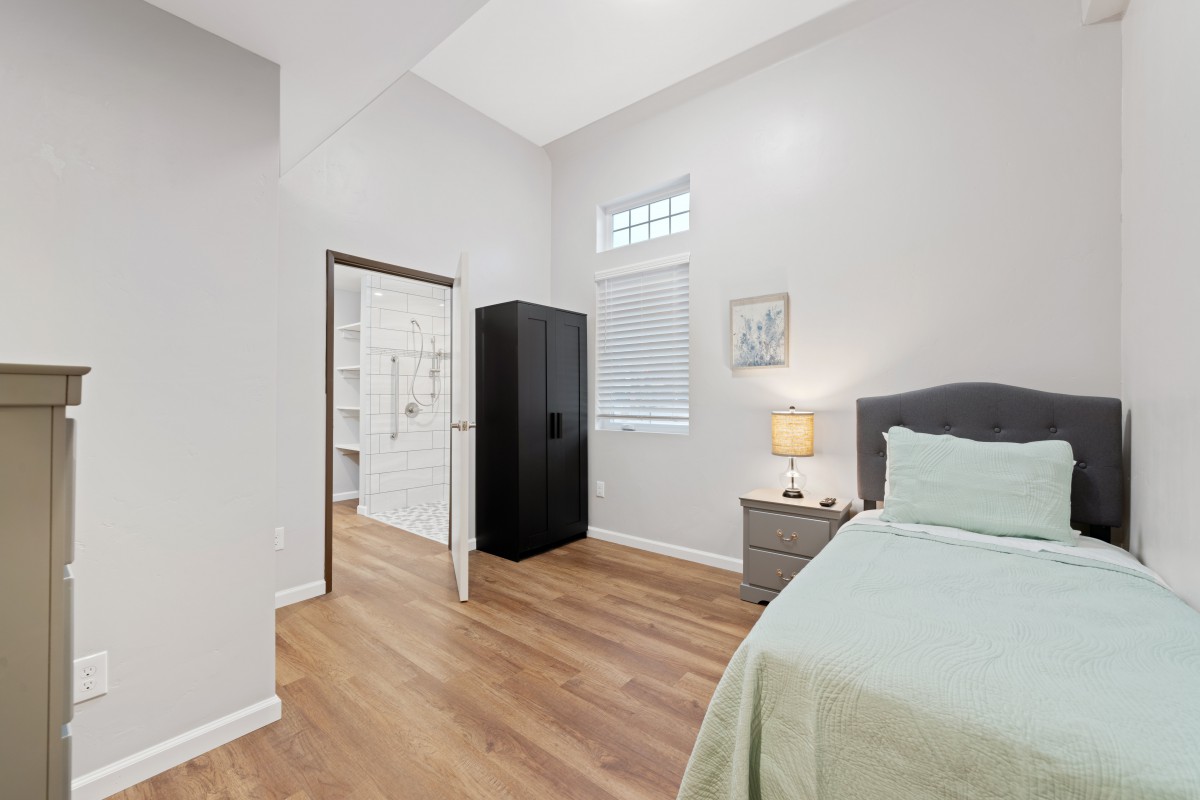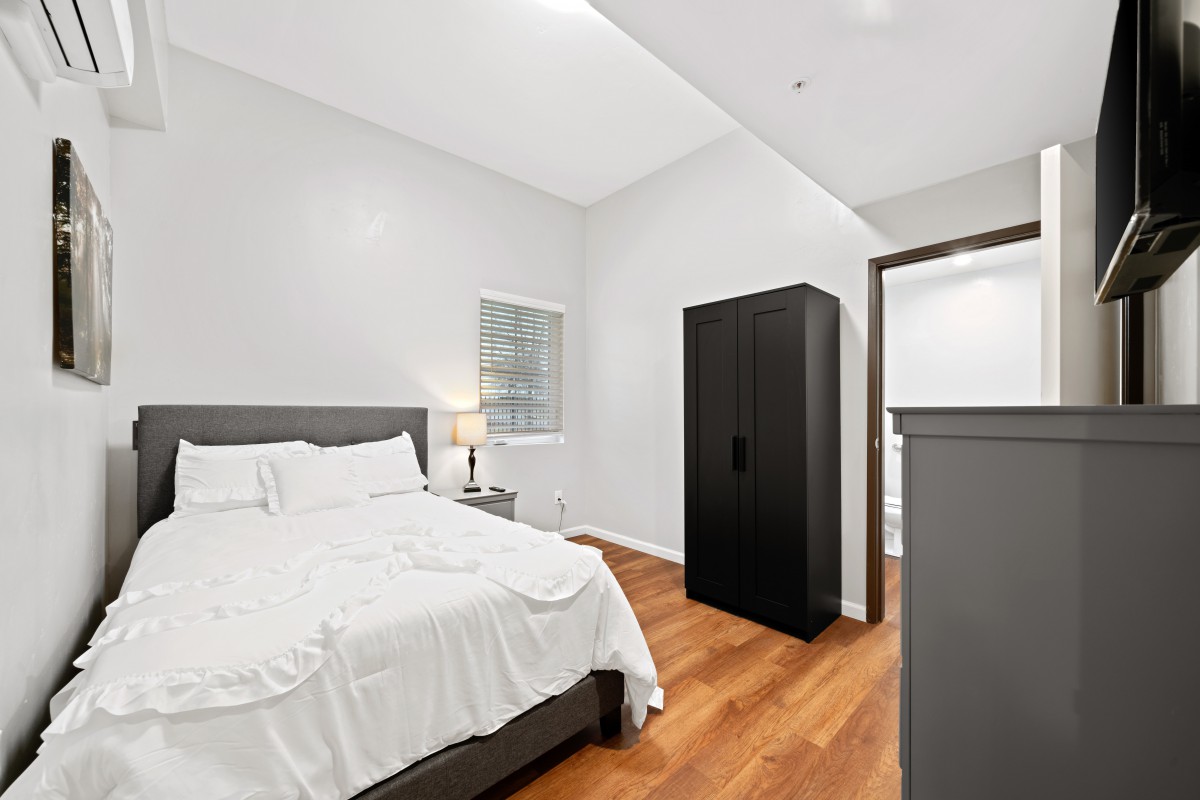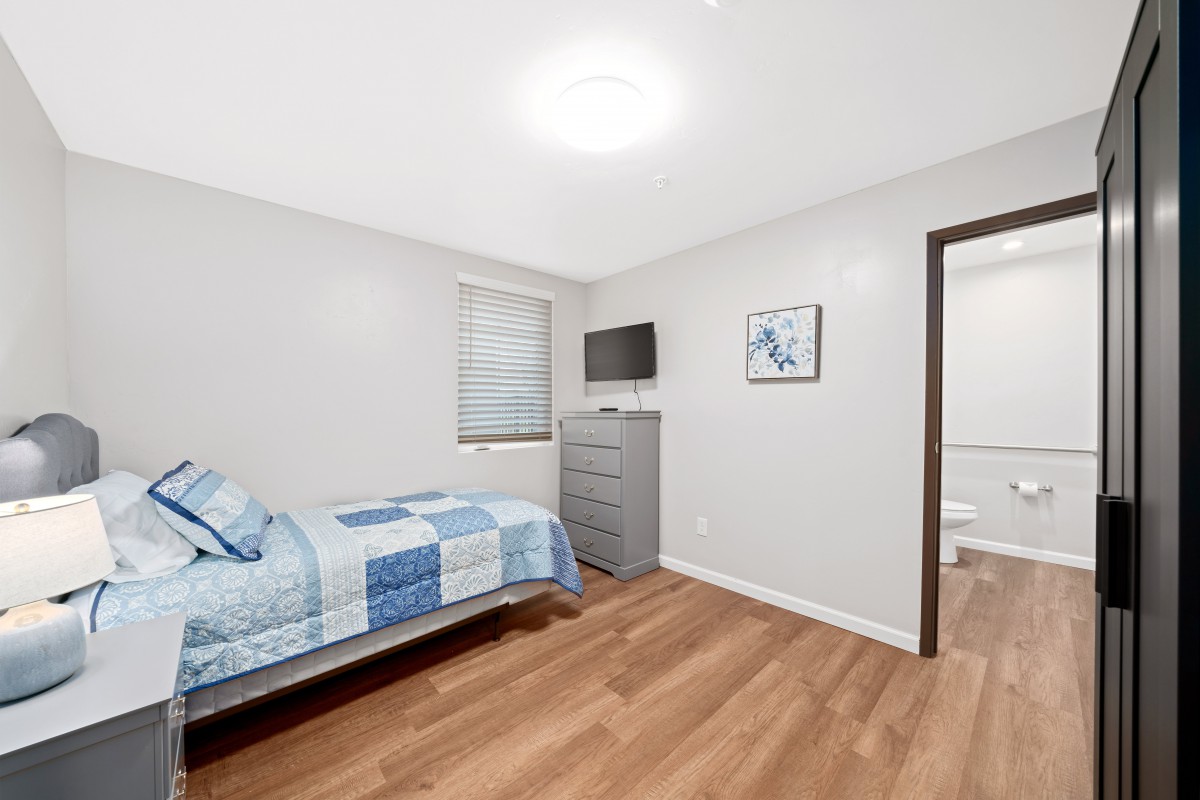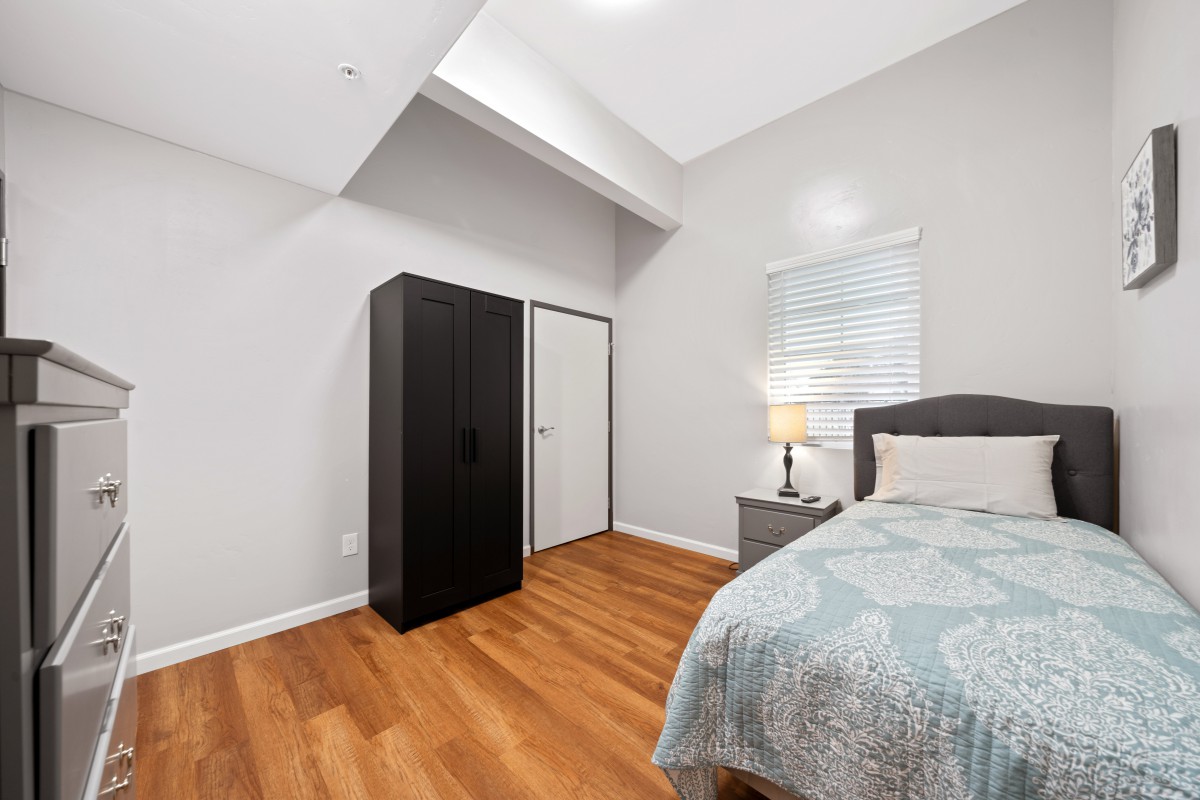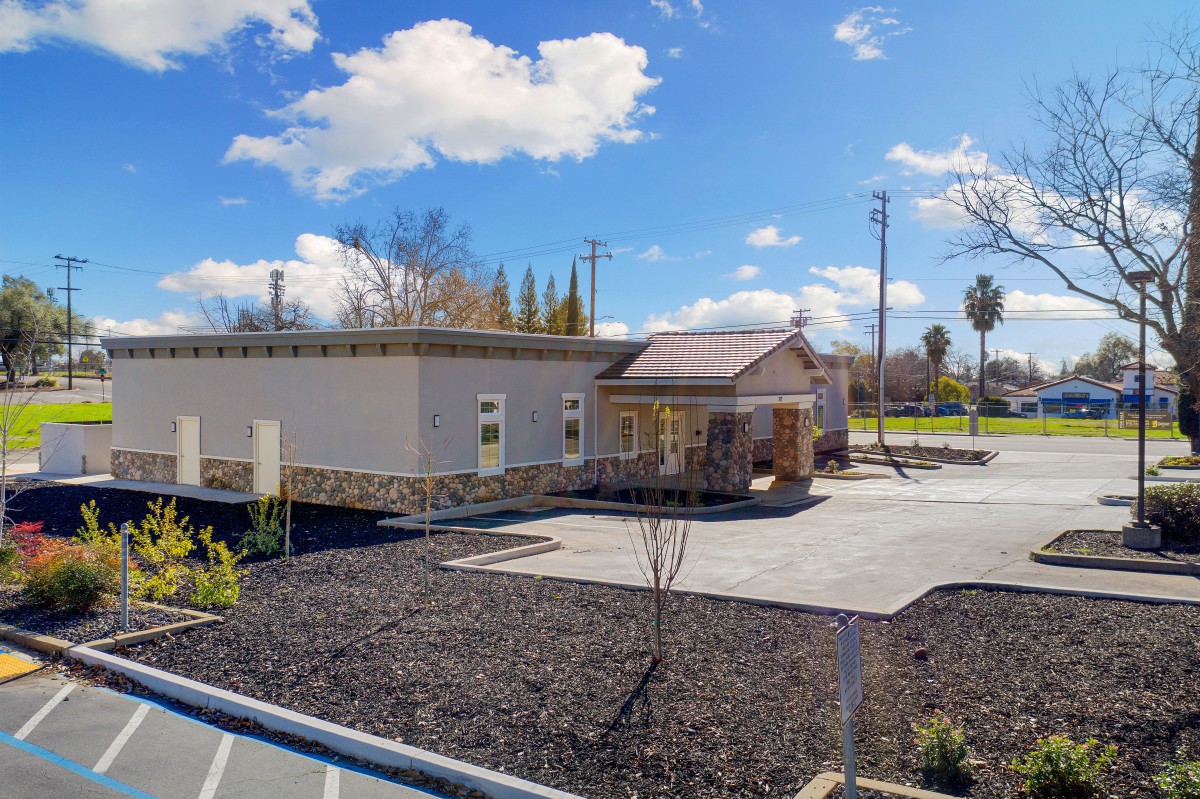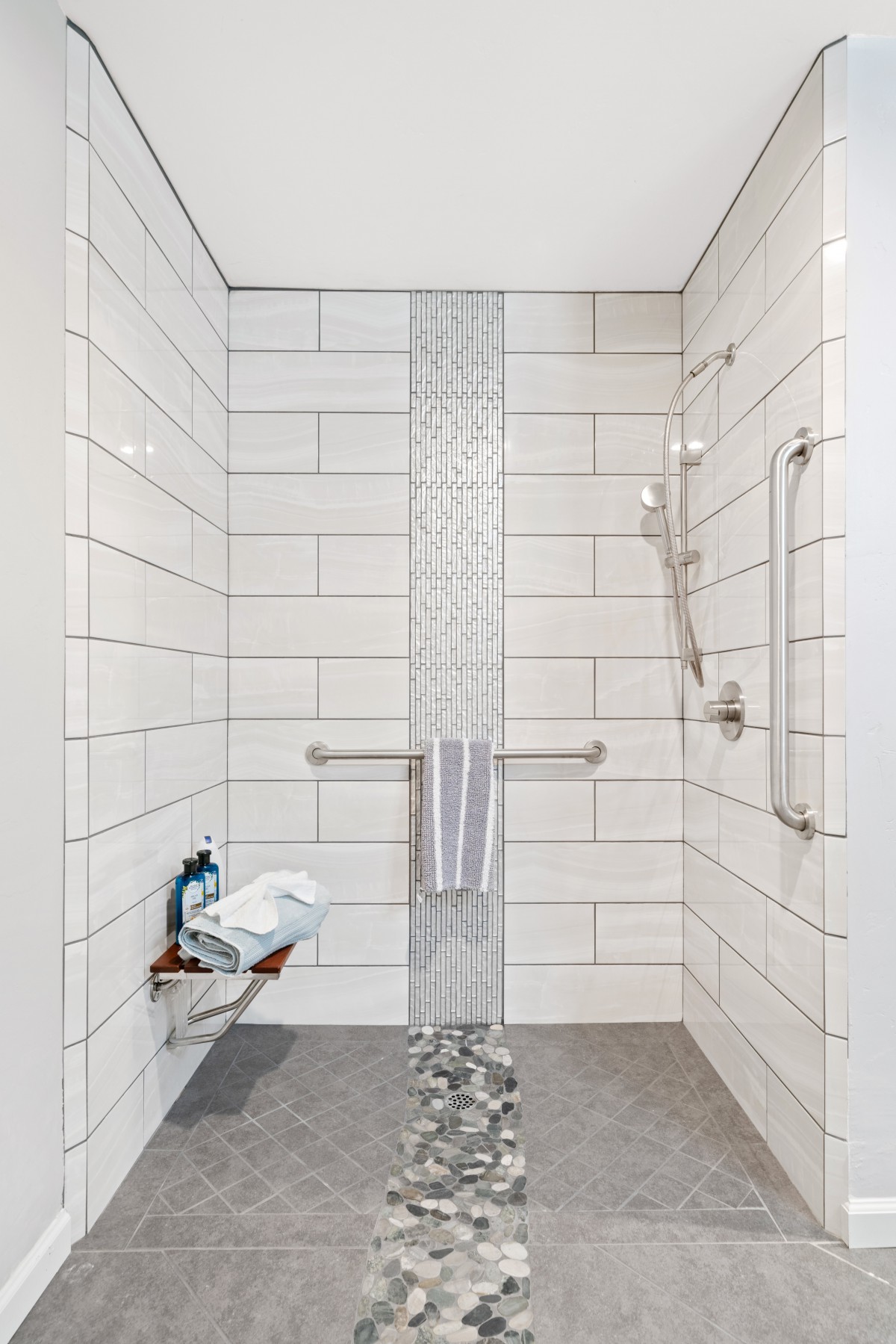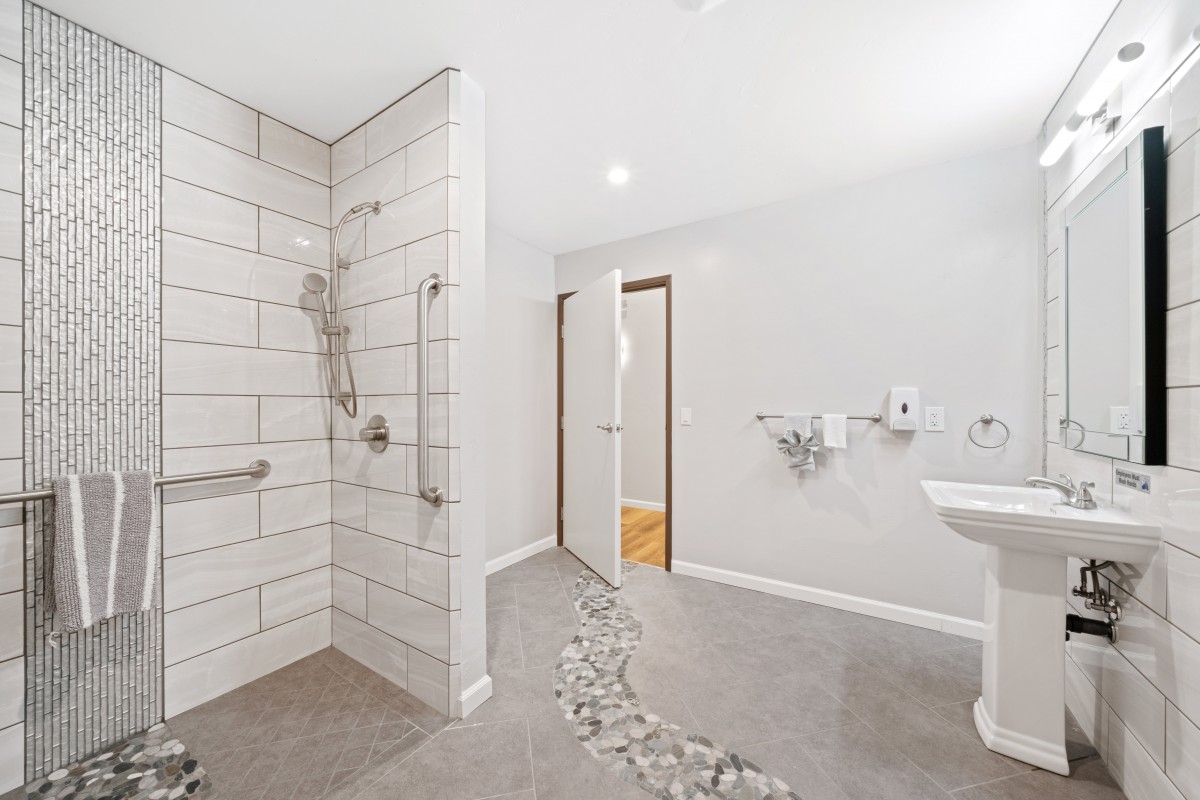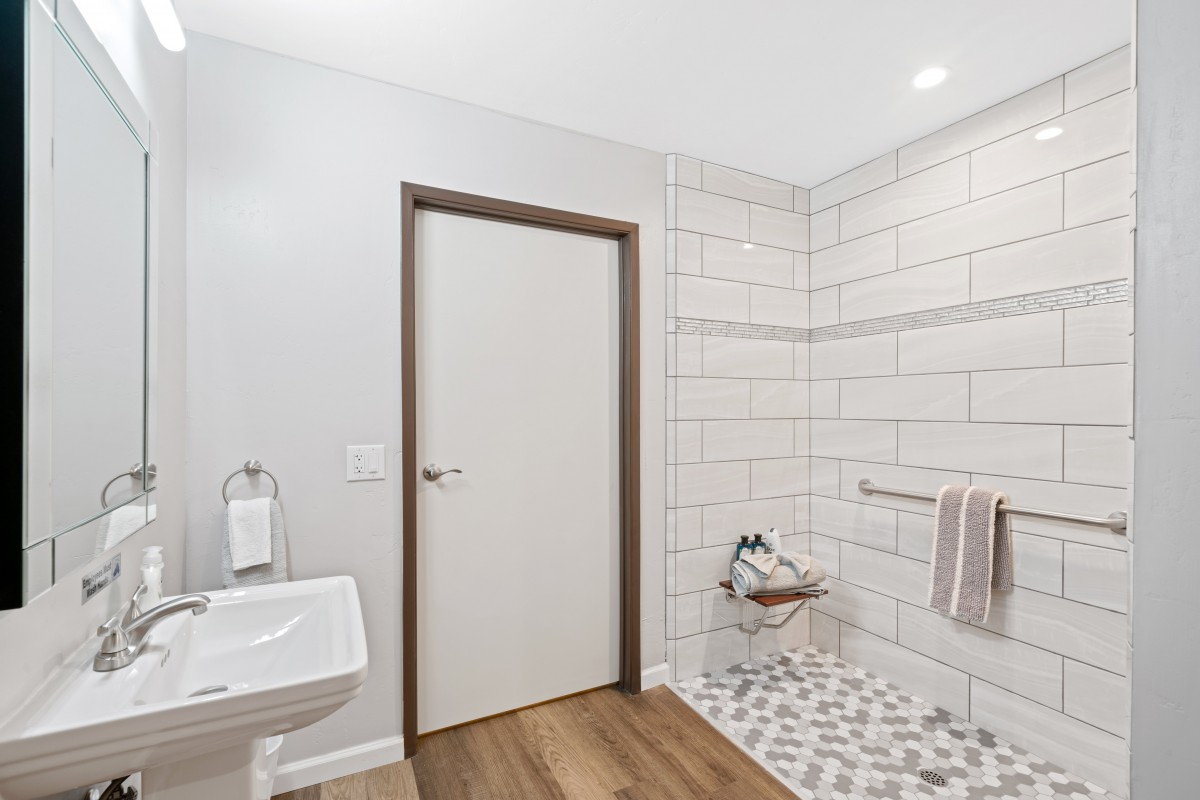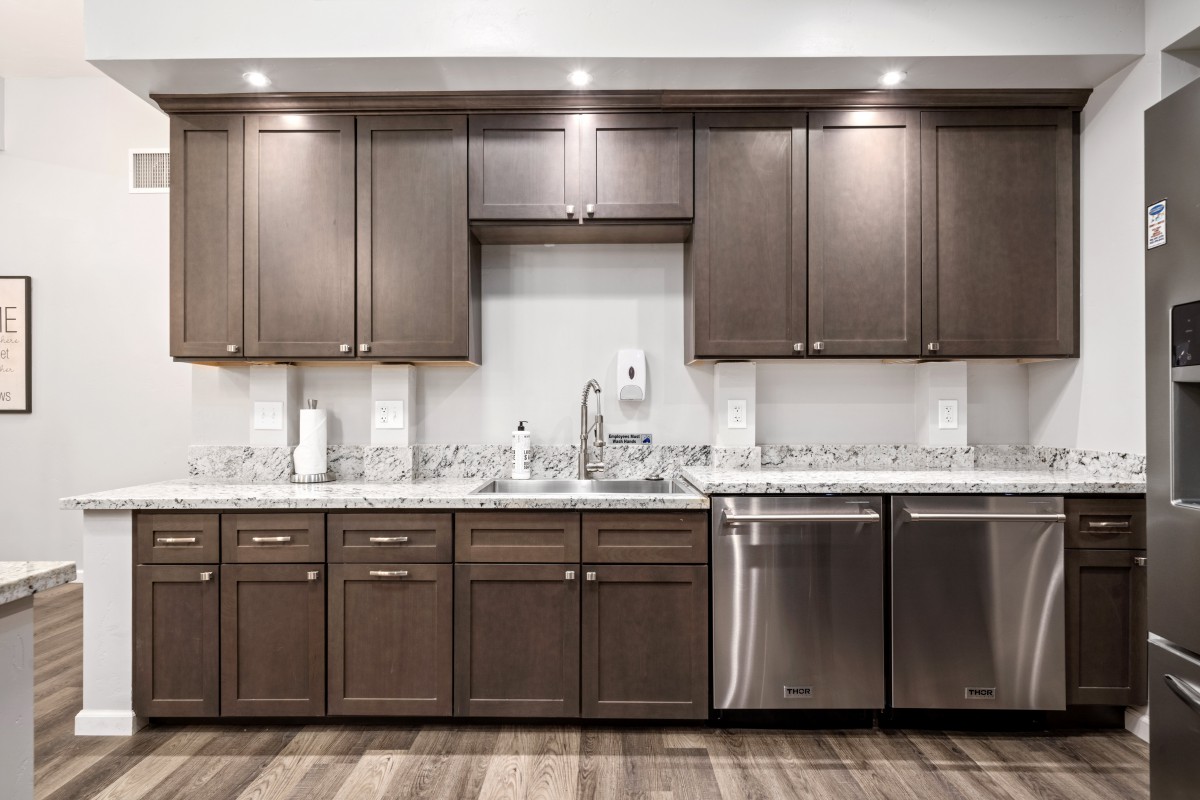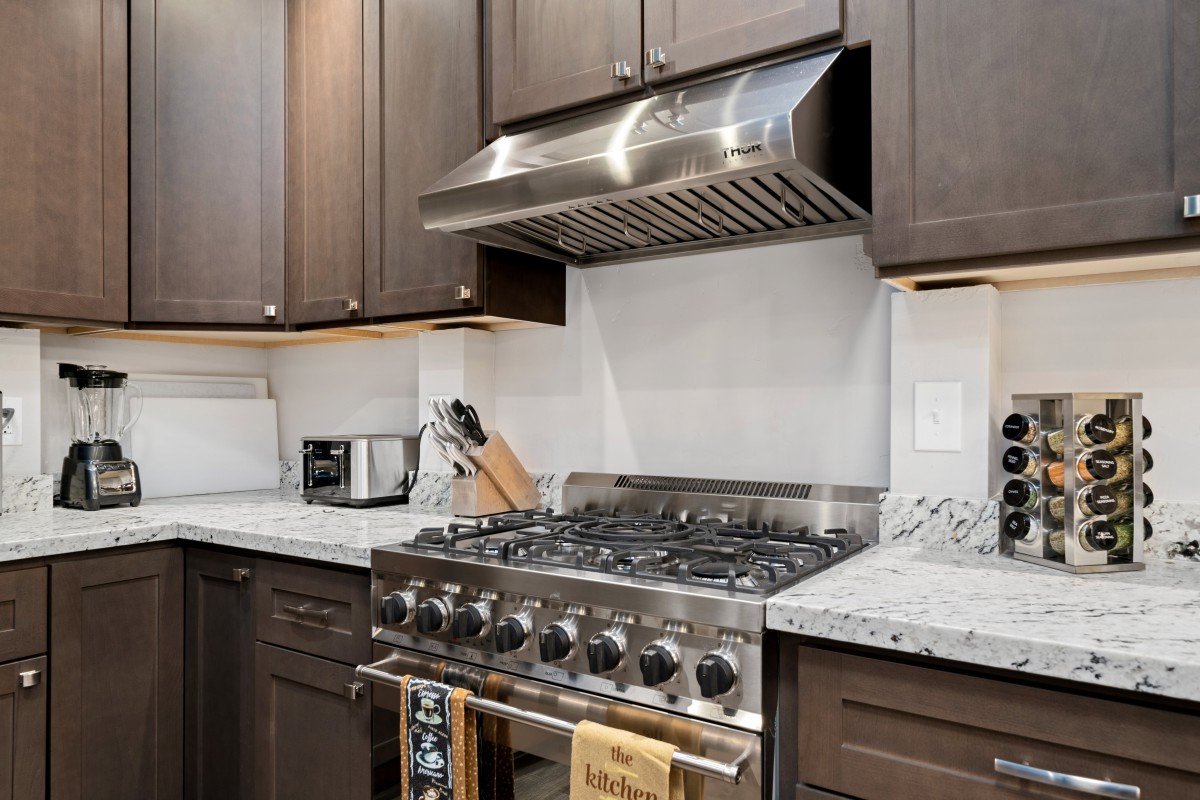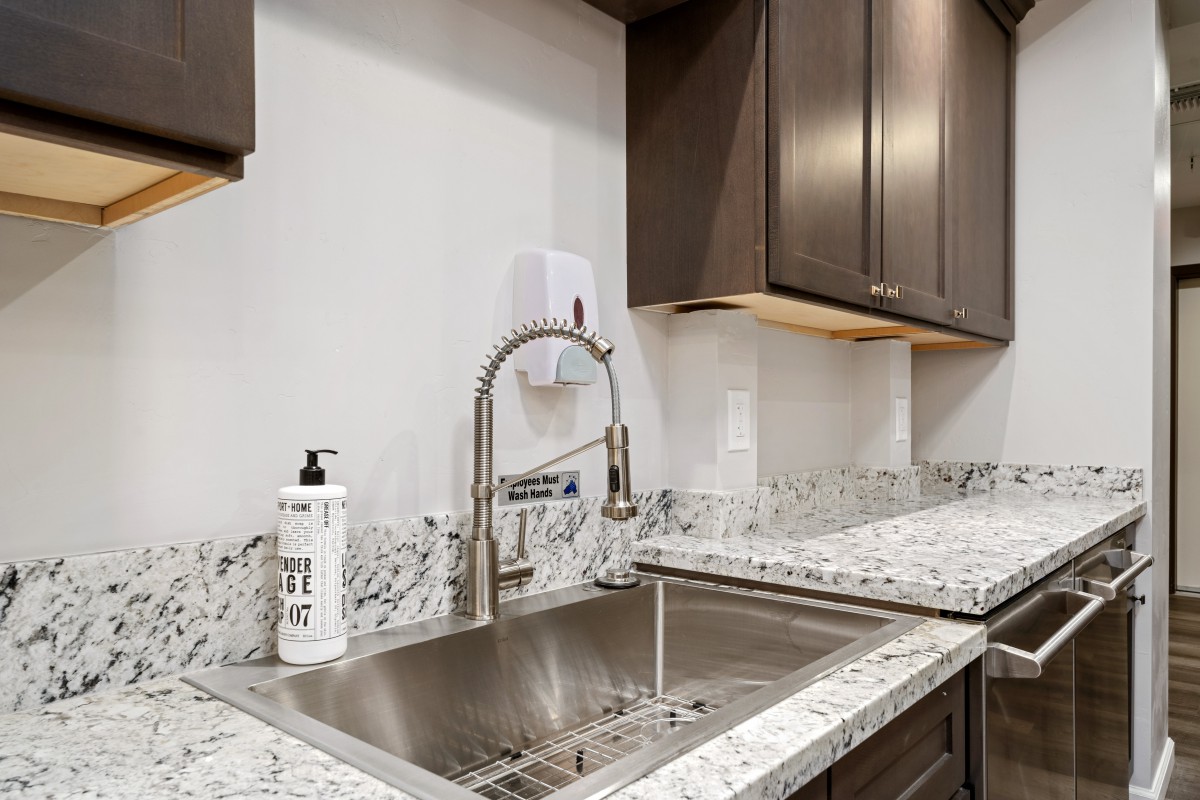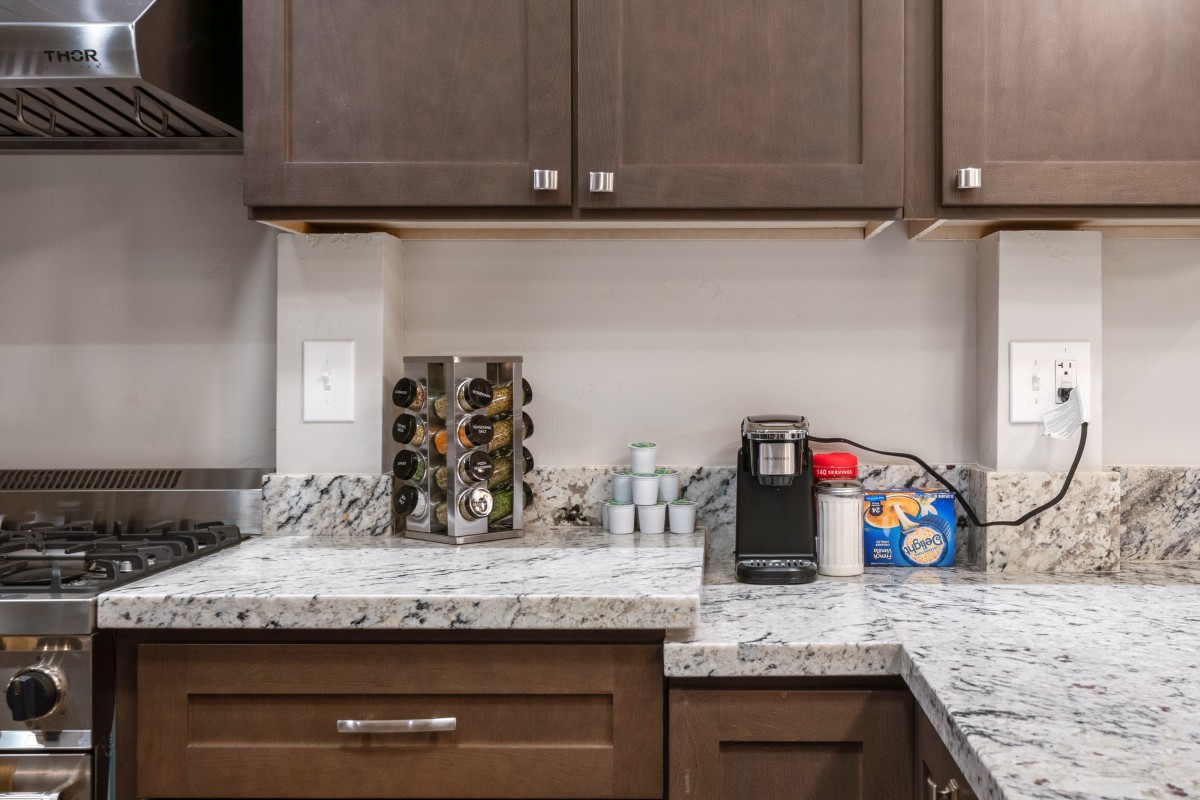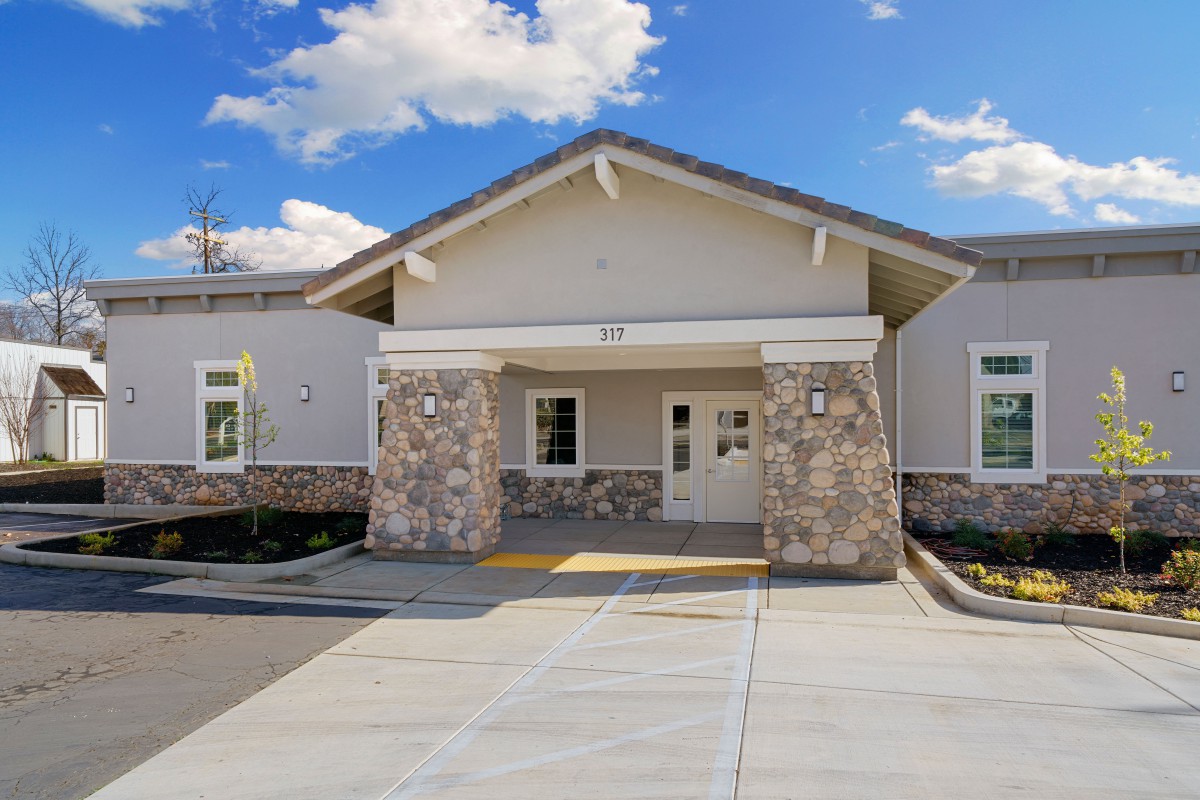






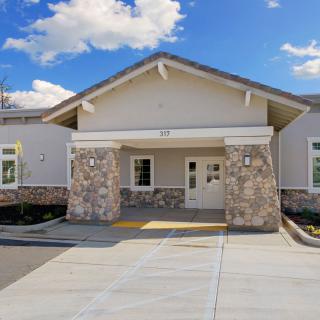




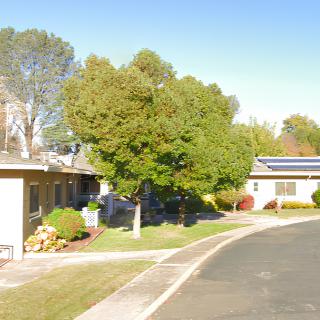
317 Natoma St, Folsom, CA 95630
To contact a resident: (916) 831-7972
For more information about senior living options: (866) 208-4318
Splendor Oaks Senior Living #5 Costs & Pricing
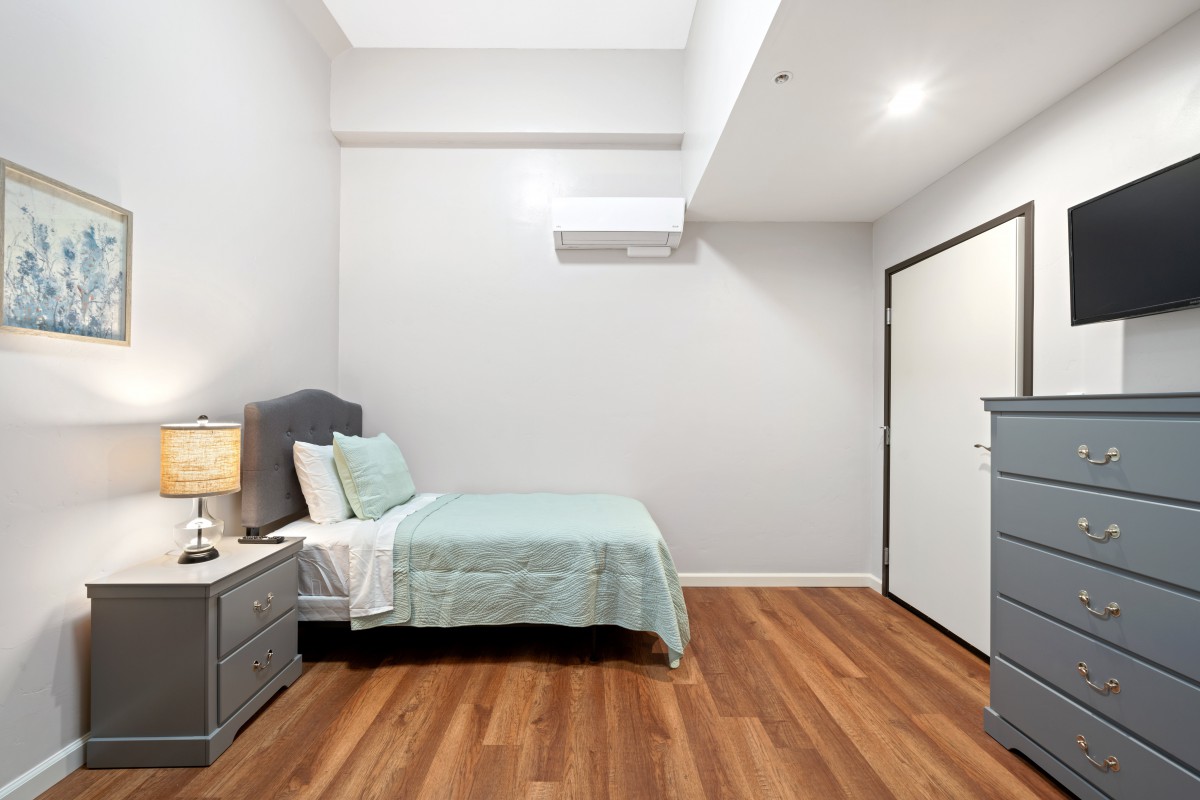
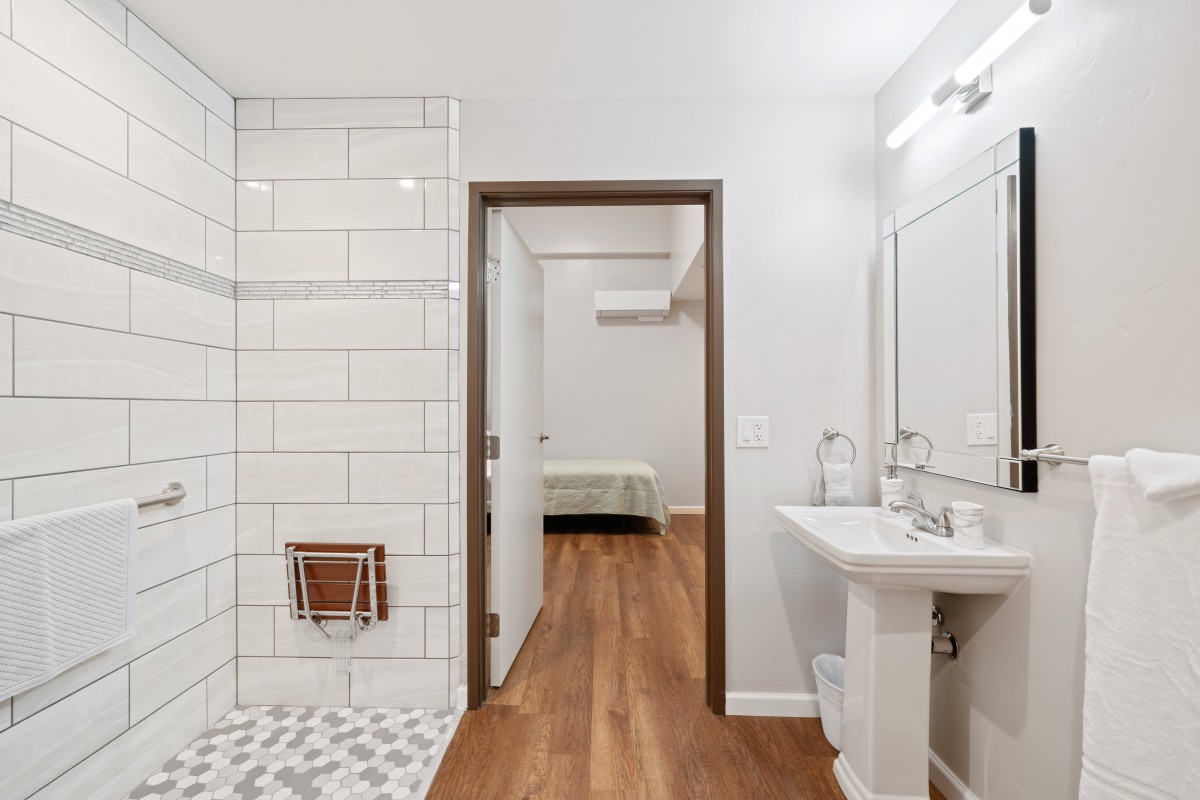
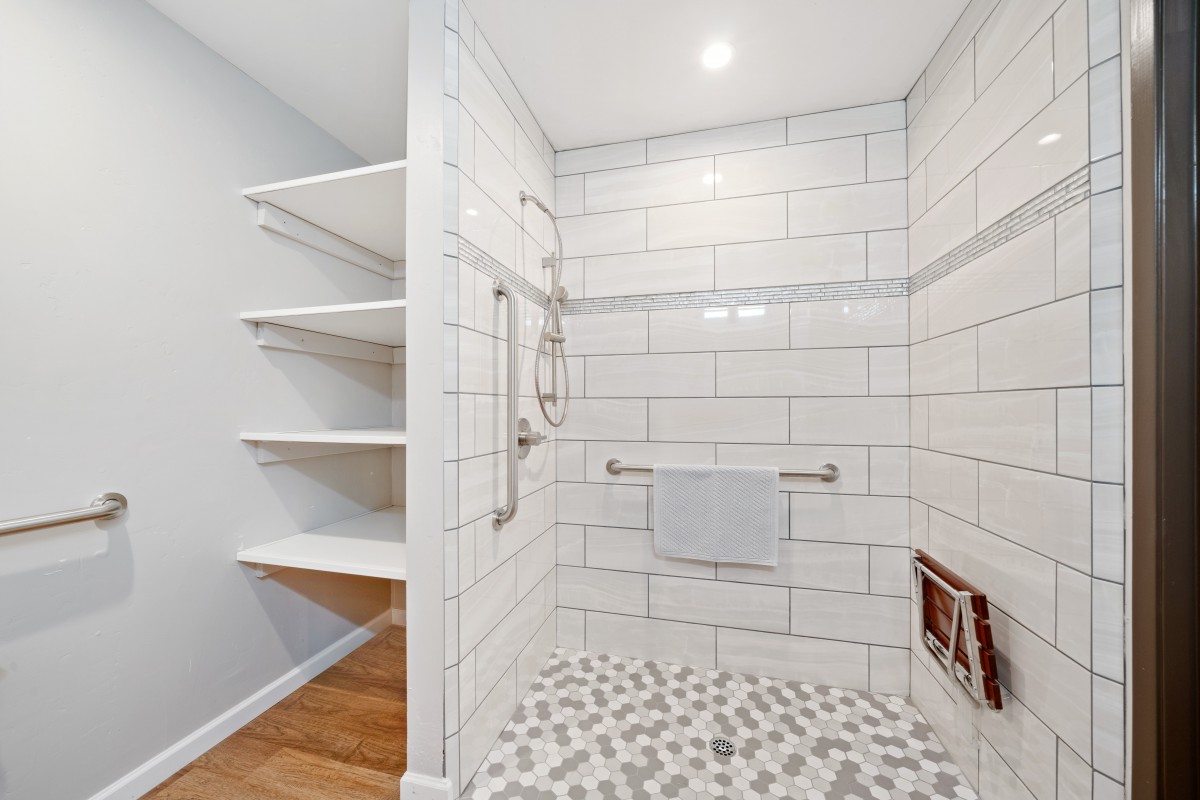
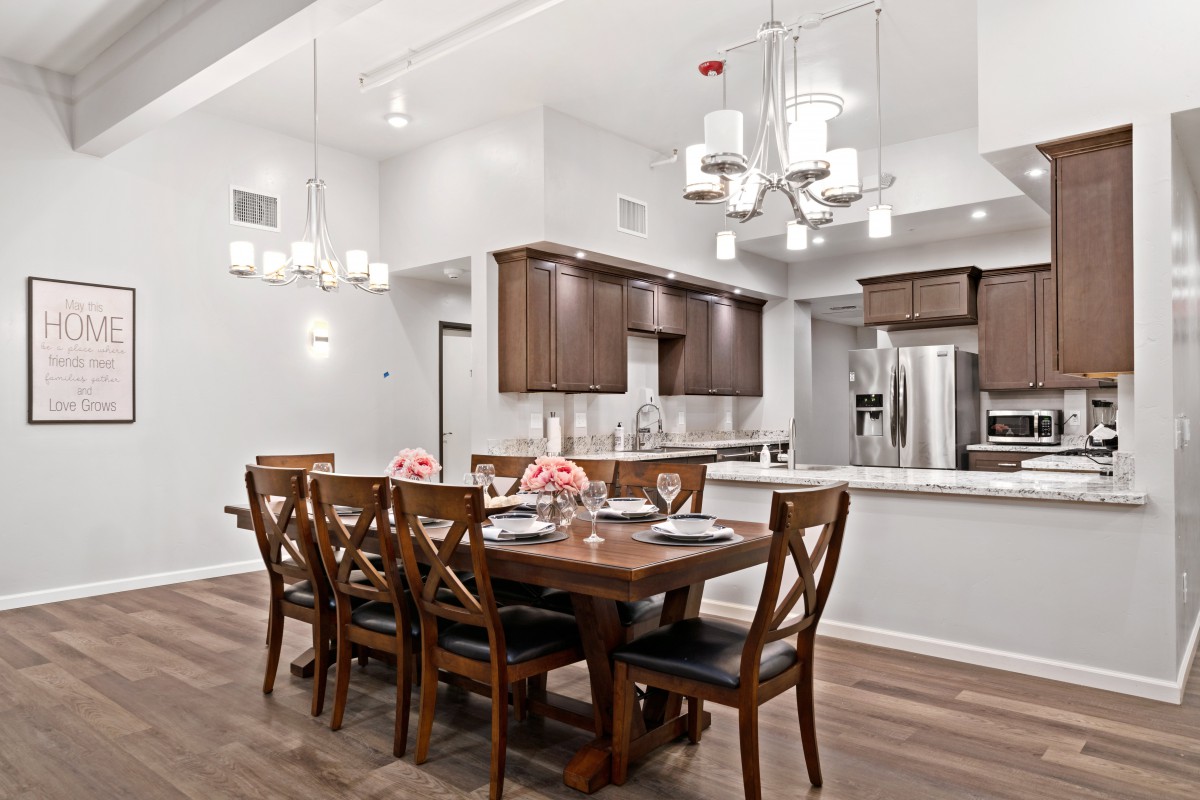
Splendor Oaks Senior Living #5 offers a one-bedroom unit at a monthly cost of $5,500, which is notably higher than both the average for Sacramento County, priced at $3,758, and the broader California state average of $4,340. This pricing reflects the community's commitment to delivering exceptional care and amenities tailored specifically for seniors. The additional investment may be attributed to enhanced services and facilities offered at Splendor Oaks, ensuring that residents enjoy not only comfortable accommodations but also a supportive and enriching living environment. While this rate exceeds local and state averages, prospective residents and their families might find value in the quality of care and lifestyle provided in this distinguished setting.
| Floor plans | Splendor Oaks Senior Living #5 | Sacramento County | California |
|---|---|---|---|
| 1 Bedroom | $5,500 | $3,758 | $4,340 |
Memory care communities with a similar price nearby
-
from -$1000 / mo
Sunriver Senior Care
$4,500 / month6.9 miles away -
from +$500 / mo
Par Place Senior Living
$6,000 / month9.2 miles away -
from -$700 / mo

Mountain View Senior Care
$4,800 / month9.2 miles away -
from -$501 / mo

Placer Starcare
$4,999 to $6,000 / month6.8 miles away -
from +$1000 / mo

Sunrise of Carmichael
$6,500 to $7,410 / month11.0 miles away
Overall Review of Splendor Oaks Senior Living #5
Pros
 Some staff members are nice.
- The community overall is clean.
- They seem to be doing a good job with the care.
- The meals are good.
Cons
 The staff prevented residents from communicating with their loved ones and monitored their phone calls.
- The Director was very unpleasant.
- They had a bad experience with the community.
- Residents have seen bugs in their apartments, and housekeeping could be improved.
- A decent number of staff members do not smile and are unapproachable.
- They never see any stimulating activities going on.
Review
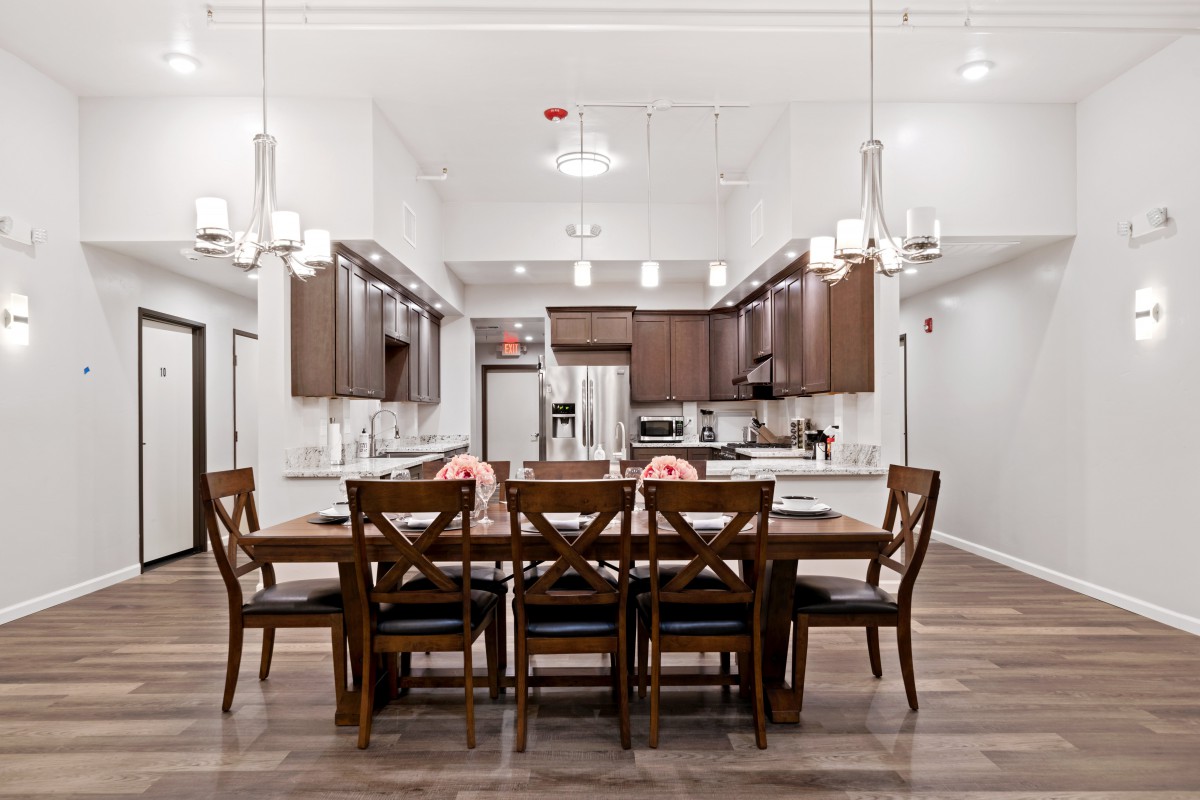
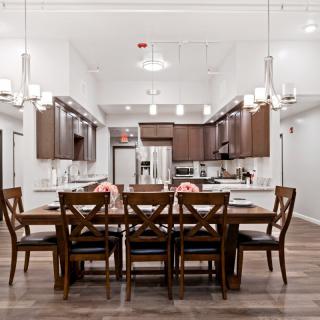
This community is best suited for seniors who want clean, straightforward living with dependable basic care and solid meals, and for families prepared to actively oversee communication and advocate for their loved ones. The environment reads as practical and orderly, with a focus on daily care and dietary satisfaction rather than high-intensity programming or concierge-level service. Residents who don’t require a bustling social calendar or a consistently warm staff vibe may find Splendor Oaks acceptable, particularly if family involvement is part of the care plan.
Those who should consider alternatives include seniors who rely on highly responsive staff, consistently upbeat interactions, or a robust, well-attended activity schedule. The experiences shared point to a gap in how staff engage with residents, some are approachable, others not, and to a director who can be unpleasant, which can erode confidence and comfort when needs arise. Families that prize transparent communication, prompt follow-through, and a collaborative, personable atmosphere will likely want to compare other options before committing.
On balance, the clearest pro is basic reliability: the facility is clean, meals are reportedly good, and care is being provided without obvious gaps in medical attention. These strengths do edge ahead of the most serious red flags only when paired with vigilant family oversight and a proactive care plan. The negatives, however, are consequential enough to tilt the decision toward caution. If staff interactions feel transactional or obstructive, and if a resident’s requests are routinely delayed or dismissed, the daily living experience can quickly become frustrating rather than reassuring. The quality of housekeeping also matters: reports of bugs in apartments suggest that cleanliness improvements are needed to sustain comfort over time.
The lack of visible, engaging activities is a meaningful downside for residents who value routine stimulation. A good meals program cannot fully compensate for a diminished social calendar, especially for those who thrive on meaningful daytime engagement. Additionally, the inconsistency in staff warmth and the sense that some personnel do not know residents’ names undermines trust. When residents cannot easily ask for help or feel they are being treated as individuals, the overall atmosphere shifts from supportive to impersonal, which is a critical consideration for families weighing long-term viability.
If the decision is to pursue Splendor Oaks, a practical plan is essential: arrange multiple visits at different times, request candid conversations with the director and front-line supervisors, and observe how staff respond to real resident needs. Inquire about a formal activity schedule, opportunities for resident input, and measures to improve staff visibility and approachability, such as name badges and consistent engagement during meals and daily routines. Clarify pest-control and housekeeping protocols, and probe whether the facility can customize care or adapt meal options to individual preferences and dietary restrictions. A trial stay or a clear exit option can also help determine if the environment improves with closer oversight.
In contrast, families may find stronger long-term alignment with communities that emphasize proactive communication, stronger staff-resident relationships, and a richer daily program. Facilities with documented responsiveness, transparent management, and a culture of smiling, approachable staff tend to deliver greater peace of mind and ongoing satisfaction. Splendor Oaks presents a serviceable option in the right circumstances, but its combination of communication gaps, occasional staff unfriendliness, and limited programming makes it a second-choice for those seeking warmth, consistency, and a lively day-to-day life. The decision hinges on how much weight is placed on reliable meals and clean spaces versus the imperative for consistently responsive, personable care.
 Assisted Living
 Memory Care
 Cats allowed
 Dogs allowed
 Activities on-site
 Devotional services off-site
 Indoor common areas
 Respite or short term stays offered
 Sacramento International (23 miles away)
 Ambulatory care
 Incontinence care
 Medication management
 Meals provided





 Engaging Memory Care Activities That Enhance Quality of Life
 When to Transition from Assisted Living to Memory Care: Key Indicators, Steps, and Finding the Right Community
 Understanding the Distinctions: Assisted Living and Memory Care Explained