For more information about senior living options: (844) 490-3973
5 from 3 reviews
5 stars
3
4 stars
0
3 stars
0
2 stars
0
1 stars
0
Board and Care HomeMemory Care
American River Home Care II Costs & Pricing
American River Home Care II offers competitive pricing for its residential care services compared to both Sacramento County and the broader California market. For those considering shared accommodations, the semi-private room is priced at $2,500 per month, significantly lower than Sacramento County's average of $3,106 and California's state average of $3,333. Similarly, their studio and one-bedroom units are priced at $3,500 each, which is more affordable than the county's averages of $3,865 and $3,758 respectively, as well as the higher state averages of $4,145 and $4,340. Even for private rooms, American River Home Care II remains cost-effective at $3,500 when contrasted with the county's average of $3,686 and California's typical charge of $3,939. This positions American River Home Care II as an appealing option for those seeking quality care without the financial strain often associated with such services in the region.
Floor plans
American River Home Care II
Sacramento County
California
Semi-Private
$2,500
$3,106
$3,333
Studio
$3,500
$3,865
$4,145
1 Bedroom
$3,500
$3,758
$4,340
Private
$3,500
$3,686
$3,939
Features
Types of Care
Board and Care HomeBoard and care homes provide a smaller, more intimate setting for seniors who require assistance with daily tasks but do not need the level of care offered by a nursing home. They offer personalized care, meals, and social activities in a homelike environment, ensuring that seniors receive individualized attention and support in their golden years.
Memory CareMemory care is crucial for seniors as it provides specialized support and services for individuals with dementia or Alzheimer's disease. These programs offer a safe and secure environment where residents receive personalized care, cognitive stimulation, and help with daily activities. Memory care helps seniors maintain their independence, quality of life, and dignity while also providing peace of mind for their families.
Amenities
Activities off-siteEngaging in off-site activities is crucial for seniors to maintain social connections, stay active, and stimulate their minds. It promotes overall well-being and helps combat feelings of isolation and loneliness.
Activities on-siteActivities on-site are important for seniors because they provide opportunities for socialization, mental stimulation, physical activity, and overall well-being. Engaging in activities can help seniors stay active, maintain their independence, and improve their quality of life.
Bath tubsBath tubs are important for seniors because they provide a safe and relaxing way to bathe, helping to prevent slips and falls while promoting independence and overall well-being.
Devotional services on-siteDevotional services on-site provide seniors with spiritual support and a sense of community, as well as an opportunity for reflection and guidance during their senior living experience. This can promote emotional well-being and connection to others, leading to a more fulfilling and enriching lifestyle in their later years.
Indoor common areasIndoor common areas are crucial for seniors as they provide a space for socialization, recreation, and community engagement, promoting overall well-being and reducing feelings of isolation and loneliness.
PrivatePrivacy is important for seniors as it allows them to maintain their independence, dignity, and sense of control over their own lives. It also gives them the space and freedom to relax, reflect, and engage in activities that bring them joy and fulfillment. Creating private spaces within senior living facilities is crucial for promoting overall well-being and quality of life.
Private bathroomsPrivate bathrooms are important for seniors in senior living communities because they provide independence, dignity, and comfort. Having a private bathroom allows seniors to maintain their personal hygiene routines without the need for assistance, promoting a sense of autonomy and privacy. Additionally, private bathrooms help prevent the spread of infections and provide a safe and clean environment for seniors to navigate safely.
Wi-Fi/high-speed internet availableWi-Fi/high-speed internet is important for seniors to stay connected with loved ones, access online resources, and participate in virtual activities to combat feelings of loneliness and isolation. It also allows them to easily manage healthcare needs, access entertainment, and engage in lifelong learning opportunities.
Transportation
Sacramento International (23 miles away)
Care Services
Incontinence careIncontinence care is essential for seniors to maintain their dignity, hygiene, and overall quality of life. By addressing incontinence issues promptly and effectively, seniors can enjoy a sense of independence and comfort in their daily activities.
Medication managementMedication management is crucial for seniors to ensure they are taking the right medications at the correct dosages and times. This helps prevent adverse drug interactions, reduces the risk of medication errors, and promotes overall health and well-being. Proactive management also allows for adjustments as needed based on changing health conditions or new prescriptions.
Dining
Gluten-freeGluten-free options are important for seniors as they are more prone to digestive issues and dietary sensitivities. Offering gluten-free meal choices in senior living communities can help improve their overall health and well-being.
Low / no sodiumLow/no sodium options are important for seniors because excessive sodium intake can lead to high blood pressure, heart disease, and other health issues commonly experienced by older adults. By choosing low/no sodium foods, seniors can better manage their health and reduce their risk of developing these conditions.
No SugarNo sugar diets are important for seniors because they can help prevent or manage chronic conditions such as diabetes, heart disease, and obesity. Sugar can also contribute to cognitive decline and inflammation in the body, so reducing sugar intake can lead to overall improved health and well-being in older adults.
VeganVegan diets can provide numerous health benefits for seniors, including lower risk of chronic diseases, improved digestion, and increased energy levels. Additionally, plant-based diets are often rich in essential nutrients that can support overall well-being and longevity in older adults.
Activities
Art classesArt classes are important for seniors because they provide a creative outlet, improve cognitive function, reduce stress and anxiety, promote socialization, and enhance overall well-being and quality of life.
Cooking classesCooking classes are important for seniors as they provide opportunities for social interaction, enhance cognitive skills, promote healthy eating habits, and boost confidence in the kitchen.
Day trips and outingsDay trips and outings are important for seniors as they provide opportunities for socialization, mental stimulation, physical activity, and a break from daily routines. These experiences can enhance overall well-being and quality of life for older adults living in senior communities.
Devotional activities on-siteDevotional activities on-site provide seniors with a sense of community, spiritual fulfillment, and emotional support, promoting overall well-being and a positive sense of purpose in their lives.
Educational speakers / life long learningEducational speakers and lifelong learning opportunities are crucial for seniors as they provide mental stimulation, promote social engagement, and contribute to overall well-being. Continuous learning helps seniors stay mentally sharp, build new skills, and maintain a sense of purpose and fulfillment in their lives. It also allows them to stay connected to the world around them and fosters a sense of community within senior living facilities.
KaraokeKaraoke provides seniors with a fun and social activity that can boost mood, confidence, and cognitive function. It encourages social interaction, physical movement, and creative expression, making it an important form of entertainment for senior living communities.
Live dance or theater performancesLive dance or theater performances are important for seniors because they provide opportunities for socialization, mental stimulation, and emotional engagement. These performances can help combat feelings of isolation and loneliness, while also offering a sense of connection to the arts and culture. Additionally, watching live performances can bring joy and create lasting memories for seniors in their later years.
Live musical performancesLive musical performances can provide seniors with a sense of joy, nostalgia, and connection. Music has the power to evoke emotions and memories, improve mood and cognitive function, and foster social interaction among seniors. It can also serve as a form of therapy and stress relief for older adults, making it an important activity to include in senior living communities.
Live well programs"Live well programs are essential for seniors as they provide opportunities for physical activity, social engagement, and mental stimulation, ultimately promoting overall health and well-being in later years."
Visiting chaplain or priestHaving a visiting chaplain or priest at a senior living community is important for seniors because it provides spiritual support, comfort, and guidance during a time of life that can be challenging and uncertain. Their presence can help seniors feel connected to their faith, find peace of mind, and cope with the emotional and mental struggles they may face in their later years.
Wine tastingWine tasting can be a fun and social activity for seniors, allowing them to engage their senses, learn about different varieties of wine, and potentially meet new friends. It also offers health benefits such as improved cognitive function and reduced risk of heart disease when consumed in moderation.
Description
American River Home Care II in Folsom, CA is a top-notch assisted living community specializing in memory care. Our dedicated staff provides comprehensive care services, including medication management, to ensure the well-being and comfort of our residents.
At American River Home Care II, we prioritize the engagement and happiness of our residents. Our community offers an array of amenities designed to enhance their quality of life. Residents can enjoy various activities right on-site, such as cooking classes, karaoke, and live performances ranging from dance and theater to musical acts. Devotional activities and educational speakers provide opportunities for personal growth and spiritual nourishment.
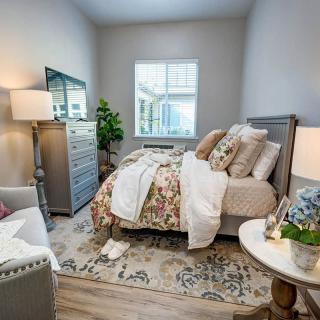
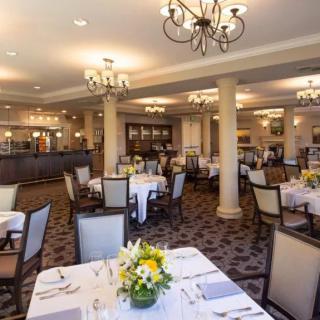
Our beautifully appointed indoor common areas provide comfortable spaces where residents can relax or socialize with fellow community members. The private accommodations feature private bathrooms and high-speed Wi-Fi internet access for seamless communication with loved ones.
Maintaining a healthy lifestyle is crucial at American River Home Care II. We offer low/no sodium dining options as well as diabetic-friendly and vegan meals to cater to specific dietary needs. In addition, our Live Well programs encourage residents to stay active and engaged in their well-being.
The surrounding neighborhood provides ample convenience with numerous cafes, parks, pharmacies, physicians' offices, restaurants, places of worship, theaters, and hospitals nearby. This ensures easy access to various services and amenities that facilitate an enriched lifestyle for our residents.
At American River Home Care II in Folsom, CA, we strive to create a warm and nurturing environment where individuals with memory impairments receive exceptional care while enjoying a fulfilling lifestyle.
Nearby Places of Interest
This part of Folsom, California offers a convenient and vibrant community for senior living. With several pharmacies nearby such as Rite Aid, CVS Pharmacy, and Walgreens, accessing necessary medications and healthcare services is easily accessible. There are also a variety of restaurants, cafes, and parks in the area providing opportunities for socializing and outdoor activities. Close proximity to hospitals like Mercy Hospital of Folsom and Kaiser Permanente ensures quick access to medical care if needed. Additionally, there are various physicians' offices in the vicinity including El Dorado Orthopaedics and Kaufman Plastic Surgery for any specialized healthcare needs. Places of worship like Lakeside Church offer spiritual support and community engagement, while theaters like Palladio 16 Cinemas provide entertainment options. Overall, this part of Folsom offers a well-rounded environment for senior residents looking for convenience, amenities, and access to healthcare services.
Pharmacies
Rite Aid (0.8 miles)
Biosrx (1 miles)
CVS Pharmacy (1 miles)
Walgreens (1 miles)
Walgreens (2.2 miles)
CVS Pharmacy (2.7 miles)
CVS Pharmacy (3.9 miles)
Restaurants
McDonald's (0.9 miles)
Chang's Mongolian Grill (0.9 miles)
Handel’s Homemade Ice Cream (1.1 miles)
Plank Craft Kitchen & Bar (1.2 miles)
Scott's Seafood Roundhouse (1.4 miles)
Red Bus Brewing Company (1.4 miles)
Posh Bagel (1.8 miles)
Cafes
Starbucks (1 miles)
Dutch Bros Coffee (1.2 miles)
Sociology Coffee Bar (1.4 miles)
T4 Tea For U (2.4 miles)
Temple Coffee Roasters (2.7 miles)
Starbucks (4.2 miles)
Selland's Market Cafe (5.4 miles)
Hospitals
Mercy Hospital of Folsom (1 miles)
Kaiser Permanente (2.9 miles)
Kaiser Permanente ASU (3.1 miles)
Physicians
El Dorado Orthopaedics (1.1 miles)
Donald Jonathan Clutter (1.1 miles)
Daniel J Cooper (1.1 miles)
Folsom Orthopaedic Surgery (1.1 miles)
Folsom Orthopaedics and Sports Medicine (1.2 miles)
American River Home Care II offers competitive pricing for its residential care services compared to both Sacramento County and the broader California market. For those considering shared accommodations, the semi-private room is priced at $2,500 per month, significantly lower than Sacramento County's average of $3,106 and California's state average of $3,333. Similarly, their studio and one-bedroom units are priced at $3,500 each, which is more affordable than the county's averages of $3,865 and $3,758 respectively, as well as the higher state averages of $4,145 and $4,340. Even for private rooms, American River Home Care II remains cost-effective at $3,500 when contrasted with the county's average of $3,686 and California's typical charge of $3,939. This positions American River Home Care II as an appealing option for those seeking quality care without the financial strain often associated with such services in the region.
American River Home Care II's medication management ensures that residents receive their prescribed medications on time and in the correct dosages, which is crucial for individuals with dementia or Alzheimer's disease who may struggle with memory. This structured approach minimizes the risk of missed doses or incorrect administration, supporting overall health and stability. Additionally, incontinence care is tailored to meet the specific needs of each resident, offering dignity and comfort during a challenging aspect of their daily lives. By providing personalized assistance in this area, caregivers help reduce anxiety and maintain a sense of well-being, allowing residents to focus on social engagement and cognitive stimulation rather than potential embarrassment or discomfort. Together, these features create an environment that fosters safety, trust, and quality of life for those living with memory impairments.
Nearby Communities
American River Home Care I
Folsom, CA
4.7 from 50 reviews
$3,500 to $4,000 / month
Specialized care (diabetic and incontinence) with on-site activities.
Memory care activities are essential for improving the quality of life of seniors with cognitive impairments, as they stimulate cognitive function, promote well-being, and encourage social interaction through tailored strategies. These activities combine structured exercises with spontaneous tasks, sensory engagement, physical workouts, creative pursuits, and intergenerational interactions to enhance emotional connection and a sense of purpose.
Transitioning from assisted living to memory care is driven by an individual's cognitive decline and specific needs, requiring careful evaluation of indicators like increased confusion and wandering. The process involves consulting medical professionals, researching suitable communities, considering financial and legal aspects, and ensuring effective communication for personalized care plans.
The article differentiates between assisted living and memory care, explaining that assisted living supports seniors with daily activities while promoting independence, whereas memory care provides specialized services for individuals with dementia, focusing on secure environments and cognitive support. It also addresses staff training, safety considerations, costs, family involvement, and transition strategies for families navigating these care options.