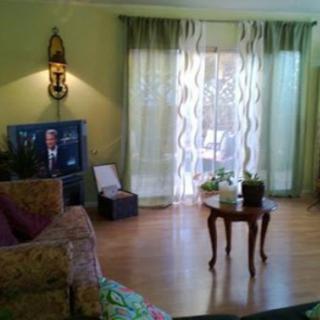
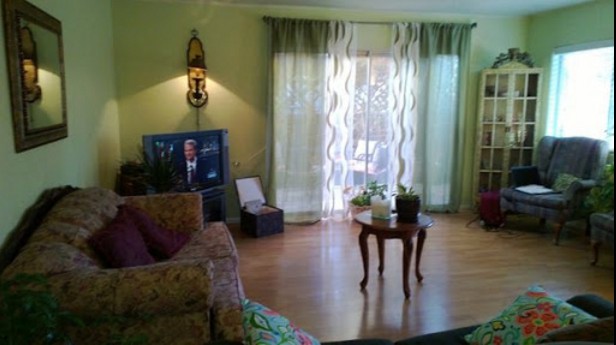
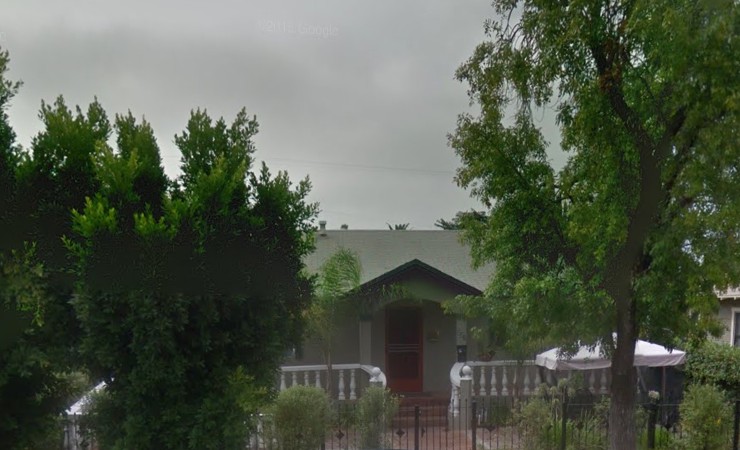
221 West 6Th Avnue, Escondido, CA 92025
For more information about senior living options: (866) 208-4318
Overall Review of North County Cottage
Pros
 They took excellent care of her.
- The Cottage staff is very caring and provides very good care.
- The family was never worried about her, especially during COVID times.
- The family is grateful for Edna, Sondra, and all who cared for her.
- The administrator made them feel at ease.
- The facility is very clean and has door alarms for safety.
- The staff are pleasant, professional, and unassuming.
- The Cottage welcomed her in immediately and provided care when needed.
Review
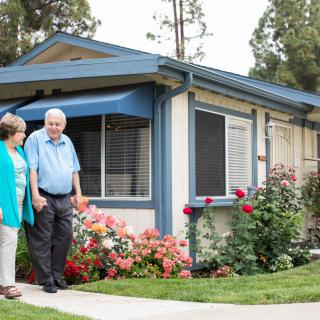
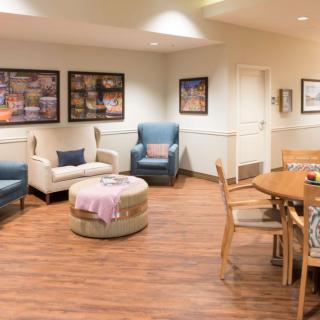
North County Cottage in Escondido is best suited for families seeking a small, home-like assisted living where staff know residents well, communicate consistently, and provide dependable daily care with a clear safety net. The community shines for seniors who benefit from a tight-knit atmosphere, prompt admissions when needs arise, and ongoing reassurance that someone is watching over their loved one with personal attention. From the governing team to front-line caregivers, families report steady, attentive care that translates into real peace of mind for relatives who want to stay connected and informed about day-to-day well-being.
Those who may want to consider alternatives include families prioritizing robust memory-care programs, expansive activity schedules, or on-site, round-the-clock medical nursing. If the plan calls for a larger campus with a broader menu of therapy options, specialized dementia services, or more extensive social programming, a bigger facility may offer a broader fit. Similarly, couples or residents who prefer very large private spaces or a wider range of private-room configurations might find the footprint and options here more limited than at larger communities. Pricing and room availability are important variables to verify up front, as those details are not fully spelled out in the available impressions.
The strongest positives are concrete and actionable. Careful attention from the staff is repeatedly highlighted, with families noting that staff members keep them in the loop whenever residents need attention. An administrator who inspires confidence adds a layer of steadiness that eases family nerves during transitions. Cleanliness and a tangible sense of order emerge as consistent themes, things are orderly, well-maintained, and the environment feels safe. A notable safety feature is the on-site door alarm, which, paired with staff oversight, contributes to a predictable daily rhythm where caregivers can step in promptly if concerns arise. It’s not merely a sense of safety; it’s the actual practice of frequent communication, visible oversight, and an environment where hygiene and organization matter.
The review set also reveals the practical trade-offs that families should weigh. The most explicit is the room configuration: residents have access to both shared and private options, with the latter described as available but not guaranteed; this means room choice and pricing require direct confirmation, particularly for families who know they must preserve privacy or accommodate couples. The absence of mention of a broad activity calendar, in-depth on-site medical services, or specialized memory-care programming suggests that this is a smaller operation where care is intensely personal but less expansive in scope than larger campuses. For some families, this is precisely the strength; for others, the limited breadth could feel constraining.
To navigate this decision effectively, tour and ask with a targeted lens. Inquire about exact room availability and costs for single versus shared configurations, and request a transparent sense of the process for admissions when immediate care is needed, as one family noted, the community welcomed their loved one promptly. Probe staff-to-resident ratios, how often families receive updates, and who serves as the primary point of contact for ongoing questions. Confirm what medical supports are on site, how therapies are coordinated, and what happens when higher-acuity needs arise. These specifics will clarify whether the intimate care model aligns with the resident’s health trajectory and family expectations.
Bottom line: North County Cottage delivers a practical, comforting option for families prioritizing a small, managed, and warmly staffed environment where cleanliness, safety, and dependable communication translate into real confidence. It excels for residents who flourish under personalized attention, quick admission when needed, and a steady, intimate daily routine. However, those seeking robust memory-care specialization, expansive activity programming, or broad medical services should actively compare larger, more resource-rich communities. For many families, the trade-off is worth it: a trustworthy, neighborly setting where caregivers treat residents like family, and where the question becomes less about “can they do everything” and more about “can they do what matters most here, consistently, and with heart.”
 13 resident community capacity
 Assisted Living
 Board and Care Home
 Cable or satellite TV
 Dining room
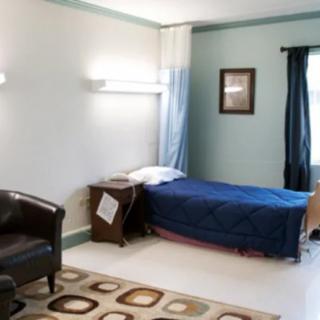
 Fully furnished
 Garden
 Housekeeping services
 Move-in coordination
 Outdoor space
 Telephone
 Wi-Fi/high-speed internet available
 MC Clellan-Palomar Airport (12 miles away)
 24-hour supervision
 Activities of daily living assistance
 Assistance with bathing
 Assistance with dressing
 Assistance with transfers
 Diabetes diet
 Meal preparation and service
 Medication management
 Special dietary restrictions
 Transportation arrangement (medical)
 Transportation to doctors appointments



 Assisted Living and Memory Care: Understanding Their Core Differences
 Beyond the Bingo Hall: 50+ Enriching Activities for Seniors in Assisted Living
 Understanding the Distinctions: Assisted Living and Memory Care Explained