
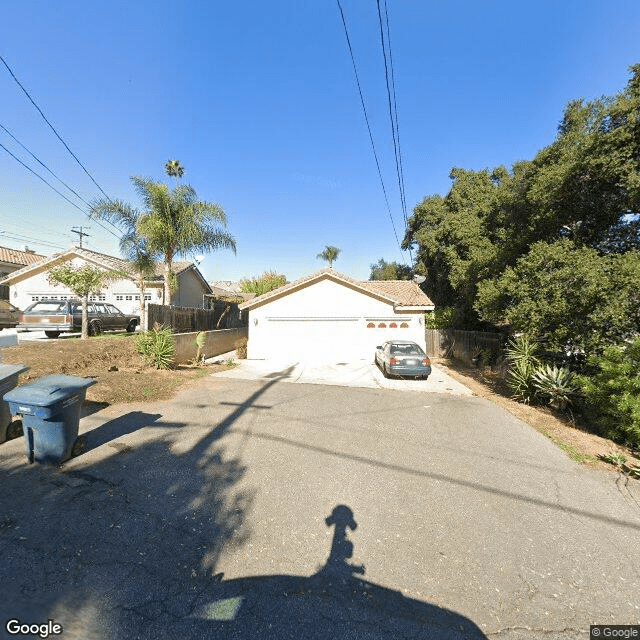
978 West 2Nd Avenue, Escondido, CA 92025
For more information about senior living options: (866) 208-4318
White Orchid Guest Home Costs & Pricing
White Orchid Guest Home offers competitive pricing compared to the broader market in San Diego County and across California. For semi-private accommodations, residents can expect to pay $3,000 per month, which is notably lower than the county average of $3,518 and also below the statewide average of $3,333. In terms of private rooms, the cost is set at $3,500, aligning with the county's average but still offering considerable value when contrasted with the higher rates seen throughout California, which also reach $3,939. This positioning not only reflects White Orchid's commitment to providing affordable living options but also highlights its appeal in a region where senior care costs can be significantly high.
| Floor plans | White Orchid Guest Home | San Diego County | California |
|---|---|---|---|
| Semi-Private | $3,000 | $3,518 | $3,333 |
| Private | $3,500 | $3,939 | $3,939 |
Assisted Living communities with a similar price nearby
-
from +$200 / mo

Wellspring Assisted Living
$3,200 to $4,000 / month22.6 miles away -
from +$500 / mo

Ramona Senior Lodge Assisted Living
$3,500 to $5,500 / month12.3 miles away -
from -$500 / mo

Golden Retreat - Senior Residential Care
$2,500 to $3,000 / month9.6 miles away -
from +$250 / mo
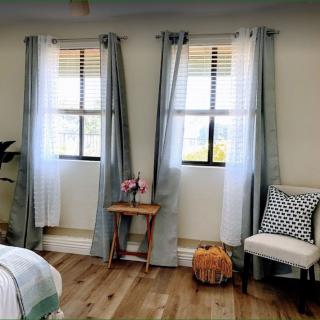
Mountain View Manor
$3,250 / month12.6 miles away -
About the same
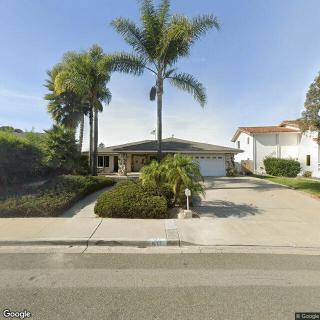
North La Costa Assisted Living
$3,000 / month9.2 miles away
Overall Review of White Orchid Guest Home
Pros
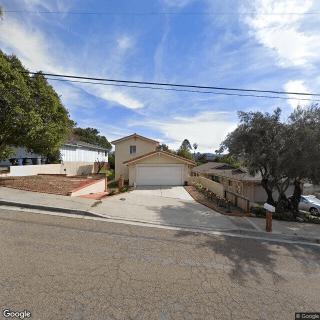
 They offer an impeccably clean and calm environment in a residential home with handicap accessibility.
- They maintain a small occupancy, enabling almost one-on-one care in a very loving environment.
- They provide home-cooked meals, exercise, showers, and laundry cleaning.
- They have a backyard with a flat level surface suitable for exercising and walking.
- Medical prescriptions are administered and delivered directly to the house.
- They care for long-term patients and outpatients needing rehab, with hardly any staff turnover signaling a well-run facility.
- There was never a time when the mom wasn’t receiving the best care possible; the caregivers are knowledgeable.
- The staff and owners are incredibly helpful and kind, and the home is sparkling clean with good-tasting meals.
Cons
 The only problem is the staff does not speak much English.
- There is a language barrier that makes it hard to understand the staff.
Review
White Orchid Guest Home in Escondido is best suited for families seeking a small, home-like dementia and hospice care setting where individualized attention, cleanliness, and a calm daily rhythm are the priorities. This community excels when a resident benefits from a intimate, one-on-one feel, house routines that resemble family life, and practical daily supports such as home-cooked meals, in-house laundry, and simple exercise opportunities. It works well for seniors with dementia who can thrive in a predictable, low-stress environment and for families who value direct access to caretakers and a sense that care is personalized rather than industrial.
Those who may want to consider alternatives include families needing broader medical staffing or more robust on-site nursing support. The small team structure, often described as a husband-and-wife operation with one additional caregiver, means fewer hands on deck than larger facilities. While that arrangement fosters warmth and consistency, it can be limiting for residents who require more intensive medical oversight, frequent skilled nursing visits, or rapid response to complex changes in health status. Language can also be a practical hurdle for some families; several reviewers note that staff do not speak English fluently, which can complicate communications during care planning and daily routines.
The strongest pros, exceptional cleanliness, a tranquil environment, and a genuine sense of care, partly offset these potential drawbacks. A residential home with handicap accessibility, a flat backyard for safe walking or light exercise, and an emphasis on home-style meals creates a dignified, less institutional atmosphere that can significantly reduce agitation and confusion for someone with dementia. Small occupancy supports close watchful care, and low staff turnover suggests a stable caregiving team that knows the resident’s preferences and routines. The ability to administer and deliver prescriptions directly to the home further reduces friction for families, while the staff’s reported knowledge and warmth foster trust and continuity of care. For families seeking a transition from hospital or a higher-stress setting, these elements provide real, tangible comfort.
Yet the cons deserve clear attention. The limited English fluency within the caregiving team can hinder straightforward communication, especially for families not proficient in the local language. The small household size, two residents at times, with a stated capacity of up to five, may limit opportunities for socialization and could feel restrictive to those who rely on a busier community or more varied activities. While residents receive attentive, personalized care, the model relies on a tight-knit staff rather than a broader professional network, which may be a mismatch for families prioritizing diverse therapy services, rapid escalation procedures, or frequent access to on-site nursing specialists.
Ultimately, the key pros strongly support choosing White Orchid when the priority is a serene, home-like setting where dementia care is performed with evident love and meticulous cleanliness, and where families want intimate engagement with caregivers. The cons, language barriers and a small, lean staff, are not insurmountable, but they do tilt the decision toward alternatives for those needing robust multilingual communication and a more expansive medical team. For families that value warmth, stability, and a highly individualized daily routine, White Orchid offers a compelling, practical solution. For others, a larger dementia-focused facility or a CMA-style home with more extensive nursing coverage may align better with expectations around medical oversight, language compatibility, and social programming.
 5 resident community capacity
 Assisted Living
 Board and Care Home
 Cats allowed
 Dogs allowed
 Activities off-site
 Bath tubs
 Cable or satellite TV
 Devotional services off-site
 Dining room
 Fully furnished
 Garden
 Housekeeping services
 Indoor common areas
 Move-in coordination
 Outdoor common areas
 Private
 Private bathrooms
 Telephone
 Wheelchair accessible showers
 Wi-Fi/high-speed internet available
 MC Clellan-Palomar Airport (11 miles away)
 24-hour supervision
 Ambulatory care
 Assistance with bathing
 Assistance with dressing
 Assistance with transfers
 Diabetes diet
 High acuity care
 Meal preparation and service
 Medication management
 Special dietary restrictions
 Transportation arrangement (medical)
 Transportation to doctors appointments





 Understanding the True Cost of Assisted Living in 2025: A Comprehensive Guide
 Understanding Medicaid Coverage for Assisted Living: A Comprehensive Guide
 How and When Medicaid May Cover Assisted Living Costs