
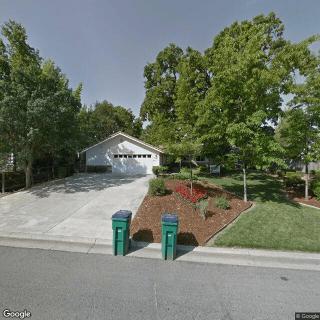
2896 Centerbury Circle, El Dorado Hills, CA 95762
For more information about senior living options: (866) 208-4318
Oakridge Senior Care Costs & Pricing
At Oakridge Senior Care, the monthly costs for various room types present a competitive alternative within both El Dorado County and the broader California market. For example, their two-bedroom accommodations are priced at $4,000, which is significantly lower than the county average of $5,186 and the state average of $5,270. In contrast, both semi-private and private rooms at Oakridge are offered at $4,000 and $5,000 respectively; these prices align more closely with local averages in El Dorado County but still provide savings compared to some options statewide. Particularly noteworthy is the pricing for one-bedroom units at $5,000, which exceeds the county's average ($4,502) yet remains above California's overall rate ($4,340). In summary, Oakridge Senior Care provides appealing pricing strategies that balance affordability with quality care across different accommodation types when compared to both county and state levels.
| Floor plans | Oakridge Senior Care | El Dorado County | California |
|---|---|---|---|
| 2 Bedrooms | $4,000 | $5,186 | $5,270 |
| Semi-Private | $4,000 | $3,046 | $3,333 |
| 1 Bedroom | $5,000 | $4,502 | $4,340 |
| Private | $5,000 | $3,680 | $3,939 |
Assisted Living communities with a similar price nearby
-
from +$500 / mo
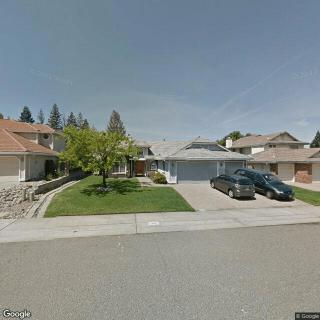
Montclair Villa
$4,500 / month9.5 miles away -
from +$500 / mo
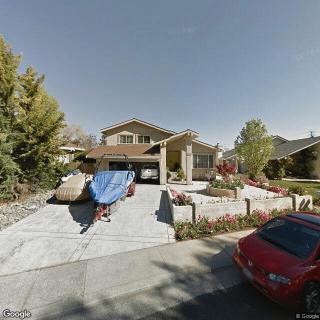
Sunriver Senior Care
$4,500 / month10.9 miles away -
from +$150 / mo
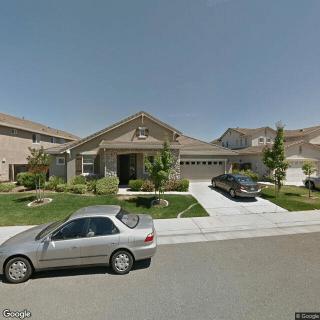
Ferrari
$4,150 to $5,500 / month17.1 miles away -
from +$500 / mo
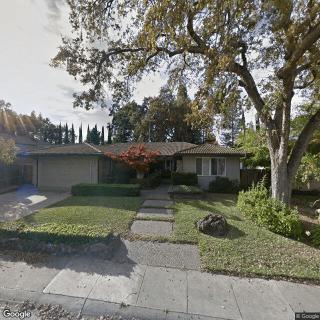
Century Care Home
$4,500 / month9.5 miles away -
About the same
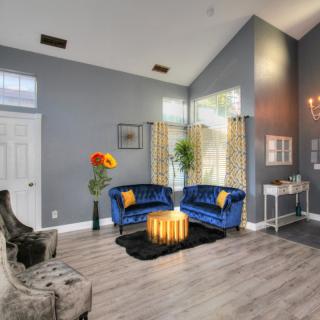
A Bright Future
$4,000 / month15.7 miles away
Overall Review of Oakridge Senior Care
Pros
 The residents are lovingly treated with great attention to their individual needs.
- Juliette is described as kind, caring, and proactive in keeping families informed.
- Juliette is an excellent cook who goes out of her way to prepare meals residents enjoy.
- The facility feels like a true home environment, offering warmth and comfort.
- The caregivers are perceived as friends by residents, creating close bonds.
- The staff and owners genuinely care about tenants' well-being and go above and beyond.
- The facility hosts memorable celebrations, such as special birthday parties with music and thoughtful touches.
Cons
 There were no security measures in place, allowing a dementia patient to wander off and be found blocks away.
 - The reviewer was told that on-duty staff sleep at night and that no one is awake at all times, indicating poor supervision.
- The “special rate” was increased by $400 after only five months, which felt unjustified.
- Rent was increased by almost $1,000 with little notice, after the father’s passing.
- The father’s wallet disappeared, and management offered conflicting answers, showing a lack of clear communication.
- After a death, belongings could disappear, and the reviewer advised sealing the room with the Coroner to prevent loss.
- The facility’s sign was criticized as making no sense, undermining trust.
Review
Oakridge Senior Care in El Dorado Hills is best suited for families seeking a small, home-like setting where seniors receive highly personalized attention and meals crafted with care. It works well for residents who value daily routines, intimate interactions with a dependable caregiving team, and the sense of belonging that comes from caregivers who feel more like family than staff. The environment particularly appeals to loved ones managing dementia or hospice needs who still crave meaningful engagement and a warm, social atmosphere. Those who require stringent medical oversight, aggressive security measures, or fixed, predictable pricing should consider alternatives that emphasize clinical protocols and tighter financial controls.
Reviews consistently highlight the warmth: caregivers are described as loving and attentive, with Juliette repeatedly praised for kindness, clear communication, and cooking. Families note that staff inform them regularly about their loved ones’ status and needs. The “home” vibe extends to everyday rituals where meals become social moments, residents are greeted by name, and celebrations, and even the simplest tasks, reinforce a sense of belonging. The owners are portrayed as genuinely invested, willing to go the extra mile and tailor arrangements to individual needs, which can translate into real confidence for families facing tough decisions.
However, safety and financial concerns puncture the otherwise comforting narrative. A dementia resident wandering off raised urgent questions about perimeter monitoring and security, underscoring gaps some reviewers perceived in safeguards. Accounts describe at-night staffing as not fully awake, a factor that unsettles families relying on continuous oversight. Financial dynamics also stirred unease: promises of special rates shifted, notices of rent increases arrived with insufficient predictability, and reimbursements after a loved one’s passing were disputed. A missing wallet post-mortem amplified concerns about internal processes and communication. An Ombudsman review flagged policy gaps, and one reviewer found the signage confusing, contributing to a sense that expectations were not consistently aligned with reality.
Yet the positives tend to offset these liabilities for many families. The same personalized attention that makes meals and daily care feel individualized also sustains meaningful social connection and emotional well-being, reducing the burden on families trying to manage everything at home. When safety issues arise, the facility’s responses, adding alarms and engaging with families, signal a willingness to address problems rather than ignore them. In a setting where residents are treated as neighbors and guests, the emotional dividends can be substantial: less isolation, more purpose, and a daily rhythm that honors dignity. For families prioritizing quality of life and relational care, Oakridge can feel like a reliable, caring home.
Still, risks and limits matter. For households needing rigorous security, guaranteed 24/7 awake staffing, or transparent, stable pricing with predictable notice periods, exploring other communities may be warranted. Dementia care programs that emphasize highly structured environments, stricter controls, and comprehensive financial governance can offer peace of mind that Oakridge may not guarantee. The key is to align expectations with actual practices: ask about night staffing patterns, security protocols, how incidents are documented, and how rate changes are communicated and justified before committing.
Bottom line: Oakridge Senior Care delivers a compelling blend of homelike warmth, attentive caregiving, and a celebratory life that resonates with families seeking a true sense of home for an elder loved one. It may not be the right fit for those who need uncompromising security, absolute financial predictability, or ultra-clinical oversight. Prospective families should schedule a thorough tour with direct questions about safety measures, staffing at night, billing practices, and pathways for escalation if concerns arise. When the match is right, Oakridge offers a practical, compassionate alternative to home care that can dramatically improve daily life for residents and reduce caregiver stress for families.
 6 resident community capacity
 Assisted Living
 Board and Care Home
 Cable or satellite TV
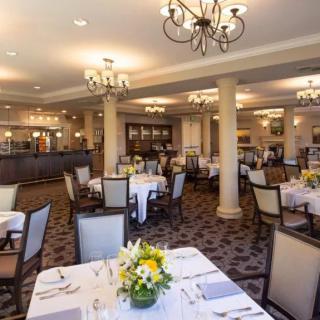
 Dining room
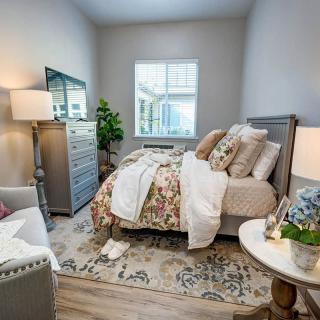
 Fully furnished
 Garden
 Housekeeping services
 Move-in coordination
 Outdoor space
 Telephone
 Wi-Fi/high-speed internet available
 24-hour supervision
 Activities of daily living assistance
 Assistance with bathing
 Assistance with dressing
 Assistance with transfers
 Diabetes diet
 Meal preparation and service
 Medication management
 Special dietary restrictions
 Transportation arrangement (medical)
 Transportation to doctors appointments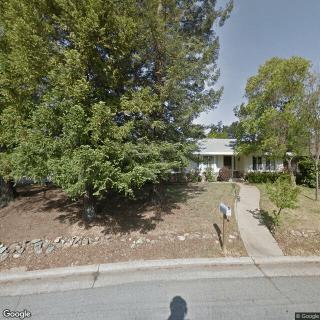

 When to Transition from Assisted Living to Memory Care: Key Indicators, Steps, and Finding the Right Community
 Assisted Living and Memory Care: Understanding Their Core Differences
 Beyond the Bingo Hall: 50+ Enriching Activities for Seniors in Assisted Living