
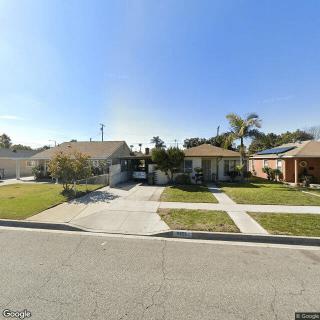
8726 Dorian Street, Downey, CA 90242
For more information about senior living options: (866) 208-4318
C H 6 Residential Care For Elderly Costs & Pricing
C H 6 Residential Care for Elderly offers a competitive monthly rate of $3,240 for private rooms, which stands out favorably when compared to the broader market. Within Los Angeles County, the average cost for similar accommodations is notably higher at $4,197 per month, indicating a substantial savings for residents choosing C H 6. Furthermore, statewide averages in California reflect costs around $3,939, still surpassing those at C H 6. This pricing structure suggests that C H 6 not only provides quality care but also represents an attractive and affordable option for families seeking residential care solutions in a densely populated and often expensive region.
| Floor plans | C H 6 Residential Care For Elderly | Los Angeles County | California |
|---|---|---|---|
| Private | $3,240 | $4,197 | $3,939 |
Assisted Living communities with a similar price nearby
-
from +$260 / mo
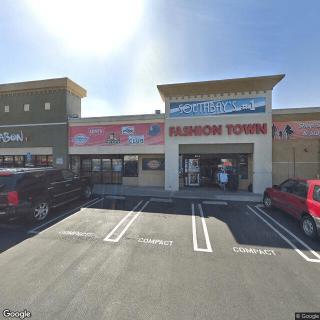
Kind Heart Home Care VI
$3,500 to $5,000 / month10.7 miles away -
from +$260 / mo
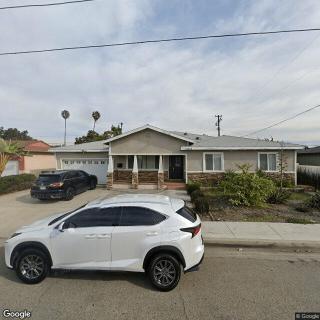
Loving Home Care
$3,500 to $4,500 / month12.9 miles away -
About the same

Bella Manor II
$3,300 to $4,290 / month7.0 miles away -
from -$440 / mo
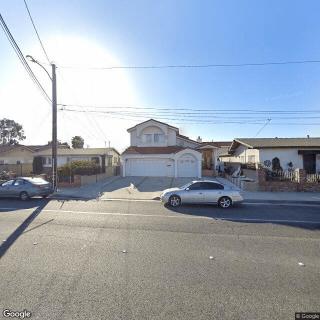
Leah Loving Elderly Care
$2,800 to $3,000 / month17.8 miles away -
from -$540 / mo
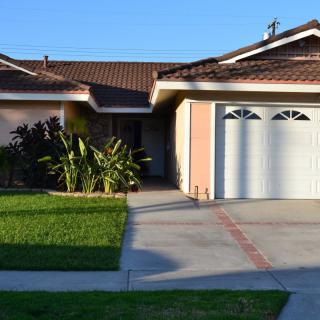
Loving Care Senior Home
$2,700 to $3,500 / month18.0 miles away
Overall Review of C H 6 Residential Care For Elderly
Pros
 The Villa consistently demonstrates professionalism and exceptional patient care.
- The facility is clean and well maintained, with patients receiving attentive care.
- The care team, including David, Isaac, and Corrine, is easy to work with and highly responsive.
- Families are involved in care plans and receive thorough support and counseling from the hospice team.
- The staff go the extra mile to keep residents comfortable.
- The owner, David Kim, is devoted and works tirelessly to ensure patient comfort.
Cons
 The previous hospice was not supportive or helpful.
Review
This Downey residential care home is best suited for families seeking an intimate, hands-on environment where care is deeply personal and transparency is non-negotiable. It suits seniors who benefit from unusually responsive communication, a clean, home-like setting, and proactive involvement in care planning, especially when hospice or palliative support is anticipated. The model works best for households that value a small, family-run ethos, where staff and leadership are accessible, and where keeping families informed and engaged is part of the daily routine.
Those who may want to consider alternatives include families needing robust, hospital-grade nursing oversight or specialized memory care programs. Larger assisted living campuses with on-site nursing staff, dedicated dementia units, and broader medical consulting networks can offer more formalized 24/7 clinical coverage and a wider array of medical therapies. If a continuum of care with multiple levels under one umbrella is a priority, or if complex medical case management is expected to be constant, exploring other options may be prudent.
The strongest positives center on cleanliness, dignity, and highly responsive care. The facility presents as well-maintained and recently refreshed, with residents kept comfortable and well-attended. Staff are described as professional and easy to work with, with prompt answers to calls and messages. Family involvement is not merely welcomed but prioritized, with care plans and needs being clearly communicated and regularly updated. The owner and leadership, evidenced by dedicated hands-on involvement, instill trust through consistent, transparent operations.
Critically, the care team’s willingness to go the extra mile offset potential limitations inherent in a smaller setting. The reviews repeatedly highlight relentless attention from the owner and staff, including around-the-clock availability during hospice moments and a commitment to comfort. Counseling, problem-solving, and practical support with medications and supplies are cited as hallmarks of service. In short, the human element, clarity, compassion, and direct access to leadership, transforms what could be a modestly scaled operation into a highly reliable, person-centered program.
Another key strength lies in hospice-oriented support. Families report that the team keeps everyone in the loop, navigates the emotional and logistical terrain with patience, and provides meaningful guidance during difficult phases. This is not a perfunctory feature; it appears to be embedded in daily practice, with generous attention to family dynamics and the resident’s evolving needs. The result is a rhythm of care that feels both intimate and professional, an important advantage for households confronting end-of-life decisions or daily palliative realities.
Ultimately, the decision comes down to fit and expectations. For families prioritizing a warm, highly involved, and communicative environment with strong hospice coordination, this Downey home stands out as a top option. The combination of cleanliness, accessibility of leadership, and a philosophy of transparent care creates a compelling case for placement here. If, however, the plan requires expansive clinical staffing, advanced memory-care infrastructure, or a broader continuum of medical services under one roof, exploring alternatives will be wise. A visit to observe the staffing dynamic, tour the renovated spaces, and speak directly with the owner will reveal whether this exists as the most practical, reassuring choice for a loved one.
 4 resident community capacity
 Assisted Living
 Board and Care Home
 Cable or satellite TV
 Dining room
 Fully furnished
 Garden
 Housekeeping services
 Move-in coordination
 Outdoor space
 Telephone
 Wi-Fi/high-speed internet available
 Long Beach (Daugherty) (6 miles away)
 24-hour supervision
 Activities of daily living assistance
 Assistance with bathing
 Assistance with dressing
 Assistance with transfers
 Diabetes diet
 Meal preparation and service
 Medication management
 Special dietary restrictions
 Transportation arrangement (medical)
 Transportation to doctors appointments


 Funding and Affording Assisted Living: A Thorough Overview
 Assisted Living Expenses and Long-Term Care Insurance: A Comprehensive Exploration
 Securing Financial Support for Assisted Living: A Comprehensive Overview