
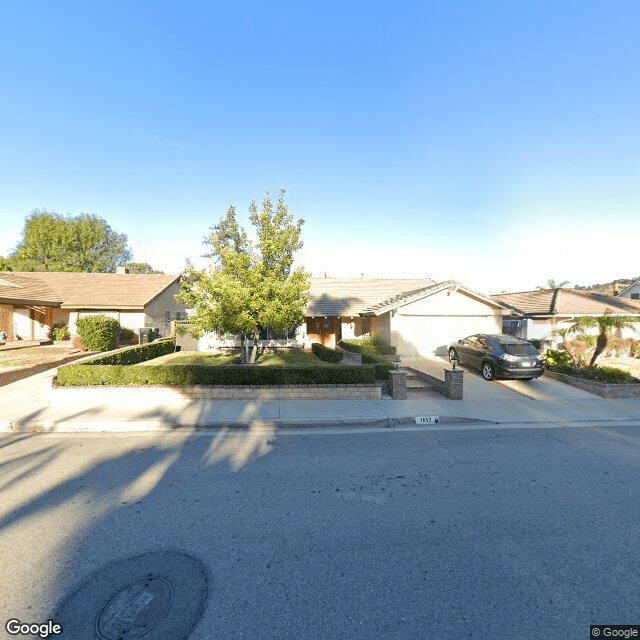
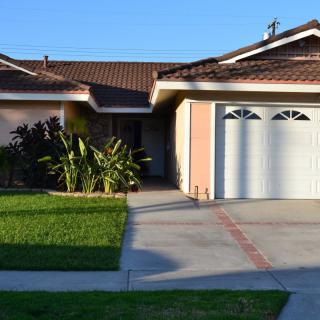
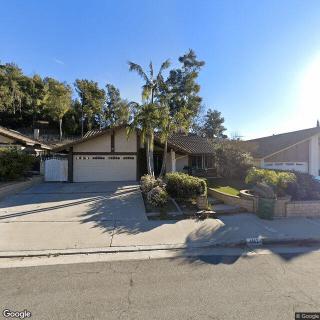
1652 Maple Hill Rd, Diamond Bar, CA 91765
To contact a resident: (909) 721-4705
For more information about senior living options: (866) 208-4318
Diamond Bar RCFE Costs & Pricing
Diamond Bar RCFE offers a competitive rate for private rooms at $2,500 per month, significantly lower than the average costs in both Los Angeles County and California as a whole. In Los Angeles County, the average monthly cost for similar accommodations is approximately $4,197, while statewide rates hover around $3,939. This discrepancy highlights Diamond Bar RCFE's commitment to providing high-quality care at a more accessible price point, making it an attractive option for families seeking affordable residential care facilities. The lower cost combined with quality services positions Diamond Bar RCFE as a valuable choice in the landscape of senior living options.
| Floor plans | Diamond Bar RCFE | Los Angeles County | California |
|---|---|---|---|
| Private | $2,500 | $4,197 | $3,939 |
Senior living communities with a similar price nearby
-
from +$125 / mo

Berryman Health Inc
$2,625 to $3,050 / month10.9 miles away -
from +$300 / mo
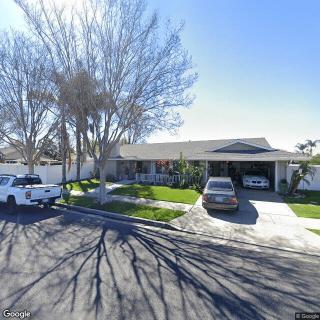
Candlewood Care Home III
$2,800 to $3,400 / month17.4 miles away -
from -$100 / mo
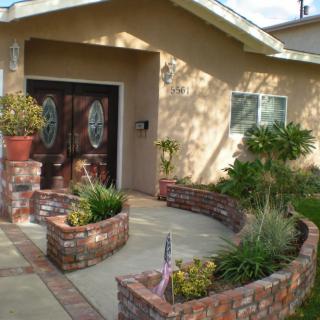
Living Well Care Home
$2,400 to $3,200 / month21.7 miles away -
from +$300 / mo
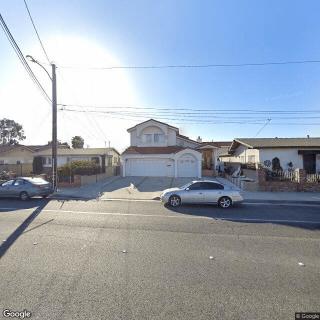
Leah Loving Elderly Care
$2,800 to $3,000 / month20.7 miles away -
from +$200 / mo
Loving Care Senior Home
$2,700 to $3,500 / month22.1 miles away
Overall Review of Diamond Bar RCFE
Pros
 The staff took excellent care of her.
- They went over and beyond for her.
- The facility is described as loving, caring, and welcoming.
- The caregivers and staff feel like a second family to residents.
- The owners and caregivers are viewed as an extension of the family.
- The care helped improve the resident's strength and cognition.
- The team encourages walking and engaging residents in conversation to support wellbeing.
Cons
 The owner is described as greedy, paying full-time caregivers minimum wage and offering limited night hours, which supposedly violates labor laws if they must stay the whole time.
- The owner is accused of treating his female caregivers like garbage.
- It is suggested that supporting the facility equates to supporting almost the equivalent of free labor.
- There is claimed to be no time-and-a-half pay for holidays.
- The facility is noted as having been shut down.
Review
Diamond Bar RCFE is best suited for families that want a warm, hands-on, family-style living environment for a loved one who benefits from constant supervision, regular social engagement, and deeply attentive daily care. The strongest signal from the community’s reviews is a proven culture of genuine warmth: owners and caregivers are described as an extended family, with staff welcoming visitors and treating residents as if they were their own. This is a place where encouragement and conversation surface quickly, where staff routinely help with mobility and cognitive cues, and where daily life centers on meaningful interaction rather than bureaucracy. For seniors who want to stay active, remain socially connected, and receive vigilant personal support, Diamond Bar RCFE delivers a compelling, emotionally resonant fit.
That said, certain realities warrant careful consideration before choosing this community. The strongest caveat is a single review alleging questionable wage practices and labor conditions, suggesting that a business model relied on minimal overtime and suppressed holiday pay. Coupled with a claim that the facility was ultimately shut down, these points raise questions about long-term stability and the potential risk of abrupt disruption. While the overwhelmingly positive sentiment about care quality cannot be dismissed, families must weigh the emotional benefits against concerns about staffing sustainability and the facility’s business trajectory. For families prioritizing ironclad continuity of care or those with heightened medical complexity, alternative options with clearer stability or more regulated staffing structures may be prudent.
The core pros, deep caregiver engagement, a sense of family, and proactive care, are not merely nice-to-have; they appear to move practical outcomes. Residents reportedly improve in strength and cognition through assisted walking and daily conversations that stimulate memory and engagement. Medication management is praised as collaborative, with families noting successful medication reviews with doctors that reduced pill burden and potentially improved quality of life. This level of personalization, paired with the “second family” atmosphere, helps counterbalance the inherent limits of a smaller facility: intimate attention, fewer layers of administration, and visible staff investment in each resident’s daily happiness. In short, the emotional and developmental gains presented by the staff can offset a variety of ordinary RCFE headaches when a resident thrives on routine, familiarity, and direct caregiver contact.
The reviews also illuminate practical strengths worth aligning with real-world needs. Families repeatedly describe a welcome-through-the-door experience that translates into consistent companionship for residents, not just custodial care. The emphasis on encouraging movement, engaging residents in conversations, and adapting activities to individual abilities points to a model that goes beyond basic supervision. For loved ones who require 24-hour oversight but do not need intense medical intervention, this is a natural fit. The sense that owners and staff act as co-guardians of a resident’s well-being becomes a meaningful factor when evaluating where a loved one will flourish emotionally and socially, which often correlates with slower cognitive decline and more robust daily function.
There is value in a disciplined due-diligence phase that translates the warmth into sustainable peace of mind. Prospective families should verify licensing status and request recent inspection summaries to confirm compliance, as well as solicit candid updates about staff tenure and turnover. Ask how frequently medication regimens are reviewed, what the transition plan looks like if a resident’s needs increase, and how the community handles holidays and staffing coverage. Given the concerns raised about wages and long-term viability, independent conversations with current staff, former employees, and local regulators can illuminate whether the care culture is supported by a stable operation. A visit should include unstructured time with caregivers, as well as a clear outline of daily schedules, safety features, and the resident-to-staff ratio in practical terms.
Ultimately, Diamond Bar RCFE stands out for families who prize an atmosphere of heartfelt connection and daily, tangible progress in a loved one’s well-being. The environment described by families, where residents feel valued, engaged, and looked after as part of a larger, caring family, can be a decisive influencer when quality of life is the top criterion. Yet the decision cannot ignore the red flags raised in one account concerning compensation practices and potential business instability. For families, the prudent course is clear: pursue Diamond Bar RCFE if the preference is for intimate, affection-forward care and proven activity-based support, but couple that choice with rigorous verification of staff stability and company longevity, and prepare contingency plans if the business scenario changes. In the right circumstances, this community delivers exceptional, person-centered living; in others, a more stable or medically oriented option may be a safer fit.
 Board and Care Home
 Activities off-site
 Devotional services off-site
 Indoor common areas
 Outdoor common areas
 Private
 Private bathrooms
 Respite or short term stays offered
 Swimming pool / hot tub
 Wheelchair accessible showers
 Ontario International (13 miles away)
 Ambulatory care
 Diabetic care
 High acuity care
 Incontinence care
 Meals provided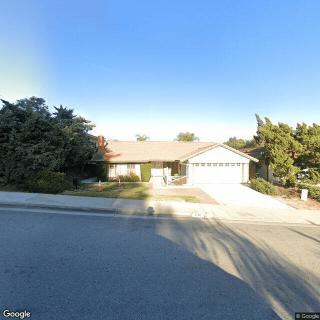

 Nurturing Our Loved Ones: A Daughter's Journey in Caring for Her Mother
 Nurturing Our Elders: Linda's Journey of Supporting Her Mother
 A Comprehensive Exploration of Common Misunderstandings about Powers of Attorney