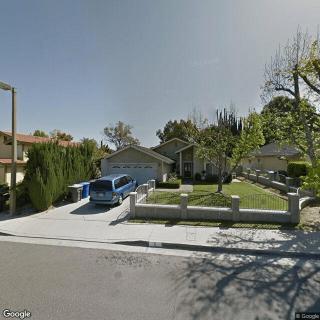
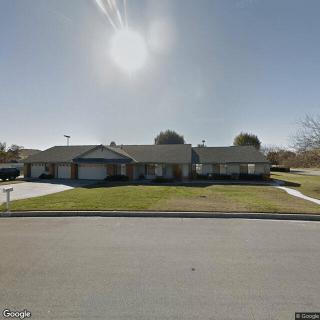
Olive Vista Behavioral Health Center in Pomona, CA

Information last verified:

2335 South Towne Avenue, Pomona, CA 91766

For more information about senior living options: (844) 490-3973

2.5 from 21 reviews
5 stars
6
4 stars
2
3 stars
0
2 stars
2
1 stars
11

Overall Review of Olive Vista Behavioral Health Center

Pros

  • pro It is a great place to receive mental health help.
  • pro The staff are kind and make patients feel important.
  • pro The program helps individuals and leads to noticeable positive changes.
  • pro The son loves the place, and the food is great; he will miss it when he steps down.
  • pro The program offers weekday mental health classes.
  • pro Families have supervised visits, and restaurant food is allowed.
  • pro The staff are friendly and helpful.

Cons

  • pro The facility is described as a scam, with staff asleep on couches at night and unaware of when patients are due in court, while patients allegedly harm other elderly residents.
  • pro The staff are rude, non‑communicative, and incompetent at basic tasks like answering phones and providing patient updates.
  • pro The place is depressing and lockdown-laden, leaving residents with very little freedom.
  • pro Administrative and program staff do not help and do not return calls when contacted.
  • pro A nurse allegedly abused a patient, and the facility supposedly did nothing about it; Veronica is named in the claim.
  • pro Privacy is lacking, including no privacy during showers.
  • pro Olive Vista is described as unorganized and difficult to move a loved one away from, making safety concerns worse.
  • pro There are safety and security issues, such as shared rooms, theft, and the need to keep belongings locked, plus restricted snack purchases and limited phone-call access.

Review

Olive Vista Behavioral Health Center in Pomona is best suited for families seeking an intensive, structured mental-health stabilization track, especially when a diversion or court-ordered program is involved and the goal is ongoing daily programming and visible progress. The center’s routine, weekday mental-health classes, scheduled supervision, and defined transitions as patients step down, appeals to those who want concrete accountability and regular updates. For youths and adults whose safety and stabilization depend on a highly organized environment, Olive Vista can deliver meaningful change, and several reviewers note that staff tone can feel genuinely caring and patient-focused.

At the same time, families should consider alternatives if predictable staffing, transparent communication, and consistent safety oversight are non-negotiables. Repeated reviews raise concerns about rude or inattentive front-line staff, difficulty reaching administrators, and a sense of organizational chaos that can undermine therapeutic gains. Privacy, dignity, and safety are recurring themes; allegations of harassment or abuse, plus accounts of staff appearing disengaged or unaware of court-related timelines, cast long shadows over the potential benefits. If a loved one requires private accommodations, a predictable communication cadence, and unwavering accountability, other options may serve better.

On balance, there are credible positives that some residents experience here. Several families credit the program with real behavioral and mood improvements, and describe staff as caring and approachable in meaningful interactions. The divergent program structure, therapeutic classes, daily routines, and family visitation windows, creates a predictable framework in which progress can be monitored and family involvement feels feasible. Positive reports about meal quality and the warmth of some staff members reinforce the sense that, for certain individuals, Olive Vista can provide genuine stabilization and a smoother transition back into daily life.

Yet the negative experiences are not rare enough to ignore. A spectrum of concerns center on safety, governance, and everyday operations: claims of abuse by a nurse, reports of staff indifference or ineffectiveness, and perceptions that important legal timelines are missed. Chronic complaints about unresponsiveness, phones unanswered, updates not communicated, and limited access to administration, undercut trust in the care team. Compounding factors such as restricted privacy, shared rooms, and restricted freedoms during lockdown-like conditions contribute to a fragile sense of security. The most troubling anecdotes, serious accusations of mistreatment or neglect, should prompt immediate scrutiny and caution before admission.

Practically, families considering Olive Vista should conduct a rigorous, in-person evaluation before committing. Seek a clear outline of current patient flow, court-coordination practices, and escalation procedures. Meet the program director and frontline supervisors; talk with current families about grievances and how they were handled. Request a dedicated care coordination plan with a named case manager and a transparent communication protocol. Verify room assignments, privacy protections, and dietary accommodations, and insist on concrete timelines for updates and incident reporting. If red flags surface during a tour, keep a short-list of solid alternatives ready rather than rushing into placement.

In the end, Olive Vista presents a mixed-value proposition. When stabilization within a structured program is the priority and the family can maintain active oversight, the potential benefits, improved mental health function, regular family contact, and a clear path forward, can be compelling. But pervasive concerns about safety, staffing consistency, and administrative responsiveness tilt the balance toward caution. Those who prioritize a proven safety record and consistently reliable communication should explore other providers first. For families equipped to demand accountability, Olive Vista can be worth a careful, closely monitored trial; for many others, it may be wiser to pursue alternatives with stronger safety and governance assurances.

Features

Housing

  • 21 resident community capacity 21 resident community capacity

Types of Care

  • Assisted Living Assisted LivingAssisted living facilities provide crucial support and care for seniors who may need help with daily tasks such as medication management, bathing, and meal preparation. These communities offer a safe and comfortable environment where seniors can maintain their independence while receiving the assistance they need to thrive in their golden years.
  • Skilled Nursing Facility Skilled Nursing FacilitySkilled Nursing Facilities are crucial for seniors as they provide round-the-clock medical care, rehabilitation services, and assistance with daily activities. These facilities ensure that seniors receive the specialized care they need to maintain their health and well-being as they age.

Amenities

  • Beauty salon Beauty salonBeauty salons are important for seniors because they provide a space for them to feel pampered, socialize, and maintain their personal grooming and hygiene. Regular visits to a beauty salon can help boost seniors' self-esteem and overall well-being.
  • Cable or satellite TV Cable or satellite TVCable or satellite TV is important for seniors because it provides entertainment, news, and companionship, helping to combat loneliness and boredom. It also offers a wide range of programming options tailored to different interests and preferences.
  • Dining room Dining roomDining rooms are important for seniors as they provide a space for socialization, connection, and nutritious meals. They offer opportunities for residents to bond over shared meals, foster a sense of community, and promote healthy eating habits. Dining rooms also ensure that seniors have access to well-balanced meals tailored to their dietary needs and preferences.
  • Fully furnished Fully furnishedFully furnished senior living communities are important for seniors because they provide convenience, comfort, and a hassle-free moving experience. Seniors can easily settle into their new living space without the stress of having to buy and move furniture. This allows them to focus on enjoying their new home and community.
  • Garden GardenGardens are important for seniors as they provide a peaceful and therapeutic environment for relaxation, physical activity, and socialization. Being in nature has been shown to reduce stress, improve mood, and promote overall well-being. Gardens also offer opportunities for seniors to engage in gardening activities, which can improve mobility, flexibility, and cognitive function. Additionally, gardens create a sense of community and connection with others who share a passion for plants and outdoor spaces.
  • Housekeeping services Housekeeping servicesHousekeeping services are important for seniors because they help maintain a clean and safe living environment, promote independence, and reduce the risk of accidents or illnesses. Additionally, having assistance with household chores can alleviate physical strain and allow seniors to focus on other aspects of their well-being.
  • Kitchenette KitchenetteKitchenettes are important for seniors living in senior living communities because they provide the convenience and independence of being able to prepare simple meals and snacks in the comfort of their own living space. This can help promote a sense of autonomy and well-being for seniors, allowing them to maintain some level of control over their dietary choices and daily routines.
  • Move-in coordination Move-in coordinationMove-in coordination is important for seniors because it helps ease the transition into their new living environment. It ensures that all logistics, such as packing, organizing movers, and setting up utilities are taken care of, allowing seniors to focus on settling in and adjusting to their new home. Having a smooth move-in process can alleviate stress and anxiety, making the transition smoother and more enjoyable for seniors.
  • Outdoor space Outdoor spaceOutdoor spaces are important for seniors as they provide opportunities for physical activity, social interaction, exposure to natural light and fresh air, and a sense of connection to nature. Having access to outdoor spaces can improve overall well-being and quality of life for older adults living in senior communities.
  • Telephone TelephoneTelephones are important for seniors as they provide a lifeline for communication with loved ones, emergency services, and healthcare providers. They offer a sense of security and independence, enabling seniors to stay connected and access assistance when needed.
  • Wi-Fi/high-speed internet available Wi-Fi/high-speed internet availableWi-Fi/high-speed internet is important for seniors to stay connected with loved ones, access online resources, and participate in virtual activities to combat feelings of loneliness and isolation. It also allows them to easily manage healthcare needs, access entertainment, and engage in lifelong learning opportunities.

Transportation

  • Ontario International (8 miles away) Ontario International (8 miles away)

Care Services

  • 24-hour call system 24-hour call system24-hour call systems are important for seniors because they provide peace of mind and immediate assistance in case of emergencies. This technology ensures that help is always available, promoting safety and security for elderly individuals living alone or in assisted living facilities.
  • 24-hour supervision 24-hour supervision24-hour supervision is important for seniors to ensure their safety, well-being, and access to immediate assistance in case of emergencies or health issues. This constant support provides peace of mind for both seniors and their loved ones, allowing them to age in place with dignity and security.
  • Activities of daily living assistance Activities of daily living assistanceActivities of daily living assistance are important for seniors because they provide essential support with tasks such as eating, bathing, dressing, and mobility. This assistance helps seniors maintain their independence, dignity, and overall quality of life as they age.
  • Assistance with bathing Assistance with bathingAssistance with bathing is crucial for seniors as it helps maintain personal hygiene, prevents infections, and ensures their overall well-being and comfort. It also provides a sense of dignity and independence for seniors who may struggle with this task on their own.
  • Assistance with dressing Assistance with dressingAssistance with dressing is important for seniors because it helps maintain their independence, promotes personal hygiene, prevents accidents and injuries, and improves overall quality of life. This service ensures that seniors can continue to dress comfortably and confidently, despite any physical limitations they may have.
  • Assistance with transfers Assistance with transfersAssistance with transfers is crucial for seniors as it helps prevent falls and injuries, maintains their independence, and ensures they can safely navigate their living environment. It also provides peace of mind for both seniors and their loved ones.
  • Coordination with health care providers Coordination with health care providersCoordination with health care providers is crucial for seniors to ensure proper medical care, medication management, and overall well-being. This collaboration helps prevent overlapping treatments, track progress more effectively, and provide comprehensive support tailored to individual needs.
  • Diabetes diet Diabetes dietA diabetes diet is crucial for seniors as it helps manage blood sugar levels, reduce risks of complications, and improve overall health and well-being. By following a balanced and nutritious diet tailored to their specific needs, seniors can better control their diabetes and enhance their quality of life.
  • Meal preparation and service Meal preparation and serviceMeal preparation and service are crucial for seniors as they may have limited mobility or energy to cook nutritious meals. Having access to healthy and convenient food options can ensure they are getting the proper nutrition needed to maintain their overall health and well-being.
  • Medication management Medication managementMedication management is crucial for seniors to ensure they are taking the right medications at the correct dosages and times. This helps prevent adverse drug interactions, reduces the risk of medication errors, and promotes overall health and well-being. Proactive management also allows for adjustments as needed based on changing health conditions or new prescriptions.
  • Mental wellness program Mental wellness programMental wellness programs are essential for seniors as they promote cognitive stimulation, emotional support, and social engagement. These programs help prevent isolation, depression, and cognitive decline, ultimately enhancing the overall quality of life for older adults.
  • Special dietary restrictions Special dietary restrictionsSpecial dietary restrictions are important for seniors because age-related changes in metabolism and health conditions can make it difficult for their bodies to process certain foods. By following a diet tailored to their specific needs, seniors can maintain their overall health and well-being, manage chronic conditions, and reduce the risk of complications such as malnutrition or food interactions with medications.
  • Transportation arrangement (medical) Transportation arrangement (medical)Transportation arrangements for medical purposes are essential for seniors as they may have difficulty driving themselves to appointments or accessing public transportation. Having reliable and safe transportation options ensures that seniors can receive timely medical care and maintain their health and well-being.
  • Transportation to doctors appointments Transportation to doctors appointmentsTransportation to doctors' appointments is crucial for seniors as it ensures they have access to necessary medical care and support for their health needs. Without reliable transportation, seniors may struggle to attend important appointments, leading to potential delays in treatment and health complications. Providing transportation services helps seniors maintain their overall well-being and quality of life.

Dining

  • Diabetes diet Diabetes dietA diabetes diet is crucial for seniors as it helps manage blood sugar levels, reduce risks of complications, and improve overall health and well-being. By following a balanced and nutritious diet tailored to their specific needs, seniors can better control their diabetes and enhance their quality of life.
  • Special dietary restrictions Special dietary restrictionsSpecial dietary restrictions are important for seniors because age-related changes in metabolism and health conditions can make it difficult for their bodies to process certain foods. By following a diet tailored to their specific needs, seniors can maintain their overall health and well-being, manage chronic conditions, and reduce the risk of complications such as malnutrition or food interactions with medications.

Activities

  • Community-sponsored activities Community-sponsored activitiesCommunity-sponsored activities are important for seniors as they provide opportunities for social interaction, mental stimulation, and physical activity. These activities can help improve overall well-being, combat loneliness and isolation, and promote a sense of belonging and purpose among older adults.
  • Scheduled daily activities Scheduled daily activitiesScheduled daily activities are important for seniors because they provide structure, socialization, mental stimulation, and physical activity. Engaging in regular activities can improve overall well-being and quality of life for seniors living in a community setting.

Description

Located in Pomona, California, Olive Vista Behavioral Health Center is an exceptional assisted living community that offers a wide range of care services and amenities to ensure the comfort and well-being of its residents.

As a skilled nursing facility, Olive Vista provides 24-hour supervision and assistance with activities of daily living such as bathing, dressing, and transfers. The dedicated staff at this community also offer coordination with healthcare providers and medication management to ensure that each resident receives the appropriate care.

Olive Vista understands the importance of mental wellness and offers a comprehensive mental wellness program to support the emotional health of its residents. Additionally, specialized diets such as diabetes diets and special dietary restrictions are accommodated to meet individual needs.

The community features various amenities to enhance the quality of life for its residents. Each room in Olive Vista is fully furnished and comes with cable or satellite TV, telephone, and Wi-Fi or high-speed internet connectivity. Residents can enjoy delicious meals prepared by professional chefs in the dining room or opt for meal preparation services in their own kitchenette. Housekeeping services are also provided to maintain a clean and comfortable living environment.

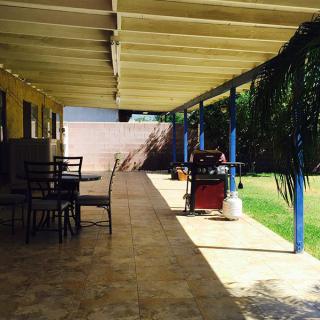
Residents can take advantage of the beautiful outdoor spaces and garden area for relaxation or socializing with fellow residents. Move-in coordination services make transitioning into Olive Vista seamless, while transportation arrangements are available for medical appointments and visits to doctors.

In terms of nearby amenities, Olive Vista is conveniently surrounded by cafes, parks, restaurants, pharmacies, physicians' offices, places of worship, theaters, and hospitals. This ensures that residents have easy access to various entertainment options as well as essential services.

In summary, Olive Vista Behavioral Health Center offers an inviting assisted living community where seniors can receive personalized care in comfortable surroundings. With its comprehensive care services, extensive amenities, and convenient location near numerous amenities, Olive Vista is committed to providing a high quality of life for all its residents.

Nearby Places of Interest

Restaurants

  • Golden Corral (1.1 miles)
  • In-N-Out Burger (2.6 miles)
  • Del Taco (2.8 miles)
  • Titan Burgers Chino (3.4 miles)
  • McDonald's (4 miles)
  • Old Stump Brewing Co. (4.8 miles)
  • Bardot (4.9 miles)

Theaters

  • Harkins Theatres Chino Hills 18 (1.2 miles)
  • AMC DINE-IN Montclair Place 12 (4.8 miles)

Pharmacies

  • CVS Pharmacy (1.2 miles)
  • Walgreens (2.3 miles)
  • Walgreens (2.9 miles)
  • CVS Pharmacy (3 miles)
  • CVS Pharmacy (3.2 miles)
  • CVS Pharmacy (3.4 miles)
  • Rite Aid (3.5 miles)

Cafes

  • Omomo Tea Shoppe (1.3 miles)
  • Panera Bread (2.1 miles)
  • Starbucks (2.7 miles)
  • Starbucks (3.4 miles)
  • The Coffee Bean and Tea Leaf (4 miles)
  • Starbucks (4.9 miles)
  • Starbucks (4.9 miles)

Physicians

  • Total Care Walk In Clinic (2.1 miles)
  • Dr Crum (3.2 miles)
  • Chapparal Medical Group (3.4 miles)
  • The Robert & Beverly Lewis Family Cancer Care Center (3.4 miles)
  • Inland Neurosurgery Institute (4.6 miles)
  • Kaiser Permanente Diamond Bar Medical Offices (5.8 miles)
  • Baby Bump Studios (5.9 miles)

Parks

  • Chino Hills Community Park (2.7 miles)
  • Pantera Park (3.1 miles)
  • Ruben S Ayala Park (3.2 miles)
  • Frank G. Bonelli Regional Park (5.3 miles)
  • Alterra Park (5.5 miles)
  • Citrus Park (6.1 miles)
  • Creekside Park (7.9 miles)

Hospitals

  • Pomona Valley Hospital Medical Center (3.3 miles)
  • Casa Bonita (6.3 miles)
  • San Antonio Community Hospital Maternity Information Services (7.8 miles)
  • San Antonio Medical Center (7.9 miles)

Places of Worship

  • Charisma Life Church (4.3 miles)
  • BAPS Shri Swaminarayan Mandir (4.5 miles)
  • Calvary Chapel Golden Springs (5 miles)
  • Crosspoint Church (5.5 miles)
  • First Presbyterian Church Upland (7.3 miles)
  • Real Life (7.6 miles)
  • St Anthony's Catholic Church (9 miles)

Transportation

  • Pomona Station (4.5 miles)
  • Montclair Metrolink Station (5.3 miles)
  • Chino Airport (CNO) (6.5 miles)
  • Ontario International Airport - Terminal 2 (8.5 miles)
  • Baggage Claim T2 (8.5 miles)
  • Ontario International Airport (ONT) (9 miles)

Frequently Asked Questions

Where is Olive Vista Behavioral Health Center?

Nearby Communities

  • Chino Valley Health Care Cente

    Chino Valley Health Care Cente

    Pomona, CA

    3.6 from 35 reviews
     

    pro Extensive on-site amenities (beauty salon, restaurant-style dining, fitness room, garden) plus 24/7 supervision, medication management, and transportation services.

  • Angelynne Chateau,  Inc.

    Angelynne Chateau, Inc.

    Chino, CA


    pro High-acuity care with on-site activities, devotional services, and varied dietary options.

  • Gracious Homes

    Gracious Homes

    Pomona, CA

     
    $3,500 to $4,000 / month

    pro High-acuity memory care with thorough medication management in a safe, private-room setting.

  • Lombardy Senior Care

    Lombardy Senior Care

    Chino, CA

    3.5 from 2 reviews
     

    pro Small, intimate board-and-care with 24/7 supervision and comprehensive daily support.

  • Ranch Country Home

    Ranch Country Home

    Chino, CA

    2.6 from 9 reviews
    $3,500 to $4,990 / month

    pro Clean, friendly environment with an intimate, six-bed setting that fosters a personalized experience.

  • Haven's Family Home

    Haven's Family Home

    Pomona, CA


    pro Great access to amenities and social activities.

  • Pacifica Senior Living Hillsborough

    Pacifica Senior Living Hillsborough

    Chino, CA

    4.7 from 133 reviews
    $2,995 to $4,695 / month

    pro Friendly staff in a clean, welcoming community.

  • Claremont Villas

    Claremont Villas

    Claremont, CA

    4.5 from 64 reviews
    $771 to $1,114 / month

    pro Renovated, clean apartments with friendly staff in a walkable Claremont Village location.

  • Claremont Manor

    Claremont Manor

    Claremont, CA

    4.3 from 93 reviews
    $4,400 to $6,400 / month

    pro Compassionate staff, diverse housing options, and engaging activities in a well-maintained, welcoming campus.

Related Resources

  • assisted living insuranceAssisted Living Expenses and Long-Term Care Insurance: A Comprehensive Exploration

    The article discusses assisted living expenses, the importance of long-term care insurance in covering these costs, and various financing options, highlighting the need for careful policy review and early planning to address potential needs. It also clarifies common misconceptions about Medicare and private health insurance limitations regarding long-term care coverage.

  • how to pay for assisted livingSecuring Financial Support for Assisted Living: A Comprehensive Overview

    Assisted living facilities offer crucial support for older adults needing help with daily activities but come with varying and significant costs, which can be financed through personal savings, government assistance programs, long-term care insurance, and home equity options. Professional guidance from experts can aid families in navigating these financial complexities to establish a sustainable budgeting approach for assisted living services.

  • assisted living for seniors on social securitySocial Security Benefits and Assisted Living: Navigating Options Across the U.S.

    Assisted living costs often exceed Social Security benefits, necessitating a combination of funding sources like state aid and Medicaid. Understanding the interaction between Social Security programs and available financial support is essential for affording such care.