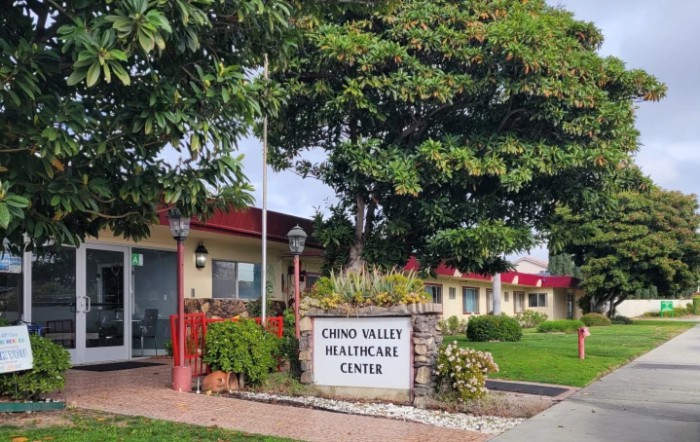
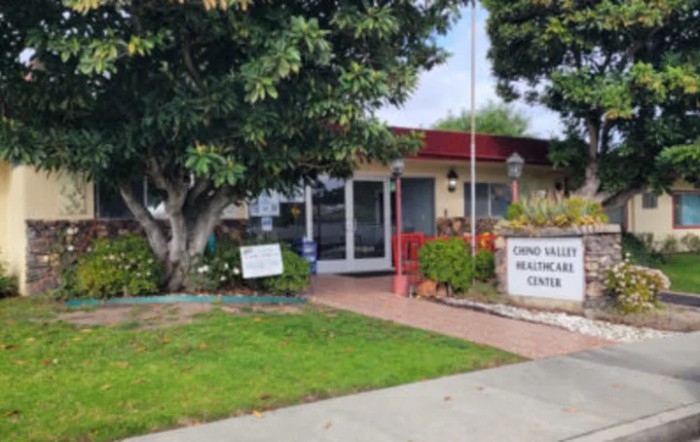
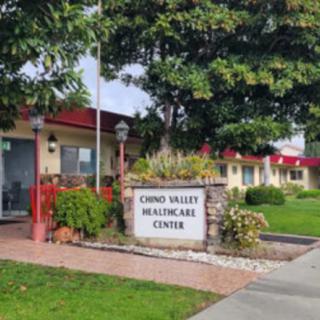
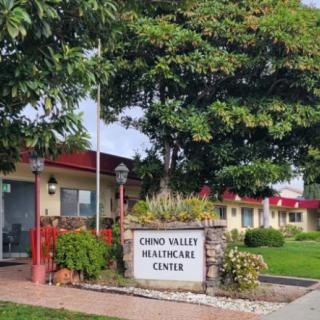
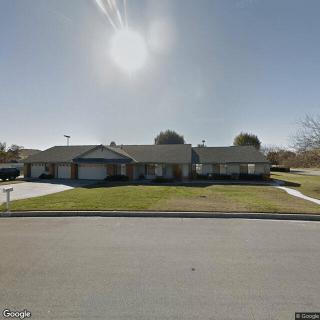
2351 South Towne Avenue, Pomona, CA 91766
For more information about senior living options: (866) 208-4318
Overall Review of Chino Valley Health Care Cente
Pros
 They are an absolutely wonderful and professional group of people to trust a loved one with, and they are accountable, communicative, and caring.
- They serve the residents with love and care.
- The facility has secured, locked units, a big plus for dementia patients or anyone at high risk of wandering.
- The staff are friendly, and they provide therapy services for residents.
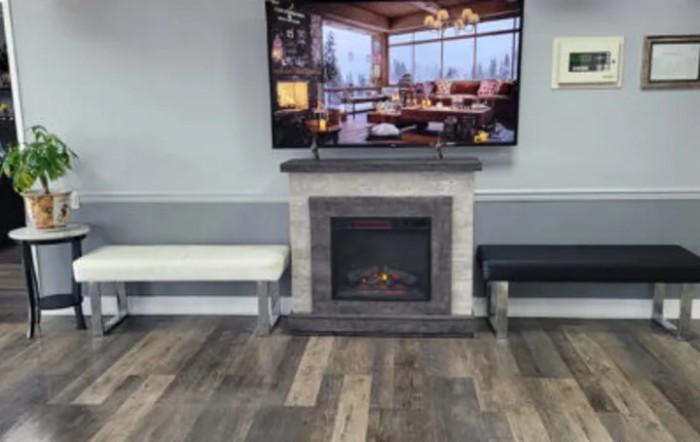
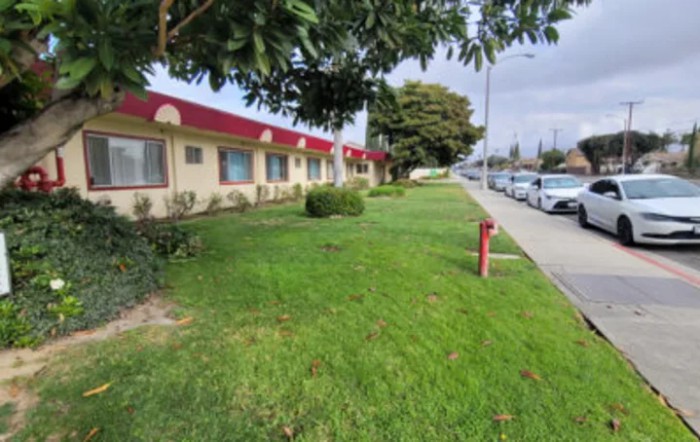
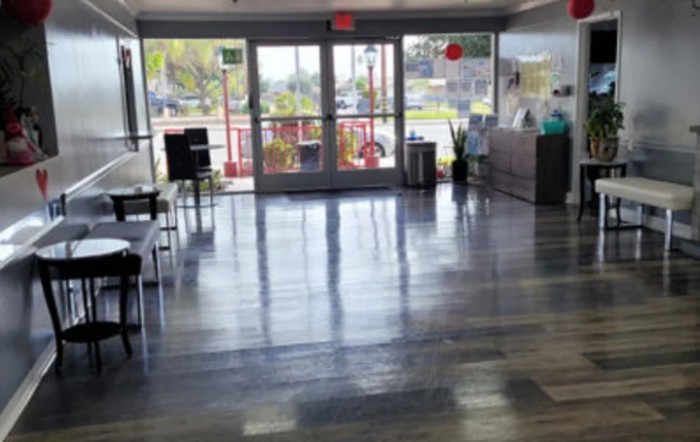
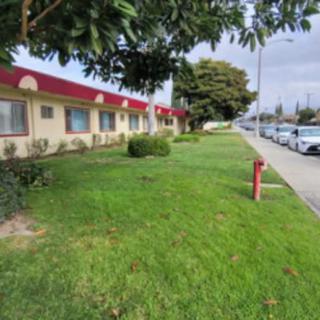
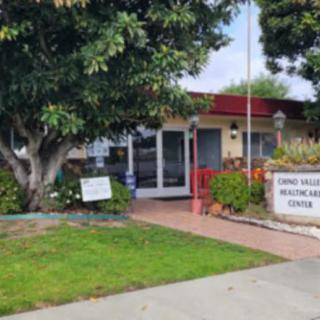
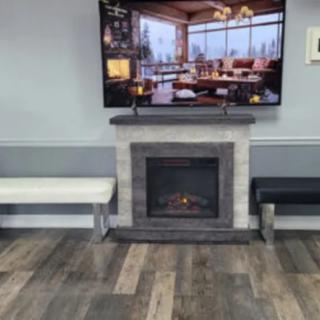
- The facility is clean and well maintained.
- The administrator is accommodating, and the admissions team provides detailed tours; residents enjoy the activities and friendly staff.
- It is a great place to be.
Cons
 The mom was left with open scab wounds and bleeding and was infested with scabies.
 - A nurse overdosed his father with insulin; the staff did not care about the residents.
- The admissions team refused to admit a hospice patient with the right medical insurance, without explanation.
- There were too many abuse cases at the facility.
- The reviewer found his mother abandoned in a wheelchair, without water all day, with swollen legs, and without her medications.
- The place smelled like urine.
- Some social workers were rude and only told families what they wanted to hear to end the call.
- The dad went without medication for days.
- The facility was not memorable.
- The reviewer would not choose this facility for another family member.
Review
Chino Valley Health Care Centre is best suited for families prioritizing safety, structure, and predictable daily life in a setting that can accommodate dementia or wandering-risk residents. The community earns credibility for a clean, orderly environment and a culture that emphasizes professionalism and routine care. For families who want visible safety measures, engaged staff, and access to therapeutic services, this facility presents a pragmatic option. It is not aimed at luxury, but at reliability and steady support, with clear advantages for those who value secure units, organized admissions, and ongoing activities that keep residents engaged.
On the positive side, the strongest selling points are the security features and the staff’s generally friendly disposition, alongside a clean facility with a structured atmosphere. Locked or secured units provide peace of mind for dementia patients or others prone to wandering, and therapy services are available to support rehabilitation and social engagement. Admissions teams are described as thorough, and administrators are often cited as accommodating, capable of guiding families through the process with detailed tours. The combination of safety, routine, and activity options positions the center as a practical anchor for families who want predictable support and a sense of consistency in care.
Yet the record is far from flawless, and the downsides carry significant weight. Narrative threads include alarming allegations of harm and neglect: reports of a nurse overdosing insulin, a resident reportedly infested with scabies, and situations where a patient was left without medication or water for extended periods. Several reviews describe a depressing or inadequate environment, an odor of urine, unaddressed medical needs, and care failures that left family members feeling unsettled. Admissions can also be a bottleneck for certain patients, particularly those who are hospice-eligible or have complex clinical requirements, with explanations sometimes lacking or frustrating families seeking clarity. These are not minor flaws; they touch on fundamental safety and trust.
The critical question becomes whether the pros can meaningfully offset these considerable risks. For residents whose primary needs are safety containment, routine, and access to therapies that sustain function and mood, the clean, organized, and caring veneer can make a real difference. However, the weight of reported medication lapses, potential neglect, and opaque admission decisions cannot be dismissed. If stability around medication administration, transparent communication, and reliable response to care changes are non-negotiable, the positives here may not fully compensate. Families should vigilantly verify medication protocols, staffing patterns, and the center’s escalation processes before proceeding.
Those who should consider alternatives are clear. If a loved one depends on unwavering medication delivery, needs consistent responsiveness, or has a hospice trajectory that requires clear, compassionate admission policies, another community with a track record of steady medical oversight and transparent operations may be preferable. Families should not discount the value of a candid, on-site visit that includes conversations with front-line caregivers, a tour of medication rooms, and a direct look at how shifts are staffed. Request the most recent state inspections, quality improvement plans, and a list of residents’ complaints and resolutions to gauge whether the facility’s safety culture has improved since troubling incidents.
The bottom line is practical and decisive: this community can work well for the right resident, one whose primary priorities are safety features, structured routine, and engaging activities within a clean, orderly environment. But the significant safety concerns voiced in multiple reviews demand rigorous diligence before commitment. Families must demand transparent answers about medication management, nurse accountability, and the center’s response to past complaints. If those assurances cannot be secured, it is prudent to look elsewhere, preferably at facilities with demonstrable, consistent medical oversight and fewer red flags around resident well-being.
 102 resident community capacity
 Skilled Nursing Facility
 Air-conditioning
 Beauty salon
 Cable or satellite TV
 Computer center
 Dining room
 Fitness room
 Fully furnished
 Gaming room
 Garden
 Housekeeping services
 Kitchenette
 Move-in coordination
 Outdoor space
 Private bathrooms
 Restaurant-style dining
 Small library
 Telephone
 Wellness center
 Wi-Fi/high-speed internet available
 Ontario International (8 miles away)
 Community operated transportation
 12-16 hour nursing
 24-hour call system
 Activities of daily living assistance
 Assistance with bathing
 Assistance with dressing
 Assistance with transfers
 Diabetes diet
 Medication management
 Mental wellness program
 Special dietary restrictions
 Concierge services
 Planned day trips



 Understanding the Nuances of Palliative Care and Hospice: A Comprehensive Exploration
 Is In-Home Healthcare Tax Deductible? Your Comprehensive Guide
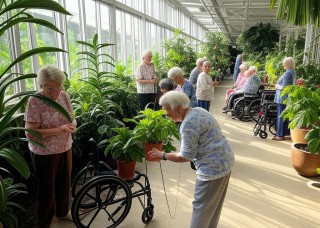 Nurturing Well-Being Through Gardening: A Detailed Guide for Senior Enthusiasts