

205 El Pinto, Danville, CA 94526
To contact a resident: (925) 820-9801
For more information about senior living options: (866) 208-4318
Magnolia Gardens Costs & Pricing
Magnolia Gardens offers competitive pricing for its accommodations, particularly when compared to both Contra Costa County and the broader California market. For a studio, residents pay $3,800 per month, which is notably lower than the county average of $4,358 and even more so than the state average of $4,145. For those seeking a one-bedroom unit, Magnolia Gardens' rate of $4,800 aligns closely with Contra Costa County's cost of $5,008 but remains significantly higher than the state average of $4,340. Overall, Magnolia Gardens provides an appealing option for individuals looking for quality living arrangements without exceeding typical regional costs.
| Floor plans | Magnolia Gardens | Contra Costa County | California |
|---|---|---|---|
| Studio | $3,800 | $4,358 | $4,145 |
| 1 Bedroom | $4,800 | $5,008 | $4,340 |
Assisted Living communities with a similar price nearby
-
from -$605 / mo
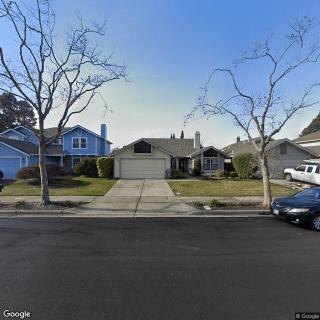
Harbor Bay Assisted Living
$3,195 to $5,000 / month14.6 miles away -
from +$200 / mo
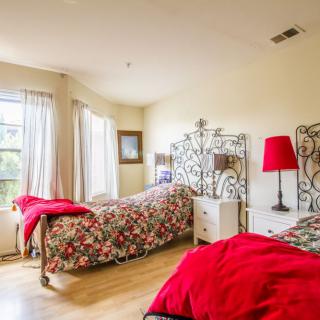
Golden Age Of Channing Way
$4,000 to $5,000 / month14.5 miles away -
from +$700 / mo
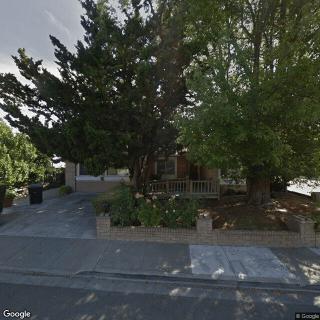
Pleasanton Senior Care Villa
$4,500 / month13.3 miles away -
from -$400 / mo

An Oak Grove Manor
$3,400 to $3,800 / month6.0 miles away -
from -$300 / mo
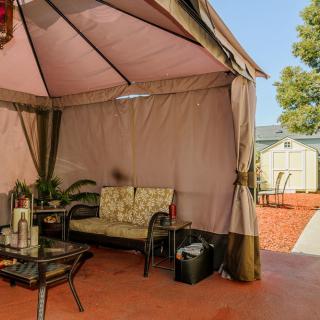
Blossom Garden Senior Home
$3,500 to $4,800 / month12.0 miles away
Overall Review of Magnolia Gardens
Pros
 He loves his room and is very happy there.
- The staff is very kind and accommodating.
- They communicate well with families and keep them informed about residents’ well-being and needs.
- Magnolia Garden offers a wonderful outdoor setting with a patio, animals to feed, and big trees.
- The dining room is very nice.
- The rooms have been remodeled and are very nice.
- They have a beautiful vegetable garden.
Cons
 Some staff are not very polite to guests or residents.
- There are not enough activities to keep residents occupied.
- The facility is no-frills in terms of personal furniture, cable hookup, diapers, and wipes.
- Activities are limited due to space, making it hard for residents to participate.
- The rooms are small and the building feels like a nursing home, with renovations needed.
- The price tag of $6,600 per month is unbelievably high for the lack of social interaction and ambiance.
- The food is adequate but not tasty.
- Most staff barely speak English and telephone communication is rarely answered.
- The manager is not friendly to residents.
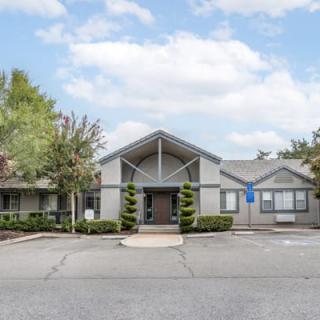
- The property is an older building in need of repair.
Review
Magnolia Gardens in Danville is best suited for families seeking a small, home-like assisted living where residents are known by name and staff deliver steady, hands-on care. It works well for seniors who prize a clean, calm environment, a pleasant outdoor setting, and a staff culture that emphasizes personal attention, memory of favorite foods and routines, and clear communication with families. The community’s strengths rest in its intimate scale and the reliability of daily care, which creates a sense of belonging without the feel of a large campus. This is a good fit for residents who do not require extensive programming or high-end amenities, and for families prioritizing a straightforward, transparent caregiving relationship over premium services.
Those who should consider alternatives include residents who crave a richer activity calendar, more frequent outings, or a dining program with substantial variety and culinary flair. Several reviews flag limited activities and space constraints that curb engagement, which can leave socially inclined seniors feeling under-stimulated. The building’s older exterior and smaller, studio-style rooms may also be a mismatch for those who want modern design, in-room kitchen facilities, or a more expansive sense of living space. Price adds another dimension: at roughly $6,600 per month, families should scrutinize exactly what is included and what must be paid separately, since expectations for a premium experience may outpace the offerings.
The strongest positives, compassionate staff, reliable family communication, and a consistently clean, homey environment, offset many of the most common drawbacks. Reviews repeatedly cite kind and attentive caregivers, plus staff who keep families informed about a loved one’s status and needs. On-site nursing presence and scheduled medical days provide a cushion of medical oversight without moving into a full-time hospital setting. The outdoor patio, trees, and garden features create a calming ambiance that supports mood and social interaction in a low-stimulation way. When care teams recognize residents’ personal preferences and dietary likes, that assistance feels personalized and trustworthy, which can make up for gaps in programming and the more clinical feel of an older building.
Nevertheless, practical realities warrant careful consideration. Transportation, though advertised, has not always translated into reliable, post-move services, a fragment of the experience that matters for independence and social outings. Dining, while adequate, is not consistently described as exceptional, and several reviewers note the meals lack zest or variety. Language and communication issues surface in some interactions, with occasional critiques directed at staff behavior, which can undermine the sense of resident respect. The activities calendar tends to be modest and space-limited, restricting group outings and creative programs; the property’s age contributes to a nursing-home aesthetic for some visitors. Prospective residents should request a current activity schedule, menu options, and a clear transportation policy, and should visit during peak activity times to gauge real engagement.
In terms of who Magnolia Gardens serves best, the community shines for families seeking continuity and a personable touch over scale and spectacle. It suits seniors who value a predictable routine, the comfort of known caregivers, and direct access to nursing staff through visiting nurses and scheduled health days. For residents with moderate care needs who do not demand intensive memory-care programming or intensive medical management, Magnolia Gardens can deliver a reassuring, low-fragrance of institutional feel in exchange for a warm, familiar atmosphere. It is less ideal for those who require dynamic dementia programming, frequent social programming, or a chef-driven dining scene, and for families that insist on highly bilingual staff or highly varied daily activities.
Ultimately, the decision rests on prioritizing personal connection and calm, home-like surroundings versus breadth of amenities and high-energy engagement. If a loved one finds security and comfort in caregiver familiarity, transparent communication, and a serene setting, Magnolia Gardens can provide substantial peace of mind. If the benchmark includes robust programming, abundant outings, diverse culinary options, and a more modern facility, it is prudent to compare nearby communities that offer those features. A disciplined approach, tours with current residents, review of activity calendars, dining samples, and a clear, written transportation policy, will translate these impressions into a practical, informed choice for the aging loved one.
 Assisted Living
 Cats allowed
 Dogs allowed
 Activities on-site
 Cable or satellite TV
 Devotional services off-site
 Dining room
 Garden
 Guest parking
 Home sale assistance
 Housekeeping services
 Indoor common areas
 Laundry
 Party space
 Wi-Fi/high-speed internet available
 Metropolitan Oakland International (14 miles away)
 Ambulatory care
 Diabetic care
 Hospice care
 Medication management
 Meals provided
 Arts and crafts
 Educational speakers / life long learning
 Fitness programs
 Games
Games Live musical performances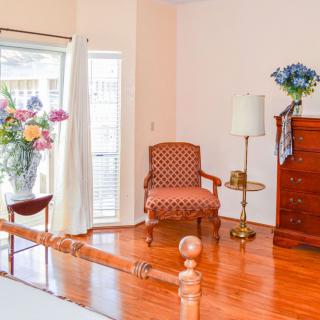






 8 Key Indicators That Suggest It May Be Time to Transition from Assisted Living to Skilled Nursing Care
 Vibrant Senior Living: A Comprehensive Guide for Active Older Adults
 When to Transition from Assisted Living to Memory Care: Key Indicators, Steps, and Finding the Right Community