
2565 Stone Valley Road, Alamo, CA 94507
For more information about senior living options: (866) 208-4318
Gines Residential Care Home III Costs & Pricing
Gines Residential Care Home III offers a private room at a monthly cost of $5,000, which is notably higher than both the average rates in Contra Costa County, where the typical price is approximately $4,088, and the overall state average in California, which stands at about $3,939. While Gines may represent a premium option within the local market, potential residents might consider factors such as personalized care services or enhanced amenities when evaluating its value compared to other facilities in the region and beyond.
| Floor plans | Gines Residential Care Home III | Contra Costa County | California |
|---|---|---|---|
| Private | $5,000 | $4,088 | $3,939 |
Assisted Living communities with a similar price nearby
-
About the same
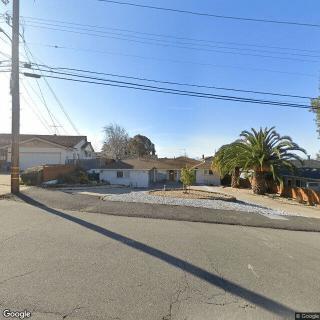
Blessing Home
$5,000 to $6,000 / month9.8 miles away -
from -$500 / mo
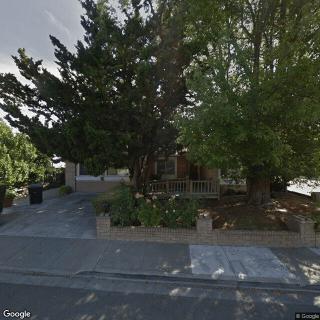
Pleasanton Senior Care Villa
$4,500 / month13.7 miles away -
from +$400 / mo
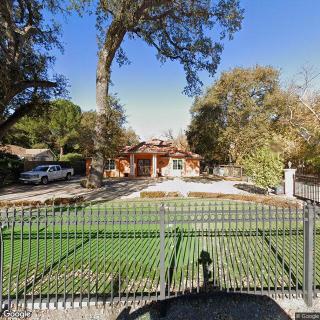
Bethel Care Home On Cottage
$5,400 / month5.1 miles away -
About the same
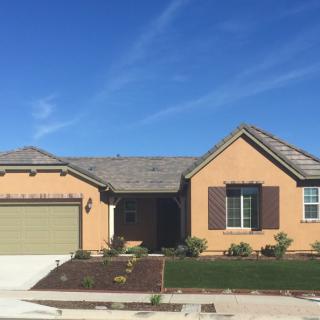
Harmony Care Home
$5,000 to $6,500 / month16.0 miles away -
from +$500 / mo
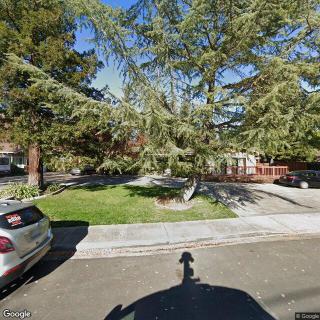
Carnelian III
$5,500 / month5.2 miles away
Overall Review of Gines Residential Care Home III
Pros
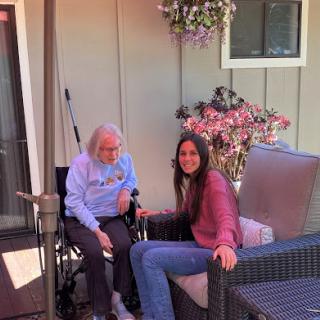
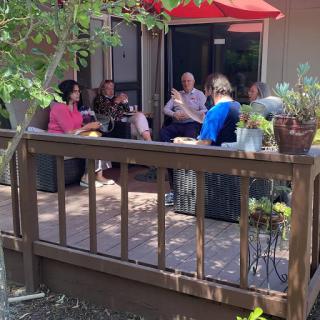
 They are very happy with their experience at Gines Residential Care Home.
- Everything is rated a five.
- Their mother receives attentive care at Gines Residential Care Home.
- He is happy and doesn't feel alone; his needs are always met.
- The staff laugh, talk with him, and show him love.
- The staff are very nice and attentive.
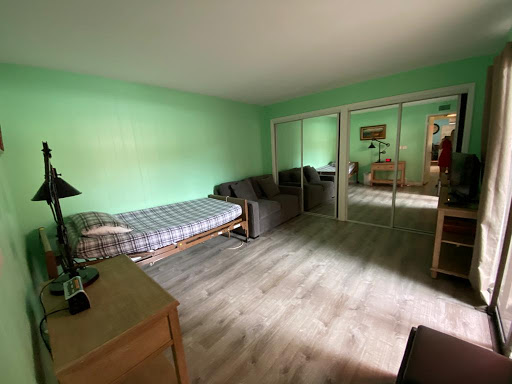
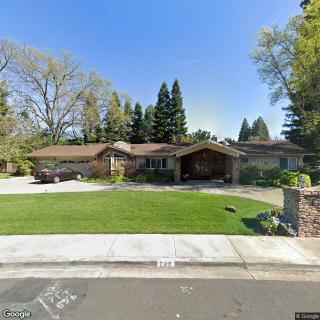
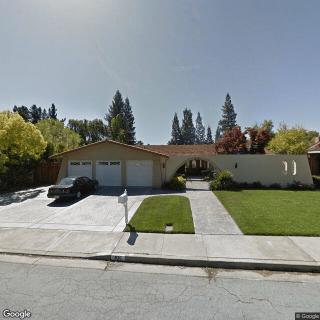
- The location is great and the exterior is nice; the interior is well kept.
Cons
 The home is not a loving and caring place for a loved one.
- The live-in couple sleep through the night and do not care for residents.
- A family member fell from bed and received no care for hours.
- The owner is described as overwhelming and controlling, not a caring guardian, and financially motivated.
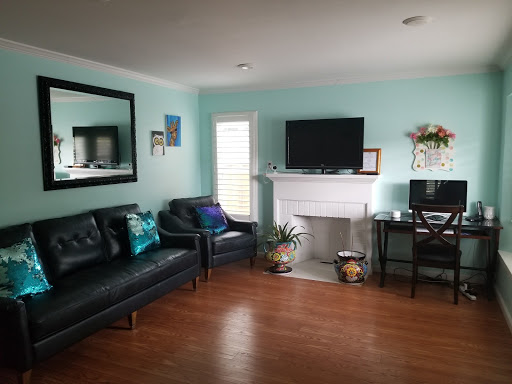
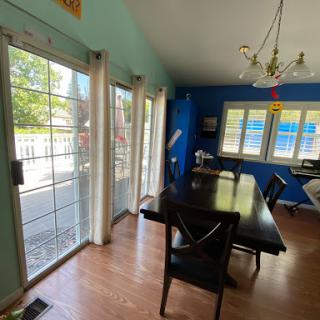
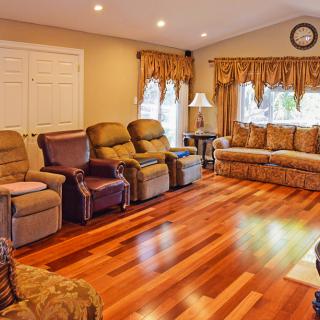
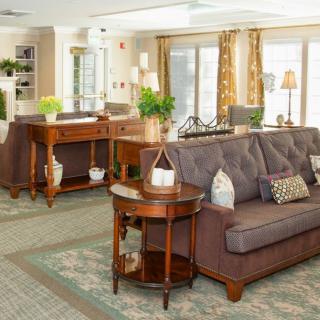
- The interior atmosphere is dark and unwelcoming, not as bright as other facilities.
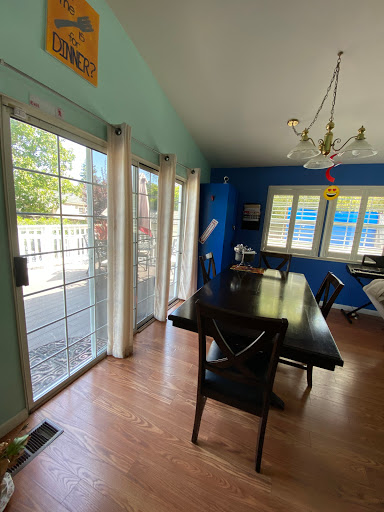
- The dining area is merely a kitchen, lacking proper dining space.
- The property looks old and does not look good, with an open garage door contributing to a poor impression.
- The presence of hospice residents and a resident with schizophrenia unsettles the reviewer and heightens concerns about the setting.
Review
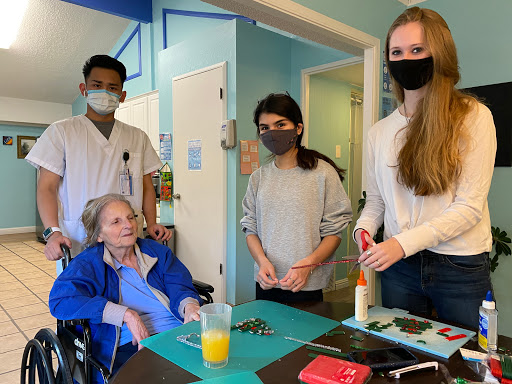
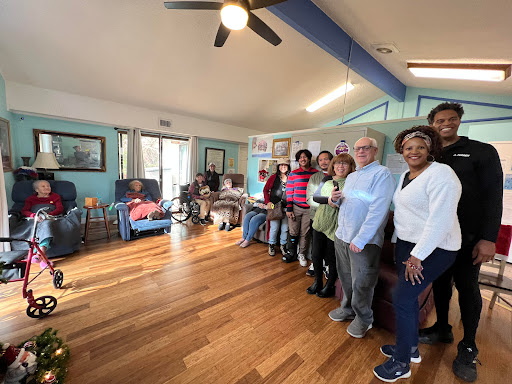
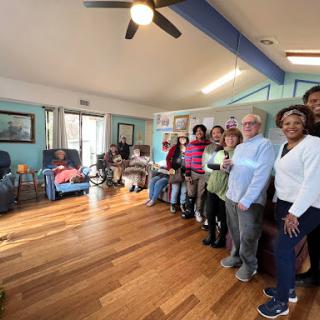
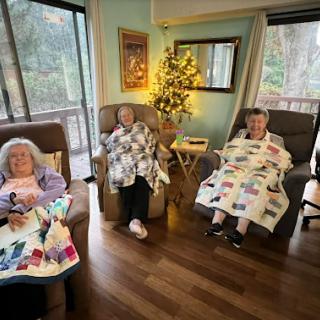
This community is best suited for families seeking a very small, home-like setting where a resident can receive highly individualized attention in a house-style environment. It works for seniors who do not require round-the-clock awake supervision and who value frequent, direct communication with caregivers. The model leans into intimate, one-on-one care, with residents often forming steady routines and close rapport with the live-in caregiver(s). For someone who needs a robust activities calendar or a bright, institutional atmosphere, this setting will feel limiting. It is a fit when peace of mind comes from daily touchpoints, personalized meals, and a sense of being known by the caregivers.
Those who may want to consider alternatives are anyone whose loved one requires continuous night monitoring, wanders at night, or benefits from a more structured, program-driven environment. Prospective residents who expect a larger community with scheduled outings, diverse group activities, and a brighter, more expansive interior should look at traditional assisted living options or facilities with dedicated night staff and memory-care supports. Families wary of a management style that feels controlling or financially focused, and who prefer a more hands-off ownership approach, may also want to explore other homes with clearer governance and less personal emphasis on ownership control.
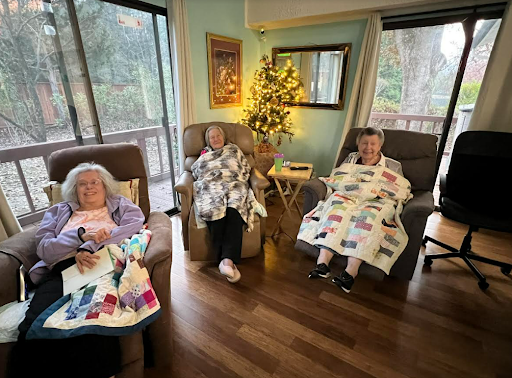
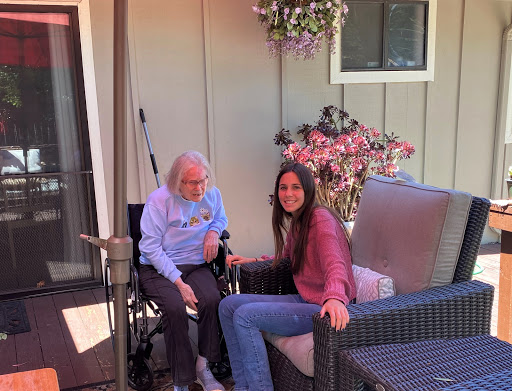
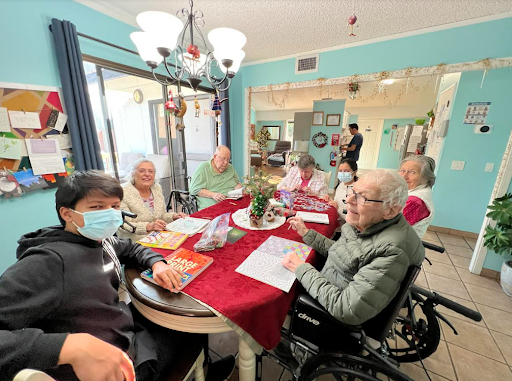
The strongest advantages here are the evident warmth and attentiveness of caregivers, which translate into real moments of connection, companionship, and perceived safety for residents who thrive on social contact. Several notes highlight happy, engaged residents, fresh-looking meals, and staff who talk with and about the residents in a caring way. For a resident who values a consistent, familiar routine and regular conversations with staff, these factors can meaningfully offset the modest size and limited activity options. The home-like atmosphere contributes to a sense of belonging that is hard to find in larger facilities.
Yet the downsides are not minor. Nighttime supervision is a recurring concern, with one account describing a resident who fell from bed and was unmonitored for hours because caregivers were sleeping. The impression of an owner who can feel overwhelming or overly controlling also looms, with some families questioning motives and how decisions are made. The physical setting itself can feel dated or darker than most modern facilities, and there is a perception of limited structured programming or group activities. Even seemingly small issues, like ashtray upkeep or routine housekeeping, color the overall impression and raise questions about ongoing maintenance.
When evaluating this community, practical questions should guide the visit: what is the actual night staffing plan, and how is resident safety managed after hours? how flexible is the schedule for activities, socialization, and assistance, and does it align with the resident’s needs? what steps are taken to ensure a bright, clean, and welcoming atmosphere, and how are concerns about the environment addressed? and crucially, how does the owner or administrator engage with families, openly, transparently, and with a clear plan for care decisions?
In sum, this facility stands out for families who prize deeply personalized care in a close-knit, home-like setting and can tolerate a darker interior, modest activity options, and some governance friction. For loved ones who require robust night supervision, a lively, structured calendar, or a brighter, more expansive environment, alternatives are clearly warranted. The right match exists for those who want steady, affectionate companionship and are comfortable scripting the care through a small, hands-on operation.
 6 resident community capacity
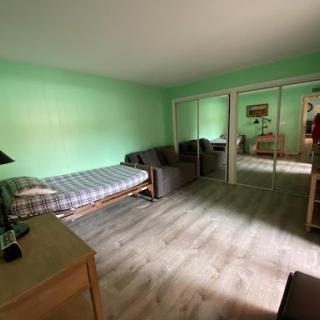
 Studio apartments
 Assisted Living
 Board and Care Home
 Respite Care
 Activities on-site
 Cable or satellite TV
 Devotional services off-site
 Dining room
 Fully furnished
 Garden
 Housekeeping services
 Indoor common areas
 Move-in coordination
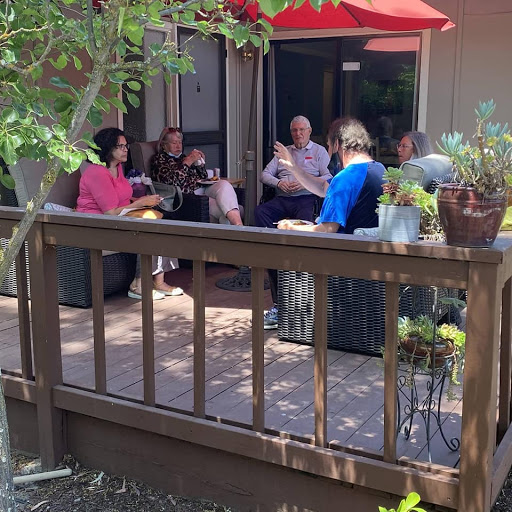
 Outdoor common areas
 Private
 Private bathrooms
 Telephone
 Wi-Fi/high-speed internet available
 Metropolitan Oakland International (15 miles away)
 24-hour supervision
 Ambulatory care
 Assistance with bathing
 Assistance with dressing
 Assistance with transfers
 Diabetes diet
 Incontinence care
 Meal preparation and service
 Medication management
 Special dietary restrictions
 Transportation arrangement (medical)
 Transportation to doctors appointments


 How and When Medicaid May Cover Assisted Living Costs
 A Detailed Exploration of Assisted Living Medicaid Waivers Across the United States
 Comprehensive Residential Support and Assisted Living Solutions for Individuals with Disabilities