
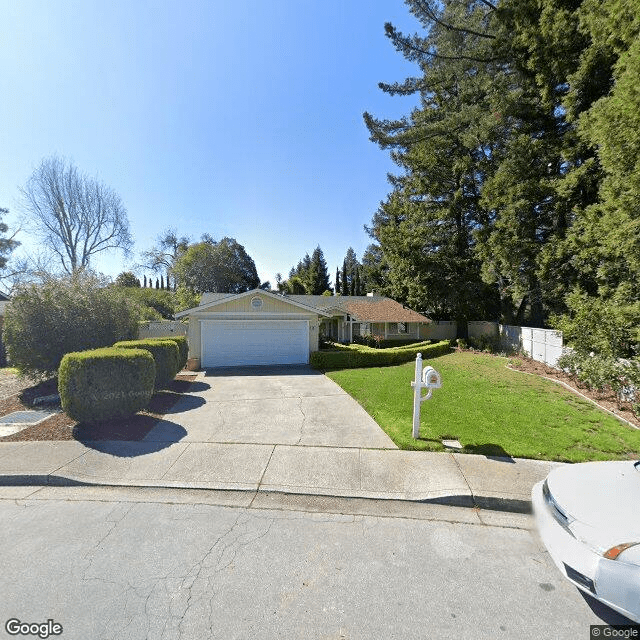
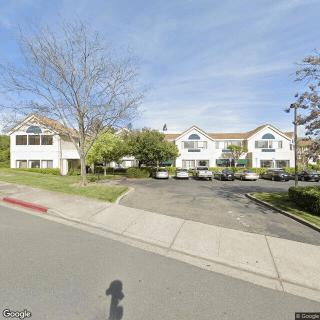
63 St. Ramon Court, Danville, CA 94526
To contact a resident: (925) 314-0841
For more information about senior living options: (866) 208-4318
Dipina Board and Care Costs & Pricing
Dipina Board and Care offers private room accommodations at a monthly rate of $4,500, which positions it above the average costs for both Contra Costa County and the broader state of California. In Contra Costa County, the typical cost for similar private rooms is approximately $4,088, while statewide, the average is slightly lower at around $3,939. This pricing reflects not only the quality of care and amenities provided but also highlights the unique value proposition of Dipina Board and Care in an increasingly competitive market. The elevated cost may be indicative of specialized services or features that cater to specific resident needs, making it an appealing option for families seeking exceptional care for their loved ones.
| Floor plans | Dipina Board and Care | Contra Costa County | California |
|---|---|---|---|
| Private | $4,500 | $4,088 | $3,939 |
Assisted Living communities with a similar price nearby
-
from +$500 / mo

Blessing Home
$5,000 to $6,000 / month6.9 miles away -
from -$500 / mo
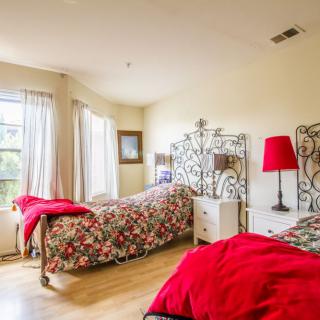
Golden Age Of Channing Way
$4,000 to $5,000 / month14.9 miles away -
About the same
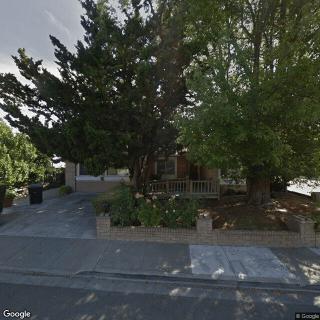
Pleasanton Senior Care Villa
$4,500 / month9.5 miles away -
from +$500 / mo
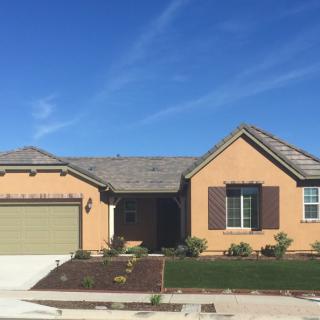
Harmony Care Home
$5,000 to $6,500 / month17.8 miles away -
About the same
Milan Villa Senior Living
$4,600 to $9,200 / month13.4 miles away
Overall Review of Dipina Board and Care
Cons
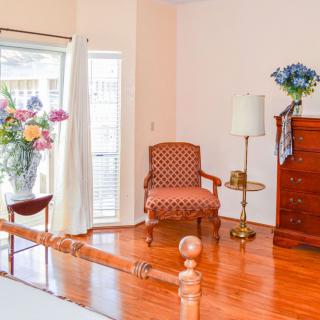
 It is rather grim.
- It lacks decorations and color.
- It needs a woman's touch.
- There is only one male nurse on duty.
Review
Dipina Board and Care in Danville, CA is best suited for seniors who want a small, home-like setting where care stays straightforward and routines remain simple. The community projects a practical, no-frills environment that can feel more like a private home than a large institution, which tends to suit residents who thrive on predictable schedules and closer, more direct access to staff. For families prioritizing safety, personal attention, and easy monitoring of a compact group of residents, this option stands out as a sensible choice in the Danville area. The tone of a recent visit suggested a place that works on the basics, clean, orderly, and quietly functional, without the glossy polish of bigger facilities.
Those who should consider alternatives are individuals who want a vibrant, colorful atmosphere with rich decorations and a full calendar of enrichment activities. Similarly, residents with higher care needs or requiring robust 24/7 nursing coverage, specialized memory care, or a larger staff pool will likely find this setting insufficient. The reviews flag a bleak, minimal aesthetic, lacking in decoration and color, and point to staffing limitations, notably only one male nurse on duty. If mood-enhancing environments, gender-balanced staffing, and broader medical oversight matter, expanding the search to medium- or large-sized assisted living communities or dedicated memory-care homes is prudent.
On balance, the absence of obvious red flags during a tour is a practical strength. A small, uncomplicated setting can translate into straightforward coordination with caregivers, easier oversight by family members, and a comfortable, predictable routine. Those are meaningful positives for residents who prefer quiet surroundings and a simple day-to-day cadence. The flip side is sharp: a stark interior that can feel grim to some, and staffing constraints that may limit coverage or flexibility during certain shifts. The same intimate scale that supports orderly, direct communication can also magnify gaps when more diverse staffing or richer programming is needed. For residents whose personalities align with steadiness and modest stimulation, the pros can outweigh the cons.
Care quality in a board-and-care hinges on daily caregiver presence, and the noted staffing detail raises a concrete concern. With only one male nurse on duty, questions arise about shift coverage, response times, and availability of licensed nursing staff around the clock. Prospective residents should ask for current nurse-to-resident ratios, the scheduling of on-site nurses, and whether on-call or visiting nurses supplement daily care. While the tour and rating suggest a clean, safe environment, this setting is not designed to match the scale of larger facilities. Expect more personalized contact in return for a leaner, more limited workforce. Verify care plans, emergency procedures, and how decisions are communicated to families before making a commitment.
Decision factors hinge on the resident’s temperament and medical needs. Dipina is a practical fit for someone who tolerates a quiet, home-like atmosphere and can work within a restrained activity slate. It does well for families seeking a simple, close-knit caregiving environment with convenient access for visits and appointments. Those who crave a dynamic social scene, frequent outings, or extensive group activities may feel under-served here. In addition, ensure that the level of medical oversight aligns with the resident’s needs, and confirm whether the facility can accommodate evolving care requirements. Proximity to family and local services is a definite plus, but only if the daily life here matches the individual’s independence and safety expectations.
Bottom line: Dipina Board and Care offers a practical, low-key option for seniors who value simplicity, safety, and close caregiver access in a compact, home-like setting. It is not the right fit for families chasing a lively, richly decorated environment or for residents needing intensive nursing care or expansive programming. The main strengths, clear routines, a clean environment, and straightforward oversight, can be meaningful when matched with a resident’s preferences and tolerance for a lean staffing model. The primary drawbacks, dreary décor and staffing constraints, require careful alignment with personal expectations and medical needs. A deliberate, time-specific tour focusing on staffing patterns, activity availability, and care plan execution will reveal whether this community truly aligns with the family’s goals.
 6 resident community capacity
 Assisted Living
 Board and Care Home
 Cats allowed
 Dogs allowed
 Activities off-site
 Cable or satellite TV
 Devotional services off-site
 Dining room
 Fully furnished
 Garden
 Housekeeping services
 Indoor common areas
 Move-in coordination
 Outdoor common areas
 Private
 Private bathrooms
 Respite or short term stays offered
 Telephone
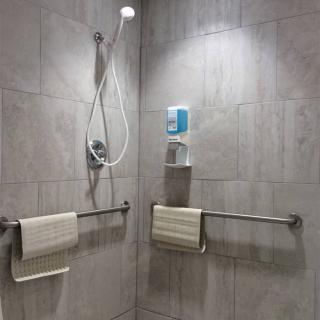
 Wheelchair accessible showers
 Wi-Fi/high-speed internet available
 Metropolitan Oakland International (14 miles away)
 24-hour supervision
 Ambulatory care
 Assistance with bathing
 Assistance with dressing
 Assistance with transfers
 Diabetes diet
 High acuity care
 Incontinence care
 Meal preparation and service
 Medication management
 Special dietary restrictions
 Transportation arrangement (medical)
 Transportation to doctors appointments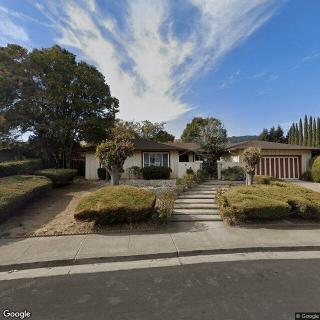
 Clean, welcoming, family-friendly environment with attentive staff and good meals.

 Understanding the Distinctions: Assisted Living and Memory Care Explained
 Guiding Elderly Parents Who Refuse Assisted Living: 6 Practical Steps
 Your Comprehensive Guide to Luxury Assisted Living: Elevated Facilities, Amenities, and Costs